❝A dog has one aim in life… to bestow his heart.” ― J. R. Ackerley❞
❝A dog has one aim in life… to bestow his heart.” ― J. R. Ackerley❞
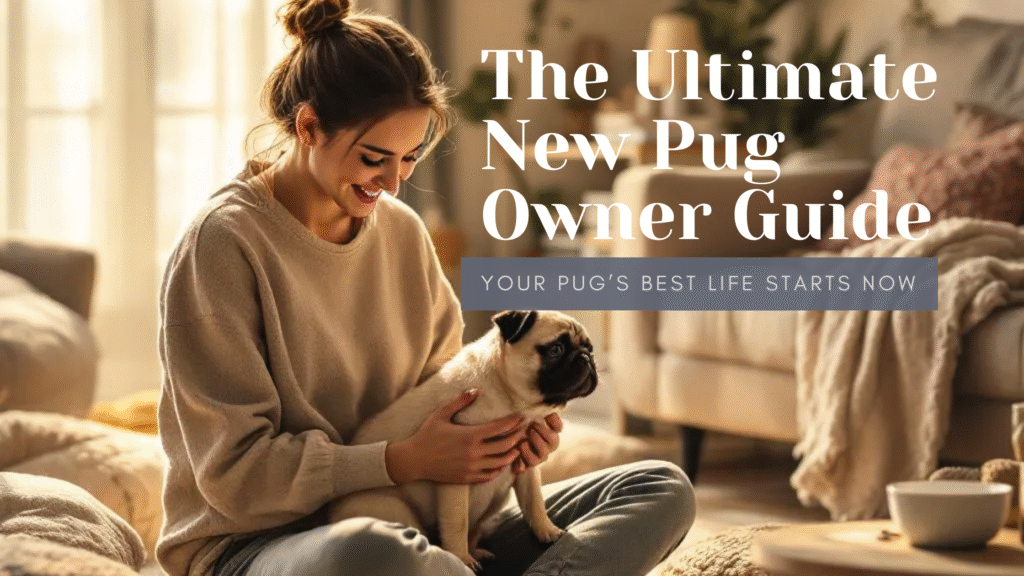
New pug owner guide : So, you did it. That adorable little snorting bundle of love, wrinkles, and boundless personality is the pug you brought home. Your heart probably feels like it’s about to burst every time you look at those big, soulful eyes or hear that unmistakable pug snort. But let me hit you with the real talk: being a new pug owner is a wild, beautiful ride filled with joy, surprises, and yes, some challenges too. It’s not all puppy kisses and Instagram moments. It occasionally entails resolving accidents, getting past stubbornness, and identifying health anomalies.
However, the truth is that every second of the hustle is valuable. Because that little pug? They’re not just a pet. They become your family, your shadow, your tiny therapist who listens without judgment and loves without limits.
This manual serves as your road map for this new phase and is filled with sincere counsel, useful pointers, and a healthy dose of inspiration. We’ll support you at every stage, from furnishing a warm and inviting home to comprehending the unique requirements of pugs, from learning training methods to fostering an unbreakable bond.
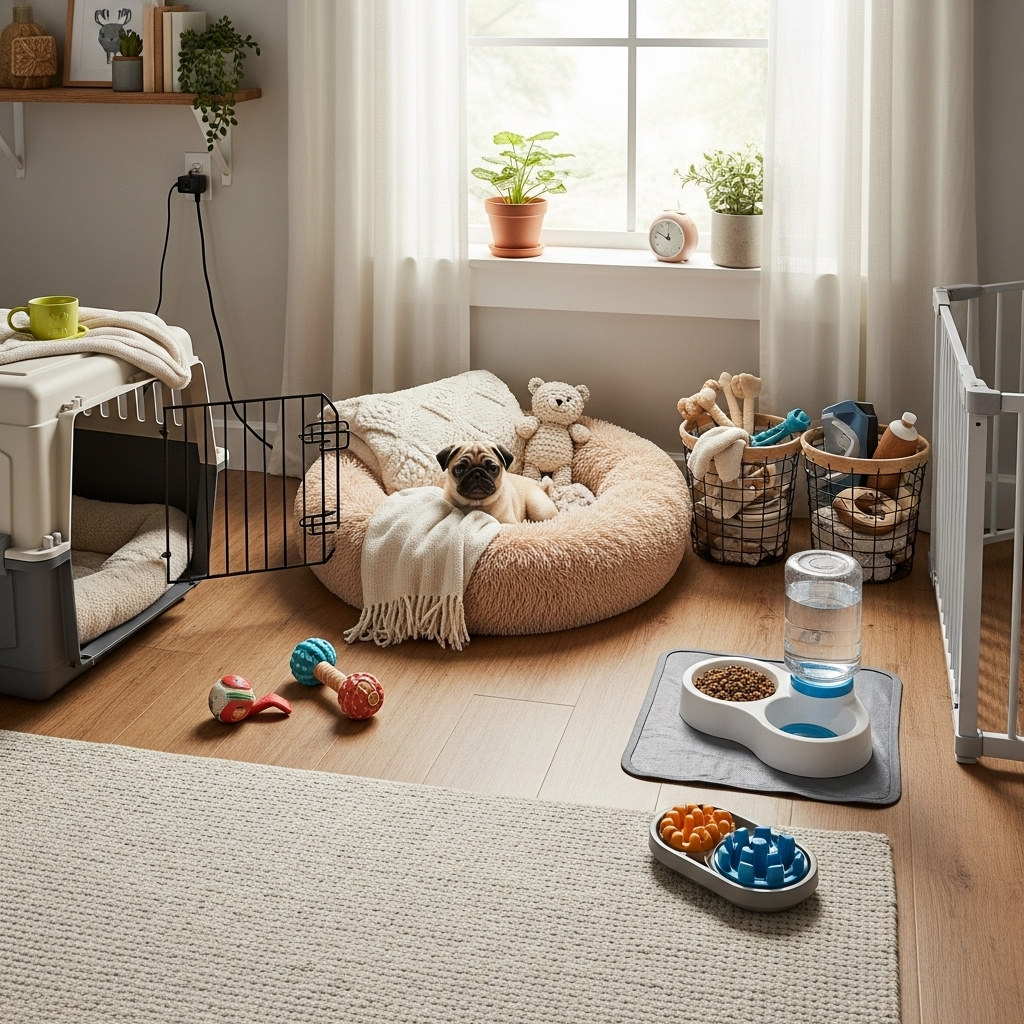
Before your new pug sets paw on your floor, it’s essential to prepare a space that feels like a welcoming sanctuary. This goes beyond simply providing water bowls and dog beds; it’s about creating a small space where your pug can feel loved, safe, and at ease right away.
Start by choosing a quiet, cozy spot where your pug can retreat when the world feels overwhelming. Pugs adore soft blankets and beds that hug them like a warm embrace. This will be their safe haven for downtime, rest, and relaxation after those inevitable bursts of puppy energy.
Pug-proofing your home is no joke. Those curious little noses and paws will explore every corner. Secure trash cans, tuck away cords, and stash anything toxic or fragile out of reach. Trust me, the pug zoomies are real, and your home needs to be ready for their speedy little adventures.
And don’t forget the toys! Pugs love chew toys that satisfy their teething urges and interactive toys that keep their clever minds busy. Investing in these keeps your pug entertained and helps prevent destructive boredom.
The first act of love in your new life together is to thoughtfully set up your home, which serves as both their first classroom and a place of safety.
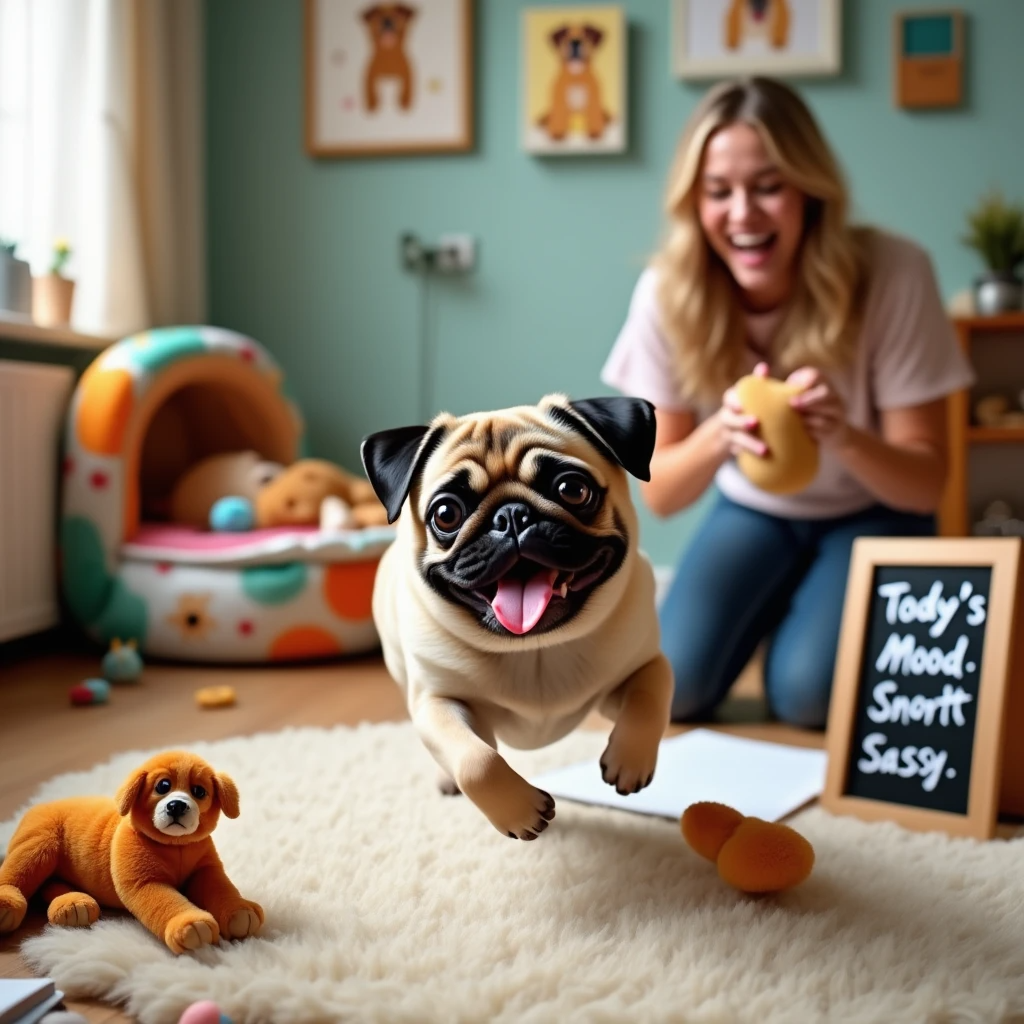
Pugs are different from other dog breeds in that they combine love, stubbornness, and pure goofiness with snorts that will make you laugh until you cry. Every pug has a distinct personality, and part of the experience of becoming a new owner is getting to know them well.
Some pugs are gregarious and eager to make new friends and win over strangers. Some people may need more time and gentle encouragement to come out of their shells because they are shy or cautious. Either way, your pug’s quirks are what make them irreplaceable.
Expect occasional stubbornness because pugs are known to be obstinate. Training might require creative approaches and a whole lot of patience. But don’t confuse stubbornness with disobedience; it’s simply their way of saying, “Thank you very much, I’m an individual.”
Being aware of your pug’s distinct combination of characteristics, emotions, and preferences paves the way for considerate, affectionate care that celebrates their true selves.
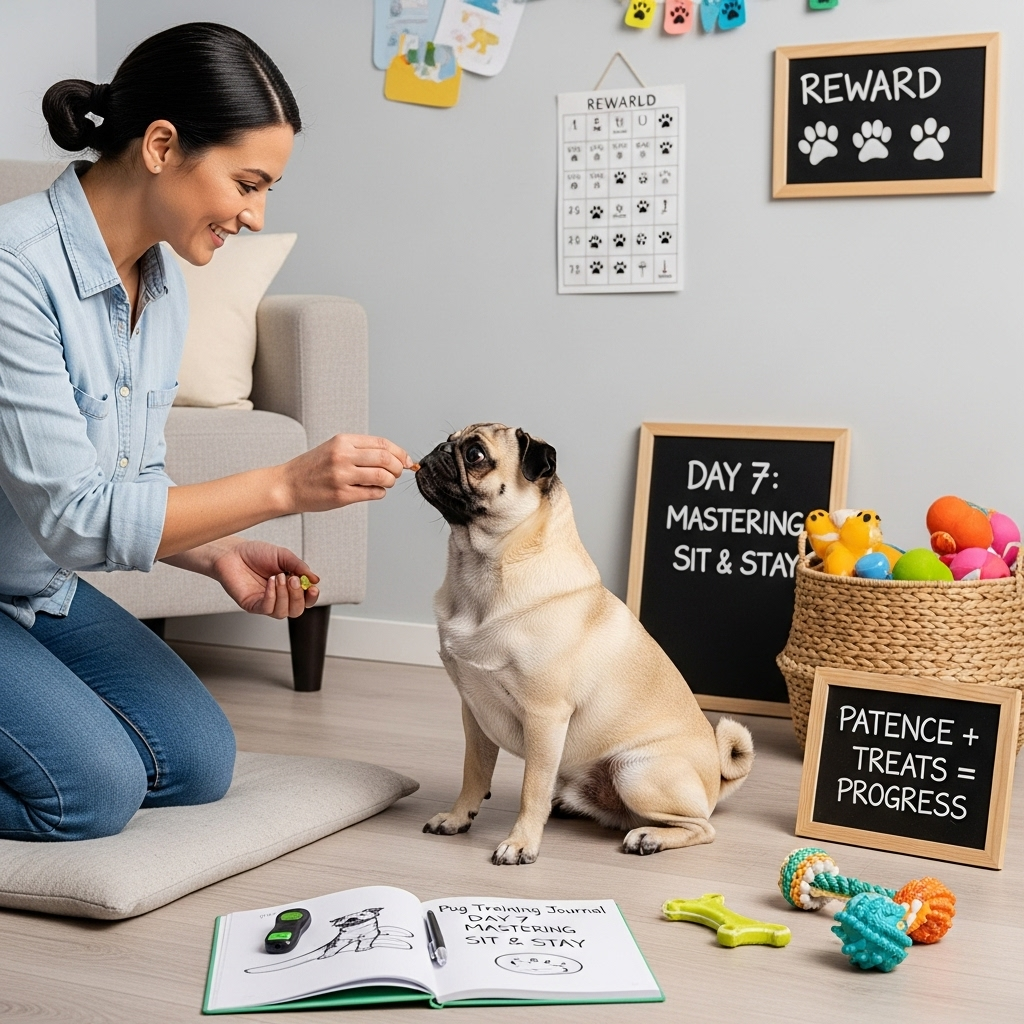
New pug owner guide: Training a pug is an art form, and it’s one that rewards patience, humor, and consistent love. Traditional “drill sergeant” style training won’t work for these smart but independent young men. Consider training as a game instead, a cooperative effort between two friends to figure each other out.
Short, frequent sessions work best. Pugs can get bored or distracted, so keep things fun and upbeat. Positive reinforcement, which includes praise, treats, and belly rubs, is your secret weapon. Celebrate every small win: that sit, that calm stay, that precious moment of eye contact.
Consistency is key. Use the same commands and routines daily so your pug knows exactly what you expect. But if you slip up or have a rough day, don’t sweat it. Your pug loves you for trying, and every effort deepens your connection.
Training isn’t just about teaching commands. Building communication, respect, and trust are the cornerstones of a lasting friendship.
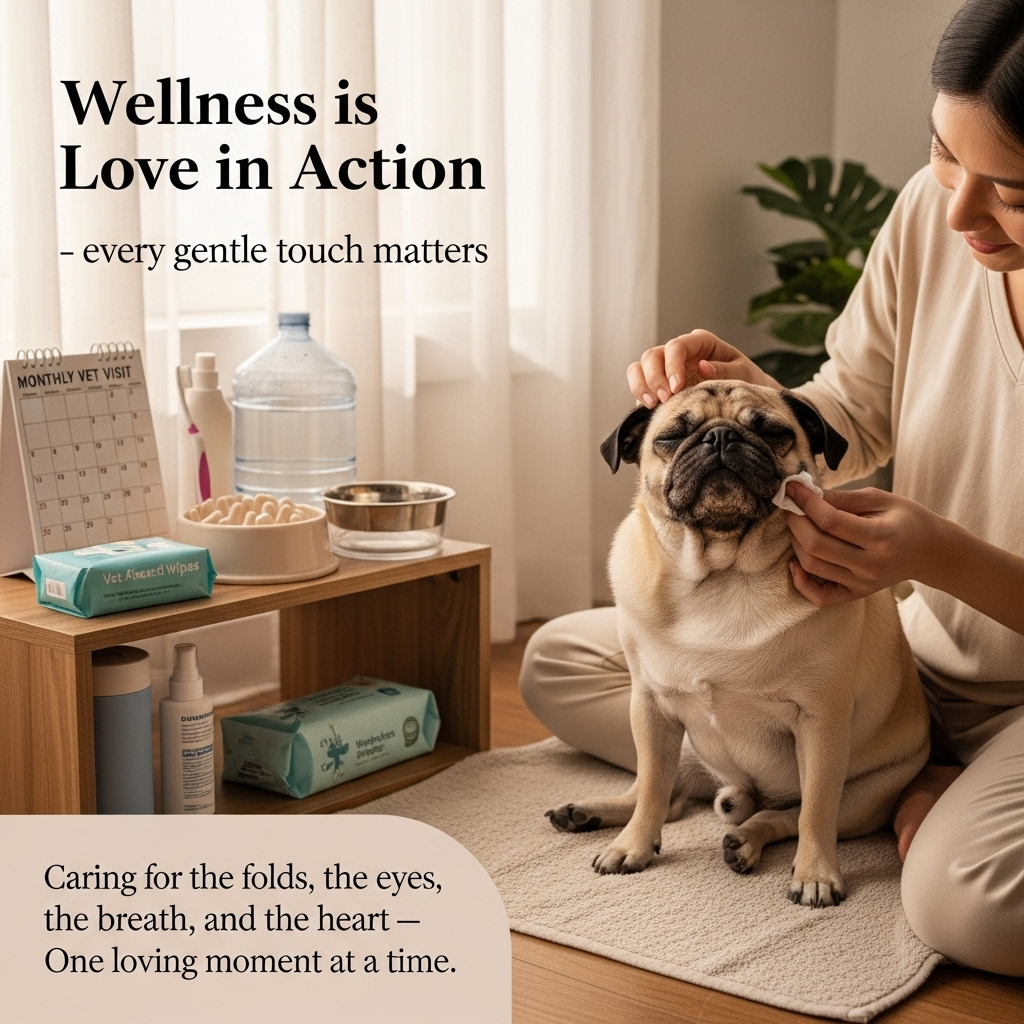
Pugs are bundles of love wrapped in compact bodies, but their adorable smooshed faces and folds come with special health considerations. As a new pug owner, staying on top of their health needs is one of the greatest acts of love you can offer.
Breathing issues are common because of their flat noses, so avoid overexertion, especially in hot weather. Regular vet visits are non-negotiable to catch any problems early. Because pugs’ large eyes are prone to irritation or injury, eye care is essential. Learn how to gently clean and protect them.
Pug weight management is another biggie. Pugs are prone to obesity, which can exacerbate breathing and joint problems. Feeding a balanced diet and ensuring moderate daily exercise will keep your pug feeling spry and happy.
Don’t forget their skin folds. These wrinkles are adorable, but if not cleaned regularly, they can become breeding grounds for infections. A light cleaning every day is priceless.
Dental care is also essential. Brushing your pug’s teeth or scheduling professional cleanings will prevent painful dental diseases.
To make sure your pug lives a long and happy life, it is essential to monitor their health.
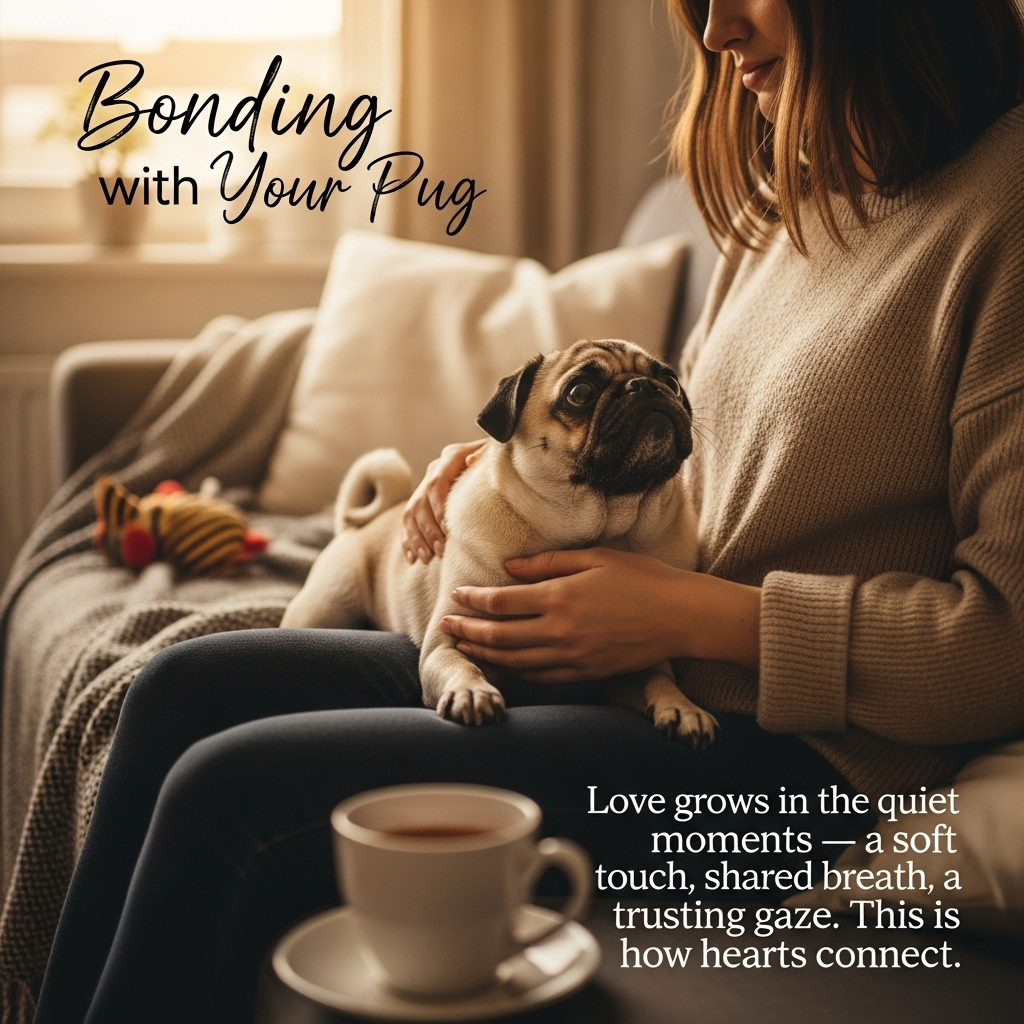
Your pug wants to be near you more than anything else. That soulful connection is what makes this breed special. Pugs share your emotional world in addition to your physical space. However, such a bond takes time to form. It develops via patience, perseverance, and sincere emotional presence.
Every day, spend quality time just being with your pug, free from expectations or distractions. It could be spending time together in comfortable silence, taking a leisurely stroll where there’s no rush to get somewhere, or quiet petting at the end of the day. Pay attention to the small things. Take note of how they start playing, where they lean into your touch, and when they decide to rest close by instead of on your lap. Your pug expresses trust through these specifics.
You learn when to give space to your pug as you get to know them. Even the most loving dog needs time to relax. Respecting those limits makes the relationship stronger rather than weaker. When your pet is confident that their needs will be met rather than ignored, trust is developed.
Pugs are remarkably empathetic. They are surprisingly accurate at reading posture, tone, and emotion. When you are calm, they soften. They frequently mimic your anxiety. You can foster an emotional environment where your pug feels secure enough to fully attach and flourish by being patient, kind, and steady.
Above all, keep in mind that bonding is not something to quantify or expedite. Grand gestures and flawless training sessions don’t make it happen. It takes the form of familiar rhythms, routines, and the quiet assurance that you will consistently be there. These experiences eventually come together to form a relationship based on unconditional love and mutual trust that is not only significant but also profoundly enriching.
Being a new pug owner means embracing an adventure filled with laughter, challenges, snorts, and unconditional love. Your days might be messier and your heart fuller than ever before.
You will learn, grow, and adapt alongside your pug. Together, you will navigate the difficult times and celebrate the victories. And through it all, you will discover a friendship that is fierce, loyal, and beyond words.
So give yourself grace, trust your instincts, and remember: every pug parent has faced the same questions, the same worries, and the same overwhelming joy. You’re right on track to becoming the greatest pug parent your new furry family member could ever hope to be.
Welcome to pug parenthood. It’s a wild ride, but it’s worth every single moment. New pug owner guide
Indeed. Pugs are a great option for first-time dog owners looking for a devoted friend because they are loving, flexible, and highly people-oriented.
Establish a routine, fresh water, and soft bedding to create a peaceful, cozy environment. Make sure your home is safely puppy-proofed, remove small objects, and secure cords.
For small breeds, a premium, portion-controlled dog food is perfect. Pugs are prone to gaining weight, so moderation and a balanced diet are crucial.
Usually, two meals a day are ideal for adult pugs. To promote healthy growth and digestion, puppies might need three smaller meals.
Pugs require daily exercise, but only in moderation. They can typically be kept healthy and mentally stimulated with short walks and gentle play sessions.
Pugs’ short snouts make them heat-sensitive. In warm weather, exercise should be restricted, and it’s crucial to have access to cool indoor spaces, water, and shade.
As soon as your dog returns home, training should start. Through consistency and positive reinforcement, early training fosters positive habits and boosts self-esteem.
Although they can be stubborn, pugs are intelligent. Training sessions that are brief and reward-based are the most effective in keeping them interested and preventing frustration.
Socialization is essential. Your pug will develop into a composed and well-adjusted adult with gradual exposure to people, places, sounds, and experiences.
Introduce new experiences slowly and positively. Don’t force your pug to engage in stressful or frightening interactions; instead, let them observe at their own pace.
Weekly brushing helps control shedding in pugs. Maintaining general hygiene is aided by routine nail care, ear examinations, and bathing when necessary.
Between folds, gently clean with a soft, moist cloth, then completely dry. prevents moisture buildup, which can lead to irritation or infection.
Yes. All year long, pugs shed. Regular brushing keeps their coat healthy and helps minimize loose hair.
When properly supervised, pugs are generally kind and patient with kids. For children’s safety and trust, it is crucial to teach them how to interact respectfully.
Pugs may find it difficult to be by themselves for extended periods of time. Gradual alone-time training can prevent stress associated with separation.
Breathing problems, weight control, eye problems, and skin fold irritation are common worries. Frequent veterinary care aids in risk management.
Pugs usually live between 12 and 15 years if they receive the right care, food, and regular veterinary checkups.