❝A dog has one aim in life… to bestow his heart.” ― J. R. Ackerley❞
❝A dog has one aim in life… to bestow his heart.” ― J. R. Ackerley❞
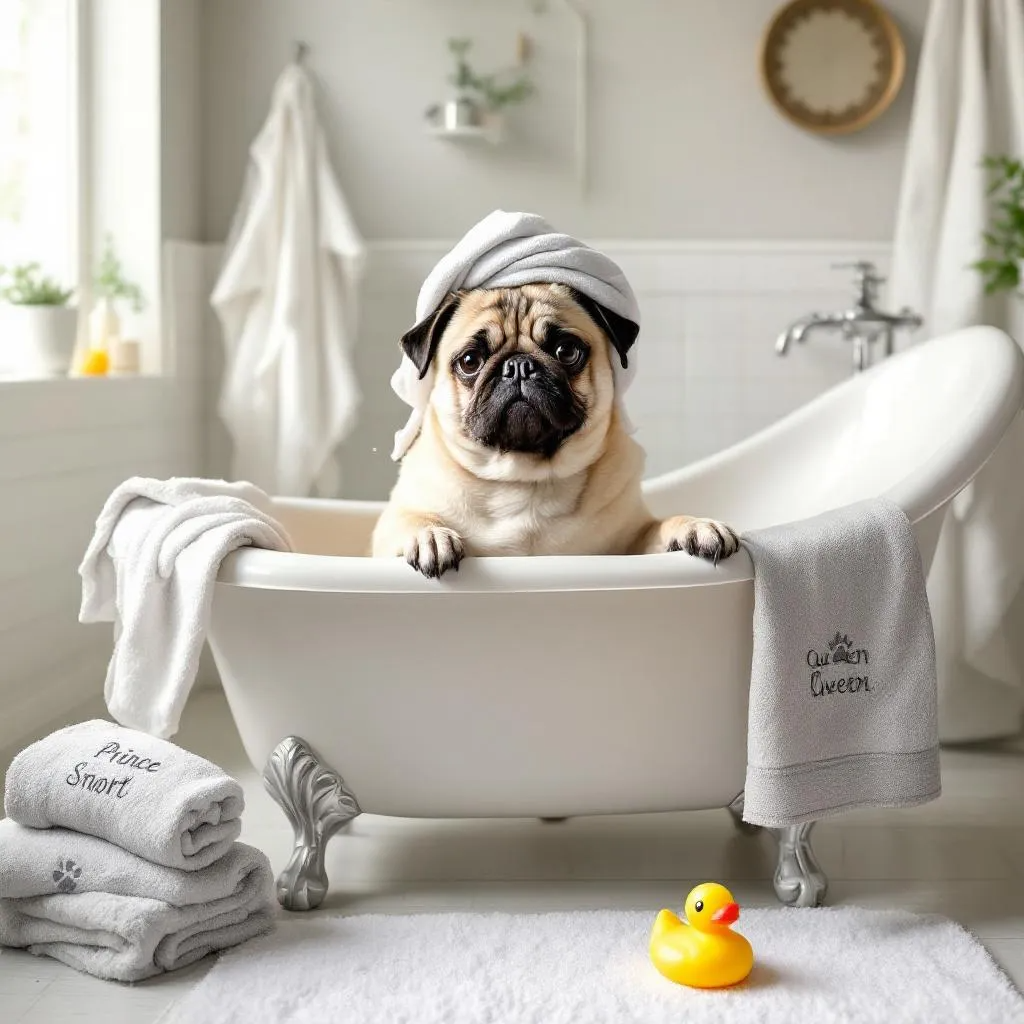
Pugs may be small in size, but their grooming needs are anything but tiny. In 9 essential pug grooming secrets for a healthier and happier pup, you will discover how a few mindful habits can make a world of difference for your wrinkly companion. From mastering the art of wrinkle cleaning to keeping their short coat shiny, trimming nails to the perfect length, and choosing the right tear-stain care, each tip is rooted in keeping your pug comfortable, clean, and full of life. Proper grooming is not just about appearance; it is about preventing health issues, boosting confidence, and strengthening that unshakable bond you share. By keeping these tips in mind, you will not only have a well-groomed pug but also a happier, healthier best friend who is prepared to walk through life with you.
Pugs are tiny dogs with big personalities, and taking care of them involves much more than just feeding them, taking them for walks, and giving them cuddles. A pug’s long-term health, emotional stability, and physical comfort are all greatly impacted by grooming. Compact bodies, short, dense coats, prominent eyes, and deep facial wrinkles are just a few of their distinguishing features that call for regular, meticulous care that goes well beyond infrequent maintenance. Making your pug appear flawless for pictures is not the goal of grooming. It has to do with connection, comfort, and prevention.
Many health problems in pugs start out quietly and take time to manifest. Skin irritation can conceal itself in creases. Mild redness or odor may be the initial sign of an infection. Long before pain becomes apparent, dental disease frequently starts with mild plaque accumulation. During hectic days, joint discomfort may manifest as mild stiffness that is easy to overlook. Frequent grooming fosters deliberate moments in which you are attentive, hands-on, and totally present. During these times, you have the opportunity to identify minor changes early on, when they are most manageable and cause your pet the least amount of stress.
Grooming has a significant emotional impact in addition to its physical advantages. When grooming is done carefully and regularly, it becomes a source of comfort rather than anxiety. These routines teach your pug that they are secure, dependable, and based on compassion. This strengthens your relationship and fosters trust over time. over time. Grooming sessions turn into intimate, quiet check-ins where your pet feels heard, understood, and supported.
One of the most underappreciated types of preventative care is thoughtful grooming. It increases your awareness, promotes your pug’s comfort, and reaffirms your position as their safe haven. Below are nine essential grooming secrets designed to help your pug Stay healthier, happier, and more comfortable at all stages of their lives, not just in appearance but also in how they feel each day.
One of the most distinctive and high-maintenance characteristics of a pug is its cute facial folds. Moisture, food particles, dirt, and bacteria can all be trapped by wrinkles. This environment can cause painful infections, redness, irritation, and yeast growth if it is not cleaned on a regular basis.
Clean the wrinkles on your pug’s face multiple times a week, or every day if they are prone to moisture accumulation. Use a pet-safe wipe, cotton pad, or gentle cloth. Never scrub too hard; instead, gently wipe inside each fold. Once clean, thoroughly dry the area. The goal of cleaning is defeated and the risk of infection is increased when wrinkles are left damp.
Care for wrinkles should be relaxed and slow. Speak softly and move slowly. Your pug will eventually learn to tolerate this as part of their daily routine, particularly if it is accompanied by praise or a small reward.
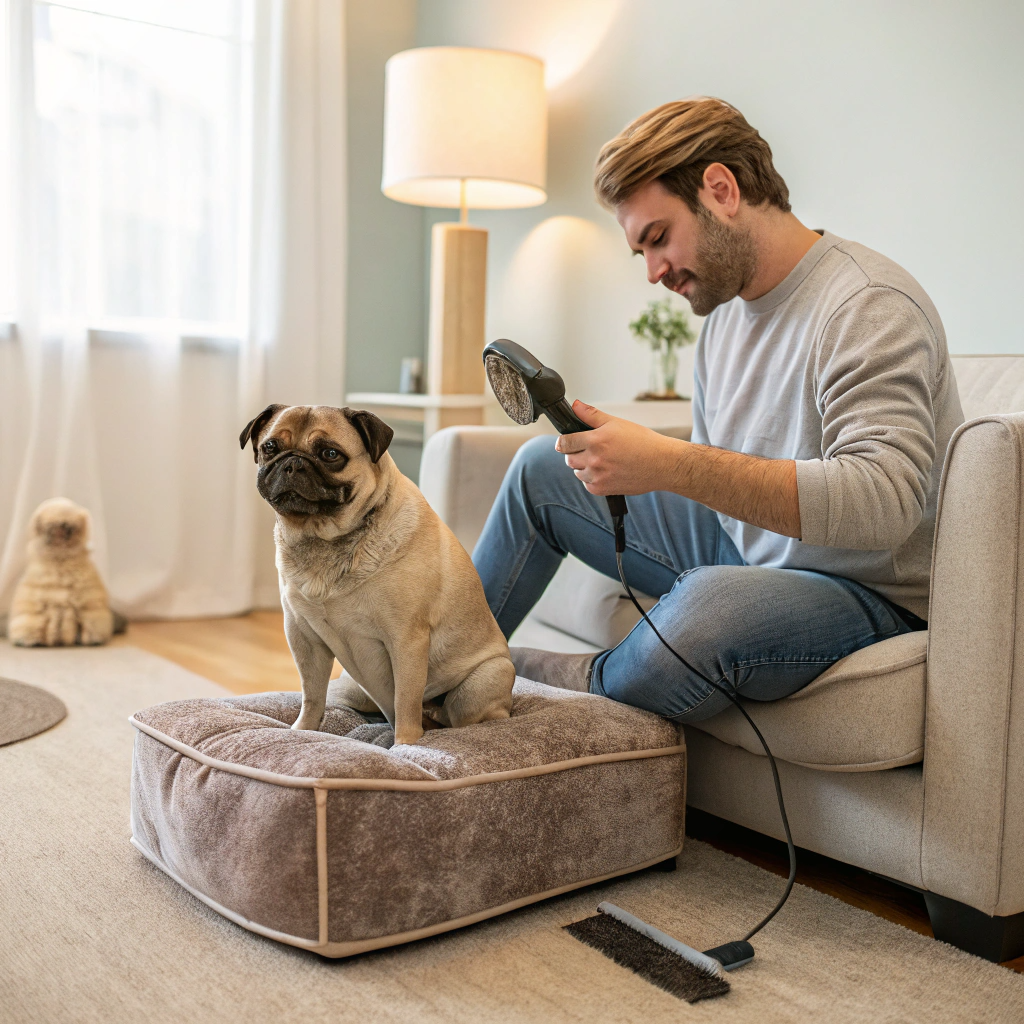
The amount of shedding that new pug owners experience is one of their biggest surprises. Although their short coat may appear low-maintenance, it sheds a lot during seasonal changes and throughout the year. Frequent brushing keeps skin healthy, minimizes hair buildup at home, and helps control shedding.
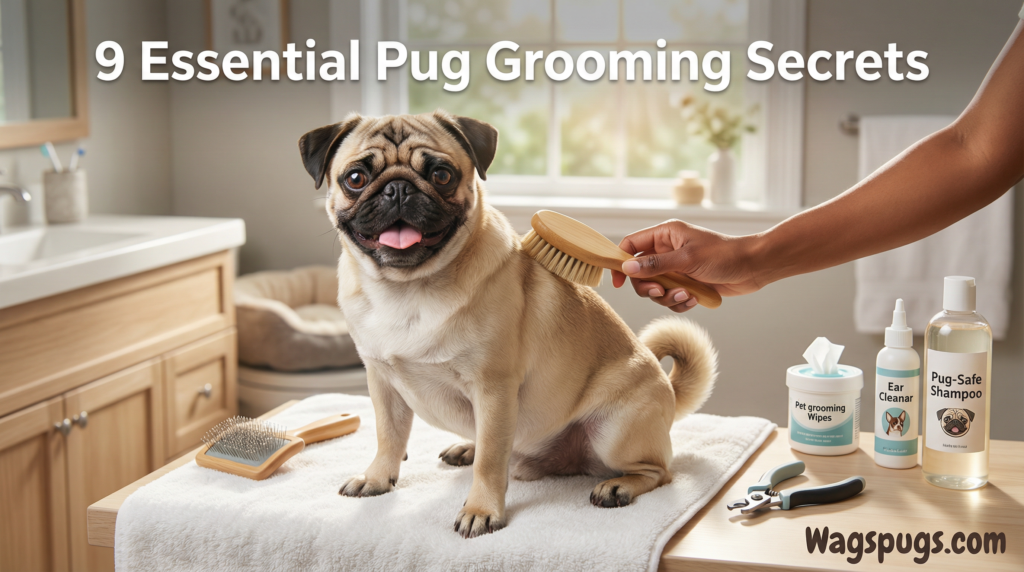
Brush your pug every day during periods of heavy shedding and at least twice or three times a week. Use a grooming mitt made specifically for short coats or a brush with soft bristles. Brushing improves circulation, disperses natural oils, and gets rid of loose hair.
Brushing is a chance to examine your pug’s body in addition to its coat. Take note of any lumps, bumps, scabs, or sensitive spots. One of the main advantages of regular grooming is early detection.
Frequent bathing can deplete your pug’s skin of its natural oils, causing dryness, irritation, and itching. Too little bathing can lead to buildup and odor. The majority of pugs benefit from bathing every three to four weeks, though this can vary based on skin sensitivity and lifestyle.
Always use a mild, dog-specific shampoo. Canine skin cannot handle the harshness of human shampoos. Rinse well because itching and redness are frequently caused by shampoo residue. Avoid getting water in your ears and treat your face gently.
Bath time should be peaceful and secure. Anxiety can be brought on by slick surfaces and hurried motions. Throughout the procedure, speak comfortingly and use a non-slip mat.
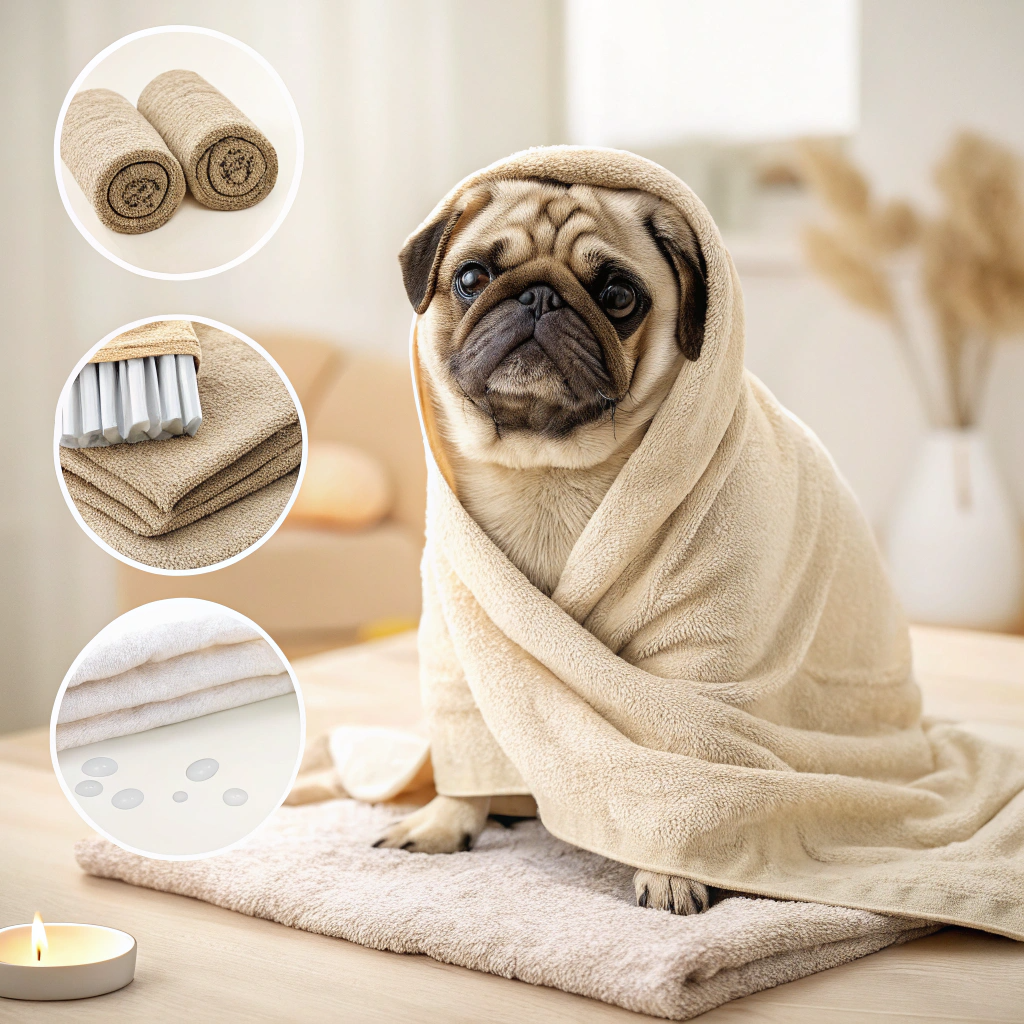
After a bath, drying your pug properly is just as crucial as the bath itself. Rapid irritation or infection can result from moisture trapped in wrinkles, under the neck, between toes, and in skin folds.
Instead of rubbing vigorously, use a soft towel and gently pat dry. The face, ears, armpits, groin area, and paws need particular attention. Because of their folds and small size, air drying is insufficient for pugs.
While some pugs can put up with a cool, low blow dryer, many find the noise to be upsetting. If you use one, never blow straight into your face and always keep it on low.
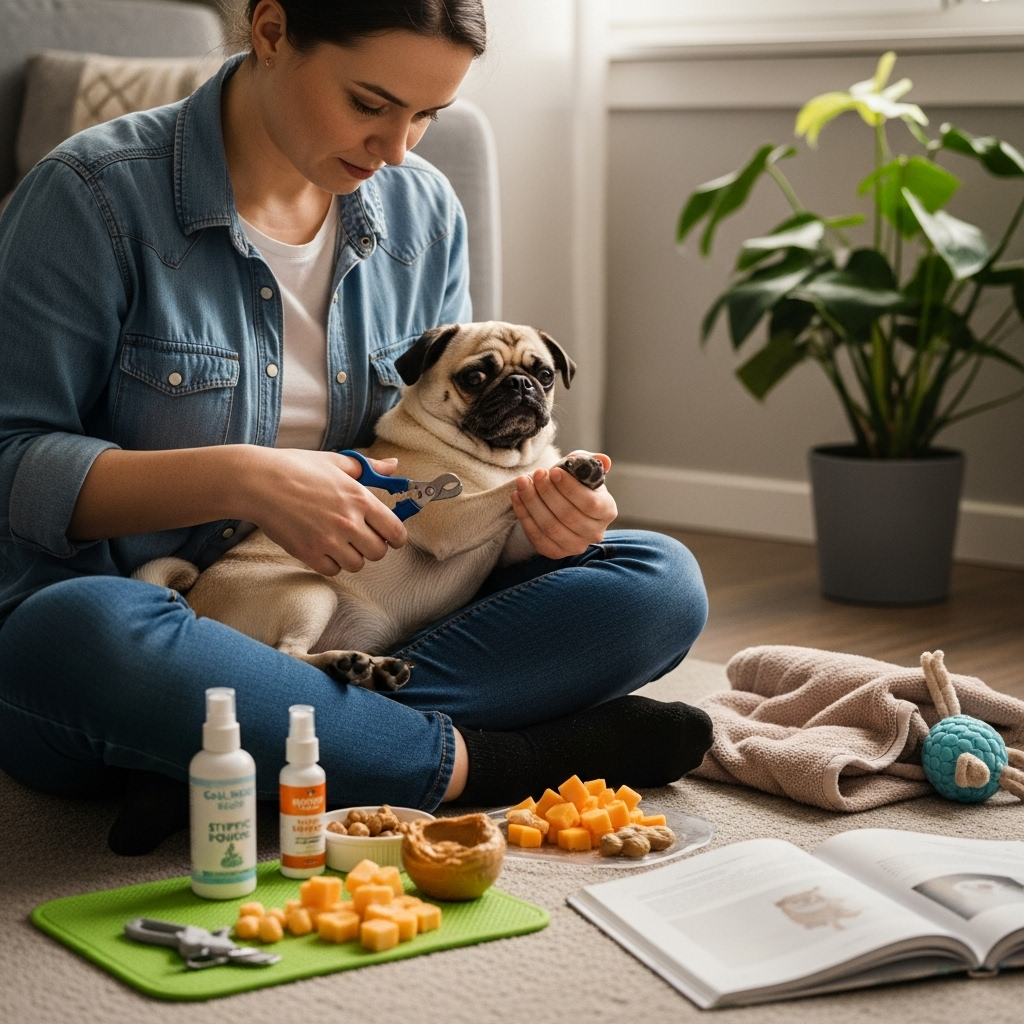
Overgrown nails are more than just an aesthetic problem. They may cause discomfort when walking, change your pug’s posture, and eventually lead to joint strain. Depending on growth and activity level, nails should be clipped every two to four weeks.
The nails are too long if you hear clicking on hard floors. Instead of waiting too long and cutting too much at once, trim small amounts often. This lessens the chance of hitting the quick and eases the anxiety.
Ask your veterinarian or groomer to demonstrate proper nail cutting technique if it seems intimidating. Your pug’s reaction is greatly influenced by confident and calm handling.
Wax and moisture can be trapped in pug ears, particularly in humid conditions or after baths. Every week, check your pug’s ears for excessive buildup, odor, or redness. Pale pink and reasonably clean ears are indicative of good health.
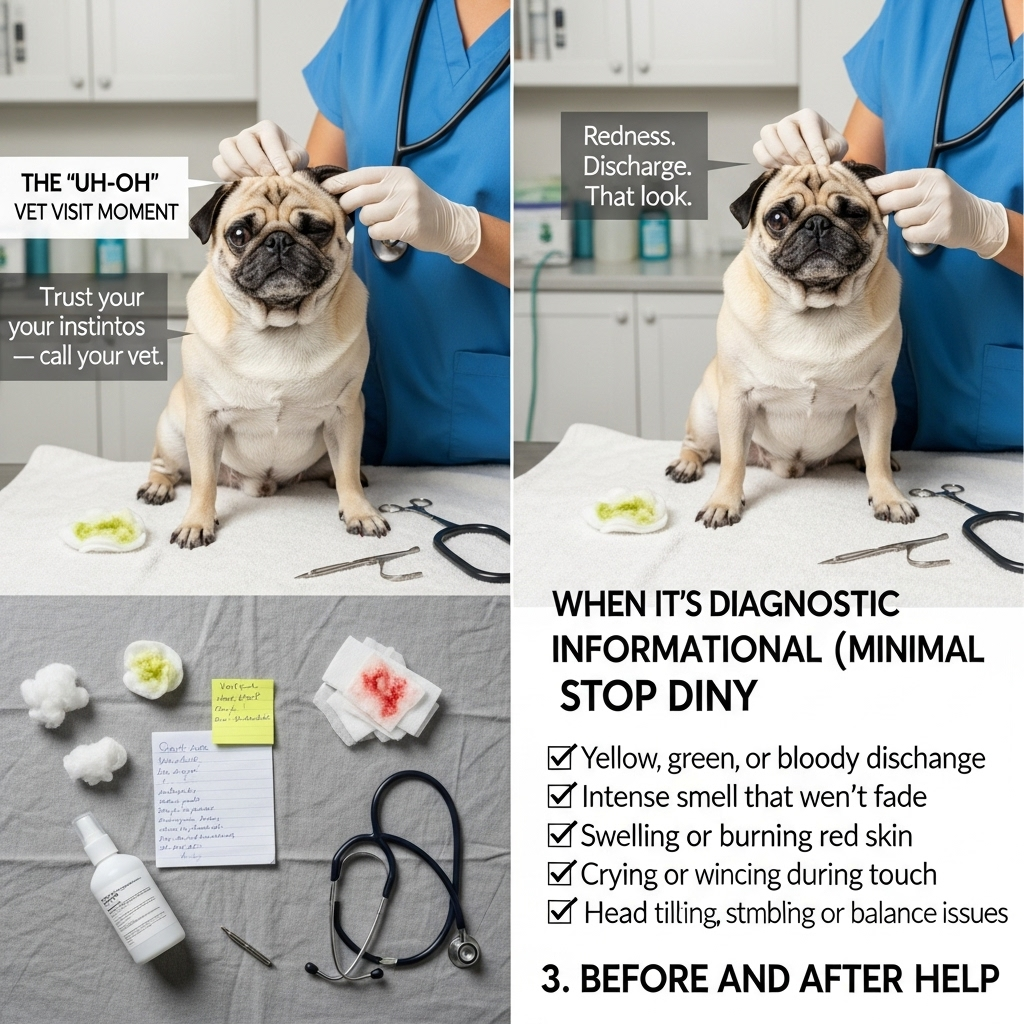
Wipe the outer ear gently with a cotton pad and an ear cleaner that has been approved by a veterinarian. Cotton swabs should never be inserted deeply into the ear canal as this could result in harm. See your veterinarian right away if you observe head shaking, discharge, or a persistent odor.
Frequent ear examinations aid in the early detection of infections, frequently before your pet exhibits noticeable discomfort.
Pugs are more susceptible to dust, debris, and injury because of their large, prominent eyes. You can detect changes more quickly and avoid irritation by taking care of your eyes on a daily basis.
Gently remove discharge using a fresh, moist cloth. To prevent the spread of bacteria, use a different cloth for each eye. Keep an eye out for symptoms like cloudiness, redness, squinting, or excessive tearing. A veterinarian should always assess these symptoms.
Daily observation is one of the most crucial grooming practices you can establish because eye problems in pugs can develop quickly.
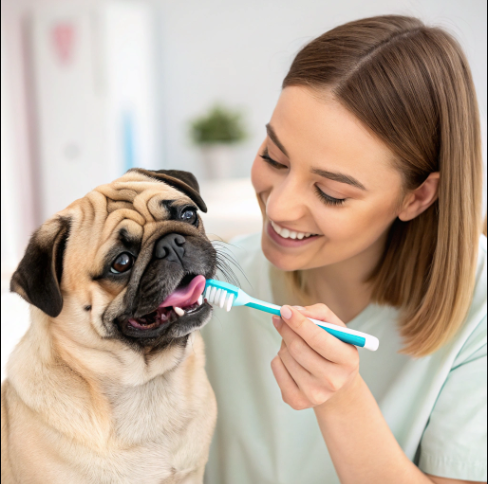
Dental health is vital to your pug’s overall health, despite the fact that it is often neglected. Gum disease, tooth loss, and plaque accumulation are particularly common in small breeds. Bad breath should not be disregarded because it is abnormal.
Use dog-safe toothpaste to brush your pug’s teeth multiple times a week. Make the experience enjoyable by starting out slowly. While dental chews and toys can aid in the reduction of plaque, brushing should always come first.
Infection, pain, and even problems with the heart or kidneys can result from poor dental health. One of the most effective grooming habits you can maintain is routine dental care.
Your pug has a keen sense of your feelings. They will resist if grooming seems hurried, stressful, or annoying. Grooming becomes a source of comfort rather than stress when it is calm, consistent, and gentle.
If necessary, divide grooming into smaller sessions. Praise often. Take breaks. Grooming eventually develops into a shared habit that builds trust. Because they associate these moments with closeness, safety, and attention, many pugs learn to appreciate them.
Doing everything flawlessly is not the goal of grooming. It’s about consistently being patient and considerate.
Maintaining your pug’s cleanliness and appearance is just one benefit of regular grooming. It is essential to their general comfort and well-being. Regular grooming helps maintain mobility by keeping nails at a comfortable length, promotes healthy skin by preventing buildup, and lowers the risk of painful infections in wrinkles and ears. It also enables you to identify possible health issues before they become serious. Long before it develops into a more serious issue, a minor lump, a patch of irritation, a change in the texture of the coat, or tenderness in a joint frequently show up during grooming.
Additionally, keeping yourself well-groomed enhances your ability to provide security and comfort. Your pug will relax more readily during grooming and in daily life once they understand that your hands are a source of comfort rather than stress. These deliberate, serene moments of care strengthen emotional stability and trust. Your pug learns that you are concerned about them, that you value their comfort, and that they are secure in your care.
You gain a better understanding of your pug’s body through routine grooming. You discover what is and is not normal. You pick up on minute changes in behavior, sensitivity, or weight that might otherwise go unnoticed. In a world that can occasionally feel overwhelming, these routines provide your pug with predictability and stability as they gradually establish emotional grounding. What begins as simple maintenance becomes a continuous dialogue that is developed through touch, care, and observation between you and your dog.
These seemingly insignificant acts of kindness have a significant impact. They influence not only physical health but also comfort, self-assurance, and overall quality of life. Over time, regular grooming turns into one of the most significant ways you can help your pug feel safe, healthy, and deeply loved.
To properly care for your pug, you don’t need to be an expert groomer, nor do you need expensive equipment or flawless technique. Consistency and intention are most important. Regular presence, even in minor ways, builds a solid foundation for your pug. Healthy teeth, clean wrinkles, well-groomed nails, brushed coats, and gentle, patient handling all contribute to long-term comfort, emotional stability, and good health. Your pug will be far better protected by these easy routines over time than by sporadic bursts of effort.
One of the purest ways to show love is through grooming. It is quiet and steady. “I see you as you are,” it says. I care about how you feel. I’m focusing on the important details. You discover your pug’s body, sensitivities, and preferences during these times. They come to trust your presence and your hands. Grooming starts to focus more on connection than upkeep.
The serenity that follows a grooming session is profoundly meaningful. Your pug settles in, content and at ease, curling up beside you. The way their body melts against yours, the heavy sighs, the gentle snorts. That is contentment. That is trust. You realize that every minute you spent taking care of them was worthwhile during those times.
Light grooming, such as quick coat checks and wrinkle cleaning, should be done several times a week. Baths are usually required every three to four weeks, but brushing should be done two to three times per week.
Yes. Wrinkles on the face can retain food particles, moisture, and bacteria, which can cause irritation or infection. For pug comfort and skin health, regular cleaning and thorough drying are crucial.
Bathing most pugs every three to four weeks is beneficial. While infrequent bathing can dry out their skin, frequent bathing can cause buildup and odor.
For short coats, a grooming mitt or soft bristle brush works best. These eliminate loose hair without causing irritation to delicate skin.
Typically, nails should be clipped every two to four weeks. They are too long if you hear clicks on the floor.
Pugs require daily examinations due to their prominent eyes. Wipe away discharge gently and keep an eye out for any redness, squinting, or excessive tearing that might need veterinary care.
Every week, examine your ears and gently clean them with a cotton pad and a vet-approved ear cleaner. Cotton swabs should never be inserted far into the ear canal.
Absolutely. Dental health affects overall health. Gum disease and tooth loss can be avoided by brushing your pug’s teeth multiple times a week.
Check for lumps, scabs, redness, swelling, strange smells, sensitivity, or changes in the texture of the skin or coat. These may signal early health issues.
Keep sessions short, calm, and positive. Use praise, gentle handling, and breaks. Consistency gradually lessens resistance and fosters trust.
Yes. Frequent grooming enhances mobility, lowers the risk of infection, promotes skin health, and enables early identification of possible health issues.
Not usually. The majority of pug grooming can be done at home with perseverance and consistency. If necessary, professional grooming can assist with deep cleaning or nail trimming.