❝A dog has one aim in life… to bestow his heart.” ― J. R. Ackerley❞
❝A dog has one aim in life… to bestow his heart.” ― J. R. Ackerley❞
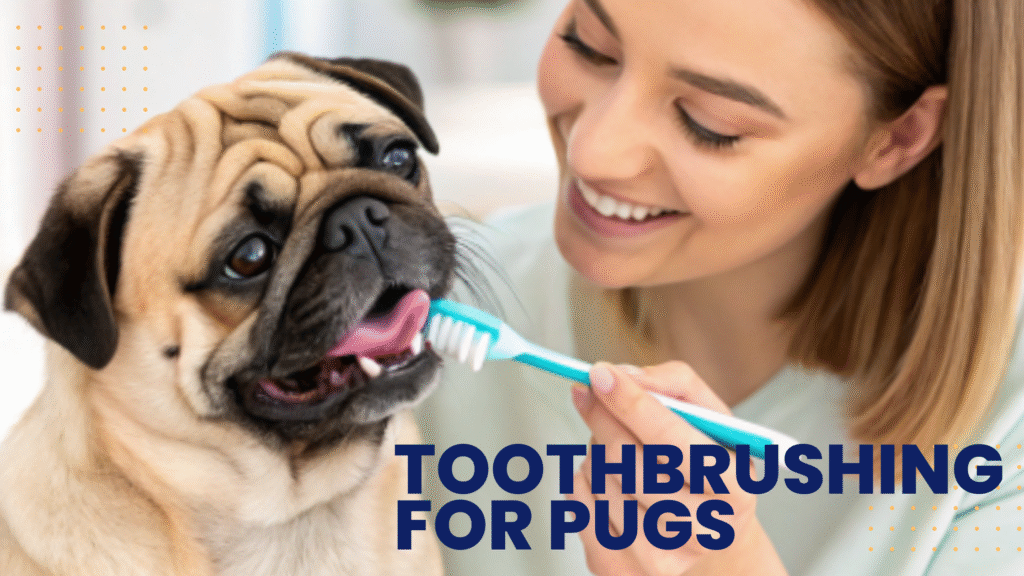
Toothbrushing for Pugs Who Hate It:
Because Love Sometimes Means Brushing Tiny Teeth Let’s be real for a second. You didn’t sign up for this kind of drama when you brought home that squishy-faced bundle of snorts. You thought the biggest struggle would be choosing between a taco costume and a lion mane for Halloween. But here you are, toothbrush in hand, trying to reason with a ten-inch-tall diva who acts like dental hygiene is a personal attack.
Not only does your pug detest brushing, but they behave as though you’re planning a full-scale rebellion. The moment they see that brush, they squint. They flinch. They plot their escape like a tiny canine Houdini. And yet… here you are, because you love them too much to let their breath smell like hot garbage and their teeth rot out.
So let’s talk. It’s not just about brushing your pug’s teeth; it’s also about surviving it, finding humor in it, and using it to fortify your relationship.
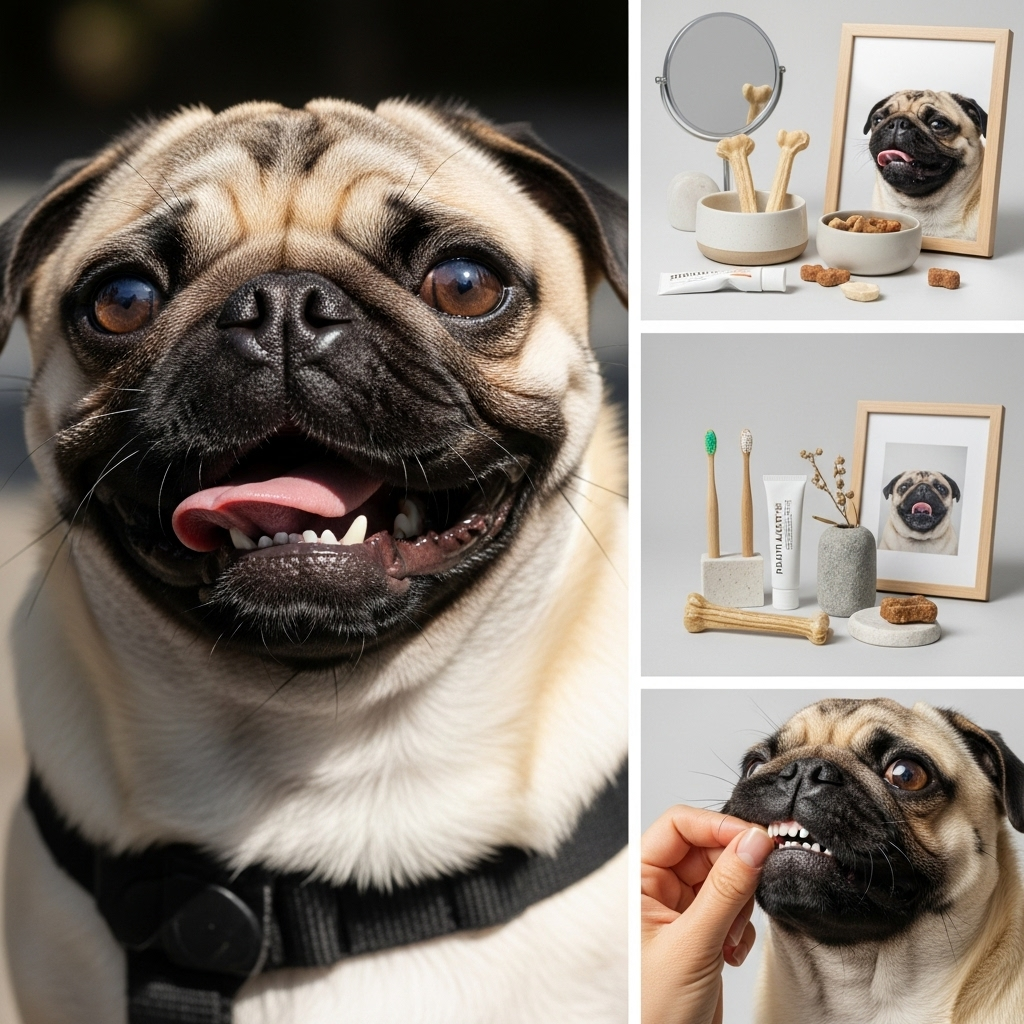
Dental care for pugs: Pugs are the definition of extra. Their eyes bulge. Their tongues flop. Their legs do a weird frog-sprawl thing. And those smooshy little faces? Cute, but a dental ticking time bomb as well.
See, pugs are brachycephalic, which is a fancy word for “flat-faced and fabulous.” But that adorable face? It comes with a crowded mouth. Their teeth are jam-packed in like commuters on a Monday train. Which means food, plaque, and bacteria throw a nonstop party in there.
If you skip the brushing, here’s what could be lurking:
Gum disease (spoiler: it hurts)
Nasty infections
Tooth loss
Bad breath that could peel paint
Bacteria slipping into their bloodstream and causing heart, liver, or kidney damage
Brushing your pug’s teeth toothbrushing for pugs who hate it may be one of the most affectionate things you will ever do for them. Don’t put any pressure on them. Pug dental hygiene is must.
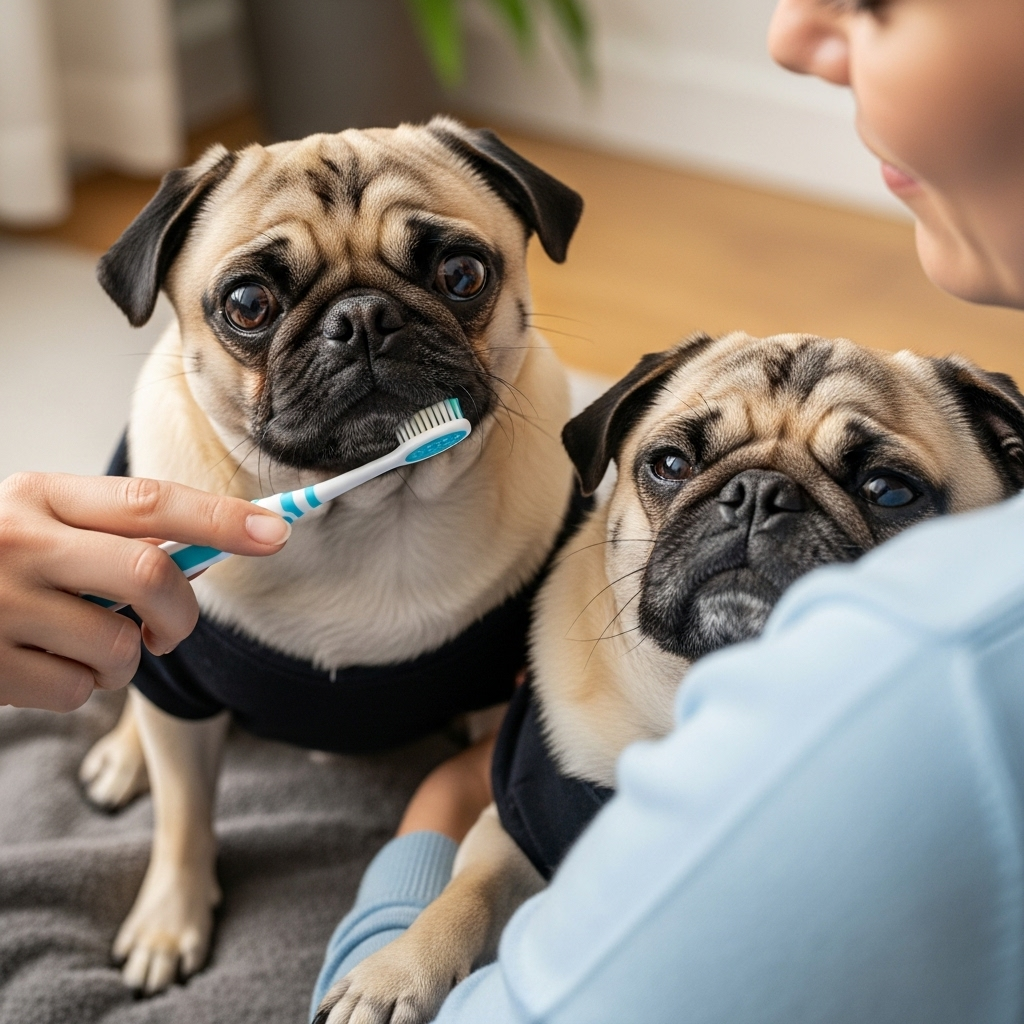
Let’s be honest: Toothbrushing for pugs who hate it for Pugs Who Hate It is weird.
Imagine someone coming at your face with a plastic stick covered in minty goo and just… going to town. You’d panic too. For your pug, this whole routine feels like an invasion. They don’t understand what’s happening. They just know something is touching their face, and it feels odd.
In addition to being highly expressive, pugs are skilled at playing guilt trips. The eyes. The sighs. The whole “how could you betray me like this?” vibe. But trust me, they’ll get used to it, and some will even learn to tolerate (or dare I say enjoy?) the ritual.
Brushing dog teeth at home, Before we brush, we observe. Because if your pug’s mouth is already a battlefield, brushing might do more harm than good.
Look for:
Swollen or bleeding gums
Loose teeth
Intense drool
Reluctance to eat
Paws swiping at their mouth
Breath so bad it makes you backpedal
If you see any of these, hit pause and talk to your vet first. They might need a professional dental cleaning to clear the battlefield.
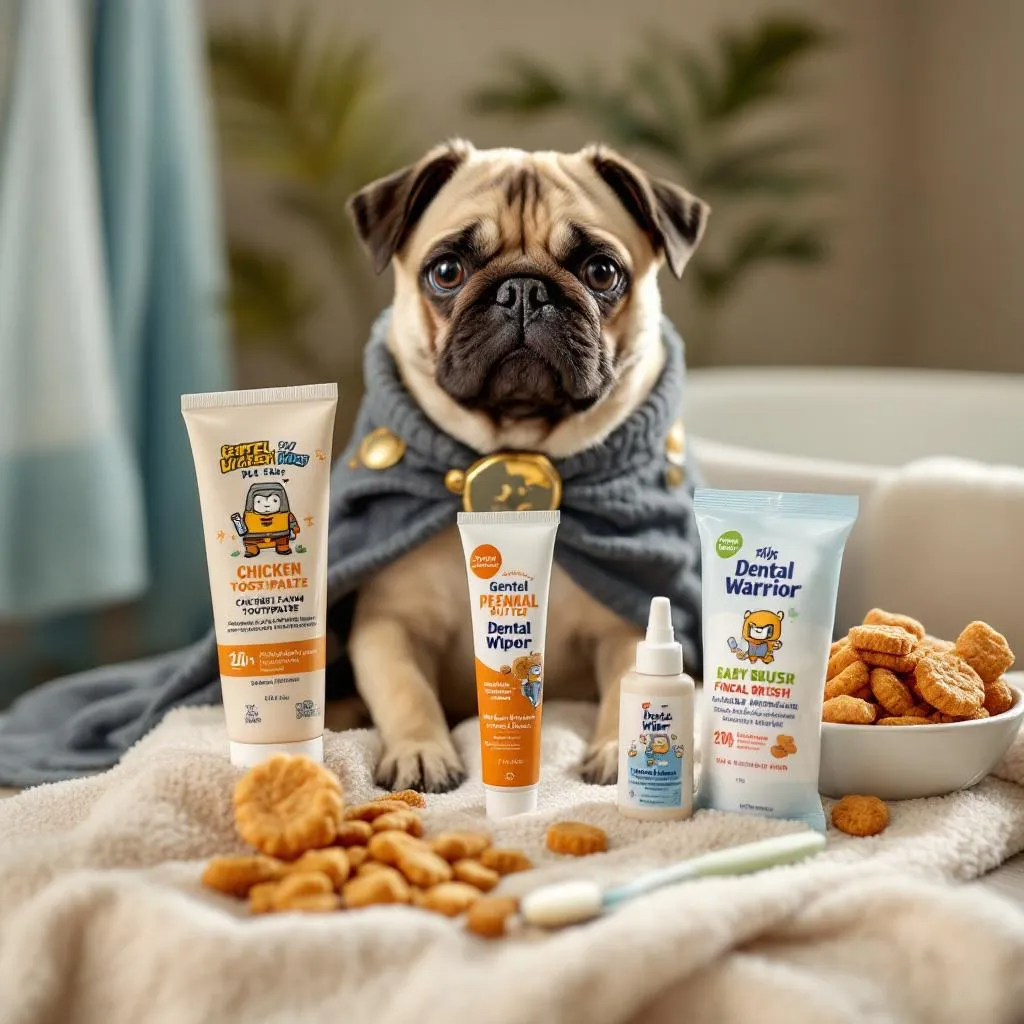
If you’re going to win the dental war, you need the right tools. Spoiler: Your old human toothbrush and a tube of Colgate won’t cut it.
toothpaste that is safe for dogs Never use human toothpaste. Go for flavors like chicken, beef, peanut butter, or vanilla mint. Pick something they’ll drool over.
Certain pugs have a preference for either a finger brush or a baby-soft dog toothbrush. Test and see what your gremlin tolerates.
Bribery is love. High-reward treats. You’ll need them. A lot of them.
Dental wipes, if you want to Not a long-term fix, but handy for in-between days or for easing into the routine.
The goal here isn’t perfection. It’s consistency. You’re building a habit, not preparing for a vet school final.
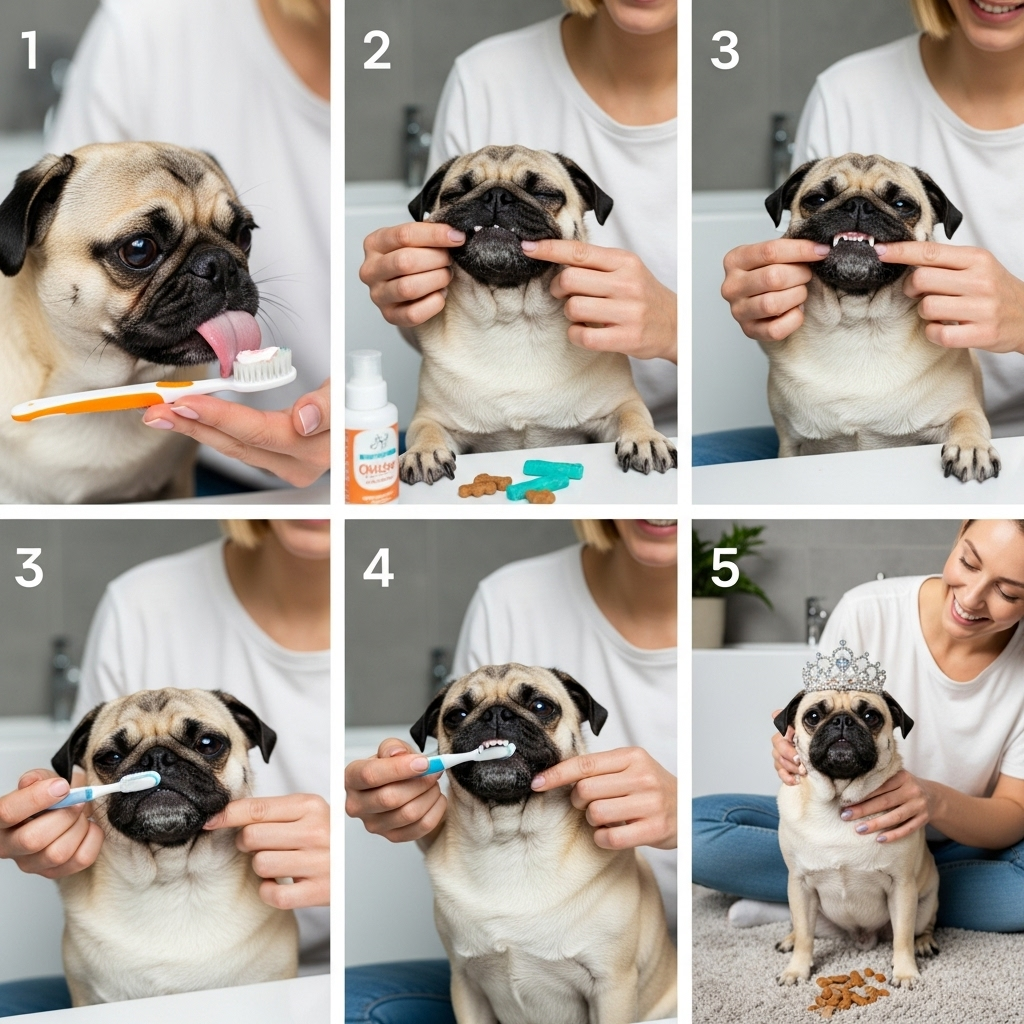
You can gradually teach your pug to use a toothbrush without making your bathroom a WWE ring by following this guide.
Start slow. Let your pug sniff the brush. Let them lick the toothpaste. It is only an introduction, so don’t brush up just yet. Think of it like the first episode of a long-running love story.
Gently lift their lips. Stroke their gums with your finger. Reward with praise and treats. Get them comfy with your hands near their mouth before anything else.
Put a bit of toothpaste on your finger and rub it gently on their teeth. Two to five seconds max. Then reward them like they just performed at Carnegie Hall.
Each day, increase brushing time by a few seconds. Use a soft-bristled brush once they’re used to the sensation. There’s no need to pry open their entire mouth; just concentrate on the gum line and the outside of their teeth.
Tell them they’re amazing. Use your high-pitched “good job! voice.” Toss treats like you’re making it rain. You’re developing trust in addition to training.
Every day would be ideal. But let’s be honest: life happens. You’re doing well if you brush three or four times a week. Sticking with it, despite the mess, is crucial. Even when they act like you’re ruining their whole vibe.
Make it part of your evening routine. Cozy up after dinner, play some chill music, brush those teeth, and cuddle like nothing happened.
No matter how on top of your game you are, your pug might still need a professional cleaning once or twice a year. That’s normal.
Call your vet if:
Your pug’s mouth looks angry.
You see pus, swelling, or loose teeth.
They refuse to eat or act like chewing hurts.
Brushing isn’t doing anything for the smell.
Toothbrushing for pugs who hate it. Vets can do a full clean under anesthesia and catch problems you can’t see. Consider it a dental reset button, and don’t skip it.
Use a lick mat with peanut butter as a distraction.
Warm up the bristles with water for a softer feel.
Brush after exercise when they’re too tired to fight you.
End on a positive note by giving them a belly rub, a treat, or their favorite toy.
Toothbrushing for Pugs Who Hate It. They take advantage of your energy, so relax.
Reason | Explanation |
Crowded teeth | Pugs have small jaws, so food gets trapped easily. |
High plaque buildup | Their mouth shape makes plaque build up faster. |
Prevents gum disease | Brushing reduces inflammation and infection risks. |
Better breath | Regular cleaning keeps the mouth fresh. |
Avoids costly dental work | Less tartar means fewer vet cleanings. |
Item | Details |
Toothbrush | Small, soft brush or finger brush. |
Toothpaste | Dog-safe toothpaste only. |
Towels or wipes | Helps clean extra foam or saliva. |
Treats | Used as rewards after brushing. |
Step | Action |
1 | Let your pug taste the toothpaste. |
2 | Gently touch lips and teeth with the brush. |
3 | Start brushing the outer surfaces of teeth. |
4 | Use small circular motions along the gum line. |
5 | Praise often and keep the session calm. |
6 | Reward your pug afterward. |
Frequency Option | Recommendation |
Ideal | Daily brushing. |
Good | 3 to 4 times per week. |
Minimum | Once a week is better than nothing but not enough for long-term protection. |
Sign | Meaning |
Bad breath | Possible early gum disease. |
Yellow or brown buildup | Tartar formation. |
Bleeding gums | Inflammation or infection. |
Difficulty eating | Pain or damaged teeth. |
Excess drooling | Oral discomfort. |
Tip | Why It Helps |
Keep sessions short | Helps a nervous pug stay relaxed. |
Brush at the same time daily | Builds a routine. |
Use treats and praise | Creates a positive association. |
Start brushing at puppy age | Makes the habit easier to maintain in the long run. |

Pugs are experts at hiding pain. Even when their teeth hurt subtly, they will snort, smile, wag, and curl up next to you as if nothing were wrong. They will not cry out. They will not complain. They will simply carry on, trusting you, despite the discomfort they are unable to articulate.
And that is where you come in.
You see what they are unable to express. When the world seems too big for their little, obstinate bodies, you get to intervene. You have the opportunity to defend them in ways they are unaware they require. They don’t brush their teeth for aesthetics or polish. It is about preventing silent pain. Before they ever have to endure suffering, it is important to choose their comfort.
You are returning something to a dog that gives you everything without question when you gently brush those teeth. Their body was warm against yours. The gentle snores that help you get through a difficult day. the unwavering devotion, regardless of how chaotic or difficult life becomes. This is how you express your gratitude to them in a language they may not comprehend but will undoubtedly feel.
This is much more than just cleanliness. This is steady love. the modest variety. the devoted type. The type that appears despite being uncomfortable, awkward, or inconvenient. The kind that says, “I’ll do the things you can’t do for yourself because I care about you.”
Real love is not always poetic. Sometimes it’s as simple as putting your finger in your pug’s mouth once a week along with a toothbrush and patience. And that, quietly and completely, is heroic work.
Brushing your pug’s teeth is not glamorous. It is awkward. It is uncomfortable. It can be messy. There are times when toothpaste ends up everywhere but where you intended, and there are times when you silently question whether you are doing it correctly. But you are not failing. Even on the days when it feels awkward, what matters most is that you are trying and showing up.
You are doing something worthwhile each and every time you brush, even if it is just for a short while. You are building trust. You are protecting their health. You are providing them with more comfortable days, fewer aches, more cuddles, and more kisses that don’t make you wince. Your pug feels the effects of those little efforts, which you may never fully realize.
You are more than just a pet owner crossing something off a list. You are a guardian. A best friend. A steady presence. A full-time tooth fairy equipped with love, tolerance, and perhaps a fair share of peanut butter. That matters. Deeply.
For pets who detest brushing their teeth, perfection is not the goal. It has to do with perseverance, empathy, and the courage to keep trying even when it doesn’t look good. And your pug is extremely fortunate to have someone who cares enough to take on the difficult, unglamorous tasks for their well-being, despite their stubborn snorts.
Have you had a brushing success story that seemed like a tiny miracle, or a favorite toothpaste flavor that your dog unexpectedly tolerates? Share the knowledge by leaving a comment below. Let’s share advice, support, and a little camaraderie like the seasoned pug elders that we are.
Stay clean. Stay snorty. And never undervalue peanut butter’s ability to inspire. Until then, check out Ear Cleaning Tips for Pugs and continue to support your dog in all the ways that are most important.
Ideally, brush your pug’s teeth daily. If that isn’t feasible, try to minimize plaque accumulation at least three or four times a week.
Indeed. Pugs’ small mouths and crowded teeth make them vulnerable to dental disease. Bad breath, gum disease, and tooth loss can all be avoided by brushing.
Always use dog-specific toothpaste. Ingredients in human toothpaste are dangerous for dogs to swallow.
No, a lot of natural products, including baking soda, can irritate a dog’s mouth or stomach. Stick to vet-approved options.
A pug’s small mouth is best served by small dog toothbrushes, finger brushes, or soft silicone brushes.
Start slowly. Allow them to lick the toothpaste before introducing brushing in brief bursts. Patience and consistency are more important than speed.
It only takes a minute or two. Instead of attempting to clean every tooth flawlessly, concentrate on brushing gently.
Yes, but be especially mindful of the external surfaces since this is where plaque builds up the most. Saliva naturally cleans inner surfaces.
Well, no. Although they can lessen plaque, dental chews cannot take the place of brushing. Consider them an addition rather than a remedy.
No. Persistent bad breath is often a sign of dental disease, so it should not be ignored.
as soon as feasible. Puppies adjust quickly, and early habits greatly simplify dental care in later life.
Brushing should not cause pain when done gently. If your pug shows pain or bleeding, stop and consult your vet.
Bad breath, swollen or red gums, difficulty eating, drooling, or pawing at the mouth are some symptoms.
Indeed. Although it’s best to brush after meals, any regular time of day will do as long as it becomes a habit.
Make an appointment for a veterinary dental examination if you observe heavy tartar, bleeding gums, loose teeth, or persistent bad breath.