❝A dog has one aim in life… to bestow his heart.” ― J. R. Ackerley❞
❝A dog has one aim in life… to bestow his heart.” ― J. R. Ackerley❞
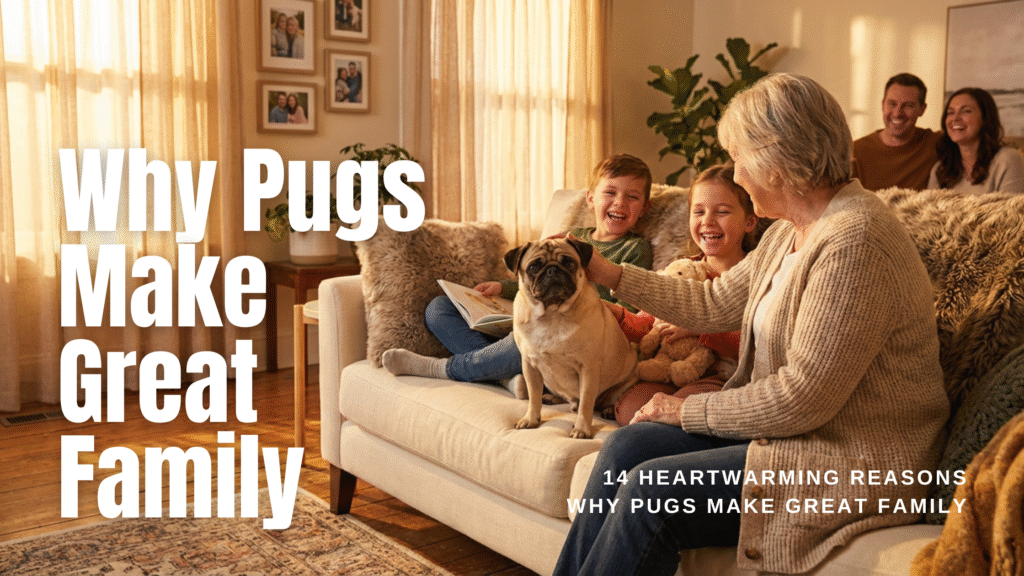
Why pugs are reliable family pets: Bringing a pug into your home is more than just getting a pet; it’s an invitation to unending love, fun times, and a devoted friend who will improve your daily life in ways you never would have thought possible. In this detailed guide, we will explore fourteen heartwarming reasons why pugs are exceptional family pets. From their affectionate nature to their playful energy, gentle temperament, and unwavering loyalty, every aspect of a pug’s personality makes them an ideal addition to any household. For families thinking about getting a pug, this post is a comprehensive resource that offers information on their care, behavior, and special contributions to family life. Pugs are among the most beloved dog breeds worldwide, known for their charming personalities and affectionate nature. Families often choose pugs because they provide companionship, laughter, and emotional support, all wrapped in a small, lovable package. Their unique combination of friendliness, intelligence, and adaptability makes them perfect for households of any size. This blog post dives into 14 heartwarming reasons why pugs make fantastic family pets, offering in-depth insights for anyone considering adding a pug to their family. Each reason includes practical examples and tips to make life with a pug easier, happier, and more fulfilling.
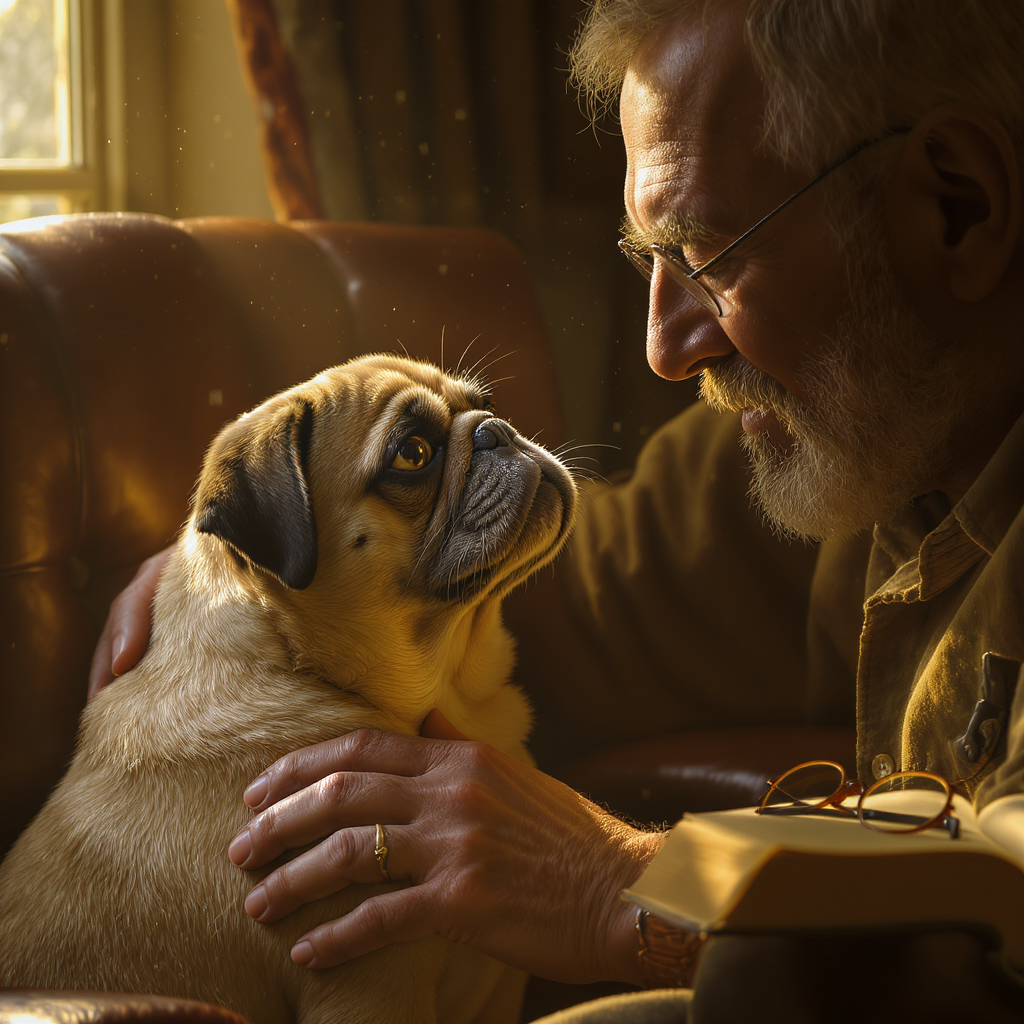
One of the most remarkable qualities of pugs is their affectionate nature, which brings a constant sense of warmth and happiness into any household. From the moment a pug enters a family’s life, it quickly forms strong emotional bonds with each family member, offering comfort, companionship, and unconditional love. They are very charming due to their expressive eyes and soft, cuddly disposition, and they frequently seek out close physical contact, gentle pats, and cuddles. This natural desire for affection allows families to experience a daily dose of joy, reducing stress and fostering a positive, nurturing environment.
Pugs are known to adapt their affection to the needs of their humans, whether it’s a playful nuzzle with children, a comforting presence next to an adult reading, or gentle companionship with the elderly. Their emotional intelligence enables them to sense moods and respond appropriately, offering extra closeness when someone is feeling low or simply sharing in the excitement of pleasant moments. This ability to provide emotional support creates a unique bond between pug and family that goes far beyond ordinary pet companionship, often becoming a source of comfort, happiness, and stability in daily life.
In addition to their emotional warmth, pugs actively contribute to the social fabric of a household. Their friendly demeanor encourages interaction among family members, promoting bonding, conversation, and shared experiences. When children see the joy that a pug brings, they are more likely to engage in playful activities, learn empathy, and develop nurturing instincts. Meanwhile, adults benefit from the gentle, stress-relieving presence of a pug, which can improve overall mental health and well-being. The affectionate nature of pugs is not only heartwarming but also transformative, turning an ordinary house into a home filled with laughter, love, and an enduring sense of togetherness. For families seeking a pet that radiates warmth, loyalty, and emotional connection, a pug is an ideal choice that enriches life in countless small, joyful ways.
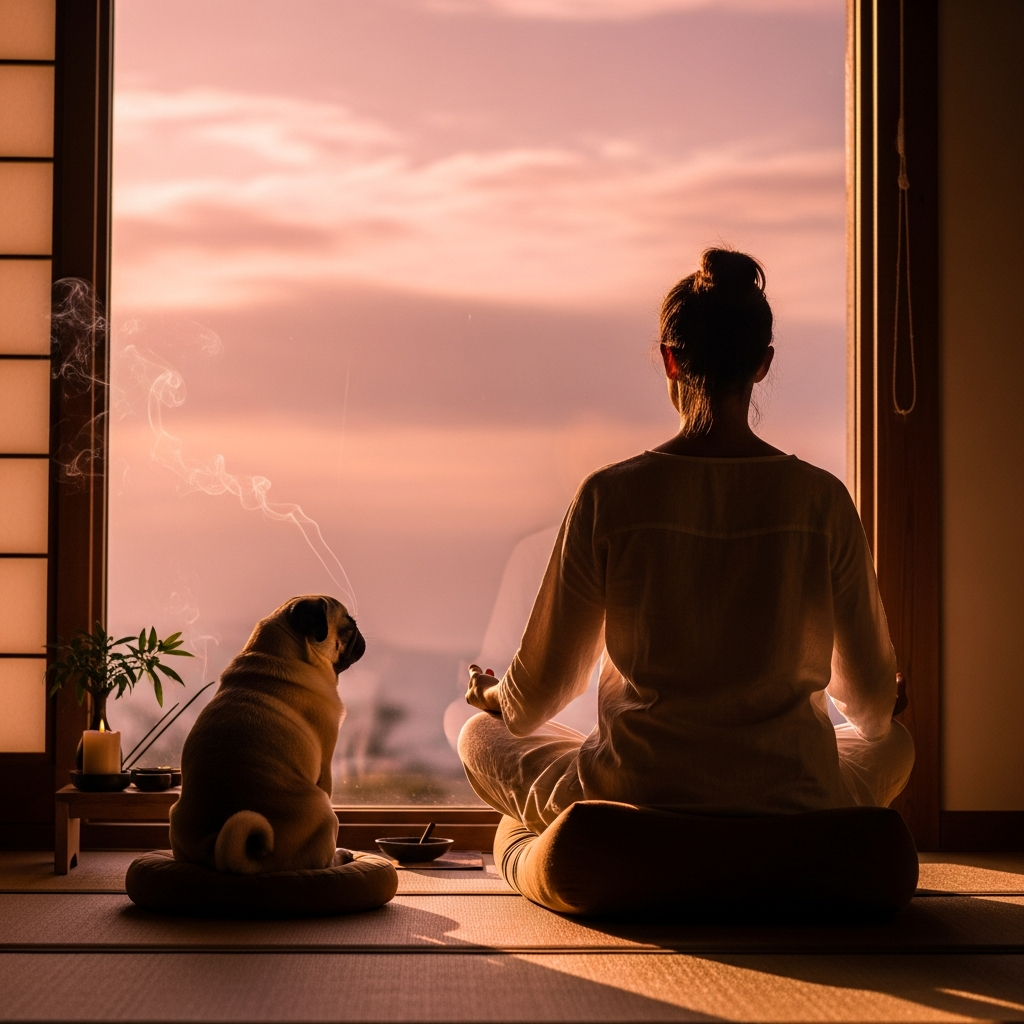
Pugs are known for their exceptionally gentle and loving temperament, which makes them ideal companions in a family environment. Their calm demeanor allows them to integrate seamlessly into households with children, elderly family members, and other pets. Unlike some breeds that may display nervousness or aggression in new situations, pugs approach interactions with a steady and reassuring presence, creating a sense of security and balance within the home. Their calm nature reduces tension, promotes relaxation, and encourages peaceful coexistence, making everyday life smoother and more enjoyable for everyone.
This gentle temperament is particularly valuable in homes with young children. Pugs naturally understand boundaries and respond positively to the energy of their human companions. They can tolerate gentle handling, participate in play, and adapt to a child’s curiosity without becoming overwhelmed. Their ability to remain composed during moments of excitement or minor chaos fosters harmony and helps children learn patience, empathy, and respect for living beings. Over time, this procedure creates a nurturing environment where both the pug and the family members thrive emotionally and socially.
Moreover, a pug’s calm personality extends beyond just interactions with humans. These dogs are generally accepting of other pets, including cats, rabbits, and even smaller dogs, reducing conflicts and fostering peaceful multi-pet households. Their mellow energy also makes them excellent companions for adults who work from home or seek a tranquil environment, as pugs provide a quiet, comforting presence while maintaining gentle engagement when attention is desired. This balance of serenity and affection ensures that every family member, regardless of age, feels supported and connected, strengthening family bonds and contributing to a happy and harmonious home life. The pug’s naturally calm disposition makes them a truly remarkable pet choice for families seeking emotional stability, consistent companionship, and daily joy.
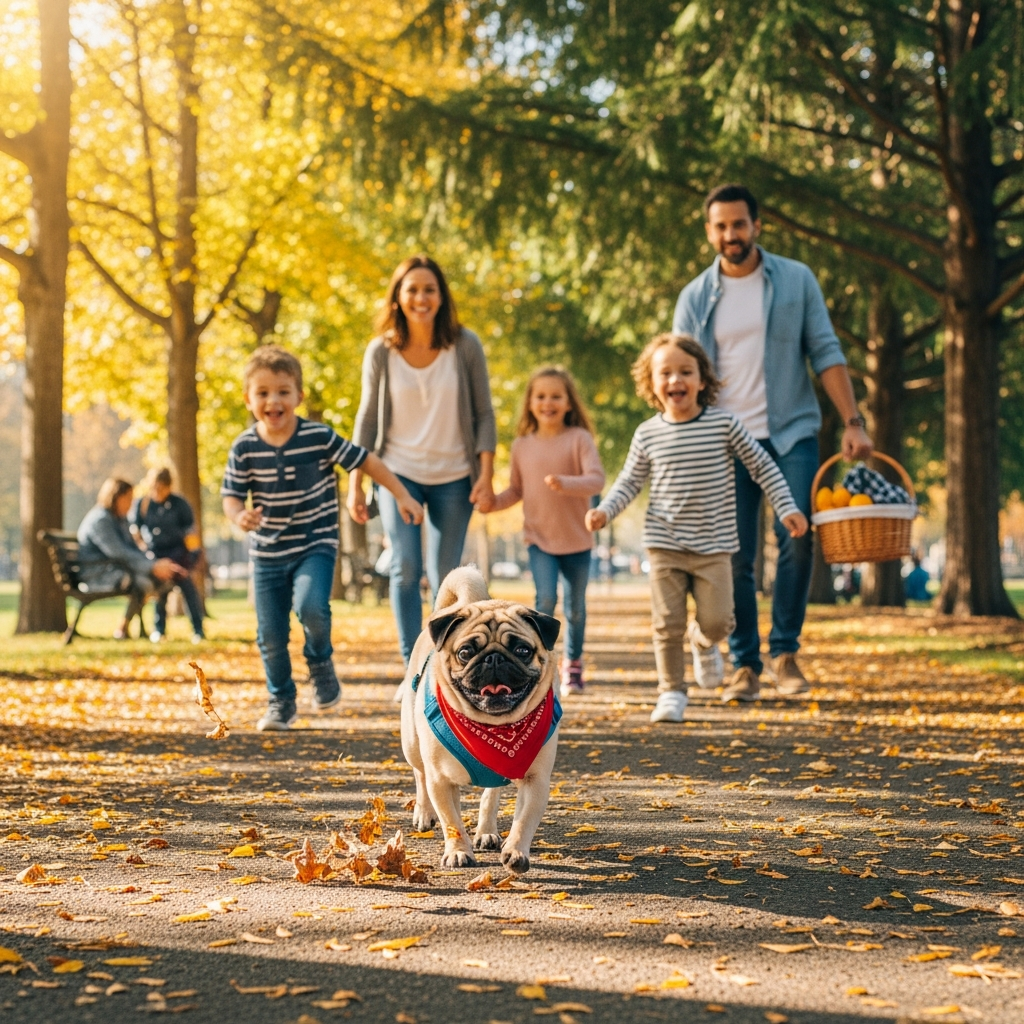
Pugs are naturally energetic and playful, making them outstanding companions for families who enjoy staying active. Their lively personality encourages children and adults alike to participate in games and physical activities, fostering both fun and fitness. A pug’s playful energy is expressed through short bursts of excitement, gentle running, and interactive play, which can include fetch, tug-of-war, or even simple indoor games. In addition to keeping the pug physically fit, these activities foster family unity, promote laughter, and lessen daily stress. The joyful nature of pugs transforms ordinary moments into exciting family experiences, creating a warm and joyous home environment.
Unlike some high-energy breeds that require hours of rigorous exercise, pugs thrive with short, frequent bursts of activity. They enjoy moderate physical activity that stimulates their minds and bodies without overexertion. Because their play sessions can be modified to accommodate brief breaks during the day or weekend activities, they are perfect for families with different schedules. In addition to keeping pugs amused and mentally sharp, games like puzzle toys, treat scavenger hunts, or leisurely running around the yard give kids the chance to develop patience and responsibility while interacting with their animal friend. These small daily interactions develop trust, mutual respect, and a stronger bond between pets and family members.
In addition, a pug’s playful energy is contagious. Their enthusiasm often motivates even the most sedentary family members to join in, creating shared experiences that enhance family cohesion. Watching a pug’s joyful antics, from rolling on the floor to chasing toys with determination, naturally brings laughter and positivity into the household. For children, having a pug as a playful companion teaches empathy, cooperation, and teamwork, as they learn to recognize the dog’s signals and engage safely. For adults, a pug’s presence encourages light exercise, mindfulness, and moments of relaxation interspersed with playful activity, promoting overall well-being. The playful nature of pugs ensures that families remain connected, active, and joyful every day, making them a truly ideal pet choice for a vibrant household.
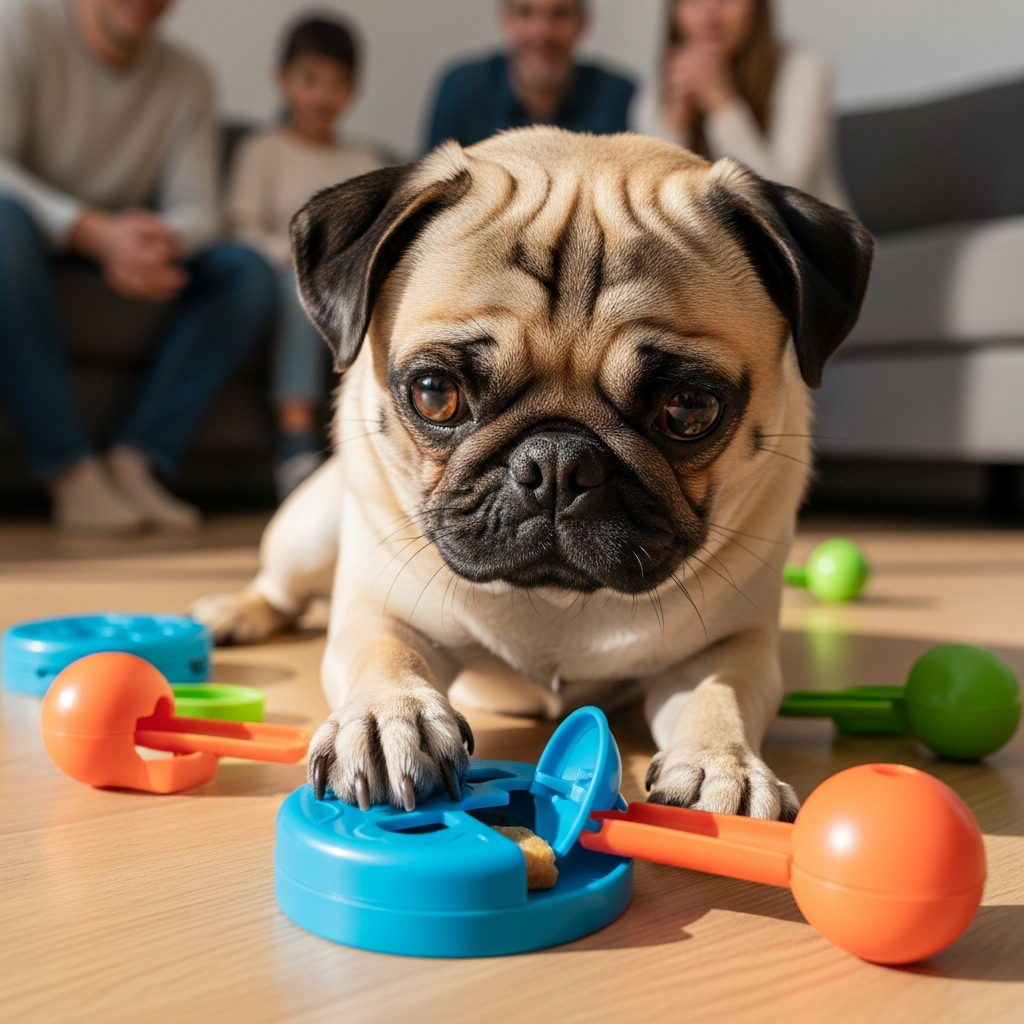
Pugs are highly intelligent dogs, and their quick learning ability makes them one of the most trainable and engaging companion pets for families. Their natural curiosity and attentiveness allow them to pick up new commands, routines, and social cues faster than many other small breeds. This intelligence creates a foundation for positive relationships between the pug and every member of the household, fostering trust, cooperation, and mutual respect. Pugs respond enthusiastically to training when it is done patiently and with encouragement, strengthening the bond and making daily interactions easier and more pleasurable.
Pugs’ social awareness and problem-solving abilities both demonstrate their intelligence. They are capable of understanding routines, anticipating family members’ actions, and adapting their behavior accordingly. For instance, a pug can learn when it is time to eat, go for a walk, or settle down for rest, which minimizes frustration for the owner and enhances harmony within the household. Additionally, their cleverness allows them to enjoy interactive games, puzzle toys, and basic agility exercises, which stimulate their minds and prevent boredom-related behaviors like chewing or excessive barking. Engaging a pug’s brain is just as important as exercising their body, and their quick learning makes it easy for families to integrate mental stimulation into daily routines.
Pugs are also sensitive to human emotions, which further amplifies the benefits of their intelligence. They can sense when a family member is upset, anxious, or joyful and respond with comforting or playful behavior. This awareness promotes positive interactions and helps children and adults alike feel supported and loved. Families often notice that pugs can learn household etiquette rapidly, including greeting guests politely, waiting patiently for treats, and respecting personal spaces. Such behaviors are a testament to their cognitive capabilities and eagerness to connect positively with the people around them.
Furthermore, their intelligence supports consistent training outcomes. Pugs thrive in environments that reward good behavior with praise, affection, and treats. Positive reinforcement methods work exceptionally well, allowing owners to guide their pug through desired behaviors without stress or fear. The result is a dog that is not only obedient but also confident, pleased, and socially aware. Quick learners like pugs often excel at learning multiple commands, tricks, and even simple household routines, making them an enriching companion for families who value interaction, engagement, and growth together.
Finally, the intelligence of pugs makes them adaptable learners in multi-pet households. They can read the dynamics among other pets, adjusting their behavior to coexist peacefully. This adaptability, combined with their eagerness to please and ability to learn quickly, ensures that pugs become a harmonious part of any home. Having a pet that is intelligent, receptive, and able to build solid, constructive relationships with all members of the household is beneficial for families. and astute, pugs excel as bright learners who add happiness, consistency, and fulfillment to every day spent with them.
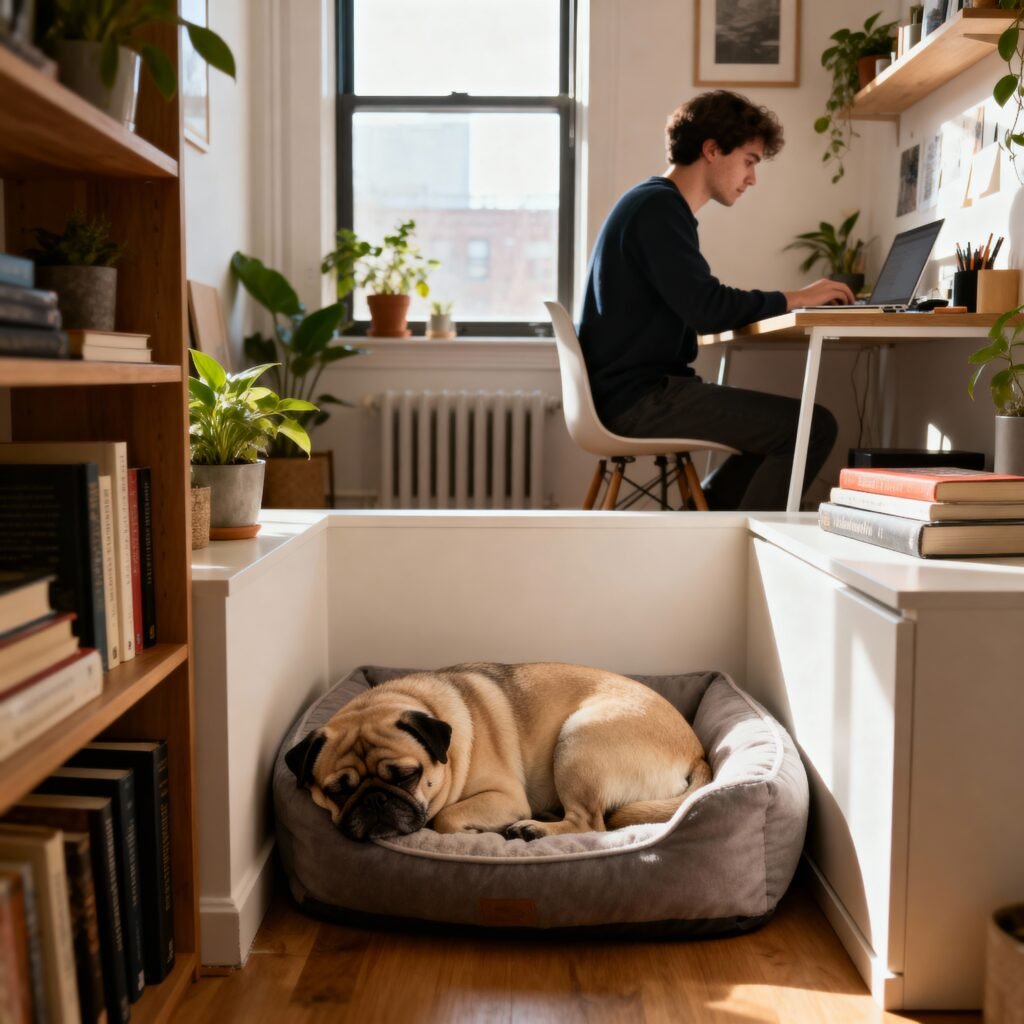
Apartment dogs for families: Pugs are widely admired for their adaptable nature, making them an exceptional choice for families living in various environments. Whether you reside in a spacious suburban home with a yard, a cozy urban apartment, or a multi-generational household, pugs have a natural ability to adjust to their surroundings without stress. Their calm temperament allows them to thrive in homes with children, other pets, or frequent visitors. This adaptability is one of the key reasons why pugs are considered ideal family dogs, as they can integrate seamlessly into different lifestyles while maintaining a cheerful and loving demeanor.
One of the most remarkable aspects of a pug’s adaptable nature is their ability to accommodate changes in daily routines. They can enjoy active outdoor play or relaxed indoor bonding time, depending on what the family schedule allows. For busy families, pugs are content with shorter walks or gentle play sessions, and they can comfortably relax when activity slows down. Conversely, in households where more attention and activity are possible, pugs readily engage with games, training exercises, and social interactions. This flexibility makes them versatile pets that can meet the emotional and physical needs of family members in different settings.
Additionally, pugs are emotionally sensitive and intuitive, which enhances their adaptability. They can sense the moods of their human companions and respond appropriately, providing comfort during stressful moments or excitement during joyful events. For families with children, this trait is particularly valuable. Pugs are patient and understanding with playful kids while maintaining their calm nature, ensuring that interactions remain safe and positive. Their ability to tune into the household dynamics creates a harmonious environment where both the dog and family members feel secure and connected.
The pug’s adaptable nature also extends to their interactions with other pets. Pugs generally get along well with other dogs, cats, and even smaller animals when properly introduced and socialized. Their friendly, non-aggressive disposition allows them to adjust to shared living spaces and routines, reducing tension in multi-pet households. Families who already have pets or intend to adopt more will discover that pugs can easily become an essential, well-behaved member of the family.
Finally, the adaptability of pugs contributes to their overall well-being and longevity. When a dog feels comfortable in its environment, it experiences less stress, develops stronger bonds with family members, and enjoys a more fulfilling life. Because of their calm and adaptable nature, pugs are perfect for a range of living situations, giving families the peace of mind that they are bringing a pet that can cope with both daily life and unforeseen changes. Calm, loving, and versatile, pugs embody the perfect balance between companionship and ease of care, making them a dependable and heartwarming addition to any family environment.
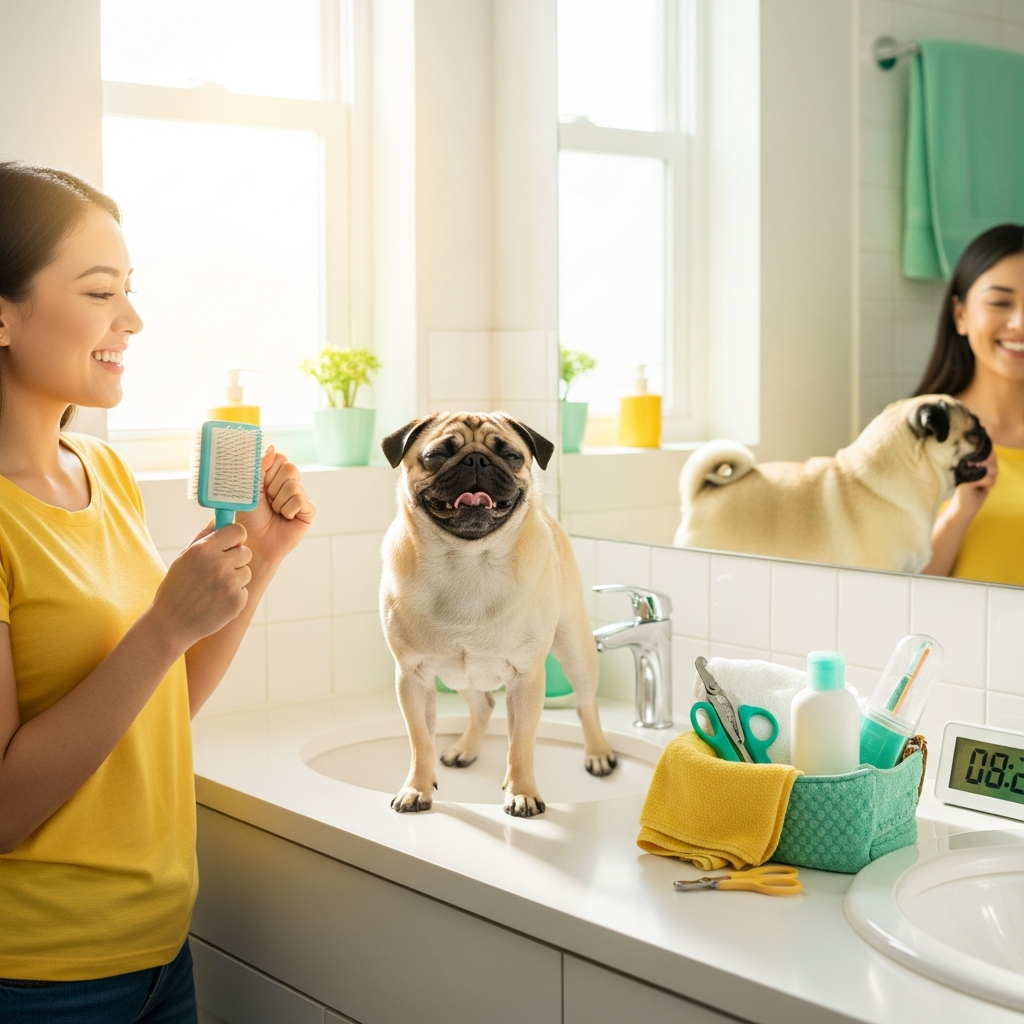
Pug grooming requirements: One of the reasons pugs make exceptional family pets is their low-maintenance grooming needs, which save both time and effort while still allowing them to look adorable and healthy. Unlike long-haired breeds that require frequent brushing, trimming, and professional grooming sessions, pugs have a short, smooth coat that is relatively easy to maintain. It makes them ideal for busy families, first-time dog owners, or anyone who wants a loving companion without the burden of complicated grooming routines. Their fur can be kept clean and shiny with simple, regular care, making them practical and manageable pets for households with children, multiple family members, or hectic schedules.
Despite their short coat, pugs do shed, often more than people expect. However, with a consistent brushing routine of just two to three times per week, loose hairs can be controlled effectively, reducing the risk of excessive fur on furniture or clothing. Using a soft-bristle brush or grooming mitt helps remove dead hair and distributes natural oils, keeping the coat smooth and healthy. A quick brushing session can be integrated into daily bonding time, transforming grooming into a fun and affectionate activity for both the dog and family members. Children can even participate under supervision, learning responsibility while strengthening their connection to the pet.
Another aspect of their low-maintenance grooming is their facial wrinkles. Pugs have characteristic folds on their face that require gentle cleaning to prevent dirt, moisture, and bacteria buildup. A soft, damp cloth or pet wipe can be used to carefully clean the wrinkles, followed by drying the area thoroughly. This simple step helps avoid common skin infections that can affect brachycephalic breeds, ensuring the pug remains comfortable and healthy. Incorporating these into a weekly grooming routine is quick and easy, taking just a few minutes each time.
Bathing a pug is also straightforward. Unlike breeds with long or dense fur that may take hours to dry and maintain, pugs only need occasional baths, usually once every four to six weeks or when they become noticeably dirty. Using a mild, puppy-safe, or dog-specific shampoo ensures their skin remains moisturized and irritation-free. Pugs also have relatively low nail-maintenance requirements, but trimming nails regularly helps prevent discomfort, improper posture, or joint strain. Combining brushing, wrinkle care, and occasional baths with regular nail trimming makes their grooming routine both efficient and effective.
Overall, the low-maintenance grooming of pugs allows families to enjoy the companionship of a loving pet without the stress and time commitment associated with high-maintenance breeds. This simplicity makes pugs an ideal choice for those who want a devoted, affectionate dog that integrates seamlessly into family life. The manageable grooming needs not only save time and effort but also provide opportunities for meaningful interaction and bonding, reinforcing the joy and satisfaction of having a pug as a beloved family member. Bright, lovable, and effortless to care for, pugs offer the perfect balance of charm and practicality, making them one of the most desirable family pets for households of all sizes and lifestyles.
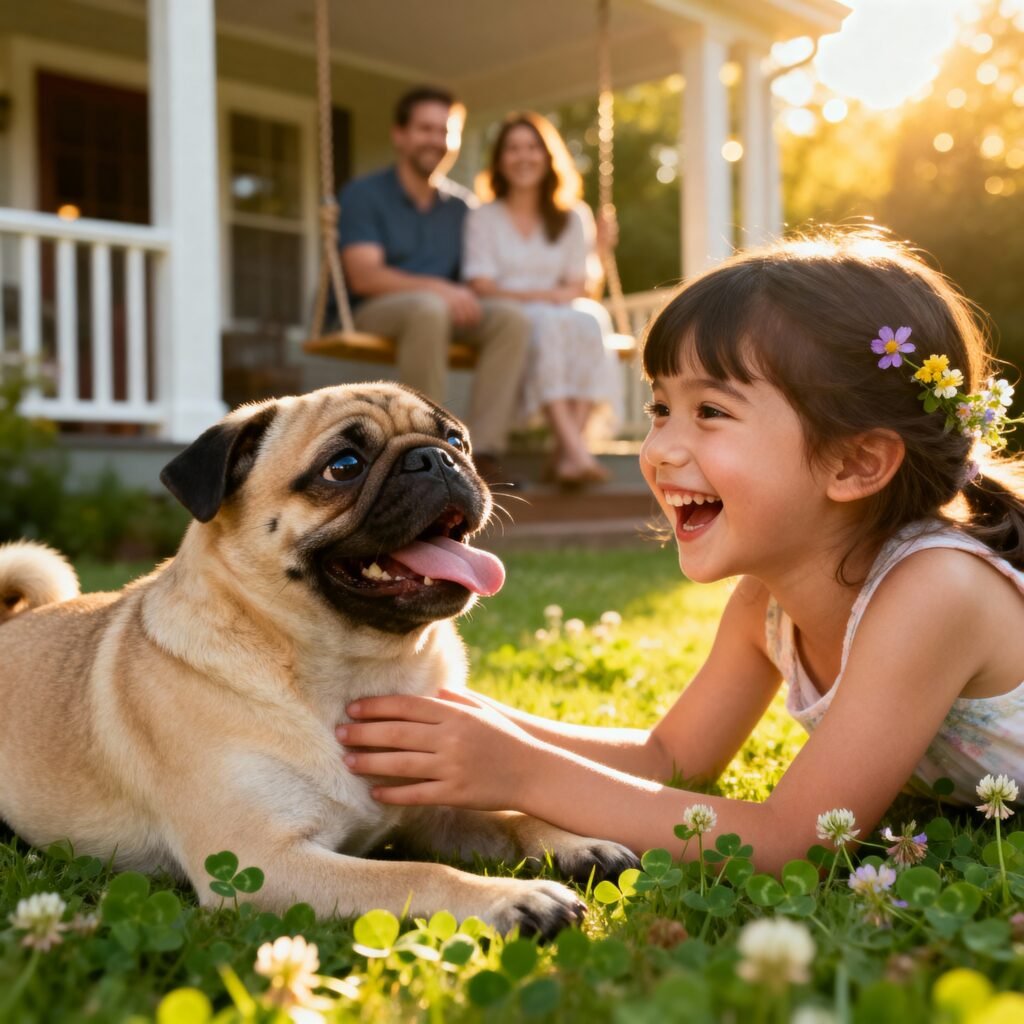
Pug behavior with kids: Pugs are widely recognized for their exceptionally kid-friendly personality, making them one of the best dog breeds for families with children. Their naturally gentle and affectionate temperament ensures that they are patient and tolerant, even when young children are learning how to interact with pets. Unlike more energetic or stubborn breeds, pugs are generally calm and adaptable, allowing kids to play, cuddle, and engage with them safely under supervision. This unique quality fosters trust and comfort on both sides, helping children develop a lifelong bond with their furry companion from an early age.
The pug’s playful nature complements their gentle disposition. They enjoy light games such as fetch, tug-of-war, or gentle chase around the house, which can be a fun and structured way for children to expend energy while learning to respect boundaries. Pugs are also highly attentive to the emotions of family members, including children. They often mirror the moods of kids, providing comfort when they are upset, excitement when they are pleased, and companionship whenever needed. This emotional intelligence enhances the connection between the child and the dog, creating lasting memories and an affectionate relationship that grows stronger over time.
Additionally, pugs are naturally sociable and crave human interaction, which encourages children to actively participate in caring for them. Daily activities like eating, grooming, playtime, and quick walks become opportunities for children to bond and learn patience, empathy, and responsibility. Pugs respond positively to consistent attention and gentle guidance, making it easier for kids to learn how to communicate effectively with a dog, understand body language, and respect their needs. This early exposure to nurturing and companionship builds a foundation of trust, helping children grow into confident and compassionate dog owners in the future.
Another key aspect of the pug’s kid-friendly personality is their moderate energy level. While they enjoy playtime and short bursts of activity, they are not prone to hyperactivity that can overwhelm young children. This balance allows families to schedule predictable, enjoyable interaction times without worry. Pugs are also small enough to be approachable for children but sturdy enough to handle gentle handling, making them ideal companions for supervised play. Their affectionate and loyal nature ensures that they become a consistent source of joy, love, and comfort within the household, reinforcing family cohesion and emotional well-being.
In summary, a pug’s kid-friendly personality makes them an invaluable addition to any family. Their gentle demeanor, playful energy, emotional sensitivity, and adaptability create a nurturing environment where children feel safe, loved, and engaged. These qualities ensure that the bond formed between a pug and the children in a household is enduring, joyful, and deeply rewarding, providing countless moments of laughter, companionship, and shared growth. Families that welcome a pug into their home can expect years of heartfelt connection, mutual respect, and unforgettable experiences that strengthen family ties and enrich the lives of both children and adults alike.
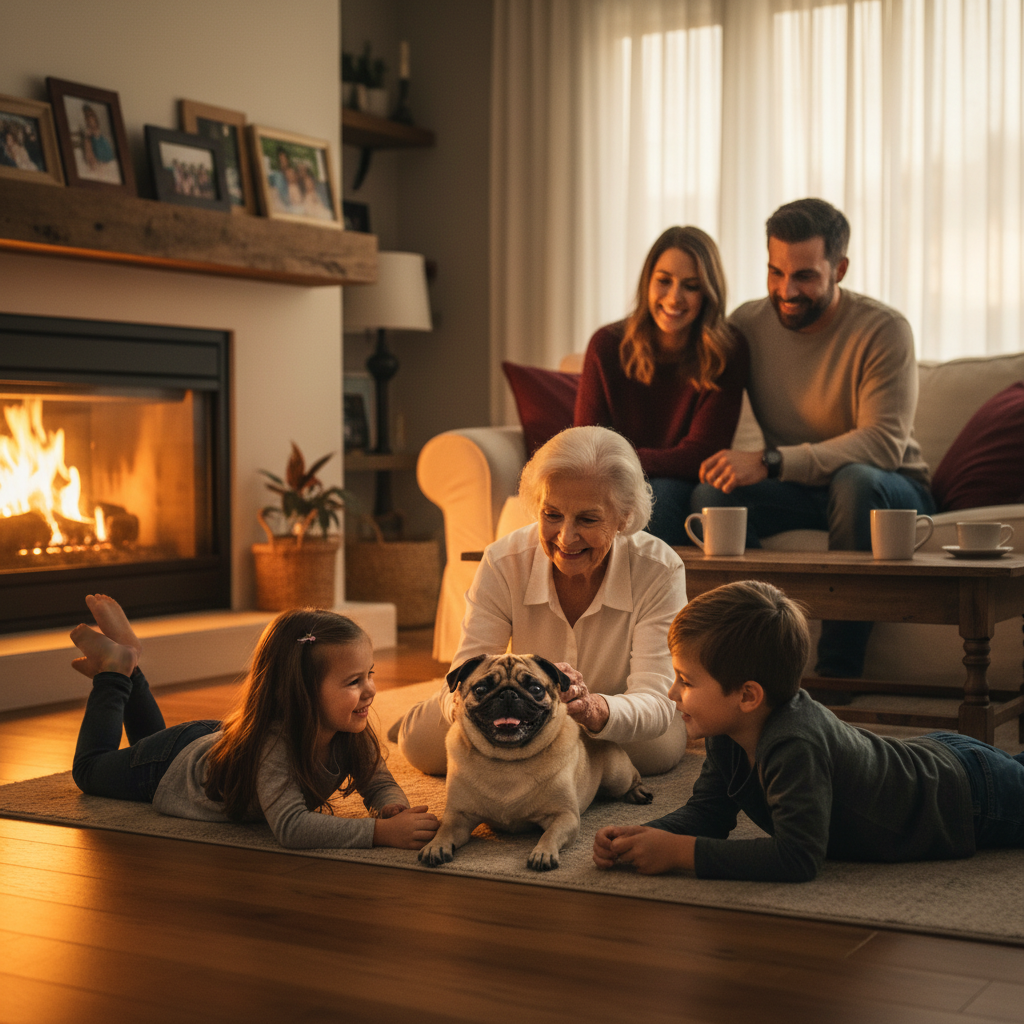
Pug socialization tips: Pugs are inherently social animals, known for their friendly disposition and natural inclination to engage with humans and other pets alike. Their sociable nature makes them one of the best family dogs for households seeking a companion that actively encourages interaction and strengthens family bonds. Pugs, in contrast to some other breeds that might be distant or reserved, thrive on social interaction and are always looking for playtime, affection, and attention from everyone in the home. In addition to providing amusement for family members, this social inclination fosters a caring atmosphere where everyone shares in the happiness of having a pug as a member of the family.
Their friendliness is evident in the way they approach strangers, children, and even other pets with a gentle and inviting demeanor. Pugs have a remarkable ability to read human emotions. often responding to moods and mirroring positive energy, which encourages laughter, bonding, and meaningful interactions throughout the day. Their warm presence can act as a natural glue within family routines, whether during meal times, play sessions, or quiet evenings on the couch. Families quickly notice how a pug’s eagerness to engage makes each member feel loved and acknowledged, fostering a harmonious atmosphere where everyone feels connected.
Furthermore, pugs excel at being involved in family activities. They are attentive and curious, always ready to participate in games, walks, or training exercises. This participatory behavior makes family life more dynamic and interactive, as everyone finds opportunities to engage with the dog in both structured and spontaneous ways. The pug’s playful and social character encourages children to develop empathy, responsibility, and patience while providing adults with companionship that reduces stress and promotes emotional well-being. In this way, pugs serve as both emotional anchors and joyful playmates in the family unit.
Pugs also tend to be highly adaptable in social situations. Pugs handle interactions with other dogs, cats, and even visiting friends and family in a kind and friendly manner. Their social intelligence helps maintain balance and reduces tension, making them ideal mediators in multi-pet households or busy homes with frequent visitors. They naturally promote positive social behavior, teaching family members about respect, care, and cooperative interaction in a practical and affectionate way.
In conclusion, family life is greatly improved by pugs‘ gregarious and amiable disposition. Their warmth, attentiveness, and playful engagement encourage frequent interaction, strengthen family bonds, and promote a joyful, inclusive household atmosphere. This valuable quality makes pugs an exceptional choice for families looking to cultivate connection, fun, and emotional well-being, ensuring every day is filled with shared laughter and love.
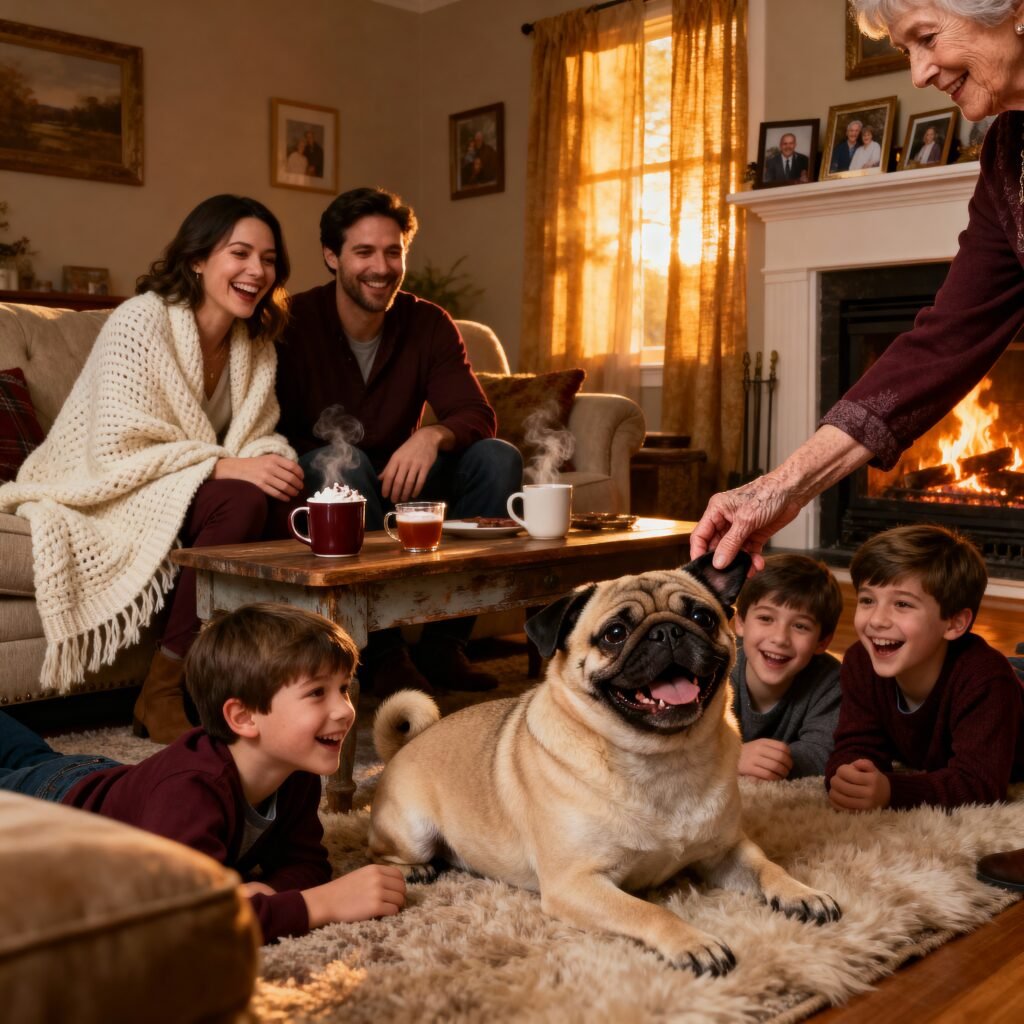
Pugs’ small size, which enables them to fit easily into a range of living situations and daily routines, is one of their most useful and alluring features. Unlike larger dog breeds that require extensive space for exercise and movement, pugs are small and adaptable, making them ideal companions for apartment dwellers, families with limited living space, and households with multiple pets. Their petite stature does not compromise their energy or personality; instead, it allows them to participate fully in family life without overwhelming the home environment.
The pug’s size also makes day-to-day activities more convenient. Simple routines such as grooming, bathing, feeding, and walking are easier to manage compared to larger breeds, which may be physically demanding. A compact pug can comfortably ride in a car, travel on public transport, or even join you on short trips without logistical complications. This flexibility ensures that pets won’t be constrained by space or mobility concerns and will continue to be a part of your family’s way of life.
Moreover, their manageable size is particularly advantageous for families with children. Pugs are small enough to interact safely with young kids while maintaining durability and resilience during play. This balance allows children to experience the joys of pet ownership without the risks that come with larger, more boisterous breeds. Parents can supervise play without worrying about accidental injury due to the dog’s size, fostering a safe and engaging environment for the entire household.
Despite their compact dimensions, pugs carry an impressive personality and presence. When it comes to companionship, they are incredibly loving, socially conscious, and sensitive to their owner’s emotions. Their size allows them to be lap dogs, cuddle buddies, and constant companions, offering comfort and warmth wherever they go. Whether lounging on the couch, joining family activities, or participating in social gatherings, their presence enhances the family dynamic in a way that is both charming and unobtrusive.
In summary, the compact size of pugs is a feature that perfectly complements the demands of modern family life. Their adaptability, convenience, safety with children, and the ability to be both portable and affectionate make them an ideal family pet. This bright attribute ensures that pugs can be seamlessly woven into daily routines, creating joyful, harmonious, and memorable experiences for all members of the household.
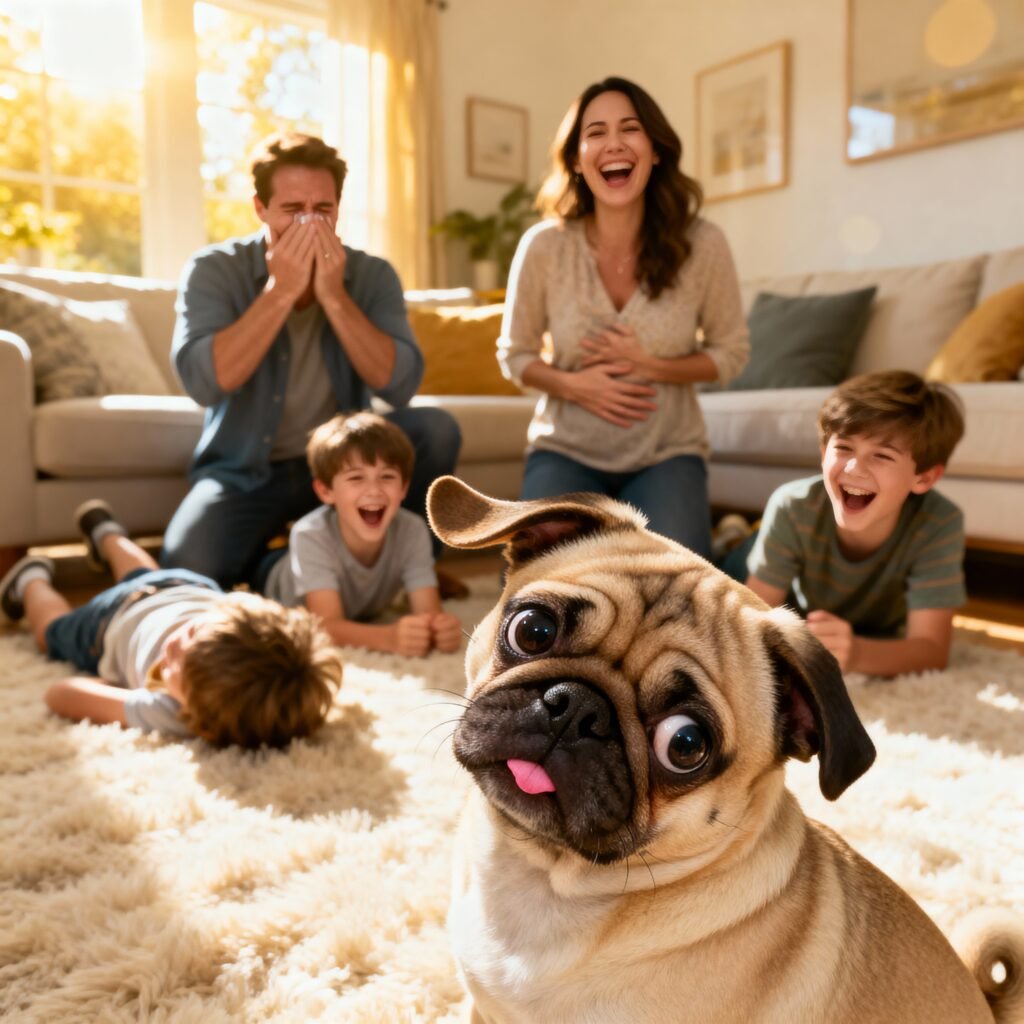
Why choose a pug for your family? One of the most endearing qualities of pugs is their humorous, expressive faces, which seem to communicate a wide range of emotions in a single glance. Their wrinkled foreheads, round eyes, and slightly protruding tongues create comical expressions that can instantly lift the mood of anyone in the household. From the moment a pug enters your home, their funny gestures, playful antics, and exaggerated reactions to even the simplest events bring laughter and joy to every member of the family.
These humorous expressions are more than just entertaining; they foster emotional connections between the pug and family members. Observing a pug tilt its head in curiosity, wag its tail enthusiastically, or make silly noises during playtime encourages empathy and engagement. especially among children. Additionally, it helps adults feel less stressed by fostering a vibrant and joyful home where every day is more cheerful and satisfying.
Pugs often exaggerate their reactions to everyday events, making routine moments like greeting family members, mealtime, or playtime feel extra special. Their ability to convey curiosity, excitement, or even mock confusion in comical ways adds a dynamic energy to your home. This humor is often spontaneous and unpredictable, meaning families are treated to delightful surprises that keep everyone entertained throughout the day.
Moreover, their playful facial expressions often inspire creative interactions. Children might invent new games to coax their pug into silly poses, while adults find joy in capturing photographs and sharing their pug’s antics with friends and social media communities. This interaction not only strengthens the bond between pet and owner but also encourages imaginative play, storytelling, and family cohesion.
In essence, the humorous expressions of pugs are a constant source of delight, laughter, and connection. Their joyful faces, playful reactions, and amusing gestures brighten each day, making them a truly heartwarming addition to any family. Every grin, eccentric expression, and amusing gesture adds to a lively, joyful home where happiness is shared and treasured.
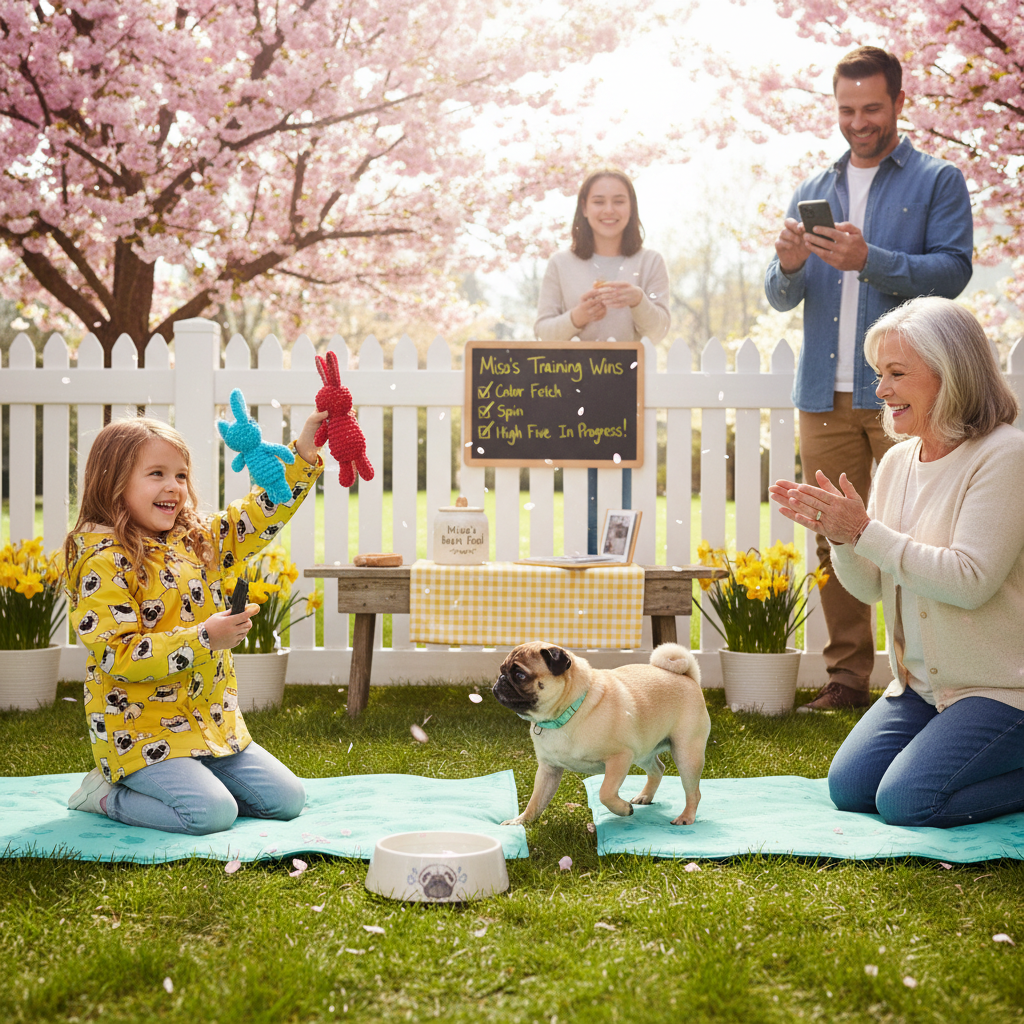
Pug training tips: Pugs are remarkably intelligent dogs, which makes them both fun and rewarding to train. Their keen ability to understand commands and pick up on routines allows families to engage with them on a deeper level. Unlike some breeds that require extensive repetition to learn simple tasks, pugs respond well to positive reinforcement, patience, and consistent instruction. This intelligence makes training sessions enjoyable, interactive, and a wonderful opportunity for bonding with your furry companion.
The trainability of pugs goes beyond basic obedience commands. They are capable of learning tricks and routines and even responding to cues that suit your household’s daily needs. This adaptability makes them excellent participants in family activities, whether it’s helping teach children responsibility, loyal companion dogs, performing entertaining tricks during playtime, or following structured routines that maintain household harmony. Training a pug is a shared experience that improves communication, trust, and the emotional bond between the dog and each member of the family. It’s not just about control.
Because of their intelligence, pugs thrive when provided with mental stimulation alongside physical activity. Puzzle toys, scent games, and problem-solving challenges tap into their cognitive capacities, avoiding boredom and lowering the probability of harmful behavior. A well-stimulated pug exhibits more positive behaviors, demonstrates patience, and interacts more meaningfully with all members of the family. This level of engagement also encourages children to be gentle, empathetic, and attentive while learning how to interact with a pet responsibly.
Moreover, a pug’s trainable nature allows them to adapt to different household environments, personalities, and schedules. Whether living in a small urban apartment or a spacious home, their ability to learn cues and respond predictably ensures that family life remains organized, enjoyable, and stress-free. By dedicating a little time to daily training and mental engagement, families find that pugs quickly become not just pets, but active, intelligent participants in everyday life.
In summary, the intelligence and trainability of pugs make them a bright, engaging presence in any family home. Their responsiveness, adaptability, and eagerness to learn foster meaningful interactions, support a harmonious environment, and encourage continuous bonding, creating an enriching experience for everyone in the household.
strengthening emotional ties in the home for both the dog and its human companions.
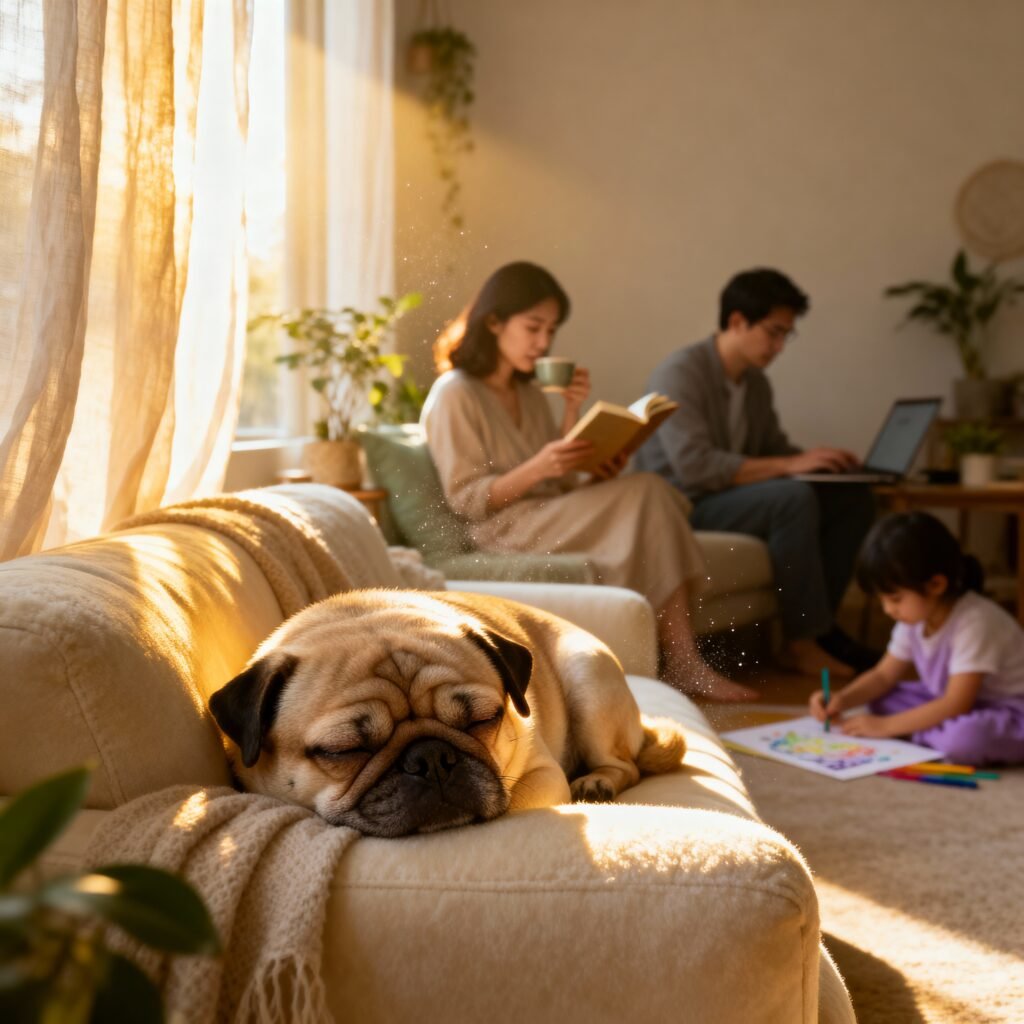
One of the most appealing traits of pugs is their naturally calm and gentle temperament. Unlike some high-energy breeds that require constant stimulation and attention, pugs have a relaxed demeanor that helps create a peaceful home environment. Their calm presence can be particularly beneficial in busy households, where children, adults, and even other pets may sometimes feel overwhelmed or stressed. Throughout the day, a pug’s steady, kind demeanor promotes quiet times, easing stress and creating a sense of peace.
Pugs are highly adaptable, which means they adjust well to different household dynamics. Whether it’s a small apartment in the city or a spacious home in the suburbs, their calm nature allows them to coexist harmoniously with various lifestyles. They are neither excessively demanding nor overly reactive, which makes it easier for family members to maintain a sense of order and stability in their daily routines. This calm temperament is especially valuable for first-time dog owners or families with young children, as pugs handle unexpected noises and minor chaos with grace and patience.
Moreover, the gentle disposition of a pug contributes to mental health benefits for their owners. Studies have shown that spending time with calm, affectionate pets can lower blood pressure, reduce anxiety, and even improve mood. A pug’s loving yet composed personality makes them perfect companions for family members who need comfort after a long day at work or school. Simply sitting with a pug, feeling their warmth, or enjoying their affectionate nuzzles can transform stressful moments into peaceful, restorative ones.
Training and daily interaction further enhance this serene quality. Pugs respond well to positive reinforcement, creating a cycle of calm behavior and mutual trust. Families often notice that their pug’s calm nature influences other pets or even children, promoting patience, empathy, and emotional regulation. Pugs are an invaluable addition to any family home because of their gentle temperament, which is essentially more than just a personality trait. It’s a lifestyle enhancer that helps create a peaceful, stress-free home.
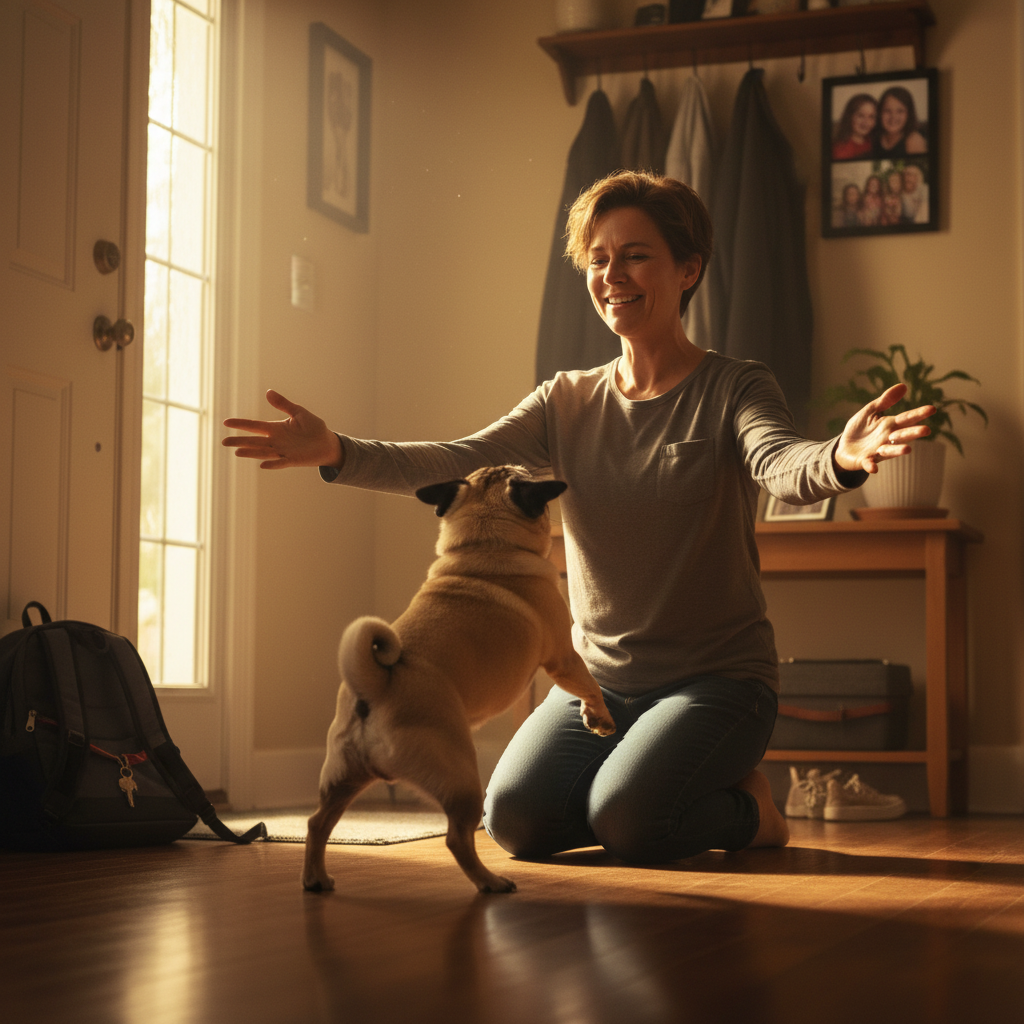
Pug exercise needs: Pug health and longevity: Pugs are renowned for their unwavering loyalty, making them the ultimate companions for families of all shapes and sizes. From the moment a pug enters a home, they form deep emotional connections with their human family members. Both the dog and the family benefit from their desire to be close and involved in everyday activities. This loyalty is evident in the way pugs follow their owners from room to room, offering comfort during stressful moments or simply enjoying quiet moments together.
Child-safe pets, This loyalty goes beyond mere presence. Pugs are intuitive and sensitive to the moods of their family members. They often provide emotional support by offering a gentle nuzzle or sitting close when someone feels sad or anxious. Children especially benefit from this constant companionship, learning empathy, patience, and responsibility while forming a strong bond with their pug. These connections often become lifelong; many owners recall memories of their pug providing comfort, joy, and companionship through different stages of family life.
Training a pug to respect household rules and routines further strengthens this bond. Positive reinforcement techniques, like treat-based training or verbal praise, enhance the relationship by building trust and understanding. A pug that feels secure and valued in the family is more likely to show loyalty, adapt to new routines, and remain an active, affectionate participant in family life.
The warmth of a pug’s companionship extends into all areas of life. Whether it’s joining family outings, sharing quiet evenings at home, or celebrating special occasions, their presence becomes a source of daily joy. This loyalty and constant affection make pugs not only pets but true family members, creating bonds that endure for years and leave lasting emotional impressions on everyone in the household.
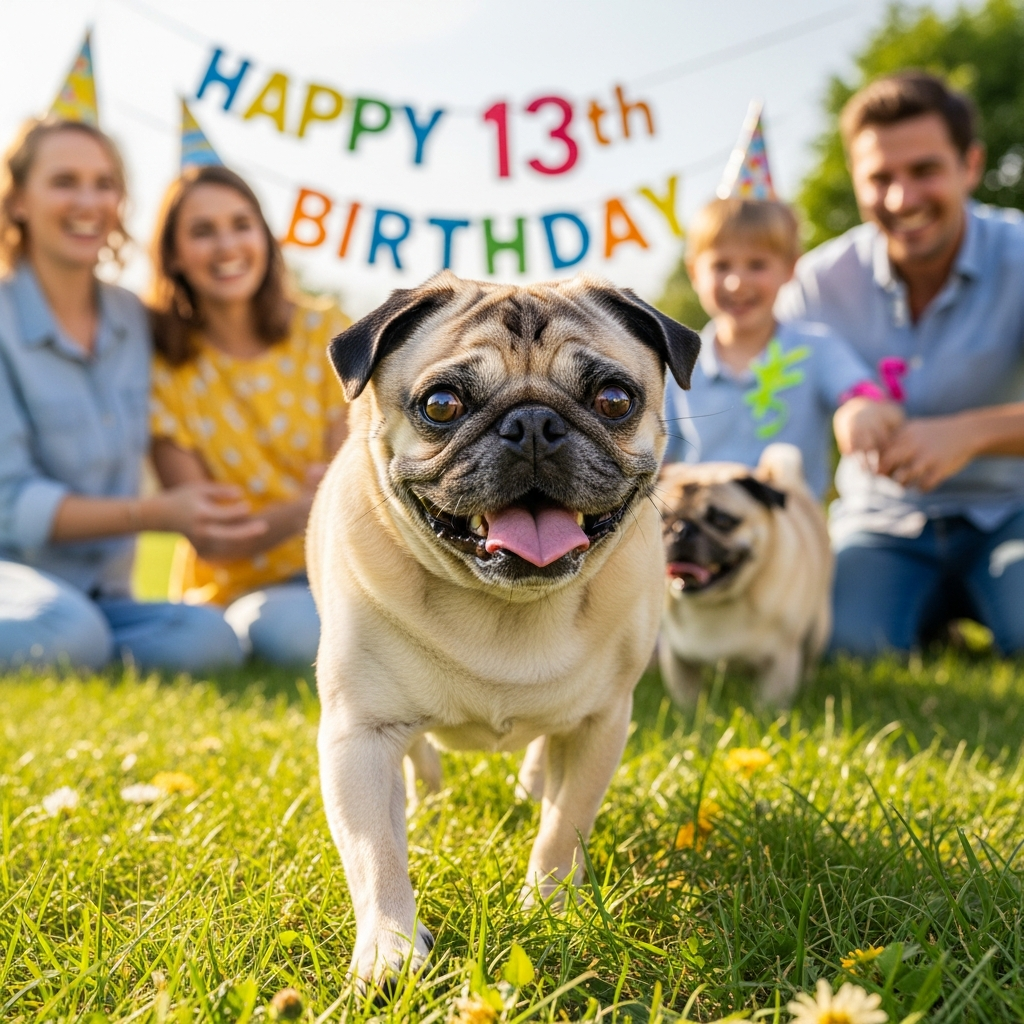
pug care guide: Pugs, when cared for properly, can live 12-15 years, providing families with long-term companionship and countless cherished memories. Their relatively long lifespan allows children to grow up alongside their furry friend, creating emotional bonds that strengthen over the years. This extended time together also gives families the opportunity to truly integrate a pug into their daily lives, routines, and celebrations, making the dog an inseparable part of the household.
Proper care is essential for maximizing a pug’s lifespan. This includes providing high-quality nutrition tailored for small breeds, maintaining a consistent exercise routine that avoids overexertion, and scheduling regular veterinary checkups to monitor for common pug health concerns such as breathing difficulties, joint issues, and eye conditions. Preventive care is key: vaccinations, parasite control, dental hygiene, and wrinkle maintenance all contribute to a healthy and joyful life.
Mental stimulation is equally important for longevity. In addition to keeping a pug happy, interactive play, training exercises, and puzzle toys can lower stress, prevent behavioral issues, and improve cognitive health. A well-stimulated pug is less likely to develop anxiety or destructive behaviors, which contributes to overall well-being and a longer, healthier life.
Families also benefit emotionally from the presence of a long-living pug. Their affectionate nature, loyal companionship, and consistent personality provide daily comfort and joy, making the years spent together deeply meaningful. By creating a nurturing environment and addressing both physical and mental health needs, families can ensure that their pug not only lives a long life but thrives in every stage, filling the home with laughter, warmth, and lasting happiness.
Bringing a pug into a family is a decision that rewards you with affection, laughter, and companionship. They blend in perfectly with family life thanks to their special blend of playfulness, intelligence, calm temperament, kid-friendly behavior, loyalty, and adaptability. Pugs promote emotional well-being, teach responsibility, and create shared experiences that strengthen familial bonds. Whether cuddling on the couch, participating in training, or joining outdoor play, pugs enrich daily routines with heartwarming moments. Pugs become more than just pets for adoptive families; they become essential members of the home, bringing happiness, comfort, and love every day.
Celebrate their personality: Enjoy the humorous, affectionate, and loyal nature of your pug daily.
Choosing a pug as a family pet ensures years of laughter, love, and companionship. Their affectionate, loyal, and playful nature complements family life in a way few breeds can. By understanding their needs, providing proper care, and integrating them into daily routines, families can enjoy the emotional, mental, and social benefits that a pug provides. From nurturing young children to supporting adults with their gentle companionship, pugs truly embody the ideal family dog. Every wag of the tail, snuggle, and playful interaction reinforces the deep bond between humans and their pug, making each day a joyful and heartwarming experience.
Yes. Pugs make wonderful family pets because they are loving, kind, and thrive on company.
Pugs get along well with kids in general. They are patient, playful, and enjoy being involved in family activities when interactions are supervised.
Most pugs get along well with other dogs and even cats, especially when socialized early.
Although pugs are comparatively simple to care for, they do need attention to breathing comfort, weight control, and grooming.
No, rather than lengthy or strenuous workouts, pugs require low-impact, moderate exercise.
Yes. Their size, temperament, and lower exercise needs make them ideal for apartment living.
Yes. Regular brushing helps control loose hair because pugs shed all year long.
They are a popular choice for first-time owners due to their affectionate nature and adaptability.
Pugs are not known for excessive barking. They tend to be relatively quiet dogs.
Pugs prefer companionship and should not be left alone for long periods on a regular basis.
Yes. Pugs are known for forming deep emotional bonds and often follow their owners from room to room.
With proper care, many pugs live between 12 and 15 years.
Their loving nature, humorous personality, loyalty, and constant desire to be close make pugs uniquely joyful companions.
Yes. Pugs are affectionate and gentle and thrive on human companionship, which makes them excellent family pets. They enjoy being involved in daily life and are happiest when they are close to their people.
In general, pugs get along well with kids when they are under supervision. Their playful but calm nature allows them to enjoy games, cuddles, and quiet time without becoming overwhelmed. They tend to be patient and tolerant, which is ideal in a family setting.
Most pugs do well with other dogs and even cats, especially when socialized early. They are not typically aggressive and often enjoy having animal companions around.
Pugs are relatively easy to care for, but they do have specific needs. Regular grooming, careful weight management, and attention to breathing comfort are important. Pugs adjust well to family life and routines when these needs are regularly satisfied.