❝A dog has one aim in life… to bestow his heart.” ― J. R. Ackerley❞
❝A dog has one aim in life… to bestow his heart.” ― J. R. Ackerley❞
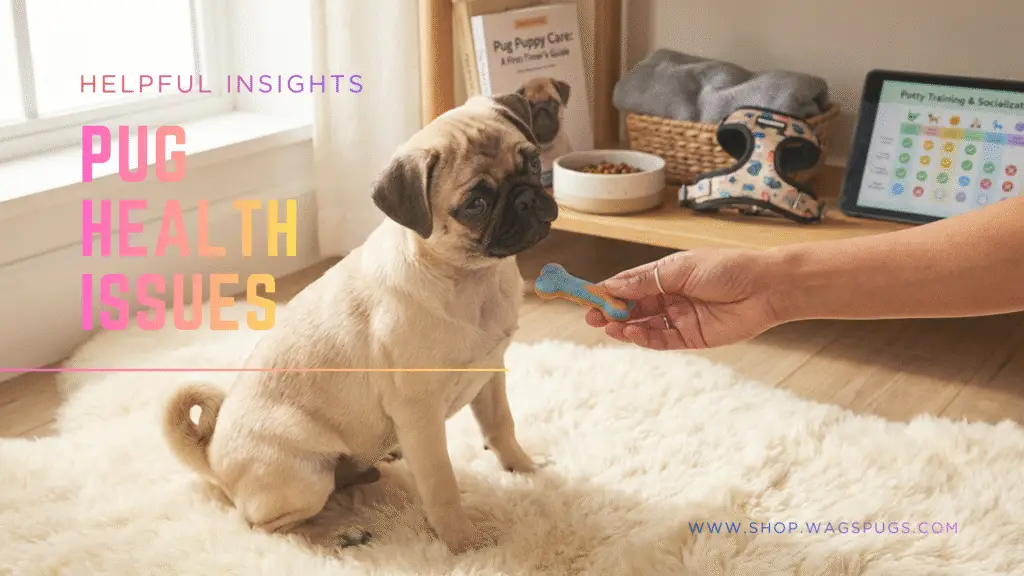
Tips for a First-Time Pug Owner’s:
Pug puppies are adorable, affectionate, and full of personality. Their big round eyes, wrinkled faces, and playful nature make them irresistible to any dog lover. If you are a new dog owner, welcoming a pug puppy into your home is both exciting and a responsibility. These little companions bring joy, laughter, and unconditional love—but they also need thoughtful care to grow healthy and happy. This guide is designed to walk you through everything a first-time pug puppy owner should know, from puppy care essentials to training tips, routines, and long-term health strategies.
Knowing your pug puppy’s particular needs is crucial, whether you are concentrating on feeding, grooming, or socializing. Pugs are a brachycephalic breed, meaning they have short noses and flat faces. This physical feature makes them prone to breathing challenges, overheating, and certain skin problems. Being aware of these traits early on will help you prevent potential health issues and ensure your puppy thrives.
Pug puppies are a mix of playful energy and affectionate calmness. They love to be around their owners and are happiest when involved in daily family life. A pug puppy will often alternate between energetic bursts and long naps. Such behavior is completely normal and is part of their developmental stage.
Pug puppies are naturally curious but have limited focus. They might only focus on a command for a few seconds before becoming sidetracked by a toy, sound, or scent. This is not stubbornness—it’s typical puppy behavior. Keep training sessions short and consistent, around five to ten minutes, to maintain engagement and avoid frustration.
Most pug puppies are highly motivated by food rewards. Using small treats or pieces of kibble during training sessions encourages them to learn faster. Remember, pugs have a tendency to gain weight easily, so it’s essential to factor treats into their daily caloric intake.
Early socialization is critical. Exposing your pug puppy to new people, sounds, and environments in a controlled manner helps them grow into confident, well-adjusted adult dogs. Positive experiences early on prevent fearfulness, anxiety, and behavior problems later in life.
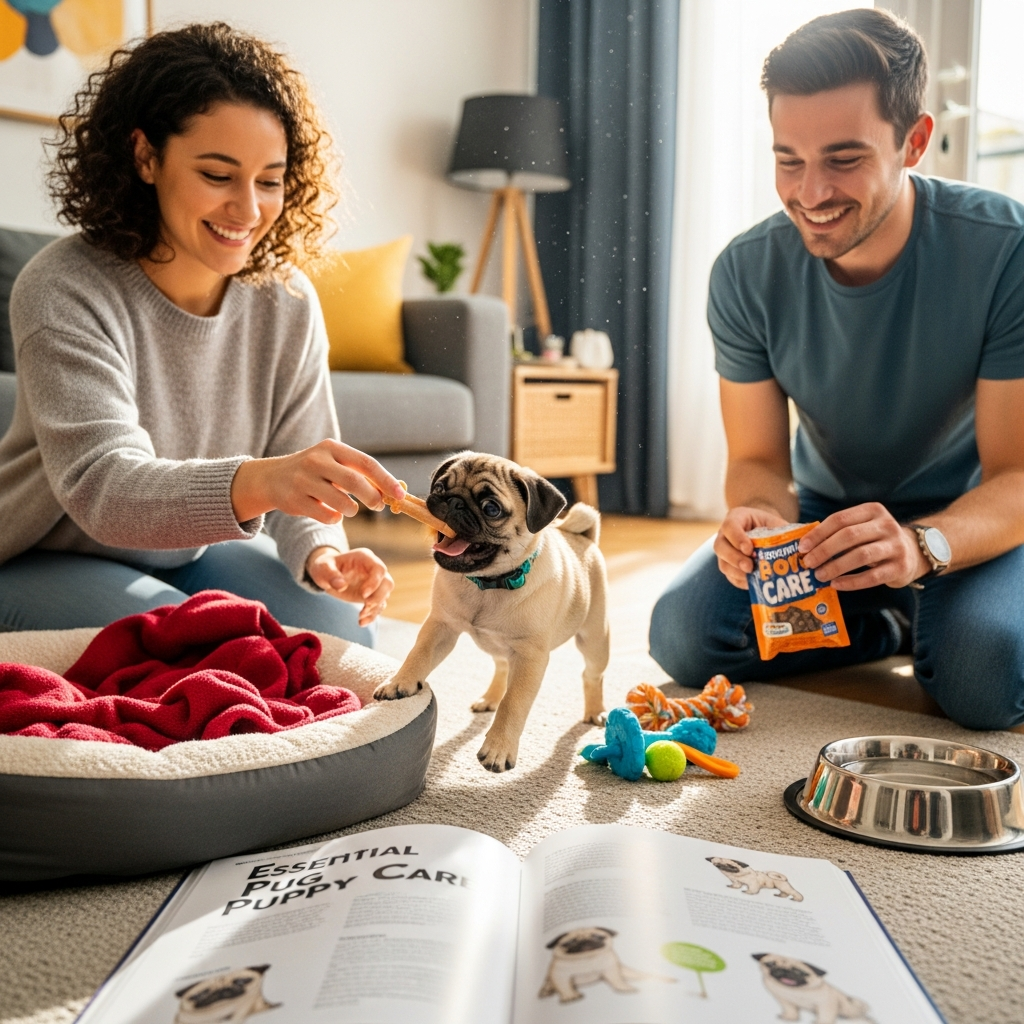
Providing proper care from day one lays the foundation for a healthy, delighted pug puppy. Because of their physical traits, pugs require special attention in several areas, including nutrition, grooming, and safety.
Proper nutrition is the cornerstone of pug puppy care. Puppies grow rapidly during the first months, and their food should support healthy development. Select a high-quality small-breed puppy food with real meat as the first ingredient. Avoid fillers like corn, wheat, and soy, which provide limited nutritional value. Feed your puppy two to three times per day, depending on age and veterinarian recommendations. Consistent feeding times also help regulate digestion and establish predictable bathroom routines.
Always provide fresh water. Dehydration can affect brachycephalic breeds quickly because they struggle to regulate body temperature, especially in warmer environments.
While pugs are considered low-maintenance compared to long-haired breeds, their short coats and wrinkled faces require regular care. Grooming keeps them comfortable, reduces shedding, and prevents skin issues.
Pugs’ facial wrinkles trap moisture, dirt, and bacteria. Gently wipe between wrinkles daily with a soft, damp cloth, then dry thoroughly. This routine prevents yeast infections and skin irritations common in the breed.
Brush your pug puppy once or twice a week with a soft-bristled brush. Regular brushing removes loose hairs, distributes natural oils, and keeps the coat shiny and healthy.
Pug puppies do not require frequent baths. A bath every four to six weeks is sufficient unless they get dirty. Use a gentle, puppy-safe shampoo to avoid irritating their sensitive skin.
Keep nails short to prevent discomfort or changes in posture. Introduce nail trimming gradually, offering praise and treats, so your pug associates grooming with positive experiences.
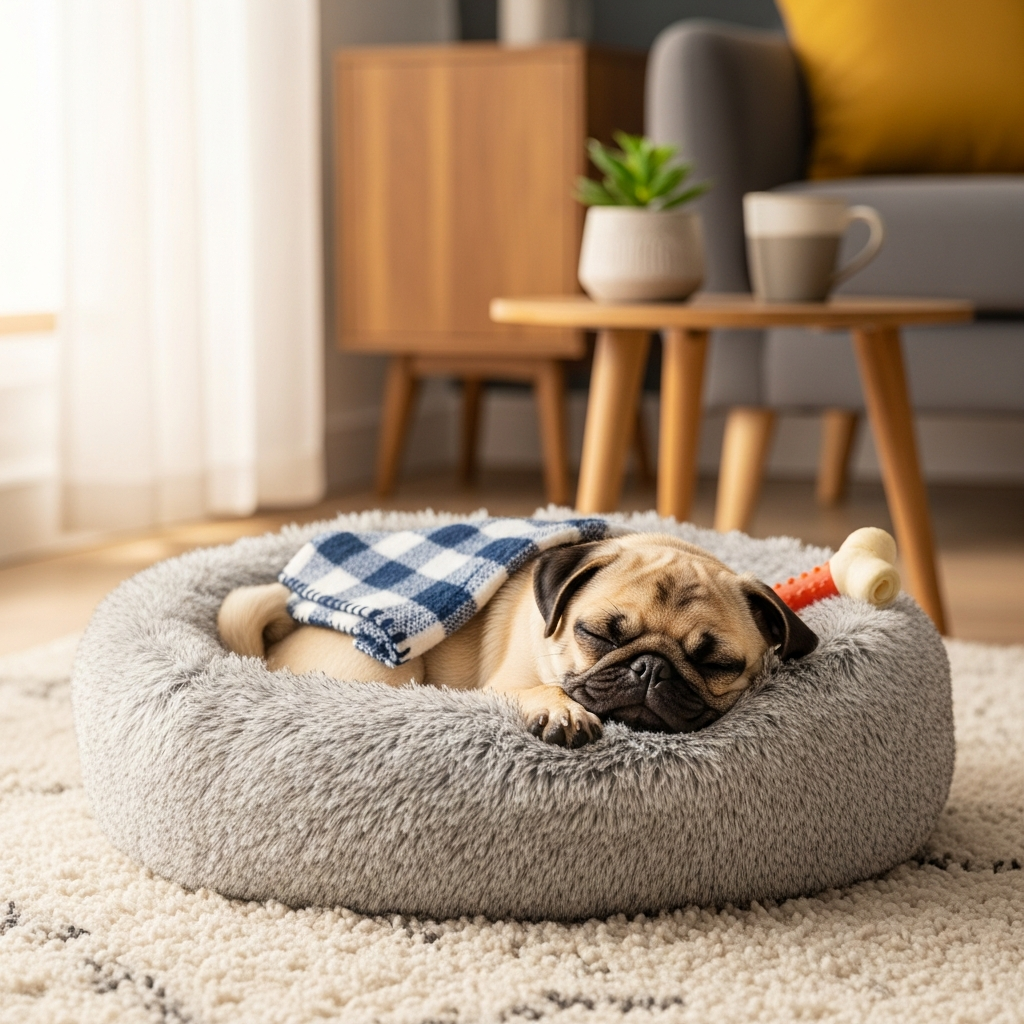
A prepared home makes the transition smoother for both you and your new puppy. Safe spaces, comfortable bedding, and temperature control are essential.
Pugs enjoy warmth and cozy surroundings. Choose a bed with supportive padding placed in a quiet area. Avoid heating pads or overly warm spaces that may cause overheating.
Use baby gates or playpens to section off areas of your home, preventing access to hazards like electrical cords, small objects, or chemicals. Safe play zones allow your puppy to explore without risk.
Because pugs overheat easily, maintain a comfortable indoor temperature. Use fans or air conditioning when necessary, and avoid prolonged outdoor exposure during hot weather.
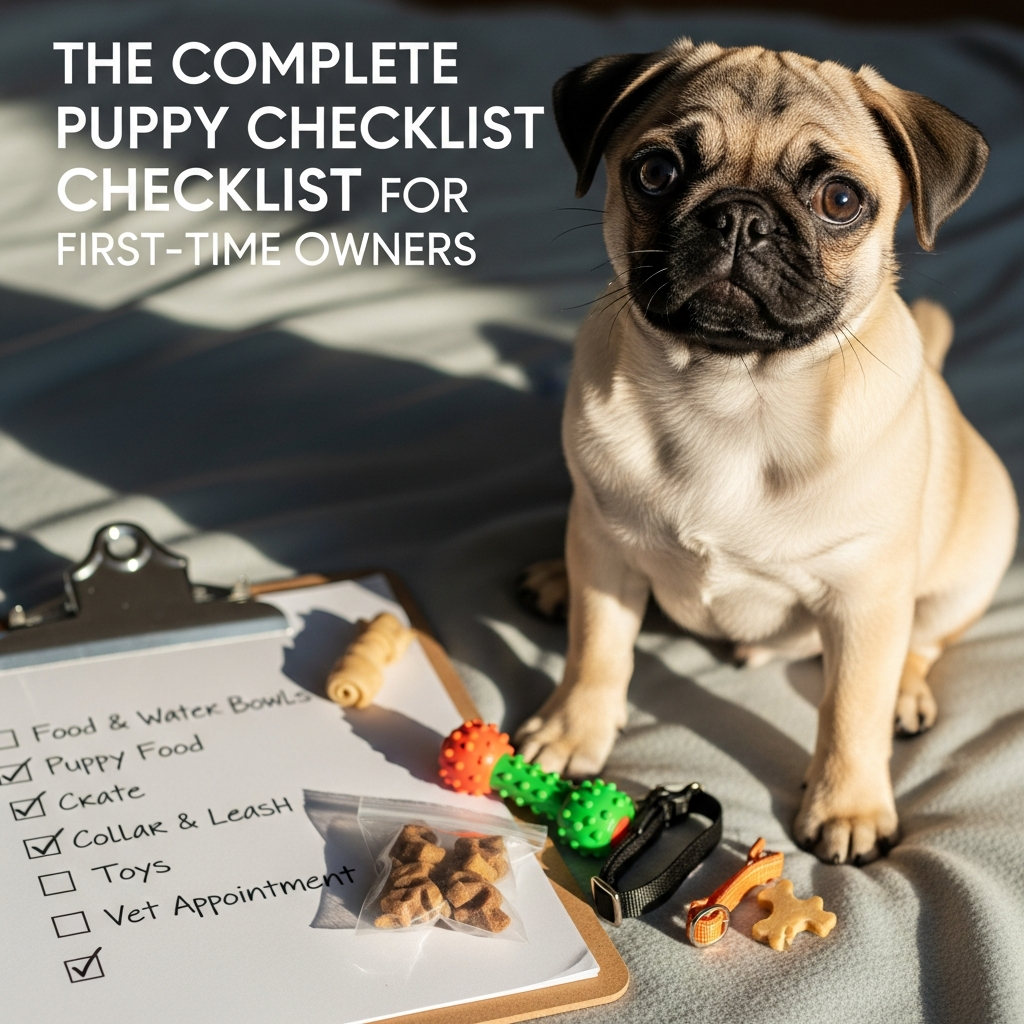
A checklist ensures you have all necessary items before bringing your pug home. Preparation reduces stress and makes the first days smoother.
A complete checklist ensures your pug puppy has everything for a secure, healthy start.
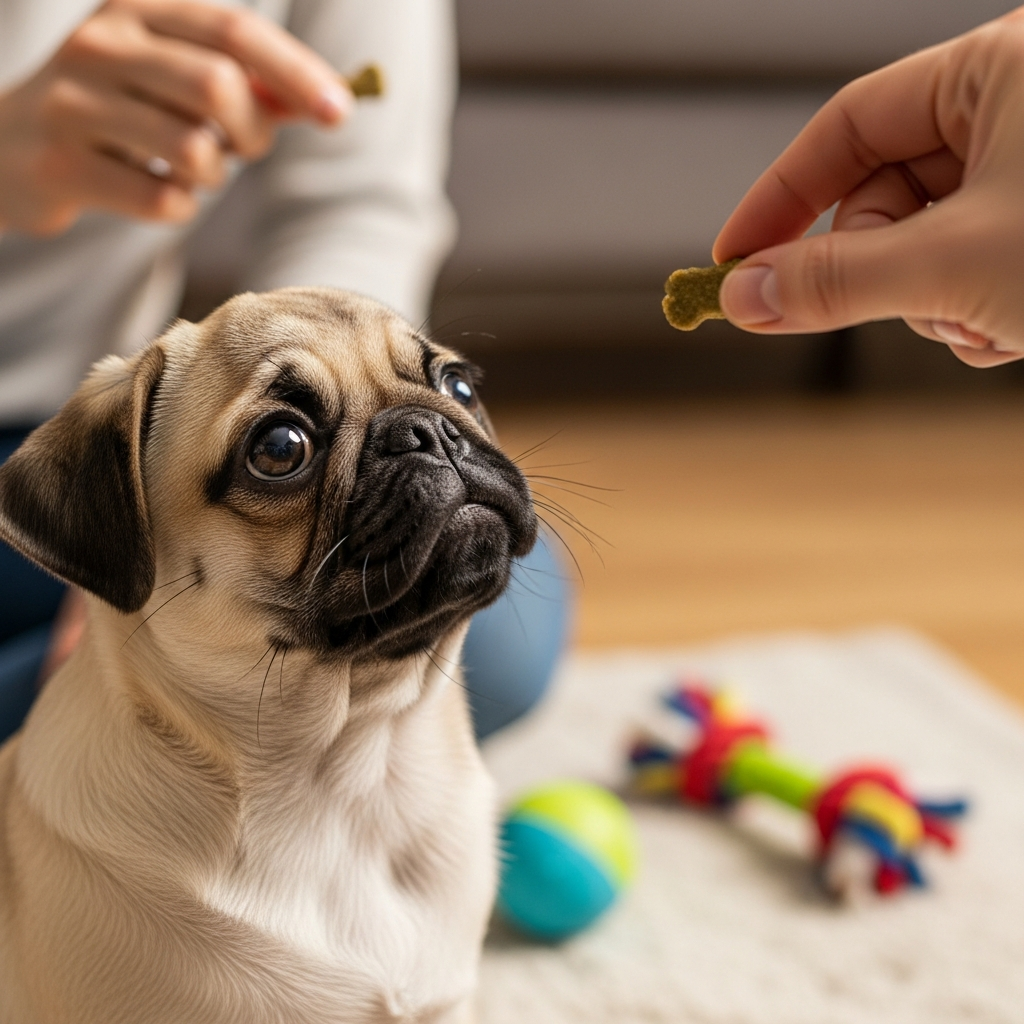
Training your pug puppy is essential for building communication, trust, and a well-behaved adult dog. Pugs are intelligent and respond best to positive reinforcement. The key is consistency, patience, and keeping sessions short and enjoyable.
House-training is one of the first tasks for new owners. Pug puppies have small bladders and need frequent bathroom breaks. Take them outside:
Praise and give tiny treats for successful elimination outdoors. Avoid scolding for accidents; instead, clean thoroughly to remove odor cues that might encourage repeated indoor accidents. Long, infrequent sessions are less effective than short, regular ones.
Crate training provides a safe, comfortable space for your puppy and assists with house-training. Add toys and soft bedding to make the crate welcoming. Begin with short sessions and progressively increase the duration. The crate should always feel like a happy, secure place; never use it as a form of punishment.
Early instruction in fundamental commands creates healthier habits. Pugs are reward-driven and food-motivated, which makes training enjoyable and successful. Start with simple commands:
Short sessions (5–10 minutes) multiple times per day maintain attention and reinforce learning. Treats, encouragement, and praise should always be used.
Give your pug puppy a range of experiences, such as people, other dogs, surfaces, sounds, and environments. Start out slowly so your puppy can discover new places at their own speed. Anxiety, fear, and aggressive behavior in adulthood are all decreased by positive early socialization.
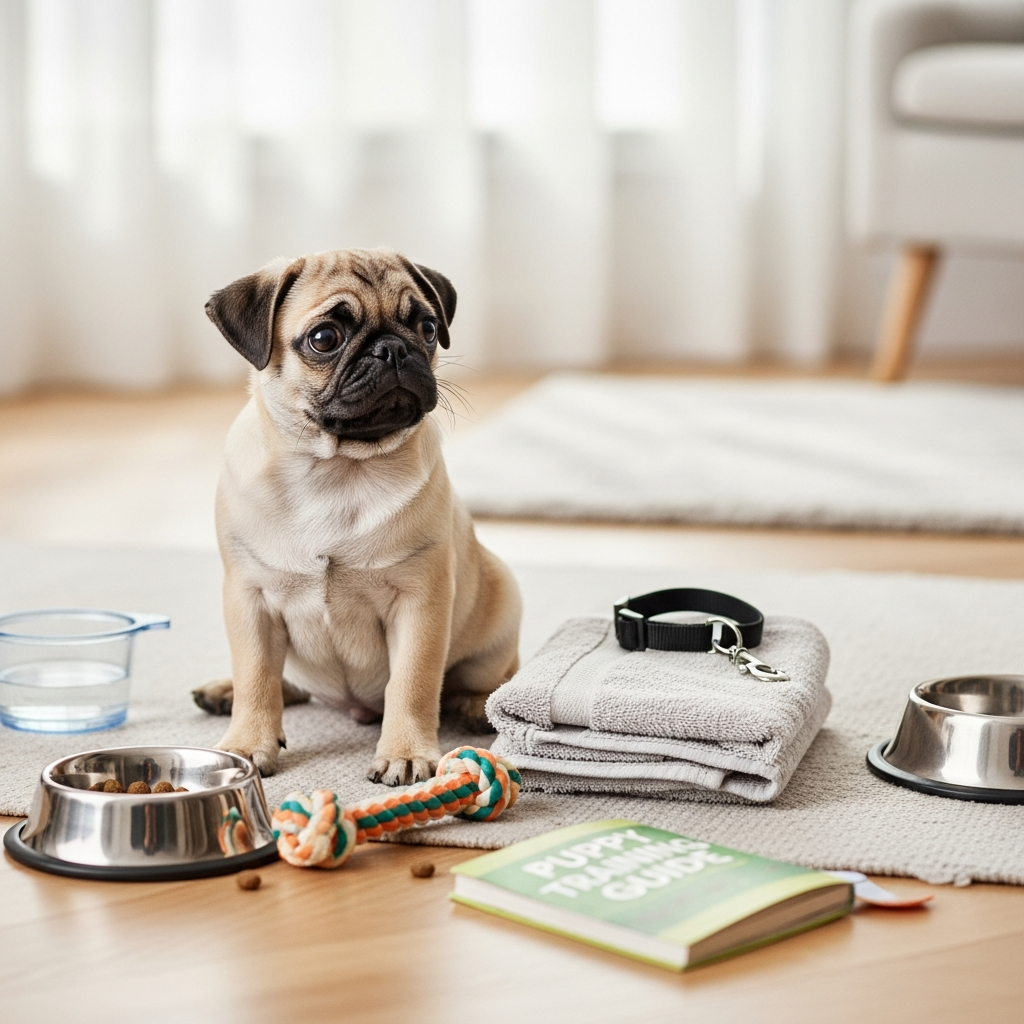
Pug puppies thrive on routine. Predictable schedules reduce stress, help with training, and keep your puppy confident.
Feed at consistent times each day. This supports digestion, regulates bathroom habits, and gives your puppy structure. Portion control is essential to prevent obesity, which pugs are prone to.
Puppies sleep 16–18 hours daily, especially in the first few months. Encourage rest between play sessions. Quiet environments, soft bedding, and consistent nap times promote healthy sleep cycles.
Frequent bathroom breaks reinforce house-training. Take your puppy outdoors every 2–3 hours during the day. Celebrate successes with praise and tiny treats to encourage repetition.
Pugs enjoy playtime but are prone to overheating and overexertion. Gentle exercise is key:
Avoid long hikes or running, as pugs’ short noses limit oxygen intake. Mental stimulation during playtime is equally important, burning energy without strain.
Mental exercise keeps pug puppies balanced and reduces destructive behavior. Activities include:
Mental challenges stimulate your puppy’s sharp mind and encourage focus. Combine short mental sessions with physical activity for a balanced daily routine.
Incorporate grooming into daily or weekly routines to make your pug comfortable with handling:
Early exposure to grooming ensures lifelong cooperation.
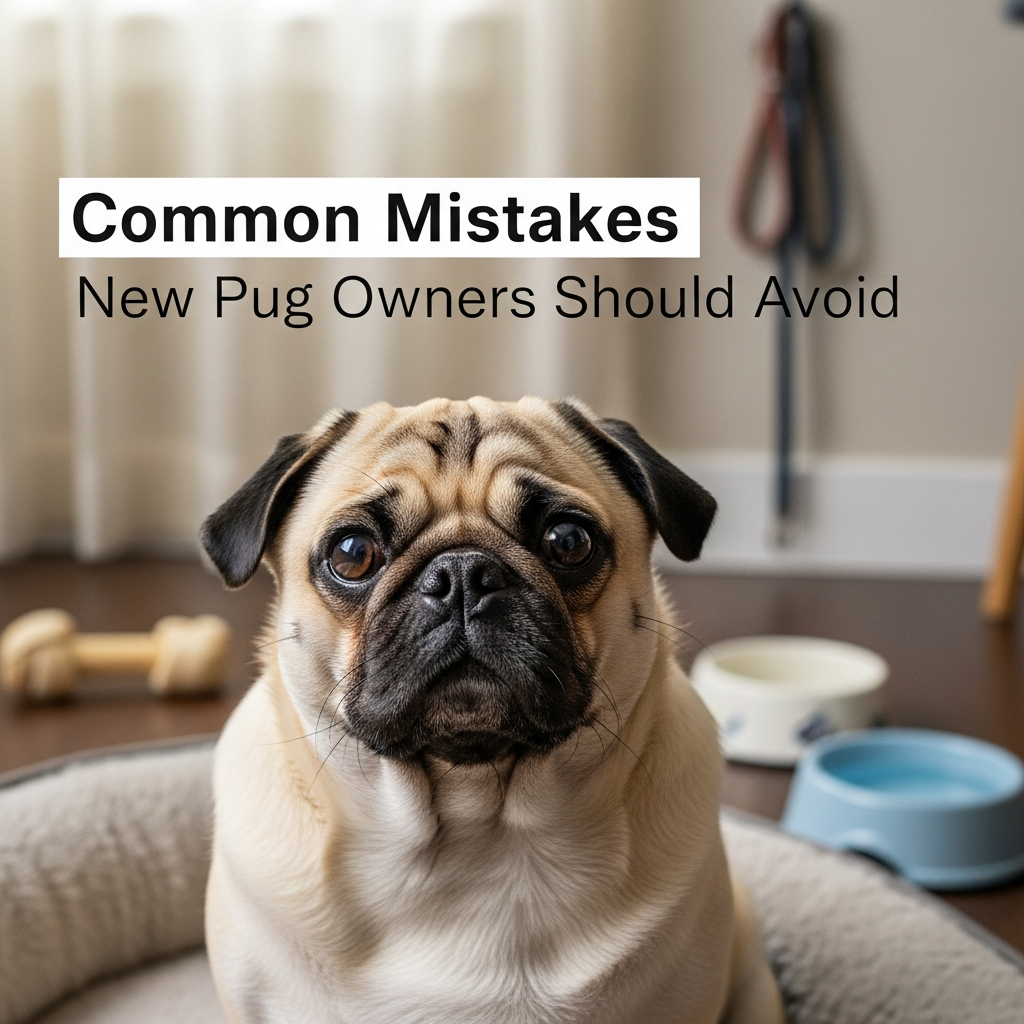
Even the most well-intentioned owners make mistakes. Being aware helps you prevent frustration, health issues, or behavioral problems.
Pugs love food, making overfeeding common. Excess weight can lead to joint problems, breathing difficulty, and reduced lifespan. Measure meals carefully and limit treats.
Failing to expose your puppy to new experiences can result in fearfulness and anxiety. Start socialization early, gradually introducing safe and positive experiences.
High-intensity exercise can strain a pug’s joints and respiratory system. Stick to low-impact, controlled activities suited to their physical abilities.
Neglecting skin folds leads to yeast infections, irritation, and odor. Clean and dry wrinkles daily to prevent problems.
Punishment or negative reinforcement can harm a pug’s confidence. Positive, reward-based training fosters trust, cooperation, and a happy, responsive puppy.
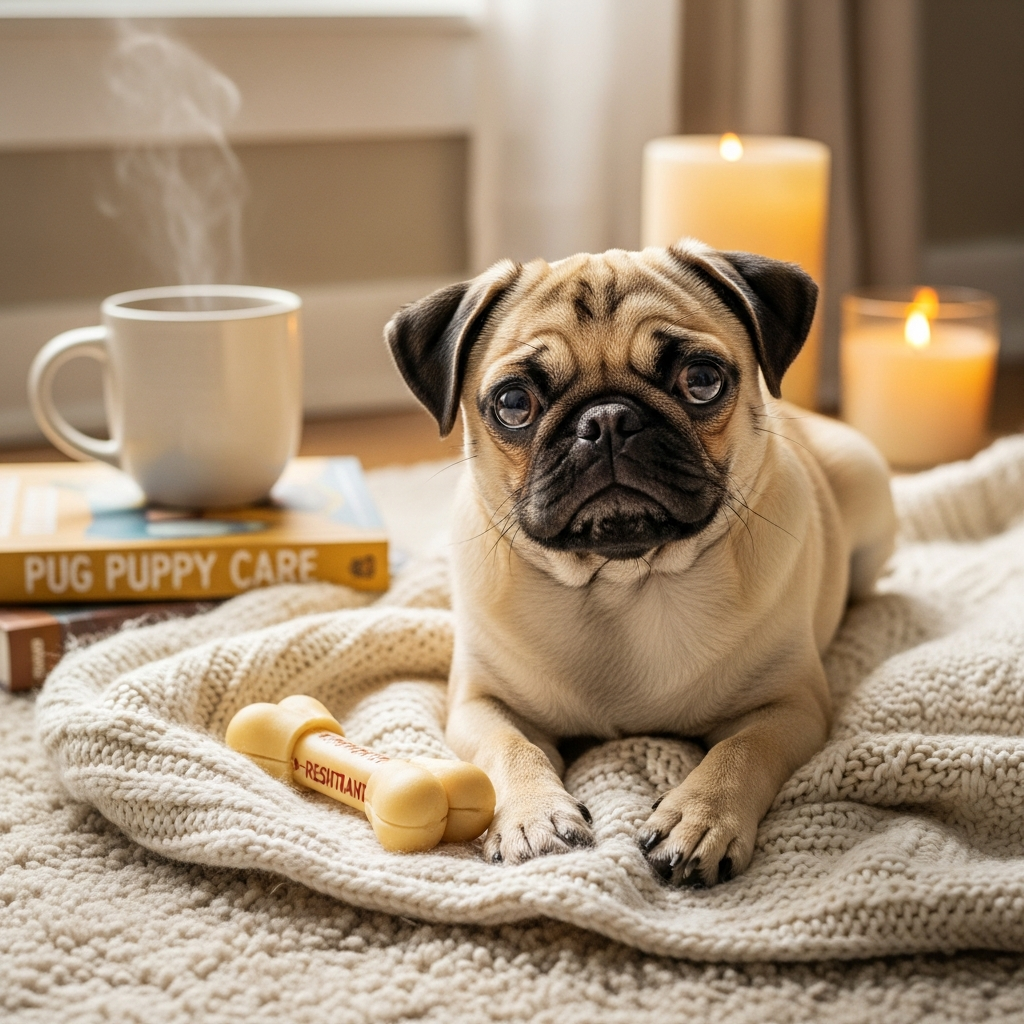
Good habits during puppyhood lay the foundation for a healthy life. Early attention to health, diet, and lifestyle ensures your pug grows into a cheerful adult.
Routine veterinary checkups are essential. Follow vaccination schedules and consult your vet about parasite prevention, microchipping, and general health screenings. Early detection of issues keeps your puppy healthy.
Pugs gain weight easily. Maintain proper portion sizes, choose high-quality food, and limit treats. A healthy weight supports joint health and overall longevity.
Monitor your pug’s breathing, especially during play or hot weather. Avoid excessive exertion and provide cool resting areas. Know the signs of respiratory distress and act promptly if they appear.
Regular mental activity prevents boredom, anxiety, and destructive behavior. Rotate puzzle toys, introduce scent games, and incorporate short training sessions into daily life.
Pugs are social and thrive on companionship. Daily attention, play, and cuddle time strengthen your bond and enhance emotional development.
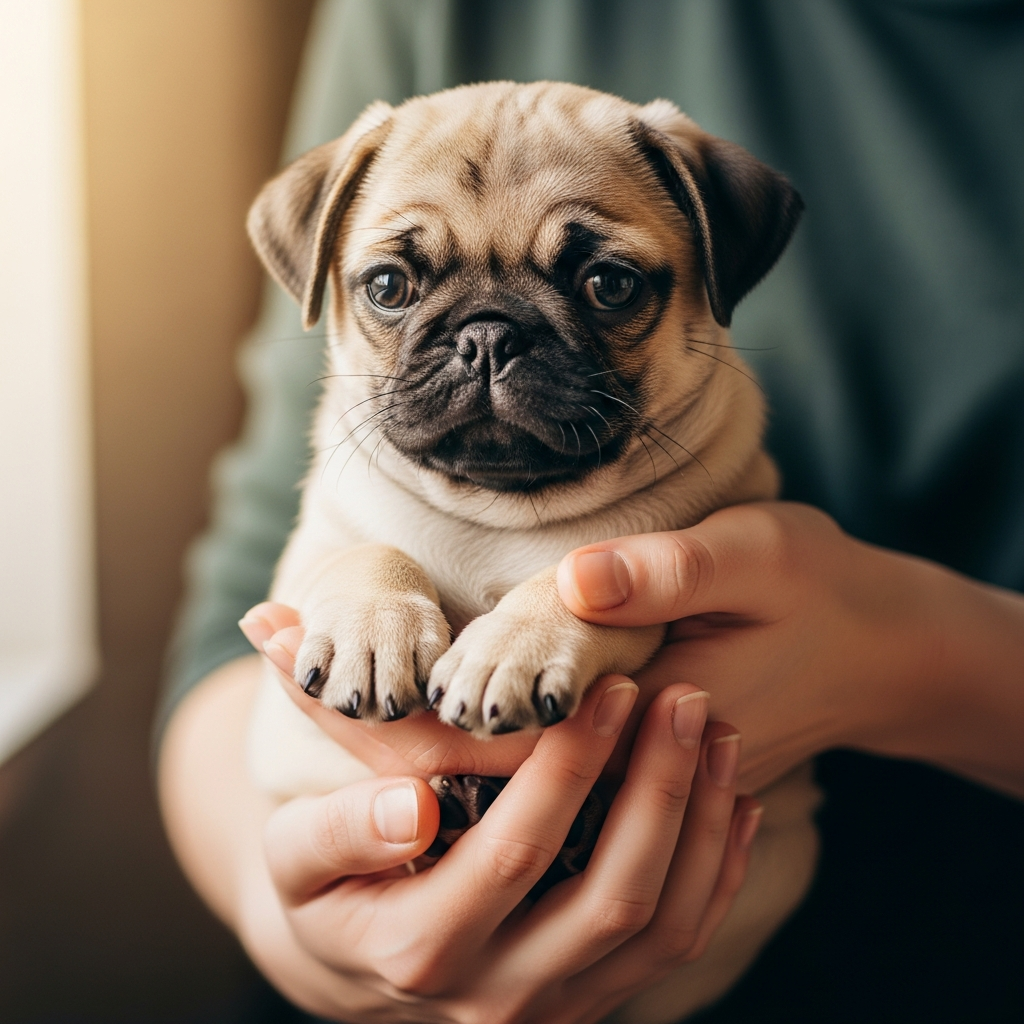
Daily care habits make a big difference in your pug puppy’s health, happiness, and development. Small, consistent efforts build a strong foundation for life.
Pug puppies have limited attention spans. Keep training sessions short, around 5–10 minutes, multiple times per day. Make each session fun and rewarding with treats, toys, or praise.
Due to their short noses and delicate tracheas, pugs are prone to respiratory issues. Always use a well-fitted harness instead of a collar for walks or leash training to reduce strain on their airway.
Select chew toys that are soft and appropriately sized. Avoid small toys that could be swallowed or hard toys that could damage teeth.
Pugs overheat easily. Avoid outdoor activity during hot days, ensure access to shade, and never leave your puppy in a parked car. Keep fans or air conditioning on in warm environments.
Start brushing your pug puppy’s teeth early. Daily or frequent brushing reduces plaque buildup, prevents gum disease, and encourages long-term dental health.
Daily wipe-downs of facial wrinkles prevent infections. Use gentle, damp cloths and dry thoroughly. Consistent care prevents irritation and discomfort.
Include simple games and toys to stimulate your pug’s mind. Hide-and-seek, basic obedience drills, or treat puzzles keep your puppy sharp, reduce boredom, and channel energy productively.
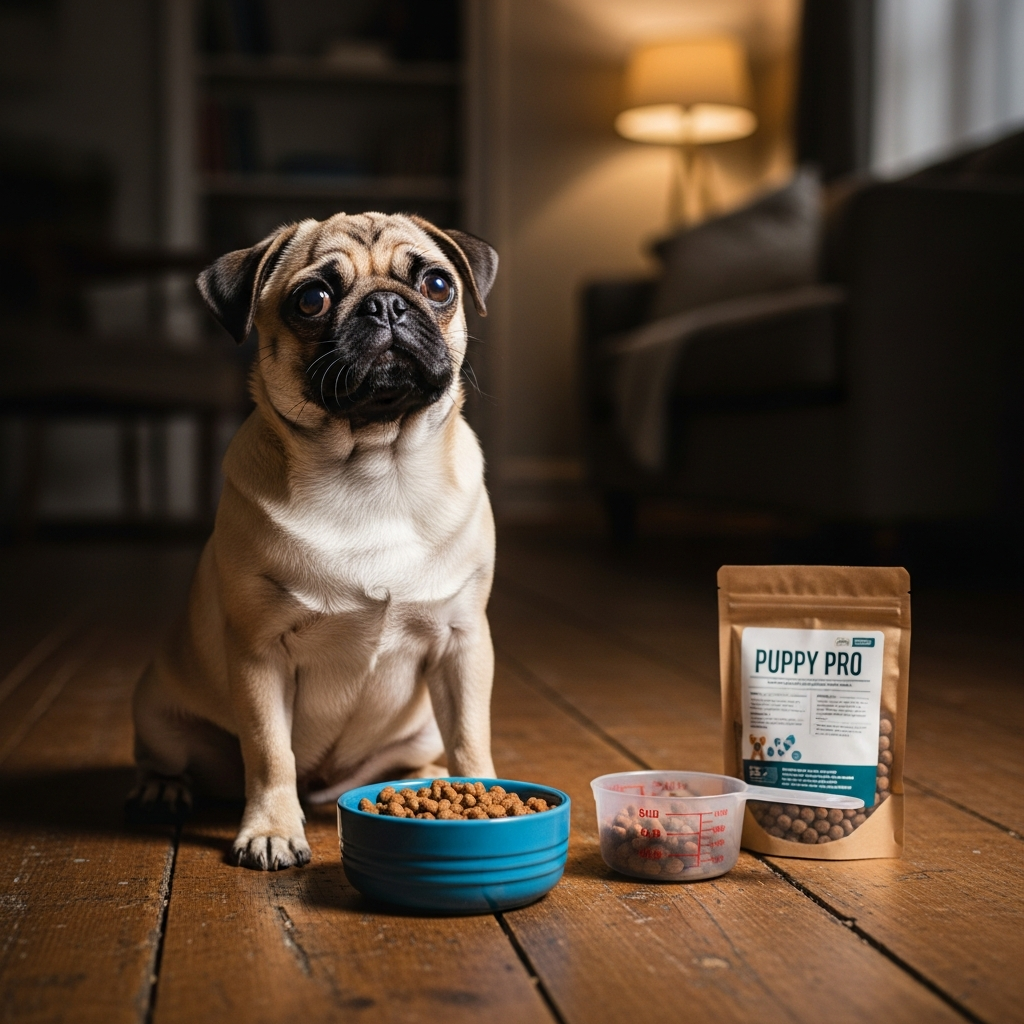
Proper nutrition is crucial for pug puppies, whose small size, brachycephalic features, and propensity to gain weight require careful attention.
Choose high-quality small-breed puppy food with real meat as the first ingredient. Avoid excessive fillers like corn, wheat, or soy. Protein supports muscle development, and fats provide energy for growing puppies.
Follow feeding instructions based on weight and age. Measure meals precisely, avoiding free-feeding, which can lead to obesity. Overweight pugs face joint stress and respiratory difficulties.
Fresh water should always be available. Pugs are sensitive to heat and can become dehydrated quickly, so monitor intake and refill frequently.
Use small, low-calorie treats during training. Save higher-value treats for reinforcing important commands or exceptional behavior. Keep treats under 10% of daily caloric intake.
Certain foods like chocolate, grapes, onions, or fatty scraps can be toxic. Stick to vet-approved treats and a balanced diet to protect health.
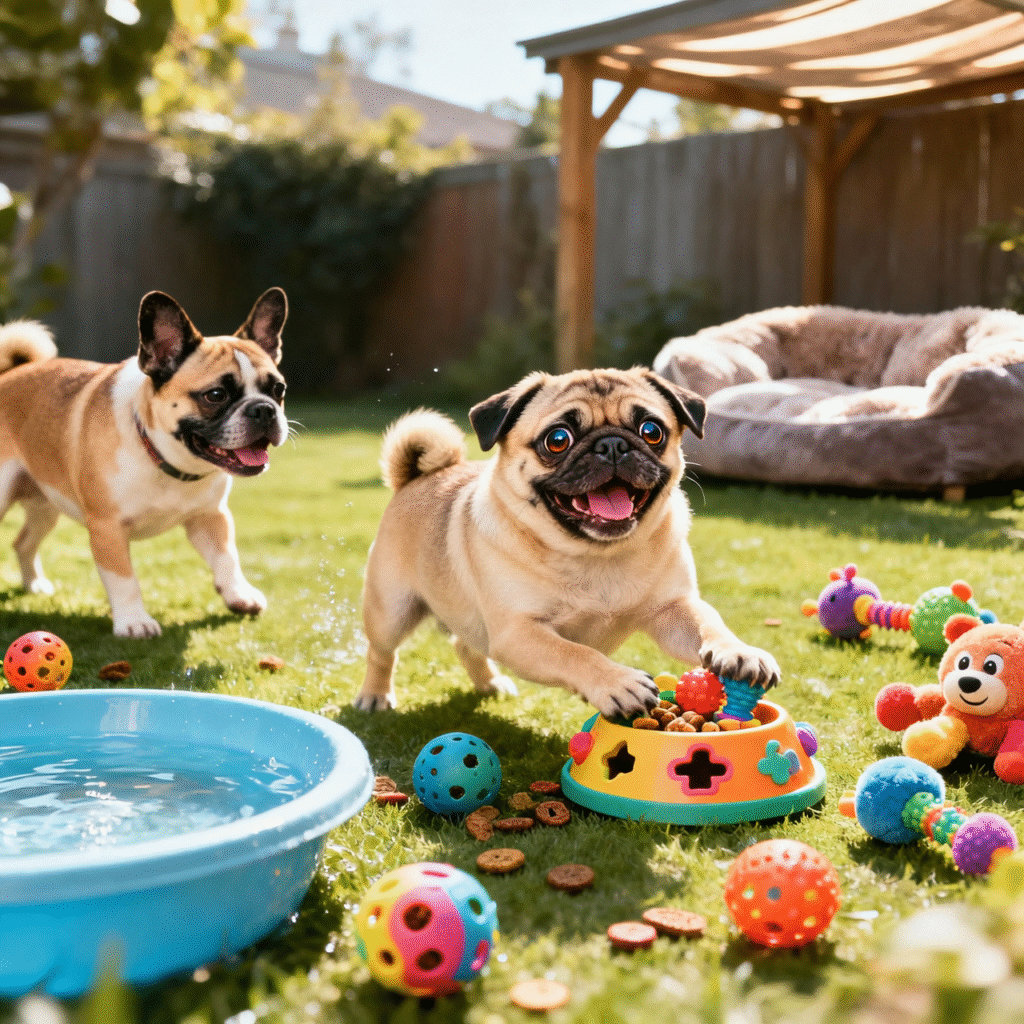
Pug puppies thrive when exposed to diverse experiences early in life. Proper socialization reduces anxiety, fear, and aggression.
Introduce your puppy to family, friends, and neighbors. Positive interactions with gentle handling build confidence.
Controlled exposure to other dogs, cats, or pets ensures safe, respectful interactions. Monitor initial meetings to avoid stress or conflict.
Pugs benefit from exploring safe outdoor areas, car rides, or quiet public spaces. Gradual exposure helps them adapt to changes without fear.
Mental stimulation complements socialization. Introduce new toys regularly, and rotate puzzle feeders to challenge problem-solving skills.
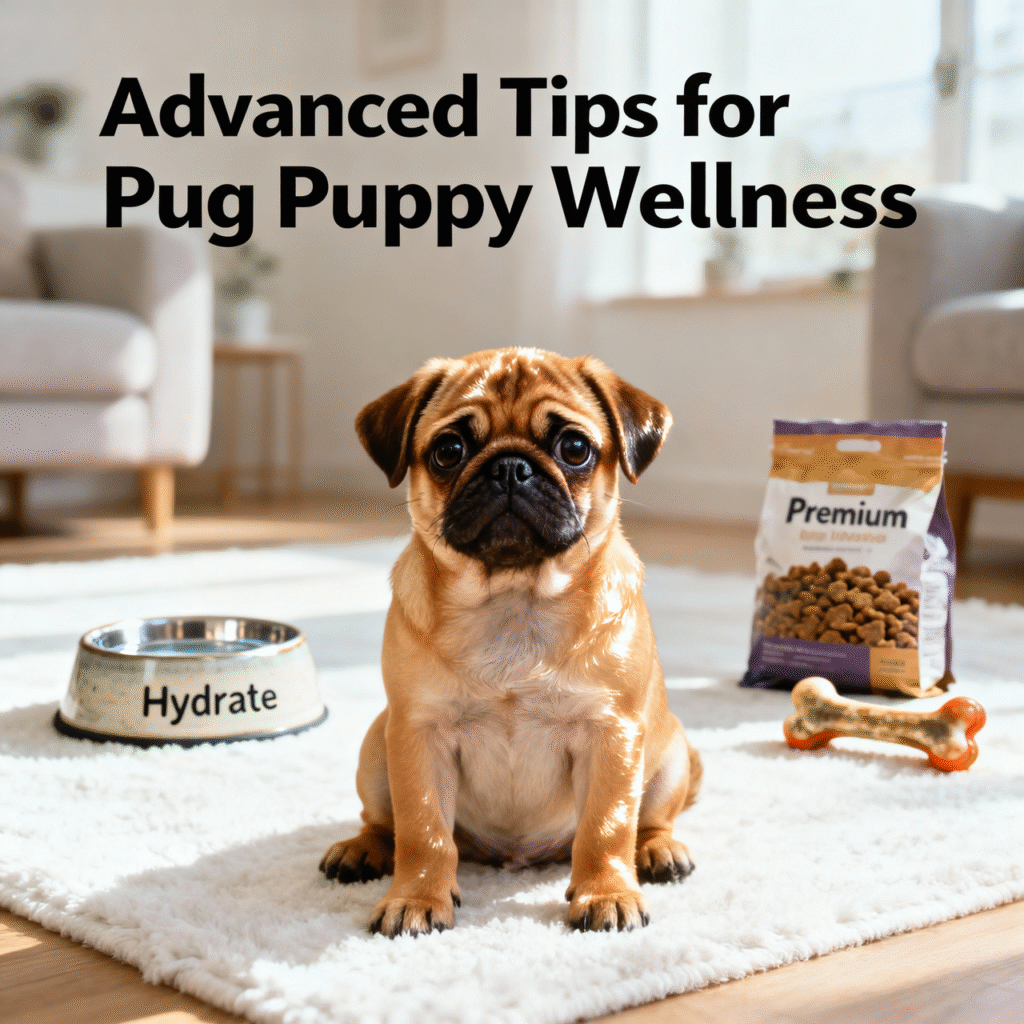
As your pug grows, consider advanced strategies to maintain health and prevent common breed-specific issues.
Even after vaccinations, schedule routine vet visits every six months. Discuss weight management, dental care, joint health, and early detection of common pug problems like breathing difficulties or eye conditions.
Maintain a healthy body condition through regular weigh-ins and vet consultations. Adjust portions as growth stabilizes.
Continue short, controlled walks and play sessions. Avoid overexertion or high-impact activities that may stress joints and respiratory systems.
Pugs are prone to corneal injuries due to their prominent eyes. Clean gently with vet-approved solutions and monitor for redness, discharge, or irritation.
Check ears weekly. Use gentle cleaning solutions to prevent wax buildup, infections, or odor. Never insert cotton swabs deep into the ear canal.
Monitor for signs of stress, anxiety, or aggression. Early intervention, training, or consultation with a behaviorist helps correct patterns before they worsen.
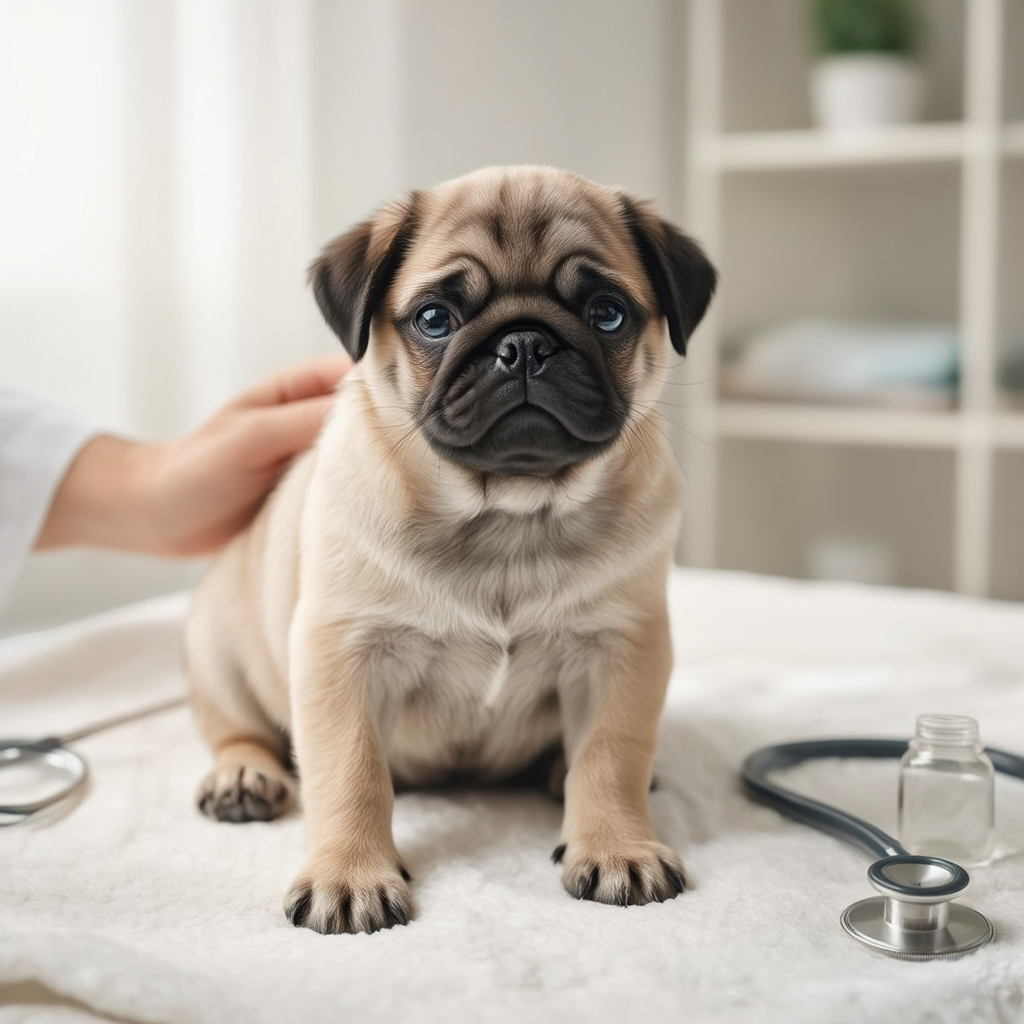
Understanding potential health problems helps new owners take preventive steps.
Due to their short snouts, pugs are prone to breathing difficulties. Prevent overheating, maintain a healthy weight, and limit strenuous activity.
Wrinkles and skin folds can trap moisture. Clean daily and monitor for redness, odor, or irritation.
Obesity increases the risk for joint pain, respiratory issues, and heart disease. Portion control, exercise, and diet management are essential.
Pugs can develop food or environmental allergies. Watch for itching, redness, or gastrointestinal upset. Consult your vet for diagnosis and treatment.
Corneal ulcers, dry eyes, or progressive retinal atrophy are common. Regular eye checks and protective care prevent long-term damage.
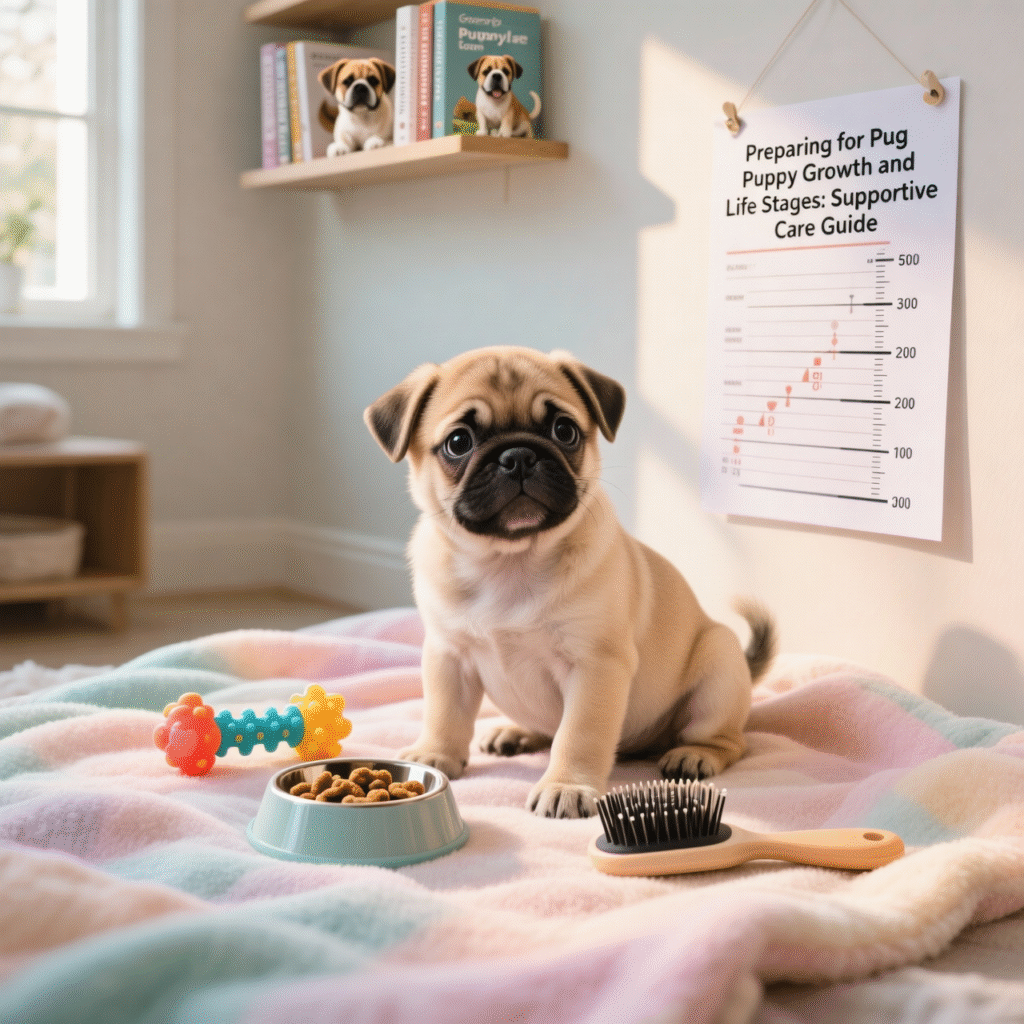
As your pug matures, their needs evolve. Early preparation ensures a smooth transition to adulthood.
Reinforce previously learned commands and introduce new skills. Adolescence may bring testing of boundaries; consistency is key.
Switch from puppy to adult dog food around 9–12 months, based on vet recommendations. Maintain high-quality protein and appropriate fat levels.
Adolescent pugs may require slightly longer walks but remain sensitive to heat and overexertion. Monitor energy and breathing during activity.
Continue positive socialization experiences. Teenage pugs can benefit from structured playdates and exposure to varied environments.
Schedule regular checkups and vaccinations. Address any emerging issues, particularly in joints, eyes, or breathing.
Raising a pug puppy is a joyful and deeply rewarding experience filled with laughter, affection, and constant companionship. Pugs are naturally loving, playful, and loyal dogs who thrive when they feel secure, understood, and cared for. The early months are especially important, as attention to nutrition, exercise, grooming, training, and socialization helps establish healthy habits that last a lifetime. These fundamentals provide a solid basis for an adult pug who is composed, self-assured, and happy when they are taught early and consistently.
Pugs have certain breed-specific issues, such as sensitive skin, a propensity to gain weight, and breathing sensitivities, just like any other breed. While these issues can sound intimidating at first, they are very manageable with patience, awareness, and commitment. Monitoring daily routines, keeping portions appropriate, providing gentle exercise, and maintaining proper hygiene go a long way in preventing discomfort and long-term problems.
Your daily efforts matter more than perfection. Gentle training, predictable routines, balanced feeding, and plenty of affection help your pug feel safe and supported. Celebrate small milestones, enjoy quiet cuddle moments, and embrace the humor and charm that make pugs so special. By investing in their care today, you are shaping a loyal, joyful, and healthy companion who will enrich your life with love and laughter for many years to come.
Yes. Pugs are a fantastic option for first-time dog owners because they are loving, flexible, and eager to please.
Pug puppies need short, gentle play sessions throughout the day rather than long or intense exercise.
They are intelligent but can be stubborn. Positive reinforcement, patience, and consistency work best.
Some health concerns can appear early, which is why regular vet visits and close observation are important.
Most pug puppies do well with three small meals per day, following veterinarian guidance.
Yes. Pugs shed year-round, so regular brushing helps manage loose hair.
Wrinkles should be cleaned and dried regularly to prevent irritation and infection.
Indeed. Pugs make wonderful family companions because they are typically kind and loving.
Pug puppies sleep a lot, often 18 to 20 hours a day, which is normal for their growth.
They prefer companionship and should not be left alone for long periods, especially when young.
Basic training and socialization should start as early as possible in a positive, low-stress way.
Moderate temperatures are best, as pugs are sensitive to heat and extreme cold.
Regular routines, affection, gentle play, a nutritious diet, and mental stimulation all contribute to a happy pug puppy.