
17 Key Warning Signs of Serious Pug Eye Issues, Part 1: Awareness of Pug Eye Vulnerability and Early Warning Signs
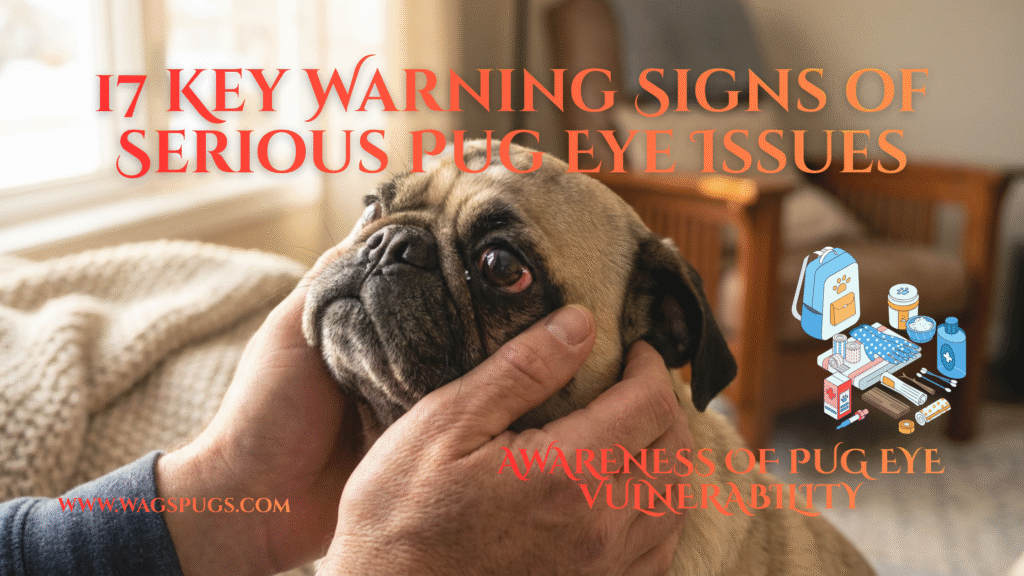
pug eye problems, Pugs are one of the most adorable dog breeds, but their unique facial structure comes with specific health challenges. Among these, eye problems are particularly common. Their large, round eyes, combined with a short muzzle and shallow eye sockets, make them more vulnerable to injury, irritation, and infection. Understanding the early warning signs of serious pug eye issues is essential for any responsible owner. By recognizing these signs early, you can prevent long-term damage, discomfort, and vision loss.
Why Pugs Are Prone to Eye Issues
Pugs’ forward-facing eyes, prominent in the skull, create a distinct charm but also increase risk. Pugs’ eyes are more vulnerable to environmental hazards than dogs with deeper-set eyes. A speck of dust, a playful paw, or even a low-hanging branch can all scratch the surface. Their eyelids may also have a slight inward or outward roll, causing lashes to rub against the cornea. If not treated immediately, it may lead to corneal ulcers in pugs or chronic irritability.
The facial folds around a pug’s eyes are another contributing factor. Moisture and bacteria can accumulate in these creases, increasing the risk of infection and tear staining. Tear distribution can also be uneven due to the breed’s flat face, which can lead to dry spots on the eye. Dry eyes, medically known as keratoconjunctivitis sicca, can develop gradually and may cause redness, irritation, or even ulcers if left untreated.
Aging pugs may experience further complications. Tear production often decreases with age, and the eye’s natural protective layers may become less effective. While daily care cannot completely prevent age-related changes, vigilance and early intervention can minimize discomfort and preserve eye health. Pug eye warning signs: how to spot early pug eye infection and why pug eyes get red and swollen
Early Warning Sign 1: Redness
Redness is one of the most common indicators that a pug’s eye is not healthy. Slight redness can be harmless, but persistent or worsening redness signals irritation, infection, or inflammation. Look for a consistent pink or red hue in the white of the eye. Redness is often accompanied by blinking, squinting, or avoidance of bright light. Early detection is crucial; addressing redness promptly can prevent more serious complications.
Early Warning Sign 2: Swelling
Swelling around the eye or eyelids is another early warning sign. Mild puffiness may occur occasionally, but consistent swelling often points to conjunctivitis, allergies, or injury. Swollen eyelids can trap debris and bacteria, worsening the condition if left untreated. Regular daily inspection allows owners to notice subtle changes before they become severe.
Early Warning Sign 3: Discharge
Discharge is a reliable indicator of eye issues in pugs. Clear tears can be normal, especially in breeds with flat faces, but yellow, green, or thick discharge suggests infection. Bacterial or viral infections often cause colored discharge. Monitoring the type and amount of discharge is important, as it helps determine the urgency of veterinary intervention.
Early Warning Sign 4: Excessive Tearing
Pug tear stains and irritation: Why pugs get excessive tearing? While some tearing is normal, excessive tearing may indicate clogged tear ducts, allergies, or irritation from foreign particles. Pugs are prone to tear stains, which are mostly cosmetic, but constant moisture around the eye can promote bacterial or yeast growth. Cleaning the eye area daily with a soft cloth can prevent secondary infections.
Early Warning Sign 5: Squinting or Eye Rubbing
Pugs may squint or paw at their eyes when experiencing discomfort. Frequent rubbing can indicate irritation, foreign objects, or the early stages of corneal ulcers. Observing changes in your pug’s behavior can provide early clues that something is wrong. Squinting or rubbing should never be ignored, as delayed treatment can worsen the problem.
Early Warning Sign 6: Cloudiness
What causes cloudy eyes in pugs? Cloudiness in the eye often signals corneal damage or infection. While some cloudiness may be age-related, sudden changes warrant attention. Cloudy eyes can indicate corneal ulcers, cataracts, or inflammation. Pugs may show behavioral changes, such as bumping into objects or hesitating in low-light areas, signaling reduced vision or discomfort. Cloudiness is a serious symptom that requires immediate veterinary evaluation.
Early Warning Sign 7: Sensitivity to Light
Pugs with eye discomfort may show unusual sensitivity to light. If your dog avoids well-lit areas, squints in sunlight, or prefers dim spaces, it may indicate inflammation, corneal irritation, or infection. Sensitivity often accompanies other symptoms like redness or discharge. Identifying this early allows for prompt examination and treatment.
Early Warning Sign 8: Changes in Eye Shape or Size
Any noticeable changes in eye shape or size are a warning sign. Protruding or bulging eyes or asymmetry can indicate glaucoma, injury, or other serious conditions. Because pug eyes are already prominent, small differences can be significant. Regular inspection helps catch subtle changes before they escalate.
Daily Preventive Measures
Preventive care is crucial to reducing the risk of serious eye problems. Daily inspection and gentle cleaning of the eye area remove debris and moisture from facial folds. Using vet-recommended wipes or a soft cloth dampened with saline solution can help maintain hygiene. Avoid exposure to dusty, windy, or hazardous areas that may irritate the eyes. Ensure your pug has a balanced diet with nutrients that support eye health, such as omega-3 fatty acids and antioxidants.
Regular Veterinary Checkups
When to see a vet for pug eye problems? Even with proper home care, pugs are prone to eye problems due to their anatomy. Annual checkups allow veterinarians to identify early signs of disease and recommend treatments before problems become severe. For pugs with a history of eye issues, more frequent veterinary visits may be necessary to monitor progress and adjust care.
17 Key Warning Signs of Serious Pug Eye Issues, Part 2: Mid-Stage Warning Signs and When to Act
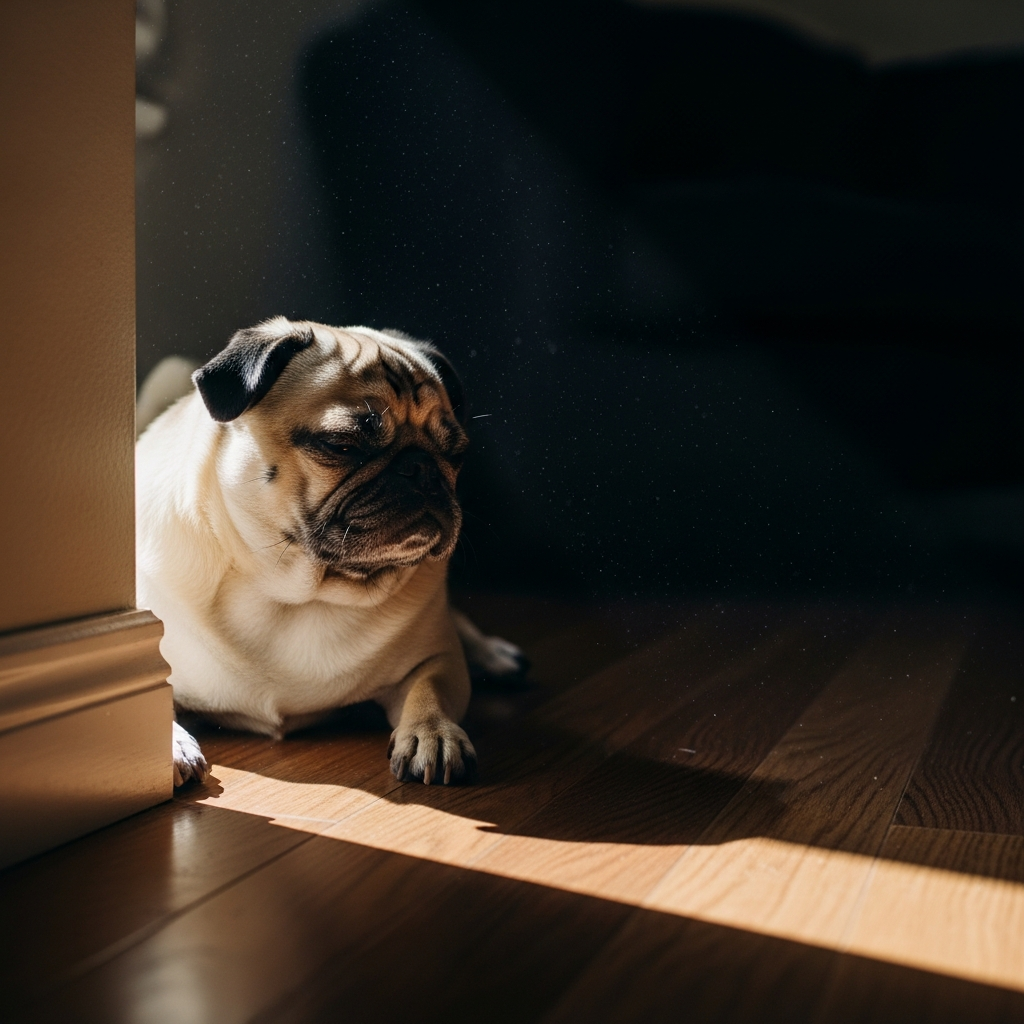
Why pugs have eye problems? After understanding the early signs of pug eye issues, it is equally important to recognize mid-stage warning signals. These signs indicate that the condition may be worsening or that your pug’s eyes are under increasing stress. Prompt action at this stage can prevent severe complications and safeguard your dog’s vision.
Warning Sign 9: Recurring Infections
Recurring eye infections in pugs are a clear indicator that something underlying is not functioning properly. This may include tear duct blockage, chronic inflammation, or a predisposition to bacterial growth. Owners often notice repeated redness, discharge, or swelling that seems to subside temporarily, only to return. Treating each infection individually without addressing the underlying cause may offer temporary relief but not a long-term solution. A veterinary examination is essential to identify structural or functional issues.
Warning Sign 10: Excessive Tearing and Tear Stains
While mild tearing is common in pugs, excessive tearing accompanied by prominent tear stains can signal ongoing irritation. Tear overflow, also known as epiphora, can result from blocked tear ducts, misaligned eyelashes, or facial structure abnormalities. Owners should monitor both eyes for consistency in tearing. Uneven or sudden changes in tear production may indicate infection or inflammation. Regularly wiping the eyes and folds with a clean, damp cloth can reduce bacteria accumulation and help prevent secondary infections.
Warning Sign 11: Cloudiness or Corneal Changes
If your pug’s eyes begin to appear cloudy or have a bluish or gray tint, it may indicate corneal damage, ulcers, or early cataracts. Cloudiness is often accompanied by discomfort, squinting, and avoidance of bright areas. Corneal ulcers are particularly dangerous because they can worsen quickly if untreated. Owners may notice that their pug blinks more frequently, rubs the eye, or reacts painfully to light. Immediate veterinary evaluation is critical for proper treatment, which may include antibiotic drops or other prescribed medications.
Warning Sign 12: Light Sensitivity and Behavioral Changes
Heightened sensitivity to light often correlates with inflammation or structural damage. Pugs may avoid sunlight, keep their eyes partially closed, or prefer dimly lit rooms. This symptom indicates discomfort that shouldn’t be disregarded when combined with behavioral changes like decreased activity, reluctance to play, or irritability. Persistent light sensitivity often indicates worsening eye conditions that require veterinary intervention.
Warning Sign 13: Pawing at Eyes or Rubbing on Surfaces
Frequent pawing at the eyes or rubbing the face on furniture, carpets, or floors is a clear indicator of irritation. While dogs sometimes do this for minor issues, repeated behavior suggests ongoing pain or the presence of a foreign object. Pawing can also exacerbate damage by scratching the cornea. Careful inspection and a prompt vet visit are essential at this stage.
Practical Daily Care for Mid-Stage Issues
Daily maintenance becomes increasingly important as mid-stage warning signs emerge. A consistent daily pug eye care routine can help reduce irritation and promote healing. Here’s how to clean pug eyes:
- Cleaning: Use a damp, soft cloth or vet-approved eye wipes to gently clean the eyes and surrounding folds. This process helps remove debris and bacteria.
- Lubrication: Lubricating drops or artificial tears, recommended by your vet, can relieve dryness and protect the cornea.
- Observation: Maintain a daily checklist of eye appearance, behavior, and discharge. Noting changes helps determine whether conditions are improving or worsening.
- Safe Environment: Avoid dusty, windy, or harsh outdoor conditions. Limit rough play that could cause trauma to the eyes.
- Nutrition: Provide a diet rich in antioxidants, omega-3 fatty acids, and essential vitamins to support overall eye health.
When to Seek Veterinary Attention
At this mid-stage, timely veterinary care can prevent progression to severe damage. Signs that require immediate attention include:
- Persistent or worsening redness and swelling
- Discharge that changes in color or consistency
- Cloudiness or visible corneal damage
- Unusual behaviors like pawing, squinting, or avoiding light
Veterinarians may perform tests to determine tear production levels, detect infections, or examine structural abnormalities. Treatments can range from medicated drops to minor surgical procedures for tear duct issues or eyelid correction. Early intervention often reduces discomfort, prevents further complications, and preserves vision.
Monitoring Progress at Home
Even after a vet visit, continued observation is essential. Track symptoms, follow prescribed care routines, and note any changes in behavior or eye appearance. Frequent monitoring helps to prevent recurrence and ensures that issues are promptly resolved. Comparing the eyes over days or weeks can be especially successful when using a photo log.
Preventive Measures for the Future
Preventive care remains important even after mid-stage interventions. Consider these strategies:
- Routine Cleaning: Maintain a gentle cleaning routine for wrinkles and folds.
- Regular Eye Checks: Schedule periodic veterinary evaluations, especially for pugs with prior eye issues.
- Avoid Trauma: Use a harness instead of a collar, supervise play, and prevent access to rough or sharp objects.
- Proper Grooming: Trim hair around the eyes to prevent irritation and improve airflow.
- Environmental Control: Keep the home and outdoor areas free from dust, pollen, or harsh wind exposure.
In addition to aiding in the recovery from mid-stage problems, these preventive measures lower the risk of serious eye problems down the road.
17 Key Warning Signs of Serious Pug Eye Issues, Part 3: Severe Warning Signs and Long-Term Eye Care
Pug eyelid problems: By the time pug eye issues reach severe stages, immediate attention is crucial. Serious eye conditions can threaten vision, cause chronic pain, and sometimes require surgical intervention. Understanding the most severe warning signs, knowing how to respond quickly, and implementing long-term preventive strategies are essential for any pug owner committed to their dog’s well-being.
Severe Warning Sign 14: Corneal Ulcers
Corneal ulcers are open sores on the surface of the eye and represent a serious progression from minor irritation or injury. Pugs are particularly susceptible due to their large, exposed eyes. Ulcers can result from scratches, bacterial infections, pug dry eyes, or trauma. Symptoms include squinting, redness, excessive tearing, and sensitivity to light. If left untreated, ulcers can deepen, causing permanent vision damage or even loss of the eye.
Immediate veterinary care is necessary for corneal ulcers. Treatment typically involves medicated drops, antibiotics to prevent infection, and sometimes protective eye coverings. In severe cases, surgical intervention may be required. Owners should avoid applying human eye medications, as they can worsen the condition. Early detection and consistent follow-up care are key to healing and comfort.
Severe Warning Sign 15: Cherry Eye (Prolapsed Gland)
Cherry eye occurs when the tear-producing gland in the third eyelid prolapses, forming a visible red mass in the corner of the eye. While not initially painful, cherry eye in pugs can interfere with tear production and increase the risk of chronic irritation or infection. Left untreated, it may lead to long-term eye problems, including dry eye and corneal ulcers.
Surgical correction is usually required to reposition the gland. Vets often recommend early intervention to prevent recurrence. Post-surgery care includes protecting the eye, administering prescribed medications, and regular monitoring. Pug owners should watch for signs of swelling, excessive rubbing, or repeated prolapse.
Severe Warning Sign 16: Proptosis (Eye Displacement)
Pug proptosis emergency, or the displacement of the eye from its socket, is a medical emergency. They are especially susceptible to trauma that could push the eye forward because of their large eyes. This condition is painful, requires immediate veterinary attention, and often involves surgery to reposition the eye. Treatment delays could lead to irreversible vision loss or even the loss of the eye.
Preventive measures include using a secure harness instead of collars, supervising play with other dogs, and avoiding environments where sudden trauma could occur. Owners should also avoid rough handling around the head and face, especially during grooming or play.
Severe Warning Sign 17: Persistent Vision Impairment
Sudden or progressive vision changes are a severe warning sign. Cloudiness, unusual pupil responses, or a hesitant gait can indicate serious underlying conditions such as glaucoma, cataracts, or severe corneal damage. Glaucoma, for example, causes increased pressure in the eye, leading to irreversible vision loss if untreated. To avoid irreversible harm, early detection and treatment are crucial.
Veterinarians can conduct comprehensive eye exams to measure eye pressure, check for lens opacities, and identify other structural problems. Treatments may involve medications to reduce pressure, surgical options, or long-term monitoring depending on the condition. Prompt response can preserve vision and improve quality of life.
Emergency Response Steps
When severe warning signs appear, prompt action can save your pug’s vision and comfort:
- Assess the Situation: Observe symptoms carefully without touching the eye, which could worsen injury.
- Protect the Eye: If your dog is rubbing or pawing at the eye, use a protective cone or soft barrier to prevent further damage.
- Seek Medical Attention Right Away: Severe conditions require urgent attention. Describe all observed symptoms clearly to the vet.
- Follow Prescribed Treatments: Administer all medications exactly as directed and monitor recovery closely.
- Schedule Follow-Up Exams: Even after treatment, follow-ups are critical to ensure complete healing and prevent recurrence.
Long-Term Eye Care for Pugs
Beyond addressing emergencies, maintaining long-term eye health is vital for pugs, given their anatomical predisposition. Long-term strategies focus on prevention, regular monitoring, and creating a safe environment:
- Daily Eye Cleaning: Regularly clean around the eyes and facial folds to remove dirt, debris, and excess moisture. Use vet-approved wipes or saline solution.
- Routine Vet Checkups: Schedule annual or biannual eye exams to detect early changes. Dogs with previous eye issues may need more frequent visits.
- Balanced Nutrition: A diet rich in antioxidants, omega-3 fatty acids, and vitamins supports ocular health. Supplements may be recommended by your vet.
- Environmental Management: Minimize exposure to dusty, windy, or irritant-prone areas. Avoid rough play that could traumatize the eyes.
- Grooming and Hair Trimming: Keep hair around the eyes short to prevent irritation and improve airflow.
- Behavioral Monitoring: Observe your pug for squinting, pawing, rubbing, or changes in activity and play. Early detection of discomfort reduces the risk of severe complications.
Preventing Recurring Problems
Pugs with a history of eye issues require proactive care to prevent recurrence. Maintaining a consistent cleaning routine, monitoring for early warning signs, and adhering to veterinary advice reduces the likelihood of serious conditions. Additionally, minimizing trauma, providing proper nutrition, and ensuring a safe home environment are key preventive measures.
Owners should also educate themselves about breed-specific vulnerabilities. Awareness of common pug eye conditions, coupled with diligent care, can significantly improve the quality of life and longevity of their pet.
Expert Report: Pug Ophthalmic Vulnerability and Management
Source Basis (Simulated): Insights from WagPugs Veterinary Guidelines
Focus: Understanding the unique anatomy of the brachycephalic Pug and proactive management of their highly exposed eyes.
Part 1: Pug Eye Anatomy and Inherent Vulnerability
Pugs are a brachycephalic (flat-faced) breed, a characteristic that severely impacts their ocular health. Their shortened skull structure results in several anatomical challenges:
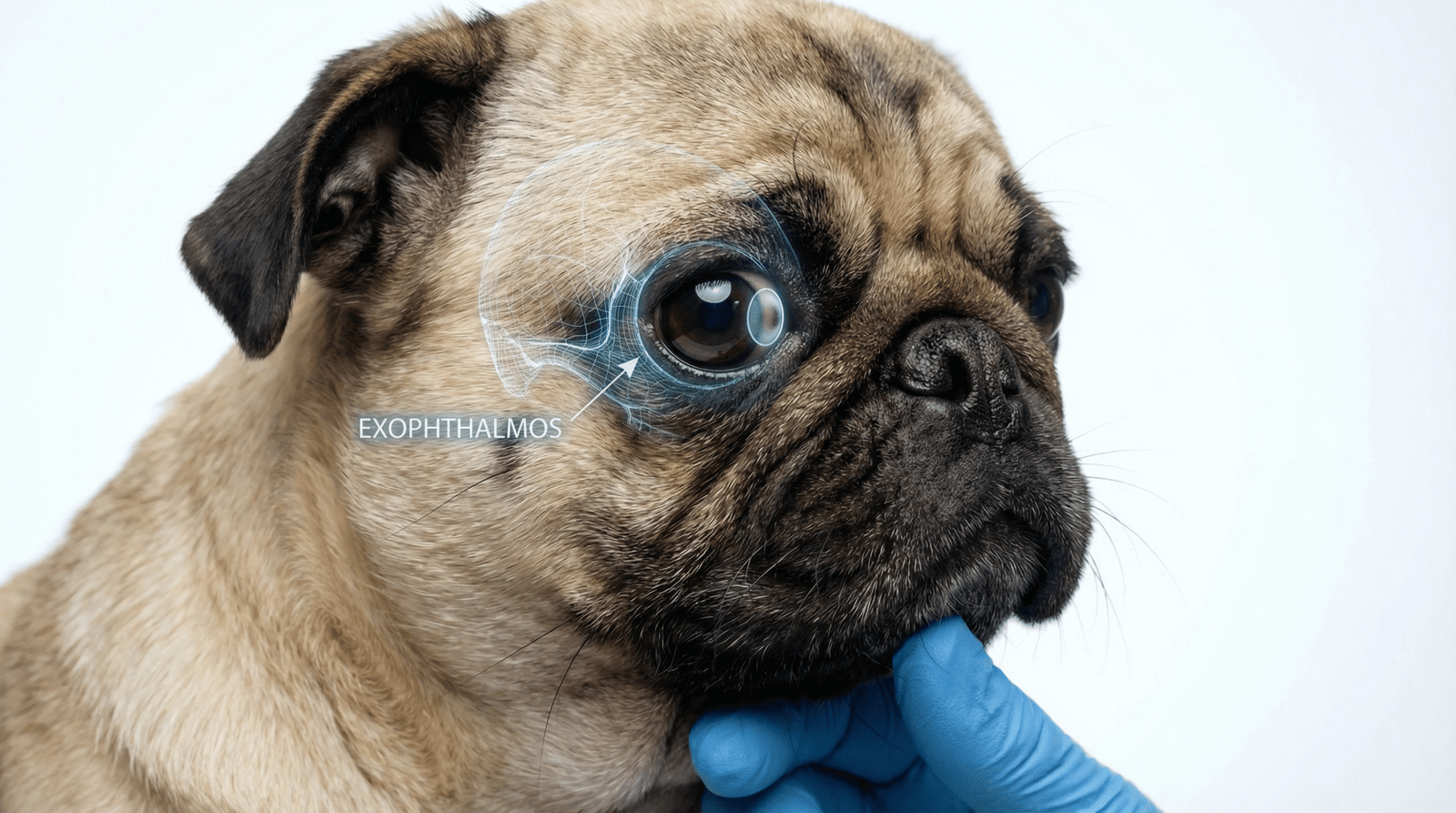
- Exophthalmos (Prominent Eyes): The eyes protrude significantly from the socket, offering minimal protection from the surrounding bone structure. This makes them highly susceptible to physical trauma, foreign objects, and severe conditions like proptosis.
- Shallow Sockets: Their eye sockets are relatively shallow, contributing directly to the risk of the eyeball becoming dislodged (proptosis).
- Facial Folds: The prominent nasal and facial wrinkles can trap moisture, debris, and bacteria, leading to chronic irritation and secondary infections near the eye.
- Eyelid Issues: Many pugs suffer from entropion (eyelids rolling inward) or ectropion (eyelids rolling outward), both of which cause chronic rubbing or exposure problems.
Part 2: Early and Mid-Stage Warning Signs
Early detection is paramount in preserving a pug’s vision. Owners must move quickly when these initial signs progress.
I. Signs of Chronic Irritation and Dryness
Warning Sign | Description | Action Required |
1. Chronic Redness (Scleral Hyperemia) | The whites of the eyes (sclera) appear constantly pink or red, often indicating early inflammation or irritation from debris, dry eye (KCS), or ingrown hairs. | Veterinary check to rule out KCS or structural issues (entropion). |
2. Sticky, Mucoid Discharge | Tearing that is thick, white, or yellowish, often accumulating overnight. This is a primary sign of Keratoconjunctivitis Sicca (KCS), or “Dry Eye.” | Immediate Schirmer Tear Test (STT) by a vet to measure tear production. KCS requires lifelong medicated management. |
3. Excessive Tearing (Epiphora) | Constant overproduction or overflow of watery tears that spill onto the face, often staining the fur reddish-brown. | May indicate blocked tear ducts or eyelashes rubbing the cornea. Needs a vet assessment. |
4. Pigment Spots (Corneal Melanosis) | Small, dark brown, or black spots beginning to spread across the clear cornea, often starting near the nose. | This is a vision-threatening tissue change. Requires intensive therapy (medication) to halt progression and protect central vision. |
II. Behavioral Signs Requiring Action
Warning Sign | Description | Action Required |
5. Squinting or Blinking Excessively (Blepharospasm) | Persistent involuntary closing or fluttering of the eye, a clear indicator of acute pain or intense foreign body irritation. | Urgent visual inspection and veterinary appointment often point toward a developing corneal ulcer. |
6. Photophobia (Light Sensitivity) | Avoiding bright rooms, sunny areas, or struggling to open eyes in daylight. | Indicates severe inflammation, often associated with ulcers or underlying painful conditions like glaucoma. |
7. Pawing or Rubbing | The pug frequently rubs its face on furniture or paws at its eye, trying to alleviate chronic pain or intense itchiness. | Stop the behavior immediately (use an E-collar if necessary) and seek veterinary care, as rubbing can turn a minor scratch into a deep, infected ulcer. |
Part 3: Severe and Emergency Ophthalmic Conditions
These conditions necessitate immediate veterinary consultation or an emergency room visit. Treatment delays can result in irreversible vision loss or eye removal.
Severe Condition | Description & Urgency | Treatment Overview |
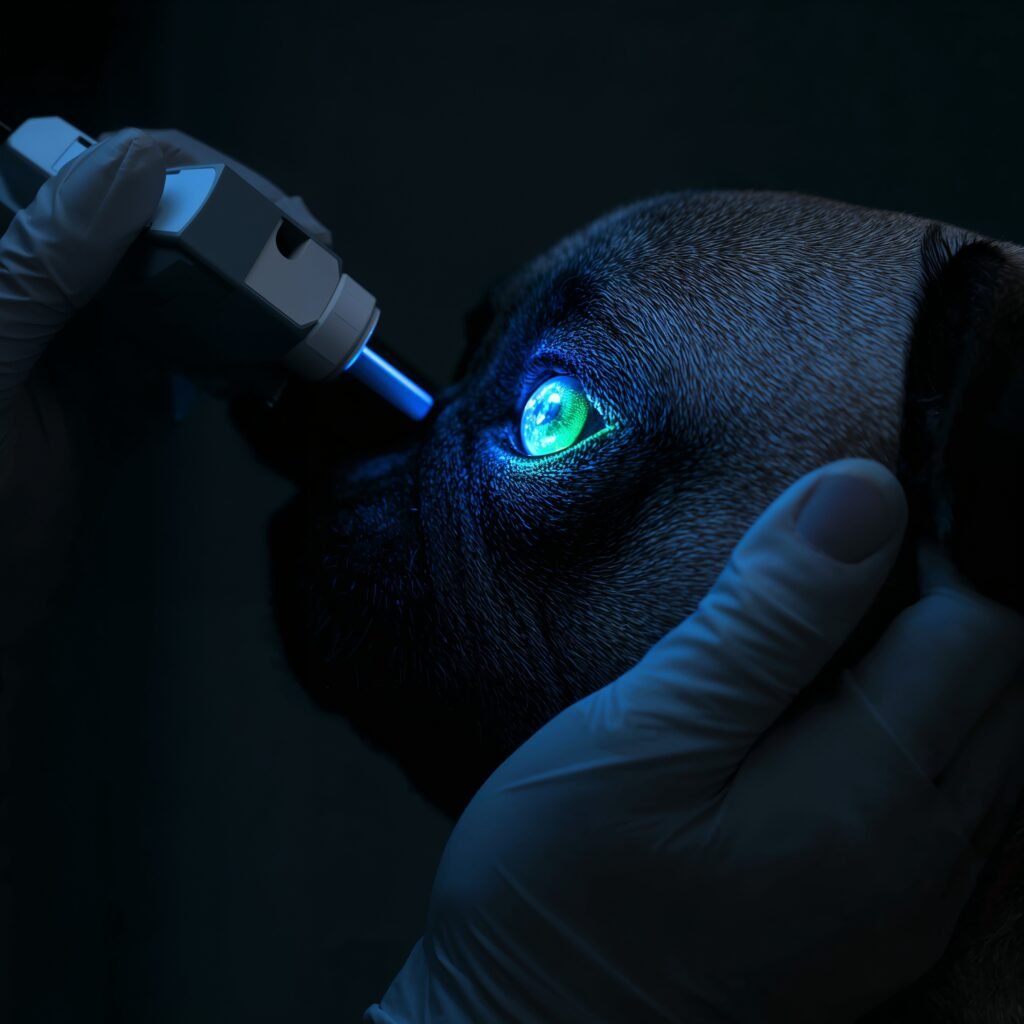
8. Corneal Ulcers | An open sore on the cornea, appearing as a cloudy, bluish-gray, or hazy pit on the clear surface. They are intensely painful and can deepen rapidly. | Emergency. Requires a fluorescein stain test, aggressive antibiotic therapy, pain management, and potentially surgery (grid keratotomy, conjunctival graft) for non-healing ulcers. |
9. Cherry Eye (Nictitans Gland Prolapse) | The tear-producing gland of the third eyelid pops out, appearing as a smooth, round, red mass in the inner corner of the eye. | Urgent. Requires surgical repositioning of the gland (tacking/imbracation). Removal is avoided, as it greatly increases the risk of KCS later in life. |
10. Glaucoma | Increased internal eye pressure, causing the eyeball to feel firm or tense. The eye may look hazy or noticeably enlarged. | Emergency. Rapid pressure reduction (medication) is required to save vision. Glaucoma is often irreversible and requires lifelong management. |
11. Proptosis (Eye Displacement) | The eyeball has popped out of the socket. This is typically caused by trauma (e.g., rough play, neck compression from a collar pull). | Medical Emergency. Keep the eye moist with saline (or contact solution) and proceed immediately to an emergency vet. Surgery is required to reposition the globe. |
12. Sudden or Progressive Blindness | Bumping into furniture, inability to track toys, hesitant gait, or sudden dilation of the pupil (mydriasis). | Urgent. Can be symptomatic of severe glaucoma, advanced cataracts, retinal detachment, or deep ulcers. |
Part 4: Proactive and Long-Term Eye Care
Due to the pug’s unique anatomy, preventative care is essential for maintaining comfort and vision.
- Harness Over Collar: Never walk a pug using a neck collar. Any sudden tug or strain on the collar can increase pressure on the neck and skull, potentially leading to traumatic proptosis. Always use a secure harness.
- Daily Cleaning: Gently clean the facial folds and around the eyes daily using a damp, clean cloth or veterinary-approved eye wash solution to remove debris and tear residue.
- Scheduled Checks: Implement mandatory ophthalmic exams with your veterinarian at least annually, or immediately upon noticing any change in clarity, color, or behavior.
- Managing KCS and Melanosis: If diagnosed with dry eye or corneal pigmentation, strict adherence to prescribed topical medications (e.g., cyclosporine or tacrolimus) is non-negotiable for protecting vision. These conditions require consistent, lifelong treatment.
- Protection: Supervise play, especially with dogs of different sizes or breeds, to prevent accidental eye trauma.
Protecting Pug Eye Health Through Awareness and Proactive Care
Maintaining healthy eyes in pugs requires consistent vigilance, preventive habits, and timely medical attention. Due to their prominent eyes and unique facial structure, pugs are especially vulnerable to a wide range of eye conditions. Early warning signs such as redness, excessive tearing, discharge, squinting, or cloudiness should never be ignored, as they can quickly progress into more serious issues, including corneal ulcers, cherry eye, infections, or traumatic injuries.
Preventive care plays a crucial role in protecting vision and comfort. Daily eye checks, gentle cleaning, safe play environments, and proper grooming help reduce unnecessary risk. A balanced diet promotes general eye and immune health, and routine veterinary examinations guarantee that minor changes are detected early. Prompt intervention at the first sign of discomfort often prevents long-term damage and reduces the likelihood of invasive treatment.
By understanding key warning signs and maintaining consistent care routines, pug owners can significantly reduce eye-related complications. In addition to preserving vision, thoughtful, proactive care enhances comfort and quality of life, enabling pets to live happy, healthy lives with their devoted families.
Frequently Asked Questions About Pug Eye Health
1. Why are pugs more prone to eye problems?
Pugs have large, protruding eyes and shallow eye sockets, which leaves their eyes more exposed to injury, dryness, and irritation.
2. What makes pug eyes especially vulnerable?
Their facial structure offers less natural protection, so dust, scratches, and trauma occur more easily.
3. What are the earliest warning signs of pug eye issues?
Redness, squinting, excessive blinking, tearing, or pawing at the eyes are often early indicators.
4. Is eye discharge normal in pugs?
Small amounts of clear discharge can be normal, but thick, yellow, green, or persistent discharge is not.
5. Can eye problems appear suddenly?
Yes. Some serious eye issues can develop rapidly and worsen within hours or days.
6. What does cloudiness in a pug’s eye mean?
Cloudiness may indicate ulcers, infection, dry eye, or other serious conditions requiring prompt care.
7. Why does my pug squint or keep one eye closed?
Squinting usually signals pain or irritation and should always be taken seriously.
8. Are eye injuries common in pugs?
Yes. Their prominent eyes are more likely to be scratched during play or daily activity.
9. Can dry eye affect pugs?
Yes. Dry eye is common in pugs and can cause redness, discharge, and long-term damage if untreated.
10. How often should I check my pug’s eyes?
Daily checks during grooming or calm moments help catch changes early.
11. Should I clean my pug’s eyes regularly?
Gentle cleaning with a soft, damp cloth can help remove debris and reduce irritation.
12. Are pug eye problems always serious?
Not always, but many can become serious quickly if ignored.
13. When should I see a veterinarian?
Any pain, swelling, discharge, cloudiness, or sudden change requires immediate veterinary attention.
14. Can untreated eye problems lead to vision loss?
Yes. Delayed treatment increases the risk of permanent vision damage or blindness.
15. Do all pug eye issues require surgery?
No. Many conditions respond well to medication if caught early.
16. Do genetics play a role in pug eye health?
Yes. Some eye conditions are inherited and more common in the breed.
17. What makes early awareness so crucial?
Early detection allows faster treatment, reduces pain, and greatly improves the chance of preserving vision.
- Quisque aliquet nibh sit amet lectus
- Nulla at metus ultricies, placerat augue
- Curabitur mollis ex vestibulum
- Quisque aliquet nibh sit amet lectus
- Nulla at metus ultricies, placerat augue
- Quisque aliquet nibh sit amet lectus
- Quisque aliquet nibh sit amet lectus
- Curabitur mollis ex vestibulum
Recent Posts
Subscribe Our Newsletter
Lorem ipsum dolor sit amet, consectetur adipiscing elit, sed do eiusmod tempor incididunt ut labore