❝A dog has one aim in life… to bestow his heart.” ― J. R. Ackerley❞
❝A dog has one aim in life… to bestow his heart.” ― J. R. Ackerley❞
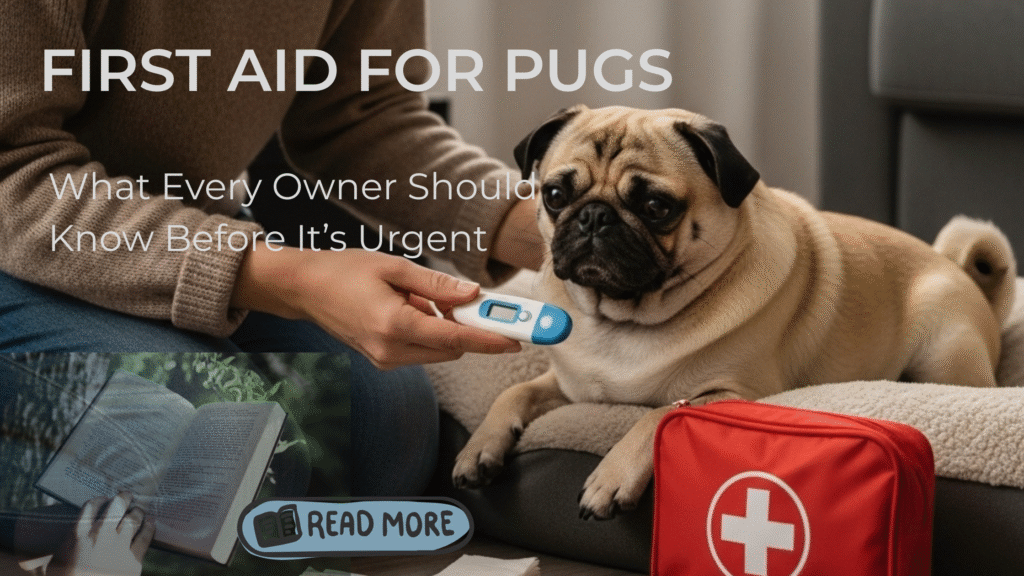
First aid for pugs: Let’s be real for a second. If you own a pug, chances are you’ve already freaked out at least once over something that turned out to be just a pug thing.
But here’s the thing. While pugs are naturally a little dramatic (cue the reverse sneezing, honking, and random limp-walking), they’re also genuinely vulnerable when it comes to health scares. Their squishy faces, delicate joints, and compact bodies come with their own unique set of first-aid needs. Seconds count in a real emergency.
So this isn’t about turning you into a vet. It’s about making sure you’re not standing there frozen while your pug is in distress. Let’s talk prep, peace of mind, and pug-specific first aid.
The term “brachycephalic” refers to the fact that pugs have short snouts and even shorter airways. This implies that breathing problems can quickly become serious. A perfect storm is created when you combine their sensitivity to light, joint issues, and propensity to overheat.
However, power comes from knowledge. The more you know now, the less likely it is that you will be panicking and searching Google at 2 a.m. for an explanation of why your pug is wheezing. Learn more about Pug Health.

You don’t need a duffel bag of supplies. Just a few key items can make a huge difference:
Gauze pads and vet tape
Blunt-tip scissors
Dog-safe antiseptic spray or wipes
Hydrogen peroxide (to induce vomiting, only under vet instruction)
Digital thermometer
Instant cold pack
Tweezers
Styptic powder (for nail bleeds)
Eye rinse (vet-approved)
Benadryl (check with your vet for proper dosage)
A soft muzzle (in case your pug is in pain and snaps)
Emergency contact list (your vet, local ER vet, poison control)
Pro tip: Keep this kit in an easy-to-grab pouch. I keep mine right by the leash so I never forget it on trips.
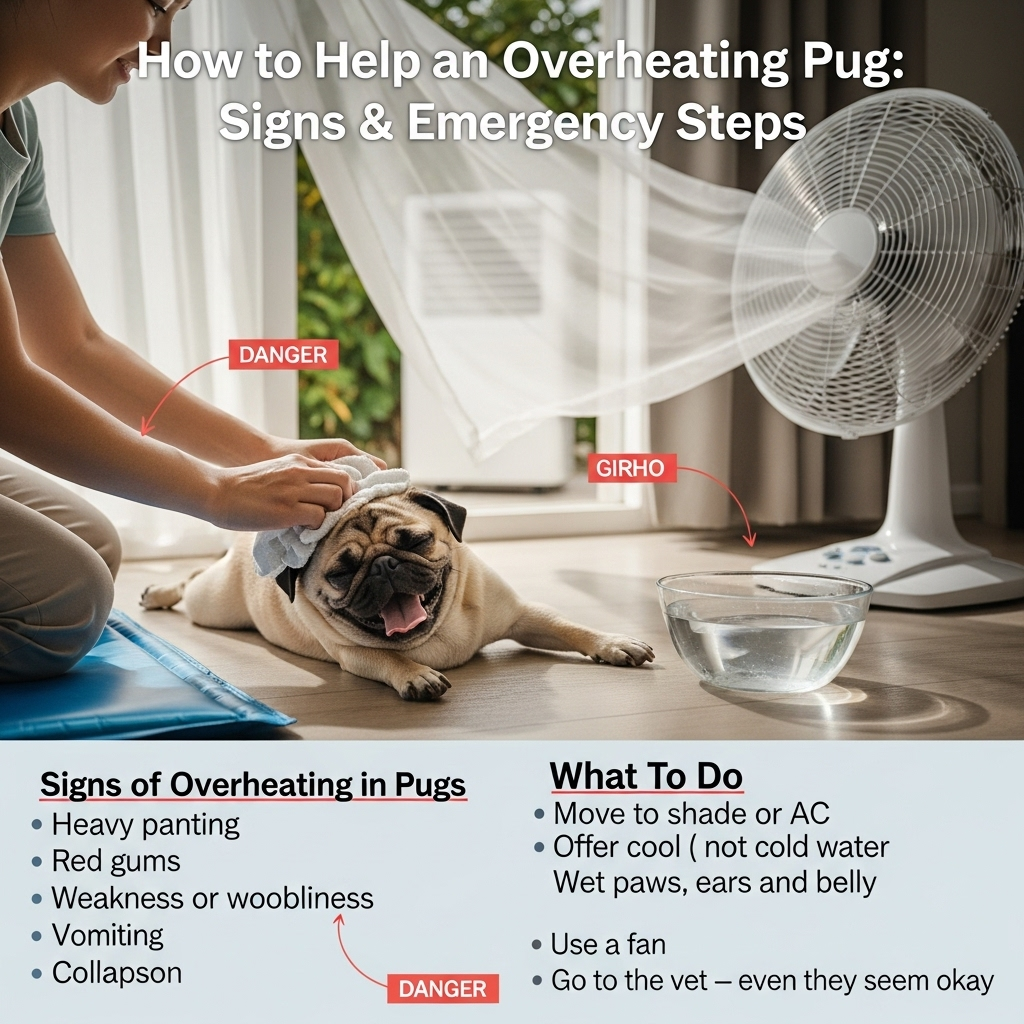
Pugs do not tolerate heat. At all. For them, a warm day could feel like a sauna.
Signs: Heavy panting, drooling, weakness, Pug vomit or diarrhea, red gums, collapse
What to do:
Prevent it: No walks in the heat. AC is life. Cooling mats are pug-parent gold.
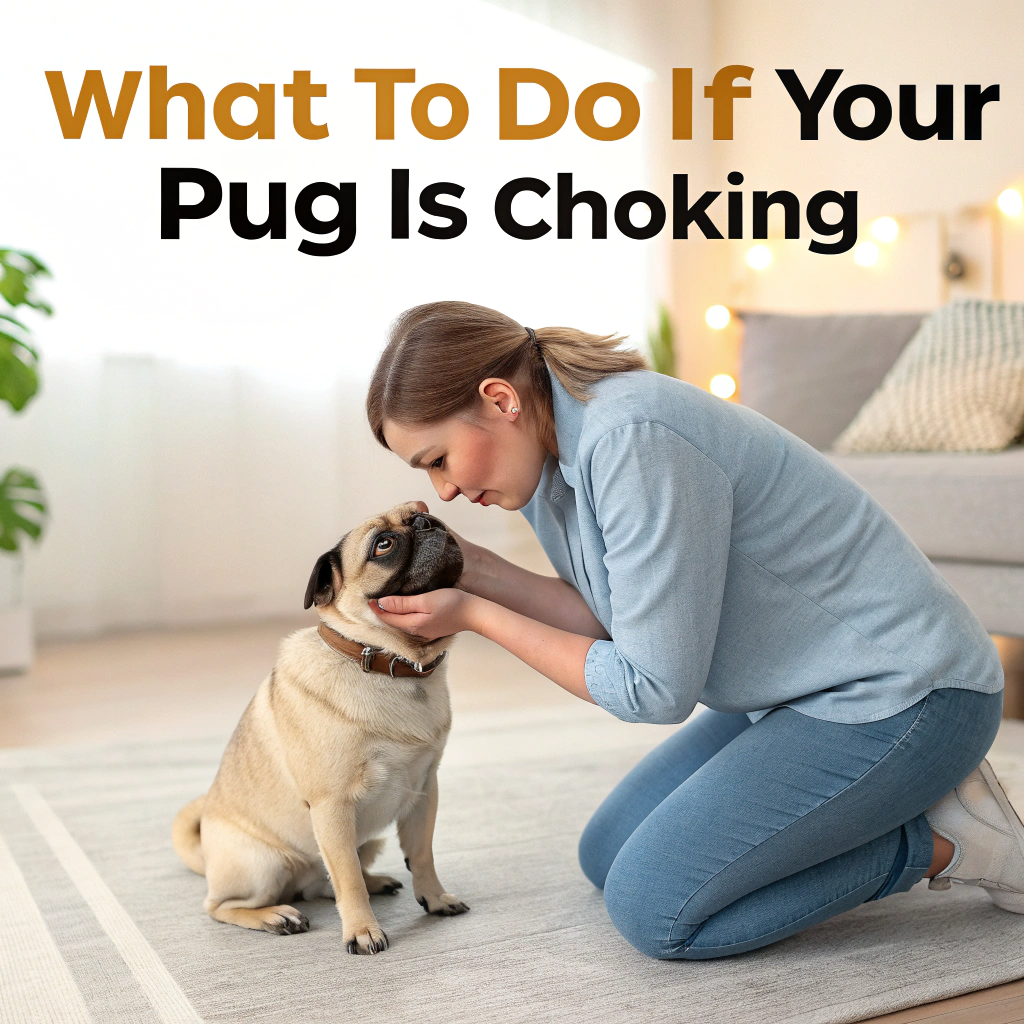
Because their throats are small and they inhale food like it’s a race, choking happens.
Signs: Pawing at mouth, gasping, panicking, blue gums
What to do ( First aids for pugs ) :
Open the mouth and carefully look inside. Remove visible objects only
For small pugs, you can try holding them upside down by the hips and patting their back firmly
If not breathing, perform CPR (check with your vet for a demo or training)
Get to the vet immediately
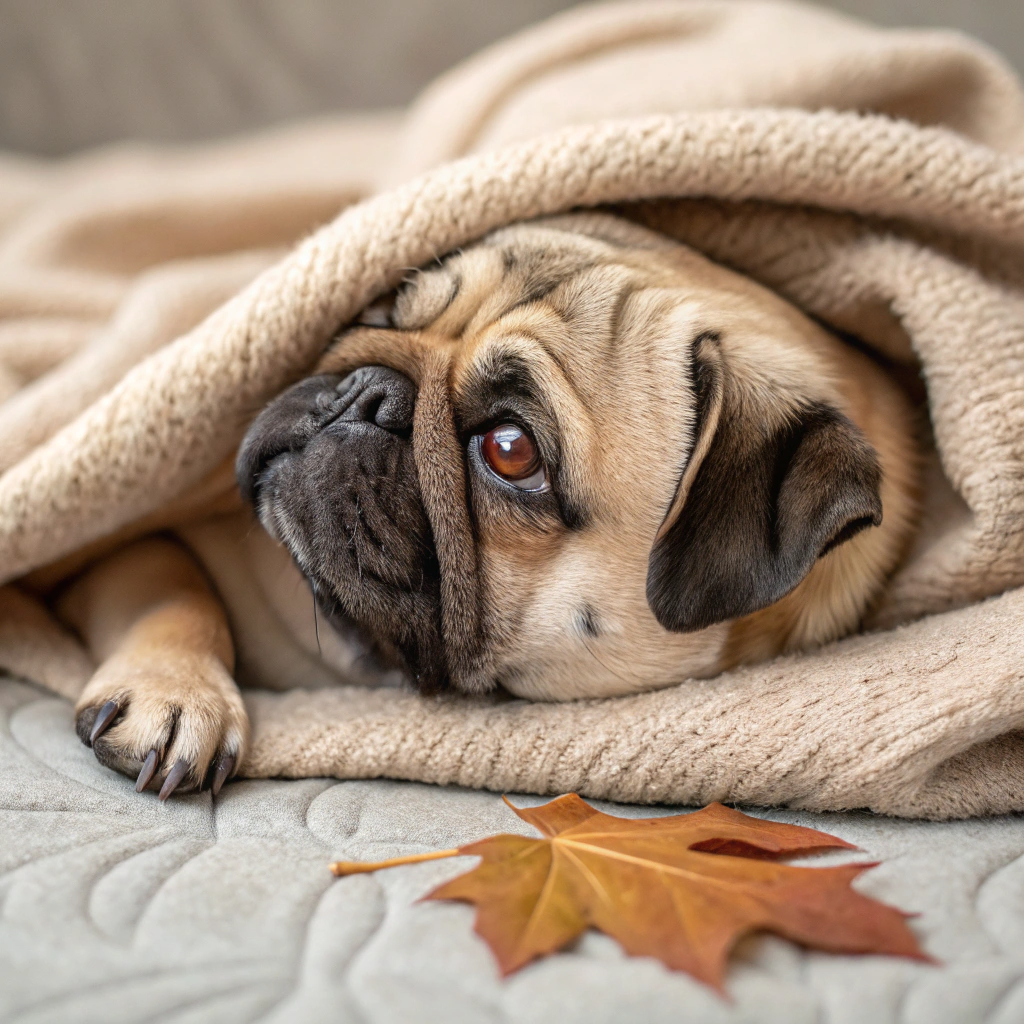
Signs of high risk include low to the ground and large eyes. A scratch from a twig, a swipe from a cat, or even too much face-rubbing can cause issues.
Signs include cloudiness, discharge, redness, squinting, and pawing at the eye.
What to do:
Rinse with vet-approved saline
Don’t let them rub it
Call your vet right away. Eye problems get worse fast
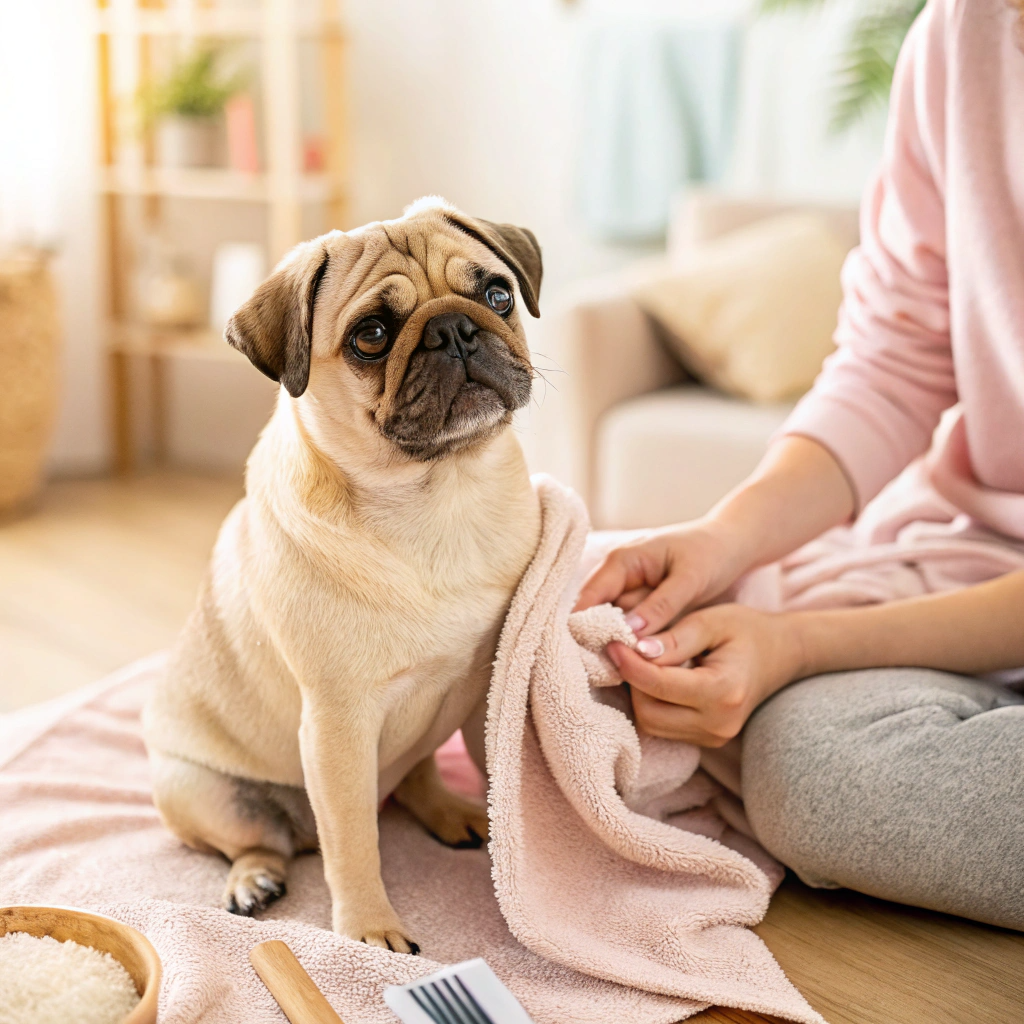
Minor wounds are common, especially if your pug is a backyard explorer or carpet zoomie champion.
What to do:
Stop bleeding with gentle pressure using gauze
Clean with saline or dog-safe antiseptic
Apply vet tape if needed (not too tight)
Call the vet if it’s deep, gaping, or not healing
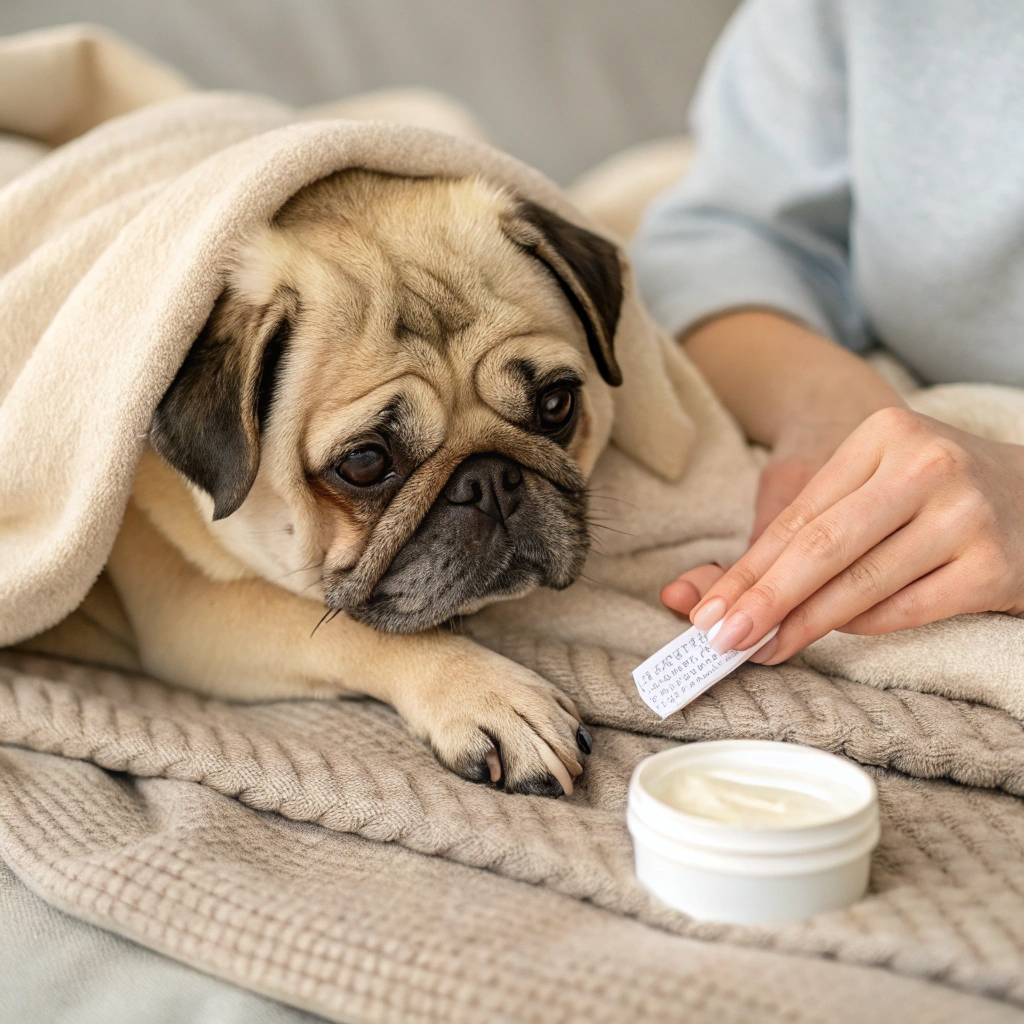
How to Treat a Pug at Home,
You clipped a little too far. We’ve all been there.
What to do:
Apply styptic powder (or cornstarch in a pinch)
Press with a clean cloth until bleeding stops
Give a treat and say sorry with your eyes
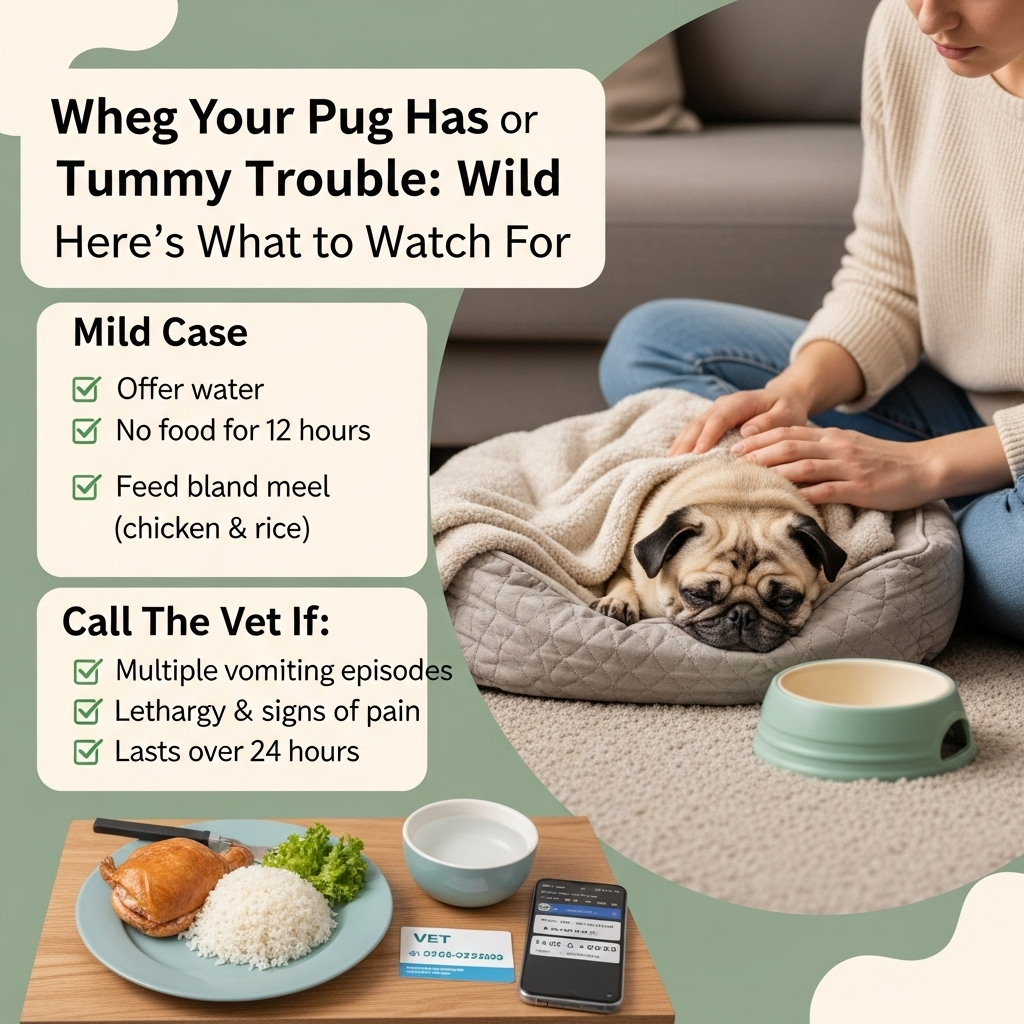
Keep an eye out, but not all stomach problems are urgent.
Mild case: Offer water and refrain from eating for 12 hours. Then feed a bland meal like boiled chicken and rice.
Consult the veterinarian if:
They vomit multiple times in a day
Blood is present
They seem lethargic or in pain
It lasts more than 24 hours
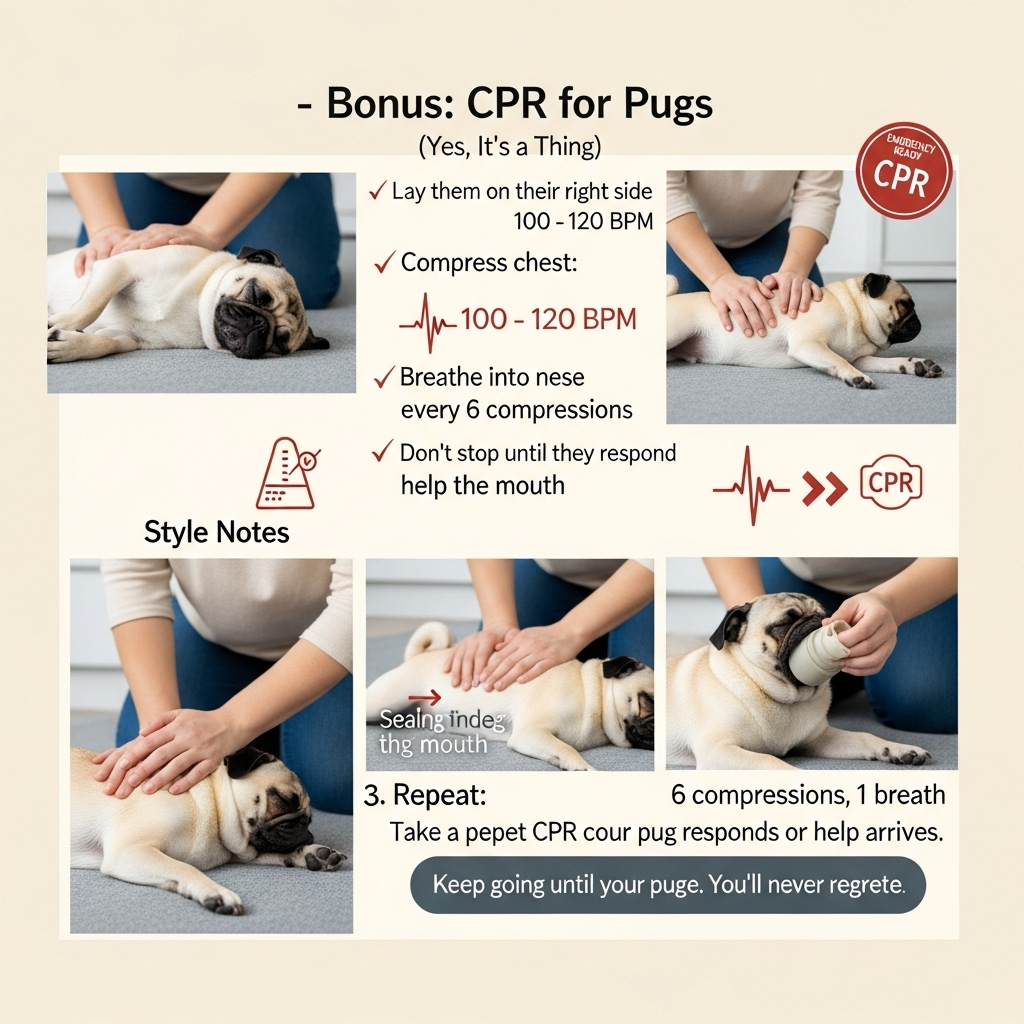
This sounds scary, but knowing what to do can be life-saving.
For a small dog like a pug:
Lay them on their right side
Compress the chest at 100 to 120 beats per minute
Breathe into their nose once every 6 compressions
Keep going until they respond or help arrives
Take a pet CPR course. Seriously. You’ll never regret it.
Stay calm. Your energy affects them
Trust your gut. If something feels off, it probably is
Know your pug. Their normal behavior is your baseline
Keep your phone charged. You’ll need it for emergencies
Practice handling them. If they’re used to you checking their mouth, ears, and paws, they’ll be calmer when it matters
Ultimately, first aid is more than just using thermometers and bandages. It’s about being there when your pug most needs you. It’s about remaining calm when things get out of control. When things go wrong, they are protected.
You’ve already got the heart. Now you’ve got the plan.
So here’s to snorts, scrapes, and always being ready. Because when you’re a parent of a pug, a little planning goes a long way.
Visit more- Pug Nutrition.
Pugs are prone to health issues like breathing difficulties, overheating, and skin infections. First aid knowledge lets you respond quickly in emergencies, reducing risks and improving outcomes.
Choking, heatstroke, allergic reactions, injuries from falls, and breathing problems are the most frequent pug emergencies. Quick intervention is crucial for their well-being.
Yes. Include bandages, gauze, antiseptic wipes, tweezers, a digital thermometer, a blanket, and any vet-prescribed medications to handle unexpected situations.
Move your pug to a cool, ventilated area, keep them calm, and offer gentle support. Contact your veterinarian right away if breathing does not get better.
Check for visible obstructions carefully. Minor objects can sometimes be removed by hand or tweezers. For severe cases, perform pet-friendly Heimlich maneuvers and seek emergency veterinary care.
Clean the wound with antiseptic solution, apply sterile gauze, and monitor for swelling, redness, or discharge. Seek veterinary care if the condition worsens.
Yes. Pet CPR can save lives in cardiac arrest or near-drowning cases. Learning chest compressions and rescue breathing techniques is highly recommended.
First aid supports immediate care but doesn’t replace professional veterinary treatment. Prompt action can reduce complications and improve recovery.
Maintain a safe environment, supervise outdoor activities, avoid toxic foods, and schedule regular vet visits and vaccinations.
Yes. Practical training boosts confidence and teaches proper techniques to manage injuries, breathing emergencies, and heat-related issues.
Move your pug to a shaded, cool area, offer small sips of water, and apply cool (not cold) damp cloths to the body. Seek immediate veterinary care for severe cases.
Get in touch with the pet poison helpline or your veterinarian right away. Do not induce vomiting unless instructed by a professional, as some toxins may worsen if vomited.
Symptoms include swelling, hives, vomiting, difficulty breathing, or excessive scratching. Severe reactions require urgent veterinary attention.
Yes. Due to their compact build, they may get injured from falls or rough play. Handle with care and provide soft surfaces for rest and exercise.
Rinse gently with sterile saline if dust or debris enters the eye. Avoid rubbing, and seek veterinary help for redness, discharge, or swelling.
Yes. Clean facial folds regularly with a damp cloth and dry thoroughly. Mild irritations can be managed at home, but persistent infection requires veterinary care.
Labored breathing, persistent vomiting, unresponsiveness, seizures, or severe bleeding are red flags. Immediate veterinary intervention is critical.
Apply gentle pressure with a clean cloth and keep your pug calm. Monitor closely and consult a vet if bleeding persists or recurs.
Follow your vet’s instructions precisely. Use proper dosing tools, keep calm, and ensure your pug is restrained gently to prevent accidental injury.
Absolutely. Proper hydration supports recovery from heatstroke, dehydration, or illness. Offer small, frequent sips of fresh water and monitor intake carefully.
Regularly refresh your skills, attend refresher courses, and review your first aid kit annually. Emergencies are unpredictable, so staying prepared is essential.