❝A dog has one aim in life… to bestow his heart.” ― J. R. Ackerley❞
❝A dog has one aim in life… to bestow his heart.” ― J. R. Ackerley❞
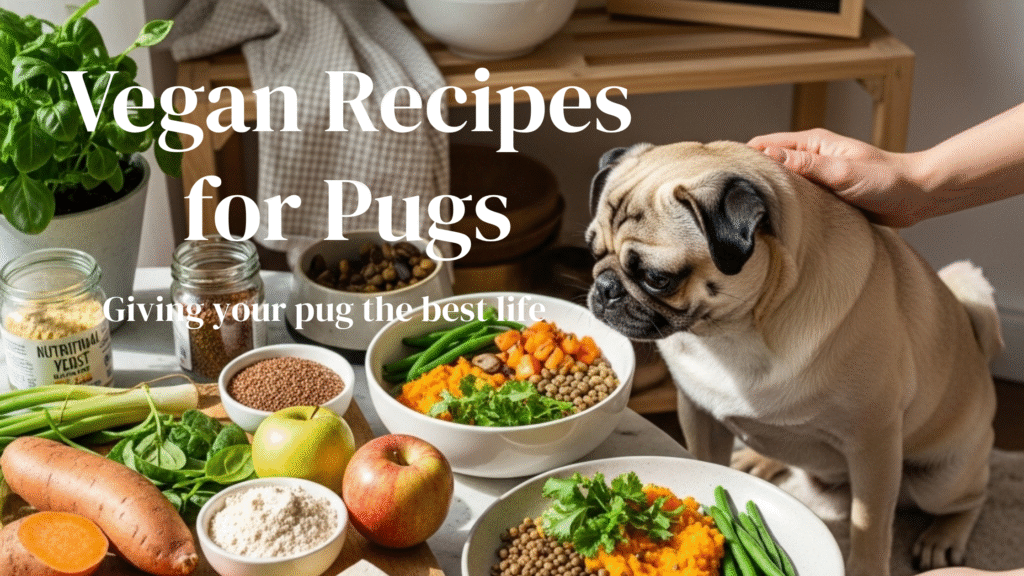
Vegan recipes for pugs emphasize balance, purpose, and knowledgeable care. Giving your pet the best life possible is your top priority as a loving pug parent. A vegan diet can be safe and helpful for your pug if you approach it carefully and with the appropriate information. Understanding how to do it responsibly is crucial, regardless of whether you are investigating plant-based options because of food sensitivities, personal values, or just a general curiosity about healthier options.
Nutrition should never be eliminated from a well-planned vegan diet; instead, it should be carefully replaced. Dogs are omnivores, meaning that when meals are prepared correctly, they can digest and benefit from plant-based foods. For pugs, who are often prone to allergies, weight gain, and digestive sensitivities, carefully prepared vegan recipes may help reduce reactions to particular animal proteins while promoting general well-being. for pugs, who are often prone to digestive sensitivities, weight gain, and allergies. When properly prepared and served, vegetables can offer fiber, energy, and vital micronutrients.
That said, balance is essential. Certain amino acids, vitamin B12, calcium, zinc, taurine, and omega fatty acids are among the nutrients that are naturally abundant in animal-based diets but need extra consideration when feeding vegans. This is the reason veterinary advice is so important. To guarantee that your pug’s nutritional needs are satisfied, a veterinarian or canine nutritionist can assist in determining appropriate supplementation, portion sizes, and meal rotation.
This guide provides a comprehensive, compassionate method for introducing vegan meals into your pug’s diet without compromising their health, taste, or affection. It emphasizes meals that are easy to digest, have a pleasing texture and flavor, and are tailored to your pug’s particular requirements. When professionally approved, vegan recipes can be used as a long-term solution, as part of a rotation, or as an occasional meal.
Above all, giving your dog a vegan diet should feel more like a show of love than a danger. Plant-based meals can be another way to support your pug’s health while upholding your moral principles with the correct knowledge, thoughtful preparation, and constant observation. The end result is a feeding schedule based on empathy, accountability, and the same daily devotion your pug shows you.
Vegan diets for dogs are growing in popularity, and this trend is not going away. For deliberate, purposeful reasons based on their dog’s general comfort, health, and values, more pet owners are investigating plant-based diets.
Allergies and sensitivities are the initial source of motivation for certain pugs. Animal-based proteins and the artificial flavorings and fillers that are frequently present in commercial dog food can cause negative reactions in some dogs. These ingredients may cause skin irritation, itching, upset stomach, and recurrent ear problems. When introduced correctly, carefully prepared vegan meals with few and clean ingredients may help lessen these reactions.
Others follow their ethical or environmental convictions. It feels natural and consistent for families who live a plant-based lifestyle to apply those principles to their dog’s diet. Selecting vegan meals can prioritize a dog’s well-being while aligning feeding practices with a desire to lessen environmental impact and support more sustainable food choices.
Digestive health is another common reason. Because pugs have sensitive stomachs, simpler home-cooked meals made with carefully selected ingredients can occasionally reduce gas, bloating, and irregular digestion. When properly balanced, plant-based recipes that emphasize mild carbohydrates, vegetables high in fiber, and properly prepared legumes may provide relief for certain dogs.
Whatever the reason, it’s critical to approach a vegan diet with caution and accountability. Pugs have unique nutritional requirements that must be satisfied to support muscle health, energy levels, and long-term vitality, whereas dogs can flourish on plant-based diets. It’s important to pay close attention to vitamins, minerals, essential amino acids, and protein quality. A vegan diet, which is based on compassion and well-informed decision-making, can be a practical and encouraging option for pugs with careful preparation, veterinary advice, and close observation.
Despite their small size, pugs have substantial nutritional needs. Because of their propensity for obesity, skin disorders, and respiratory sensitivity, a balanced diet is crucial.
Recommended Vegan Ingredients
Sweet potatoes High in fiber and beta carotene for digestive and immune support
Lentils and chickpeas Excellent plant-based protein and iron sources
Brown rice and quinoa Carbohydrates that are easy to digest for long-lasting energy
Carrots, green beans, and peas Packed with antioxidants and vitamins
Kale and spinach For cellular health, supply iron, folate, and antioxidants.
Pumpkin promotes firm stools and a healthy digestive system.
Coconut oil supports healthy skin and hair.
Blueberries and apples seedless Low-calorie antioxidants with natural sweetness
When carefully blended, these components provide a comprehensive profile of macronutrients and micronutrients essential for your pug’s health.
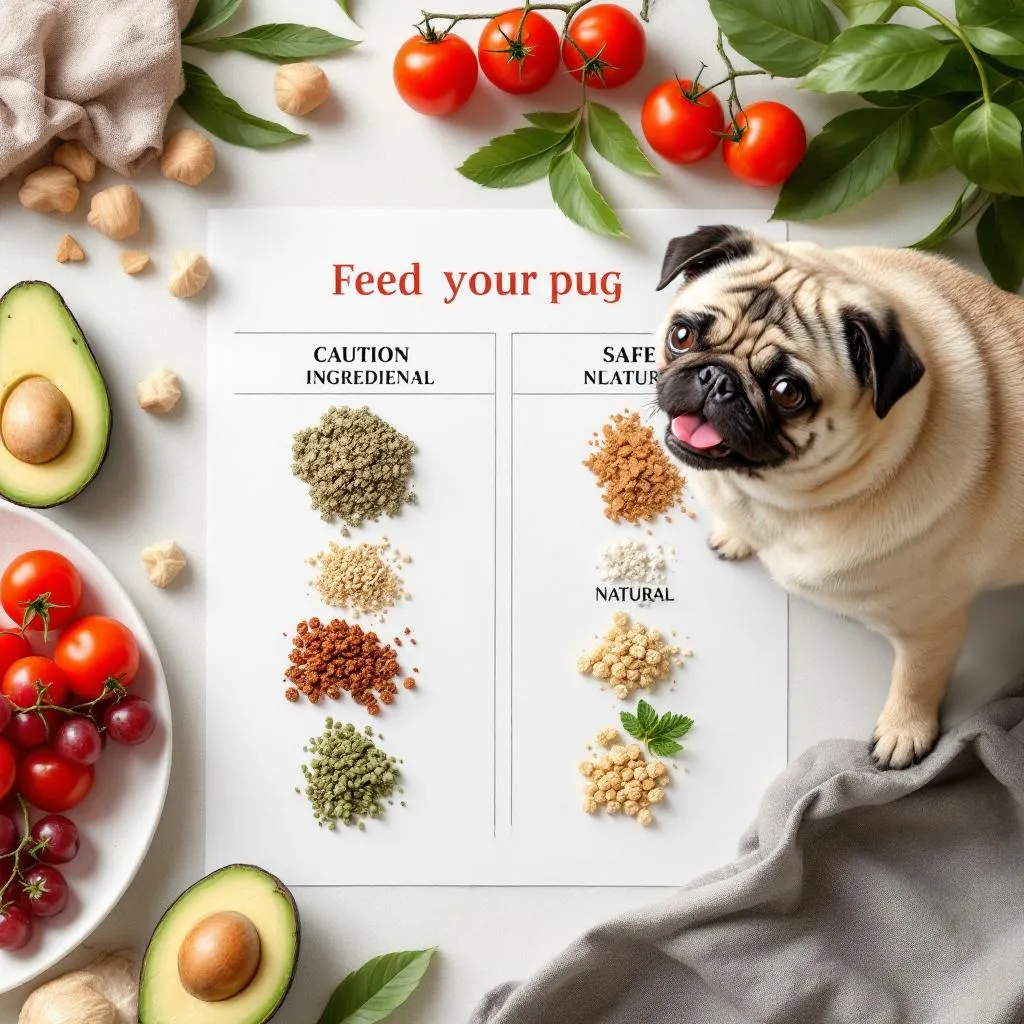
Not every ingredient derived from plants is safe for dogs. Avoid the following foods completely
Onions and garlic
Grapes and raisins
Chocolate and caffeine
Avocados
Macadamia nuts
Raw potatoes
Unripe tomatoes
Synthetic sweeteners, particularly xylitol
Important Always research new ingredients and consult your vet before introducing them to your pug’s meals
The following recipes have been created with simplicity and nutrition in mind. ideal for occasional use or as part of a rotating, balanced vegan feeding plan
Ingredients:
One cup cooked sweet potato
Half a cup of cooked lentils
Quarter cup diced steamed carrots
One teaspoon coconut oil
Instructions Mash all ingredients together and serve at room temperature
Benefits Rich in fiber and protein Supports digestion and immune health
Ingredients:
One cup cooked quinoa
Half a cup of steamed peas
Quarter cup shredded zucchini
One tablespoon ground flaxseed
Instructions Combine ingredients well. Add a bit of warm water for texture
Benefits: Offers healthy carbs and omega-3 protein.
Ingredients:
One cup cooked brown rice
Half cup steamed spinach chopped
One banana mashed
One tablespoon oat flour
Instructions Combine and form into small patties. In a nonstick skillet, cook gently until golden. Cool before serving
Benefits: Conveniently delivers plant-based iron and energy fiber.
Ingredients
One cup cooked chickpeas
Half cup pumpkin purée unsweetened
Quarter cup chopped green beans
A dash of turmeric
Instructions Soften the ingredients by simmering them in a small amount of water. Let cool before serving
Benefits: Anti-inflammatory and high in fiber for gut support
Ingredients
Half banana
Quarter cup blueberries
Two tablespoons coconut oil
Instructions Mix and transfer to silicone molds. Freeze Serve one or two as treats
Benefits Cool antioxidant-rich treats for hydration and coat health
Ingredients
Half a cup of cooked tofu, crumbled
Quarter cup finely chopped steamed kale
Quarter cup cooked oats
Instructions Mix together and serve at room temperature
Benefits Provides complete protein and essential vitamins Use tofu sparingly and never raw
Vegan recipes for pugs: 7 Days Meal Table
Day | Meal |
Monday | Sweet Potato and Lentil Mash |
Tuesday | Quinoa and Pea Protein Bowl |
Wednesday | Spinach and Brown Rice Patties |
Thursday | Chickpea and Pumpkin Stew |
Friday | Tofu and Kale Stir-In |
Saturday | Repeat favorite with frozen coconut treats |
Sunday | Light rice mash with steamed veggies |
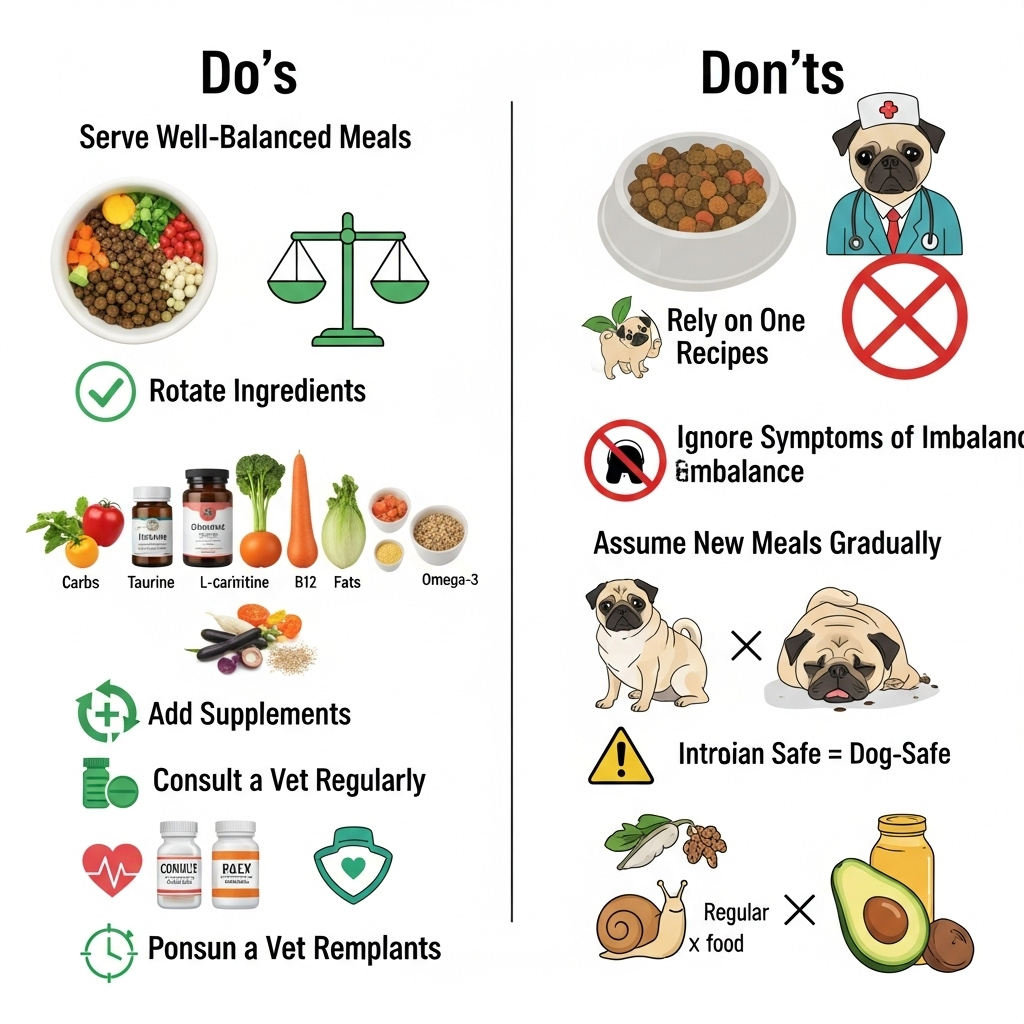
Pugs can benefit greatly from vegan diets, but they must receive regular care and supplements.
Act
Serve meals that are well-balanced and contain proteins, fats, and carbs.
Change up the ingredients to prevent deficiencies.
If necessary, add supplements such as omega-3, L-carnitine, taurine, and B12.
Consult a pet nutritionist or veterinarian frequently.
Introduce new meals gradually
Over time, don’t depend solely on one recipe.
Ignore signs of a nutritional imbalance, such as fatigue, poor coat, or changes in weight.
Assume that being safe for dogs is the same as being safe for humans.
Feed your pug a vegan diet without guidance
Giving your dog a vegan diet is a very personal choice that stems from love, compassion, and a genuine desire to give them the best life possible. It’s acceptable that there isn’t a single correct path for every dog. While some pugs may benefit from a well-planned, completely vegan diet, others may flourish with the occasional addition of plant-based meals to their diet. The care, knowledge, and attention you give each decision you make for your pug is what really counts, not the diet’s label.
Listening intently is part of being a thoughtful pet parent. It entails observing shifts in mood, skin, energy, and digestion and making adjustments when something doesn’t feel right. It entails consulting a veterinarian, learning about nutrition, and remaining receptive to your pug’s unique needs rather than adhering to strict guidelines or fads. Your pug benefits when decisions are made with awareness and intention.
Every meal turns into a chance to deepen your relationship. Even though preparing food, putting down the bowl, and watching your pug eat are simple tasks, they have significance. They serve as daily reminders that love is demonstrated by perseverance, hard work, and presence. Pugs greatly appreciate the sense of security and trust that these routines gradually foster.
And you’ll know when you’ve treated your dog well. When they settle down next to you after a meal, happy and at ease, you will notice it. When they wag their tails gently, sigh softly, curl up close, and fall asleep with a full belly. They express how they feel cared for in those quiet times.
This journey is made easier and more comforting by having trustworthy guidance. The Pug Food Database provides thoughtful, research-based information that will help you navigate plant-based feeding with confidence. No matter where you end up, the objective is always the same: a happy, healthy pug and a relationship based on love, understanding, and trust.
A completely vegan diet should only be followed under veterinary supervision, but pugs can eat some plant-based meals. Balance is crucial because dogs need certain nutrients that are more difficult to get from plants alone.
When vegan recipes contain safe ingredients and adequate nutrient support, they can be healthy as supplements or occasional meals. Without expert advice, they shouldn’t be taken for granted.
Protein quality, amino acids, vitamin B12, iron, calcium, zinc, taurine, and omega fatty acids are important nutrients. In plant-based feeding, many of these need to be supplemented.
Indeed, plant-based meals are beneficial for some pugs with protein allergies, particularly if they react to common animal proteins. Always take your time introducing new foods and keep an eye out for reactions.
When cooked and served plain, lentils, chickpeas, quinoa, brown rice, oats, pumpkin, sweet potatoes, carrots, peas, spinach, and blueberries are safe choices.
When cooked correctly and consumed in moderation, legumes can be safe. Without balanced amino acids and nutrients, they should never be the only source of protein.
Vegan diets are not recommended for puppies unless they are closely supervised by a veterinarian or canine nutritionist. Growing dogs have very particular dietary requirements.
Unless a completely balanced, veterinarian-approved vegan diet is in place, vegan meals are best used infrequently or in rotation.
If improperly balanced, yes. Normal energy should be supported by a well-prepared vegan meal, but deficiencies can result in weakness or exhaustion.
In most cases, yes. For long-term health and nutritional completeness, supplements are frequently necessary.
Over the course of seven to ten days, gradually transition by incorporating small amounts of vegan food into their regular meals while keeping an eye on their behavior and digestion.
If the nutrients are balanced and the textures are soft, senior pugs may tolerate plant-based diets well; however, veterinary advice is highly advised.
Absolutely. When feeding a vegan diet, a veterinarian or canine nutritionist is crucial to guaranteeing long-term health, safety, and balance.