"6 Essential Tips for The Best Diet for a Healthy Adult Pug" (Pug Edition)
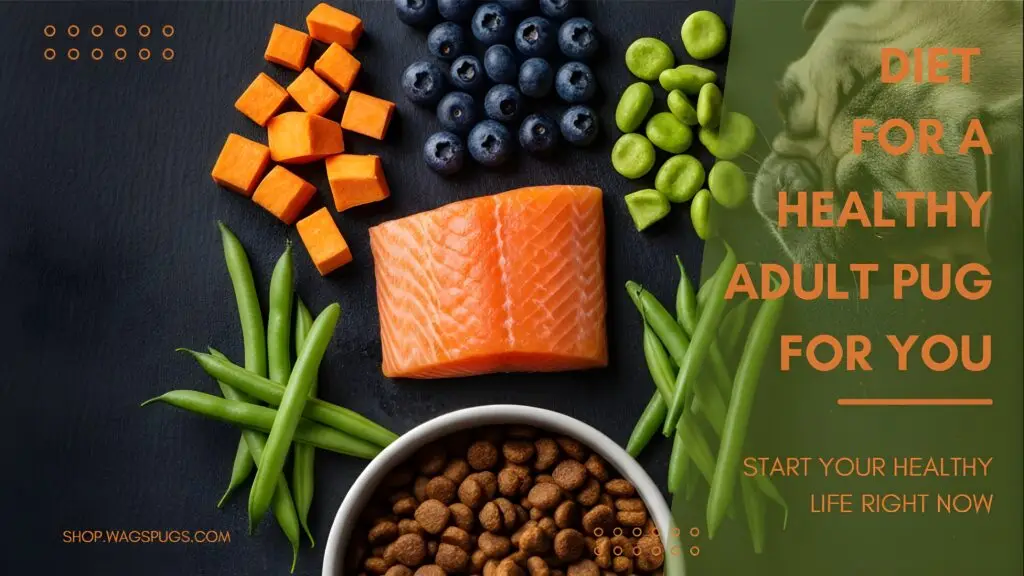
The Best Diet for a Healthy Adult Pug: Keeping an adult pug healthy starts with the right diet. These little dogs may look relaxed and silly most of the time, but their bodies need careful attention. Their flat faces, small frames, and strong appetites make them more sensitive to food choices than many other breeds. A good plan for pug nutrition can improve energy levels, reduce health risks, manage weight, and support long-term well-being. This guide will walk you through what an adult pug should eat, how much they should eat, how to pick the right dog food, and how to stay in control of their weight without making feeding time stressful.
Pugs love to eat, and that makes this topic even more important. Everything gets easier when their diet is well-balanced and controlled. Their mood improves. Their coat looks shinier. Their breathing becomes smoother. Their weight stays under control. Their joints remain stronger over time. The right diet does more than fill their bowl. It supports their entire life. By the end of this guide, you will understand how to create a healthy diet that fits your pug’s daily needs and keeps them at a stable, healthy weight.
Why Adult Pugs Need Special Attention to Nutrition
Every dog breed has advantages and disadvantages of its own, and pugs are recognized for a few special qualities. Their charm and personality make them loved worldwide, but their body shape means they need help staying healthy. Good pug nutrition can reduce risks linked to breathing, weight gain, joint pain, allergies, and digestion.
Their compact size affects calorie intake
Pugs are tiny but dense. Their bodies are muscular, but their activity levels are usually low. Because of that, their calorie needs are lower than what most owners expect. Pugs gain weight quickly if they are fed portions the same size as other small dogs. Even a small amount of extra dog food per day can add several pounds over a few months.
Their respiratory system makes weight control critical
Their short noses make them prone to breathing difficulties. Extra weight adds pressure on their airway, chest, and neck. It makes exercise harder and heat more dangerous. A well-managed diet helps keep their breathing steady and comfortable.
Skin and coat health depends on the right nutrients
Fatty acids, good proteins, and certain vitamins strengthen their skin barrier. Pugs are known for sensitive skin and folds that need extra care. When their diet supports healthy skin, you will see less irritation and fewer breakouts in their wrinkle areas.
Their digestive system benefits from quality ingredients
Many pugs struggle with gas, bloating, or loose stools when their diet contains low-quality fillers. A clean, balanced diet helps with digestion and reduces discomfort for both you and your dog.
Understanding What Makes a Healthy Diet for a Pug
A healthy diet has several key elements. Once you learn what they are, choosing the right dog food becomes much easier.
1. High-Quality Protein
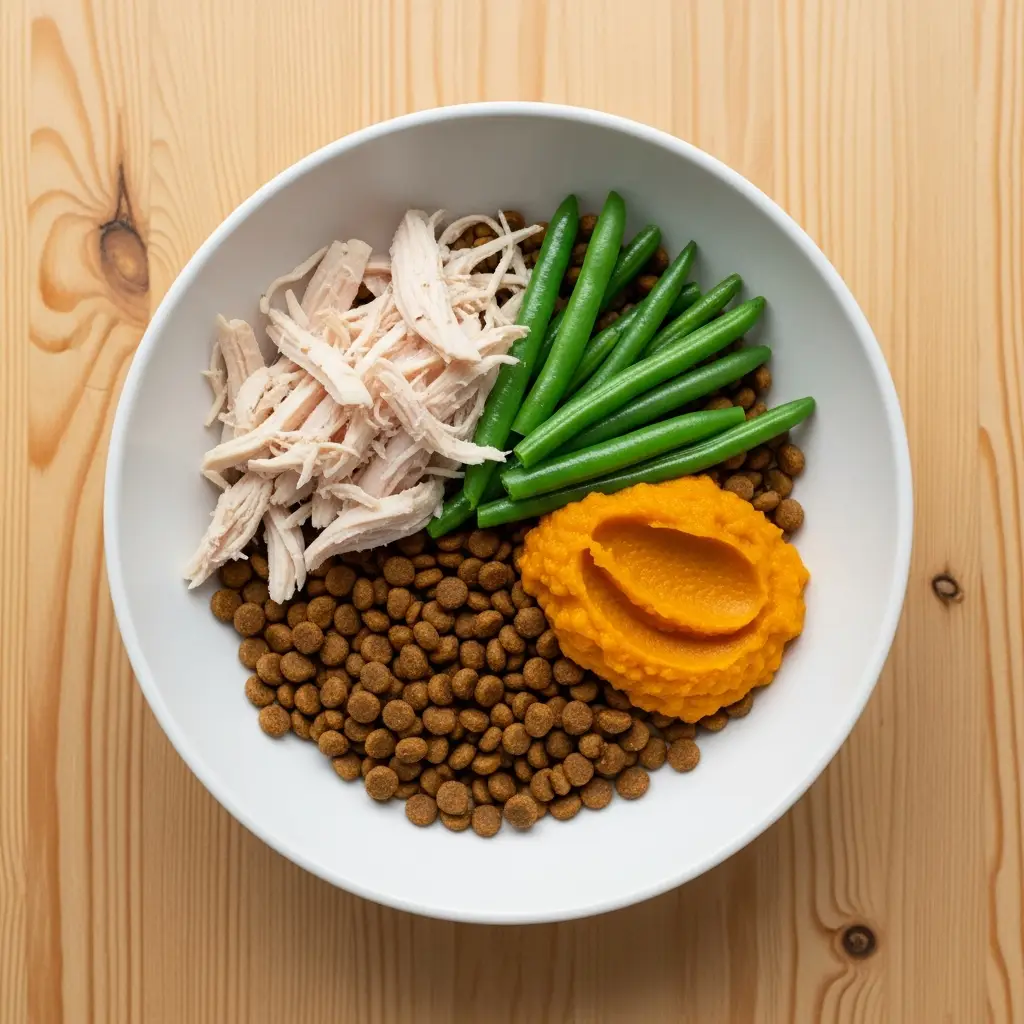
Protein supports muscle strength and overall health. Look for real meat sources such as:
- chicken
- turkey
- beef
- fish
- lamb
Avoid unnamed sources like “meat meal” or “animal by-product.” These often contain lower-quality ingredients.
2. Moderate Fat Levels
Healthy fats support brain function, skin health, and energy. Too much fat, however, can lead to rapid weight gain. Choose dog food with controlled fat levels appropriate for small breeds.
3. Fiber for Digestion
Good fiber keeps everything moving in the digestive system. It also helps pugs feel full between meals, which is helpful since they are enthusiastic eaters.
Fiber sources to look for:
- sweet potato
- pumpkin
- oats
- barley
4. Omega Fatty Acids for Skin and Coat
Omega 3 and Omega 6 support skin fold health and reduce dryness. Flaxseed and fish oil are excellent sources.
5. Controlled Calories
Adult pugs usually need between 500 and 700 calories per day, depending on their activity level and weight. Some may need slightly less if they are overweight or more if they exercise regularly.
6. Minerals and Vitamins
A complete and balanced formula should include key micronutrients that support immunity, bone strength, and organ function. This is especially important for a breed known for joint and respiratory issues.
How to Choose the Right Dog Food for Adult Pugs
With so many options available, choosing the right dog food can feel overwhelming. Here is what you should look for.
Choose Small-Breed Formulas
Small-breed formulas are designed with the right balance of protein, fat, calories, and kibble size. Pugs do better with smaller kibble pieces because they can chew and swallow them more easily. It also reduces choking risks.
Look for Real Meat as the First Ingredient
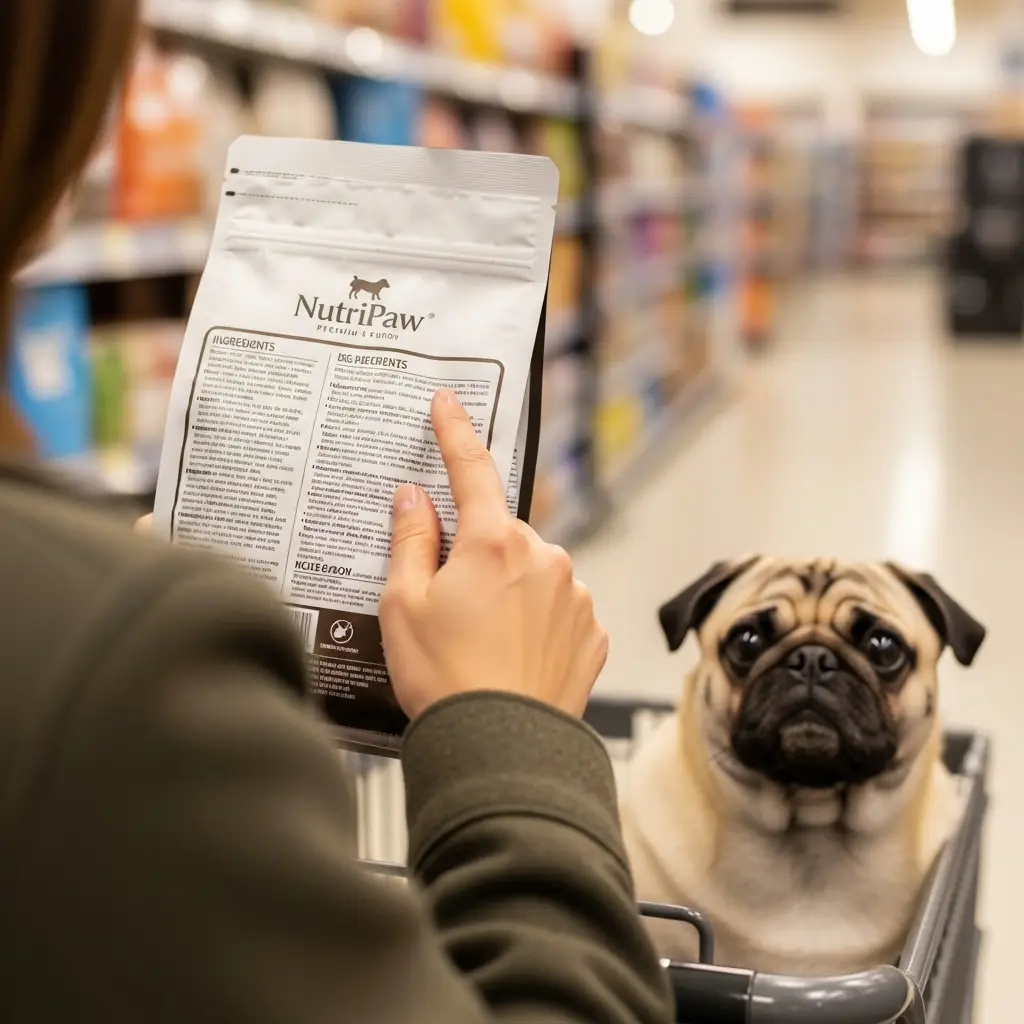
The first ingredient should be a high-quality protein source. If the list starts with corn, wheat, soy, or a by-product, look for another option.
Avoid Excessive Fillers
Fillers add bulk without nutrition. Too many fillers can upset digestion and lead to weight gain.
Check the Fat-to-Protein Ratio
The ratio should support energy without overfeeding. Pugs need enough fat to stay healthy but not so much that their weight becomes a problem.
Consider Grain-Free Only If Necessary
Some pugs do fine with grains. Others have sensitivities. Grain-free dog food can help with allergies, but it is not always required. If your pug has itchy skin, frequent ear infections, or persistent digestive issues, grain-free might be worth trying.
Choose Brands With Transparent Ingredient Lists
A reputable brand should give clear information about ingredients and sourcing. Transparency matters.
How Much Should an Adult Pug Eat?
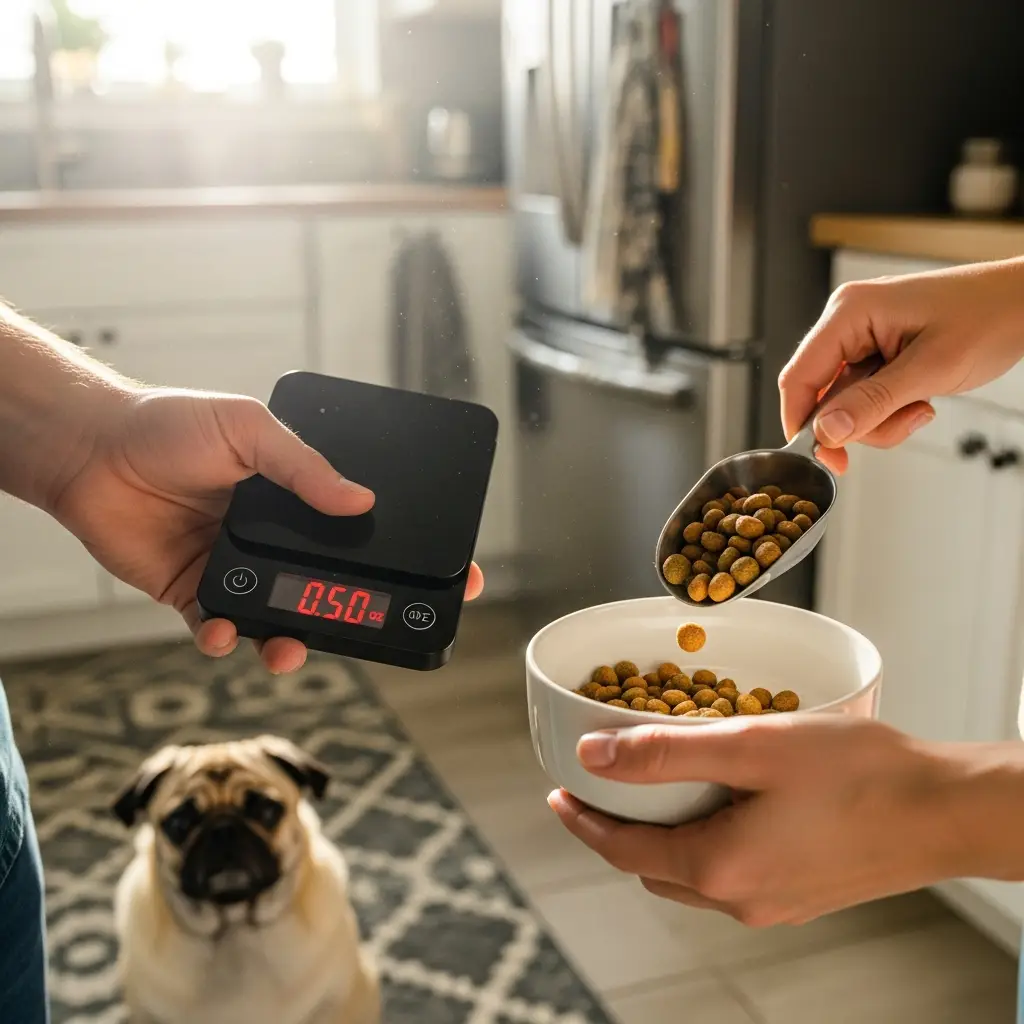
Portion control is one of the most important factors in pug nutrition. Their love for food can make it tempting to offer larger portions, but even small overfeeding creates long-term problems.
General Feeding Guidelines
- Most adult pugs need 1 to 1.5 cups of quality dog food per day.
- Divide meals into two servings to maintain steady energy and reduce digestion issues.
- If your pug is overweight, lower portions slightly and choose a low-calorie formula.
Signs You Are Feeding the Right Amount
- Your pug has a visible waist when seen from above.
- You can feel the ribs without pressing hard.
- Energy levels stay consistent throughout the day.
- Weight remains stable across months.
If the ribs are hidden under a thick layer of fat, reduce portions. If the ribs feel too sharp, increase portions slightly.
Best Foods for Pug Weight Control
Weight control is one of the biggest challenges for pug owners. Their size, low energy, and love for snacks make them prone to gaining weight. Choosing foods designed for weight control can help.
What to Look For
- Low-calorie formulas
- High-protein options
- Moderate-fat levels
- Added fiber for fullness
Foods marked “healthy weight” or “weight management” are good options. They help keep calories down without sacrificing nutrition.
Healthy Treat Alternatives
Pugs adore treats, but this is where owners often overdo it. To maintain weight control, swap high-calorie treats with healthier options:
- apple slices
- green beans
- carrot sticks
- banana bits
- blueberries
Always give small pieces. Treats should not exceed 10 percent of daily calories.
Safe Human Foods Your Pug Can Eat
Some human foods are safe and even beneficial. Others can be dangerous. Here are safe choices you can use when you want to share a little snack.
Safe Foods
- cooked chicken
- rice
- boiled eggs
- pumpkin puree
- oats
- cucumber
- watermelon (without seeds)
Foods to Avoid
- chocolate
- onions
- garlic
- grapes
- raisins
- macadamia nuts
- alcohol
- caffeinated drinks
These can cause serious health problems and should be avoided completely.
Building a Pug Feeding Routine That Works
A consistent feeding routine plays a major role in keeping a pug healthy, comfortable, and well balanced. Pugs thrive on structure, and predictable meal times help regulate appetite, digestion, and energy levels. When feeding habits are consistent, it becomes much easier to manage weight and prevent common digestive issues.
1. Feed at the Same Times Each Day
Pugs respond well to routine. Feeding two meals per day at the same times helps stabilize blood sugar levels and reduces food-related anxiety. Regular meal times also make it easier to notice changes in appetite that could signal health concerns.
2. Avoid Free Feeding
Leaving food out all day often leads to overeating. Pugs are not self-regulators when it comes to food and will continue eating if given the chance. Scheduled meals encourage healthier portion control and make it easier to track intake.
3. Use a Measuring Cup
Estimating portions can quickly lead to excess calories. Using a measuring cup ensures each meal stays within recommended limits. Accurate portions are one of the most effective ways to prevent gradual weight gain.
4. Keep Water Available at All Times
Fresh water supports digestion, temperature regulation, and overall health. Pugs are prone to overheating, so constant access to clean water is essential. Bowls should be cleaned and refilled daily.
5. Don’t Give Table Scraps
Even small amounts of table food can disrupt nutrition and contribute to long-term weight gain. Table scraps also encourage begging behaviors that are difficult to break once established. Consistency here protects both health and training.
A simple, structured routine removes guesswork and helps your pug feel secure, satisfied, and well cared for every day.
How to Tell if Your Pug’s Diet Is Working
You should monitor your pug’s health regularly to ensure their diet is truly supporting their needs. Because pugs are prone to weight gain and sensitivities, small changes in diet can have a noticeable impact on how they look and feel. Paying attention to daily cues helps you catch problems early and adjust before they become serious.
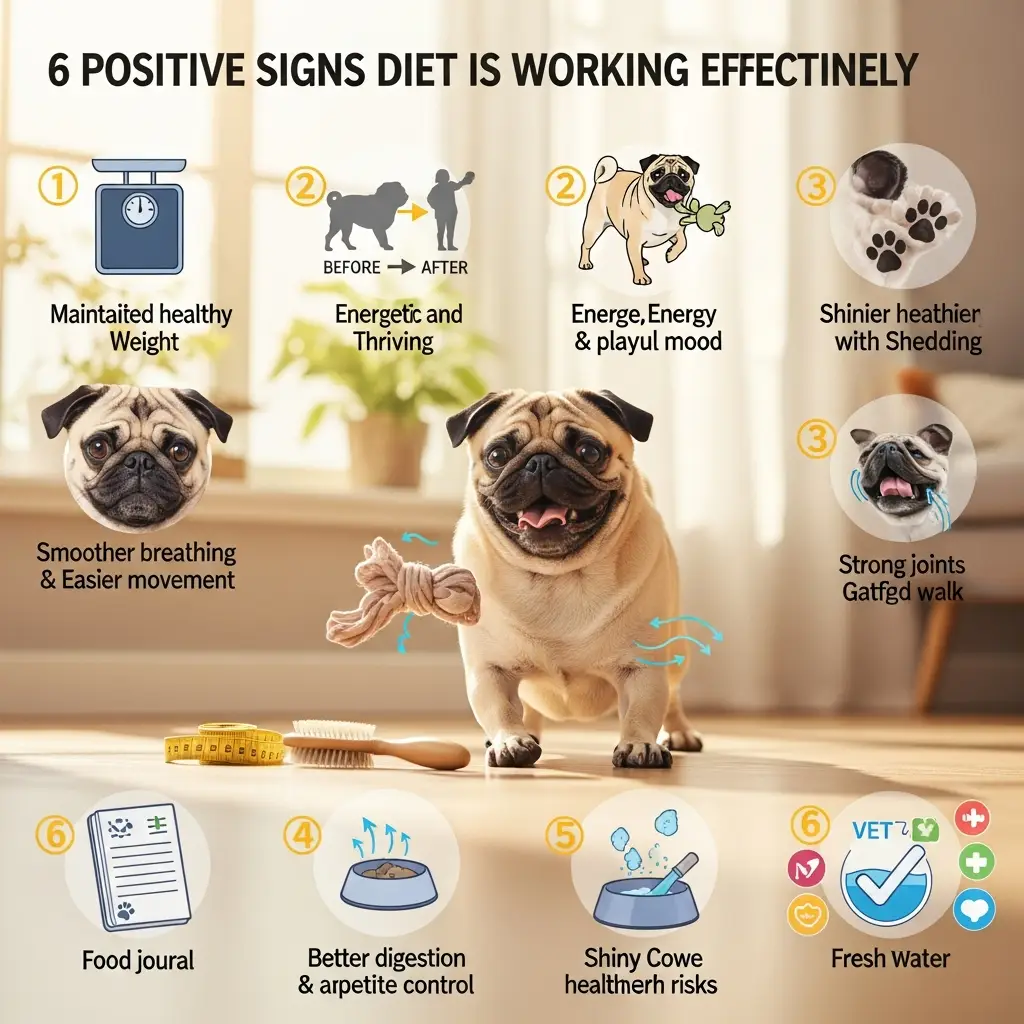
Positive Signs a Diet Is Working
A healthy weight is one of the clearest indicators that your pug’s diet is appropriate. Smooth, comfortable breathing and steady energy levels suggest proper calorie balance. Firm stools, clear skin, and a glossy coat all indicate proper nutrition and digestion. When these signs are present together, it usually means the diet is meeting your pug’s needs well.
Signs Something Needs Adjustment
Rapid weight gain, constant hunger, or low energy may indicate overfeeding or poor nutrient balance. Itchy skin, hair loss, or a dull coat can signal food sensitivities or nutritional gaps. Digestive issues such as gas, bloating, or diarrhea are also common signs that a diet is not a good fit.
If these issues persist, consider adjusting portion sizes or transitioning to a different food gradually. When in doubt, seeking advice from a veterinarian ensures that adjustments are made in a safe and efficient manner.
Pug Feeding Mistakes to Avoid
Even the most caring and attentive pug owners can make feeding mistakes without realizing it. Pugs are incredibly persuasive when it comes to food, and their expressive faces often make it difficult to say no. However, avoiding common feeding errors can prevent long-term health issues and help your pug maintain a comfortable, active life.
1. Overfeeding Because They Look Hungry
Pugs are known for acting hungry at all times, even shortly after a meal. This behavior is driven more by habit and food motivation than actual hunger. Sticking to a consistent portion plan is essential, even when your pug insists otherwise. Measuring meals rather than estimating portions helps prevent accidental overfeeding.
2. Too Many Treats
Treats are useful for training and bonding, but they add up quickly. Large treats or frequent snacking can significantly increase daily calorie intake. Using very small pieces and limiting treat frequency helps maintain balance while still rewarding good behavior.
3. Feeding Table Scraps
Table scraps disrupt nutritional balance and often contain salt, fat, or seasonings that are unsafe for dogs. They also encourage begging behavior, which becomes difficult to break once established. Offering dog-appropriate treats instead protects both nutrition and training.
4. Ignoring Weight Gain
A small amount of extra weight may seem harmless, but even a few pounds can affect breathing, joints, and energy levels in pugs. Weight gain should be addressed early through portion control and gentle exercise before it leads to more serious problems.
5. Choosing Foods Based on Popularity Instead of Quality
Popular or trendy brands are not always nutritionally sound. Reading ingredient labels, understanding protein sources, and choosing balanced formulas matters far more than marketing claims. Quality nutrition supports long-term health far better than brand recognition alone.
Recommended Products for Adult Pug Diets
Choosing the right products for an adult pug does not mean chasing specific brands or trends. What matters most is selecting items that support portion control, digestion, skin health, and overall well-being. The following product categories are commonly recommended for adult pugs and can be adjusted based on your dog’s individual needs, activity level, and health history.
1. Small-Breed Dry Dog Food
Small-breed formulas are designed with smaller kibble sizes that are easier for pugs to chew and digest. These foods typically provide balanced calories, appropriate protein levels, and nutrients tailored to compact dogs with slower metabolisms. A well-formulated small-breed diet helps support energy levels without encouraging unnecessary weight gain.
2. Weight-Control Dog Food
Weight-control formulas are useful for pugs that gain weight easily or are less active. These foods focus on lower calorie density while still delivering essential nutrients. Fiber content is often higher, helping pugs feel satisfied while maintaining a healthy weight and supporting digestive health.
3. Omega Supplements
Omega-3 and omega-6 fatty acids play an important role in skin, coat, and joint health. For pugs prone to dry skin or stiffness, omega supplements can provide additional support when recommended by a veterinarian. Proper dosing is important to avoid over-supplementation.
4. Slow-Feeder Bowls
Pugs tend to eat quickly, which can lead to choking, gulping air, or digestive discomfort. Slow-feeder bowls encourage slower eating by making meals more engaging. This simple tool can significantly improve digestion and mealtime safety.
5. Healthy Training Treats
Low-calorie training treats allow for consistent rewards without excessive calorie intake. Soft, small treats work best for frequent training sessions while helping maintain a healthy weight.
What to Do if Your Pug Is Overweight
If your pug is gaining weight, it is important to act quickly. Pugs gain weight easily, and the sooner adjustments are made, the easier it is for them to return to a healthy shape without stress on their body. Waiting too long can make weight loss harder and increase strain on breathing, joints, and overall comfort.
1. Switch to Weight-Control Food
Weight-control formulas reduce calorie density while still providing essential nutrients. This allows your pug to eat satisfying meals without excessive calories. Always transition foods gradually to avoid digestive upset.
2. Reduce Portion Size Slightly
Even small reductions in portion size can make a meaningful difference over time. Cutting back just a little helps control calorie intake without leaving your pug feeling deprived. Measuring meals accurately is key.
3. Increase Gentle Exercise
Low-impact activity such as short walks, light play, and indoor movement helps burn calories safely. Exercise should always match your pug’s breathing ability and energy level.
4. Cut Down Treats
Treats add calories quickly. Use smaller pieces, limit frequency, and reserve treats mainly for training or special moments.
5. Monitor Weight Weekly
Weekly weigh-ins help you track progress and catch changes early. Consistent monitoring makes it easier to adjust food and activity before weight gain becomes a larger issue.
With steady, gentle changes, most pugs can return to a healthier weight while staying happy and comfortable.
A Thoughtful Approach to Feeding Your Adult Pug
Your daily diet has a significant impact on your pug’s long-term health. Balanced nutrition, appropriate calorie intake, high-quality dog food, and consistent weight control all work together to support a healthier and more comfortable life. A well-planned diet helps improve breathing efficiency, supports joint mobility, maintains healthy skin and coat condition, aids digestion, and provides steady, reliable energy throughout the day. These benefits may not always be obvious right away, but over time they play a critical role in preventing common pug health issues.
Feeding your pug is not simply about choosing a popular brand or following trends. It requires thoughtful attention to portion sizes, ingredient quality, and routine. Measuring meals, limiting high-calorie treats, and maintaining consistent feeding times help prevent overeating and unnecessary weight gain. Even small daily habits, when repeated over time, have a powerful impact on your pug’s overall well-being.
Nutrition is one of the most important decisions you make for your dog, and it acts as a form of preventive care that supports long-term health. When you prioritize smart feeding choices, you are actively protecting your pug’s comfort, mobility, and happiness as they age. For more helpful insights, meal ideas, and pug care inspiration, be sure to explore our Pinterest profile for additional tips and guidance.
Frequently Asked Questions About the Best Diet for a Healthy Adult Pug
What is the best diet for an adult pug?
The best diet for an adult pug is balanced, portion controlled, and appropriate for their age and activity level. It should include quality protein, healthy fats, and easily digestible carbohydrates. Avoid foods with excessive fillers and artificial additives. Consistency is key for digestion and weight management.
How much should an adult pug eat each day?
Most adult pugs do well with two measured meals per day. Portion size depends on weight, metabolism, and activity level. Overfeeding is common, so measuring food is important. Your veterinarian can help determine exact amounts.
Are grain-free diets better for pugs?
Grain-free diets are not automatically better. Many pugs digest whole grains without issues. Grain-free should only be used if there is a diagnosed sensitivity. Balanced nutrition matters more than avoiding grains.
What protein sources are best for pugs?
Lean animal proteins such as chicken, turkey, fish, or lamb are commonly well tolerated. Protein supports muscle maintenance and overall health. The source should be clearly listed on the label. Quality matters more than quantity.
Can adult pugs eat human food?
Some human foods are safe in small amounts, such as plain cooked meats or vegetables. Human food should never replace a complete dog diet. Many foods are unsafe for dogs. Always check before offering anything new.
How can diet help prevent obesity in pugs?
Proper portion control and calorie awareness help prevent weight gain. Feeding at set times and limiting treats is important. Low-calorie snacks can still be rewarding. Diet and exercise must work together.
Are treats included in a pug’s daily diet?
Yes, but treats should be limited to no more than ten percent of daily calorie intake. Treats should be simple and healthy. Overeating can quickly lead to weight gain. Balance is essential.
How often should I change my pug’s food?
Frequent changes are not recommended. Sudden switches can upset digestion. If a change is needed, transition slowly over several days. Stability supports digestive health.
Are supplements necessary for adult pugs?
Most adult pugs do not need supplements if their diet is complete and balanced. Supplements should only be added under veterinary guidance. Too much supplementation can cause harm. Quality food is usually enough.
Can diet affect a pug’s skin and coat?
Yes. Diet plays a major role in skin health and coat quality. Healthy fats support a shiny coat and reduce dryness. Poor nutrition often shows through skin issues. Diet adjustments can improve appearance.
What signs suggest a diet is not suitable?
Weight changes, low energy, a dull coat, or digestive issues may signal dietary problems. Changes should be monitored closely. A vet can help identify the cause. Diet adjustments may be needed.
How does hydration fit into a pug’s diet?
Fresh water should always be available. Proper hydration supports digestion and temperature regulation. Some foods contain more moisture than others. Water intake is just as important as food quality.
How often should a pug’s diet be reviewed?
A pug’s diet should be reviewed during annual vet visits or when weight, activity, or health changes occur. Over time, nutritional requirements change. Regular review helps maintain long-term health.
Tips to Prepare Your Dog Introduce Puppy
Sed ut perspiciatis unde omnis iste natus error sit voluptatem accusantium doloremque laudantium, totam rem aperiam, eaque ipsa quae ab illo inventore veritatis et quasi architecto beatae vitae dicta sunt explicabo. Nemo enim ipsam voluptatem quia voluptas sit aspernatur aut odit aut fugit, sed quia consequuntur magni dolores eos qui ratione voluptatem sequi nesciunt.
Lorem ipsum dolor sit amet, consectetur adipiscing elit, sed do eiusmod tempor incididunt ut labore et dolore magna aliqua. Ut enim ad minim veniam, quis nostrud exercitation ullamco laboris nisi ut aliquip ex ea commodo consequat. Duis aute irure dolor in reprehenderit in voluptate velit.