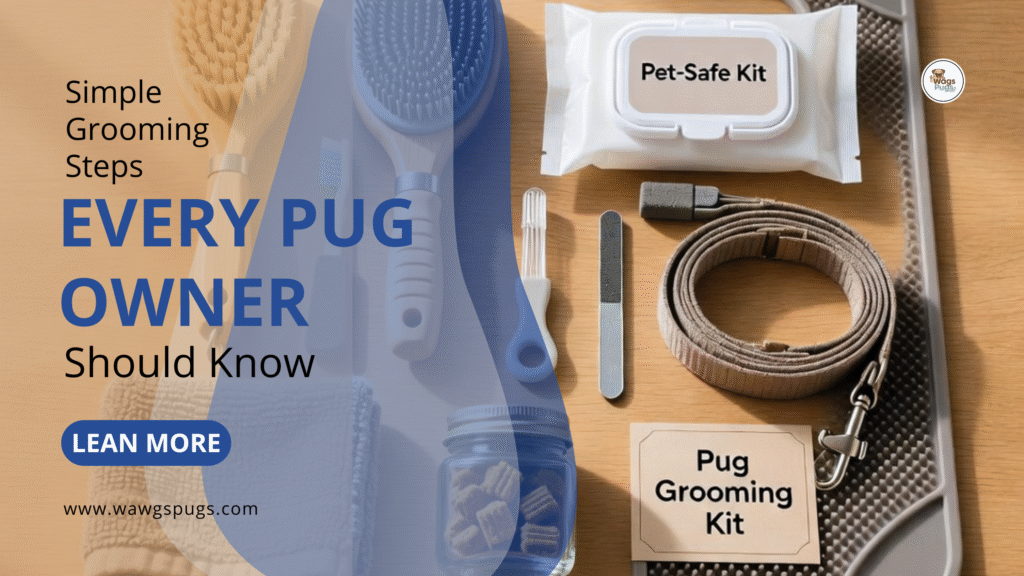
10 Simple Pug Grooming Steps Every Owner Should Know proudly

Simple Grooming Steps Every Pug Owner Should Know 10 Simple Pug Grooming Steps Every Owner Should Know proudly

Simple Pug Grooming Steps: Pugs are known for their expressive faces, charming personalities, and warm, gentle nature. They are also known for something else the folds and wrinkles that give them their signature look. Those wrinkles may be adorable, but they also trap moisture, dirt, sweat, and bacteria. Without regular grooming, these areas can become either contaminated or infected.

Because of their short noses, big eyes, compact bodies, and sensitive skin, pugs need more grooming support than many other breeds. If you’re caring for a pug for the first time, or if you’re looking to upgrade your grooming routine, this guide will walk you through everything you need to know. From wrinkle cleaning to nail trimming, brushing, bathing, and general dog hygiene, you’ll learn the simple steps that keep your pug clean, healthy, and comfortable.

Why Grooming Matters So Much for Pugs

Some dog breeds can go a week or two without much grooming. Pugs are not one of them. Their body shape, skin structure, and facial folds make them more prone to certain issues, including:

  • Moisture buildup
  • Bacterial growth in wrinkles
  • Yeast infections
  • Tear staining
  • Shedding that clogs pores
  • Irritated skin folds
  • Earwax buildup
  • Dull coats
  • Odor caused by trapped dirt

Good grooming helps prevent these problems before they start. You’ll save money on vet visits, and your pug will feel more comfortable every day.

Grooming also strengthens the bond between you and your dog. When you make grooming a calm, positive, and predictable routine, your pug will learn to trust the process.

Understanding a Pug’s Unique Grooming Needs

Before jumping into step-by-step instructions, it helps to understand why pugs need special attention.

1. Wrinkles and Skin Folds

Their wrinkles are the biggest reason that skin fold care is so important. Dirt and moisture collect easily, especially around the nose, mouth, and neck.

2. Short Hair but Heavy Shedding

Pugs shed a surprising amount for a short-haired breed. Regular brushing keeps shedding under control and reduces clogged pores.

3. Sensitive Eyes

Because their eyes are prominent, they’re more exposed to dust, pollen, and irritants.

4. Short Snout

A short snout means more drooling, which can make the facial folds damp.

5. Compact Body

Their sturdy build can trap heat and sweat under neck and shoulder folds.

These characteristics make a regular grooming routine essential.

How Often Should You Groom a Pug?

A simple schedule helps keep everything manageable. Here’s a general guide:

  • Wrinkle cleaning: Daily
  • Face and nose cleaning: Daily
  • Brushing: Two to three times a week
  • Bathing: Every three to four weeks
  • Nail trimming: Every two to three weeks
  • Ear cleaning: Every one to two weeks
  • Teeth brushing: Daily or at least three times a week
  • Full hygiene check: Weekly

The schedule can change depending on climate, activity level, and age. A pug living in a warm, humid state needs more frequent skin fold care than one living in a cooler, dry climate.

Step-by-Step Grooming Guide for Pugs

Pug grooming doesn’t have to be difficult or time-consuming. It requires perseverance, consistency, and understanding what makes your pug happy and healthy. Grooming becomes a routine rather than a stressful task when it is divided into easy steps.

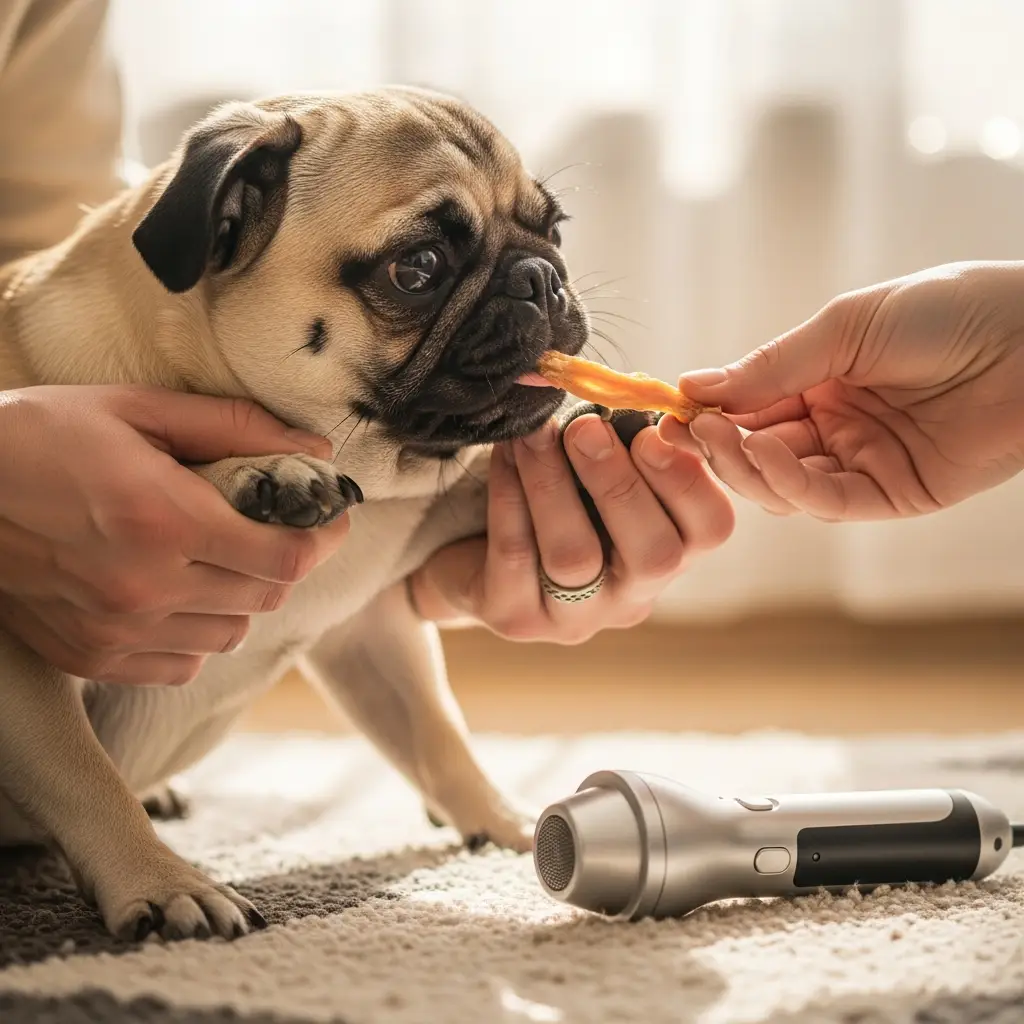
Start by creating a calm environment. Pick a comfortable location, talk quietly, and have snacks close by. A laid-back approach makes things easier because pugs react strongly to tone and energy. Start by brushing with a rubber grooming mitt or a soft bristle brush. Pugs shed a lot, even with short fur, and brushing twice or three times a week promotes healthy skin and helps control loose hair.

Next, use a gentle cloth or dog-safe wipe to clean wrinkles on your face. To avoid irritation or infection, carefully clean the interior of each fold and make sure it is completely dry. If there is discharge, use a clean cloth and light pressure to wipe the eyes.

Examine the ears once a week, and if necessary, use a veterinarian-approved cleaner to clean the outer ear. To promote dental health, brush your teeth multiple times a week with dog-safe toothpaste. Every two to four weeks, give your nails a little trim to prevent discomfort.

Give praise and a treat at the conclusion of each session. Grooming is not just maintenance. One small step at a time, care, communication, and trust are developed.
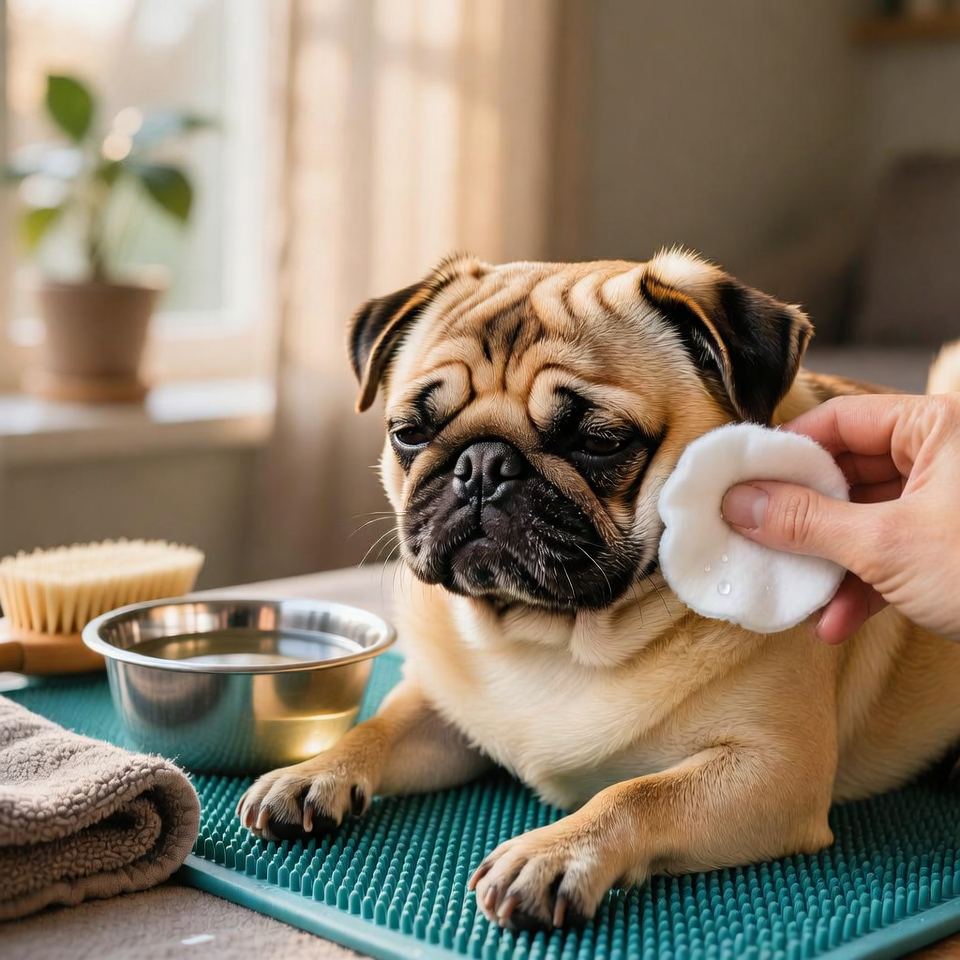
1. Daily Wrinkle Cleaning

Wrinkle cleaning is the most important part of pug grooming. These folds trap everything: dirt, food crumbs, moisture, sweat, drool, and even small particles from carpet or grass. Without regular cleaning, these areas become warm and damp, which encourages bacteria and yeast.

Wrinkle cleaning is the most important part of pug grooming. These folds trap everything: dirt, food crumbs, moisture, sweat, drool, and even small particles from carpet or grass. Without regular cleaning, these areas become warm and damp, which encourages bacteria and yeast.

How to Clean Pug Wrinkles

You’ll need:

  • Soft cotton pads or wipes
  • Mild dog-safe wrinkle wipes (fragrance-free)
  • A clean, dry towel
  • Optional: dog-safe drying powder for folds

Steps:

  1. Gently lift each wrinkle to expose the skin underneath.
  2. Use a cotton pad or safe wipe to remove dirt and moisture. Move slowly so you don’t irritate the skin.
  3. Repeat for every fold, especially around the nose.
  4. Dry each wrinkle completely with a towel. Leaving moisture behind can cause rashes.
  5. If your pug has very deep folds, apply a small amount of drying powder to prevent moisture buildup.

Signs the Wrinkles Need More Attention

  • A sour or musty smell
  • Redness
  • Brown discoloration
  • Excessive scratching
  • Oozing or discharge

If you notice any of these, increase cleaning frequency or talk to your vet. Wrinkle infections can escalate quickly if ignored.
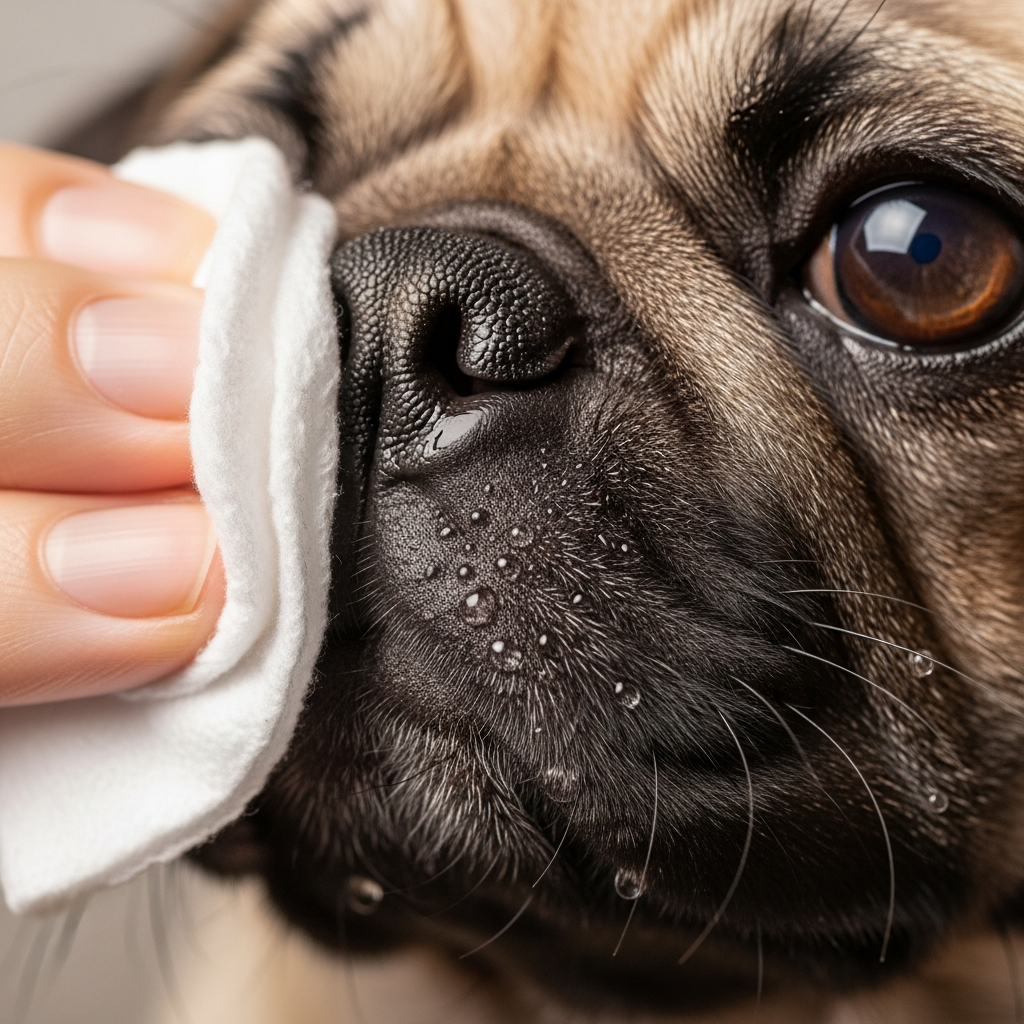
2. Cleaning the Nose and Face

Dry noses are common in pugs. Their short snout changes how air flows across the nose, which can cause dryness or cracking. Daily Nose Care Wipe your pug’s nose with a damp cotton pad. Apply a thin layer of dog-safe balm. Avoid using petroleum jelly, which can be harmful if licked. You can combine nose care with wrinkle cleaning to save time.
Dry noses are common in pugs. Their short snout changes how air flows across the nose, which can cause dryness or cracking.

Daily Nose Care

  1. Wipe your pug’s nose with a damp cotton pad.
  2. Apply a thin layer of dog-safe balm.
  3. Avoid using petroleum jelly, which can be harmful if licked.

You can combine nose care with wrinkle cleaning to save time.

3. Brushing to Control Shedding

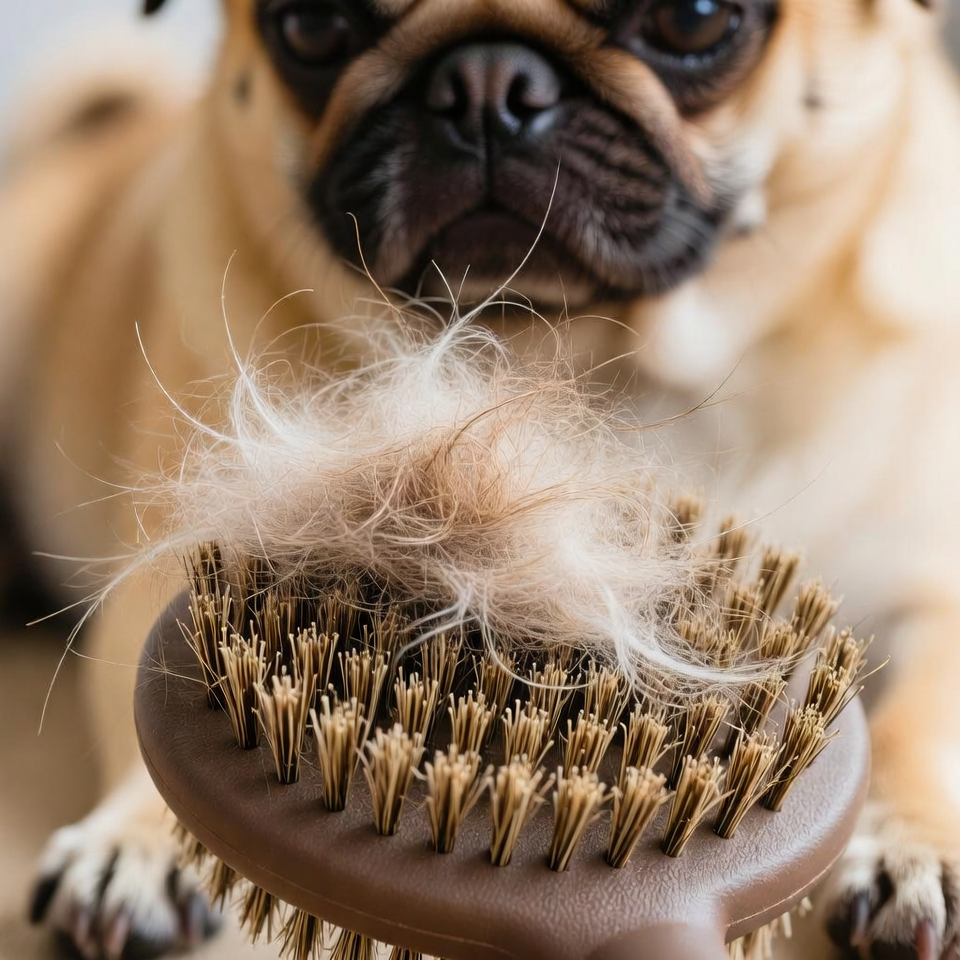
Even though pugs have short coats, they shed a lot. Brushing reduces loose hair and keeps the skin healthy by spreading natural oils. Best Brushes for Pug Grooming Rubber curry brush Soft bristle brush Grooming glove Avoid harsh metal brushes that can scratch the skin. How to Brush Your Pug Choose a calm moment, like after breakfast or before bed. Brush gently in short strokes. Pay extra attention to high-shedding areas like the chest, back, and tail base. Finish with a soft brush to smooth the coat. Brushing also helps you spot early skin issues like bumps, dryness, or fleas.
Even though pugs have short coats, they shed a lot. Brushing reduces loose hair and keeps the skin healthy by spreading natural oils.

Best Brushes for Pug Grooming

  • Rubber curry brush
  • Soft bristle brush
  • Grooming glove

Avoid harsh metal brushes that can scratch the skin.

How to Brush Your Pug

  1. Choose a calm moment, like after breakfast or before bed.
  2. Brush gently in short strokes.
  3. Pay extra attention to high-shedding areas like the chest, back, and tail base.
  4. Finish with a soft brush to smooth the coat.

Brushing also helps you spot early skin issues like bumps, dryness, or fleas.

4. Bathing Your Pug Correctly

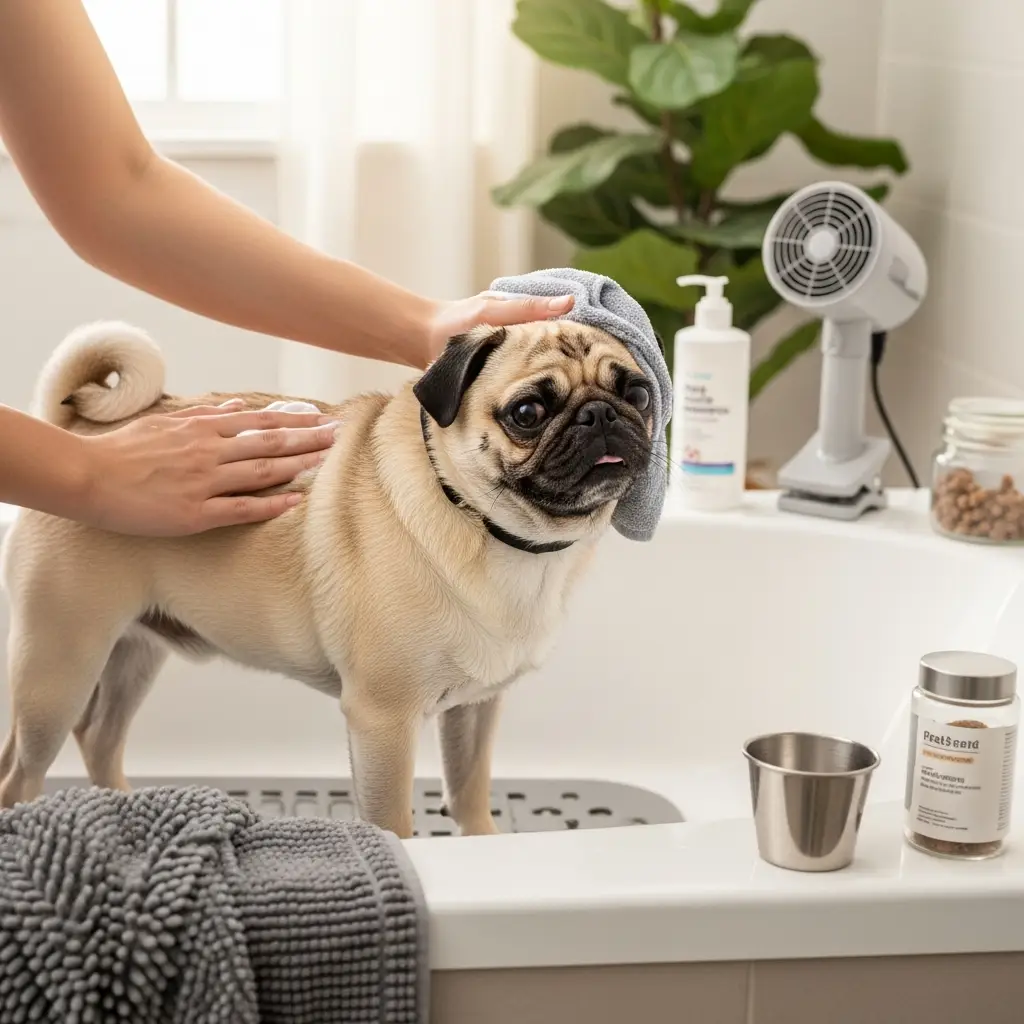
Bathing keeps your pug fresh and reduces odor caused by trapped oils or sweat. But you don’t want to bathe too often because frequent baths can dry out the skin. How Often to Bathe Every three to four weeks is ideal. Increase frequency if: You live in a humid region Your pug spends a lot of time outdoors Your pug has seasonal allergies How to Give a Safe, Comfortable Bath You’ll need: Dog-safe shampoo (gentle, mild, fragrance-free) Washcloth Non-slip mat Towel Optional: dog conditioner Steps: Brush before the bath to remove loose hair. Place your pug on a non-slip mat to prevent sliding. Use lukewarm water. Avoid hot water, which can irritate the skin. Apply shampoo, avoiding eyes and deep folds. Use a washcloth to clean the face gently. Rinse thoroughly. Soap residue can cause itching. Dry completely, especially inside wrinkles. Apply wrinkle powder as needed. Never use human shampoo. It disrupts the natural balance of your pug’s skin.
Bathing keeps your pug fresh and reduces odor caused by trapped oils or sweat. But you don’t want to bathe too often because frequent baths can dry out the skin.

How Often to Bathe

Every three to four weeks is ideal. Increase frequency if:

  • You live in a humid region
  • Your pug spends a lot of time outdoors
  • Your pug has seasonal allergies

How to Give a Safe, Comfortable Bath

You’ll need:

  • Dog-safe shampoo (gentle, mild, fragrance-free)
  • Washcloth
  • Non-slip mat
  • Towel
  • Optional: dog conditioner

Steps:

  1. Brush before the bath to remove loose hair.
  2. Place your pug on a non-slip mat to prevent sliding.
  3. Use lukewarm water. Avoid hot water, which can irritate the skin.
  4. Apply shampoo, avoiding eyes and deep folds.
  5. Use a washcloth to clean the face gently.
  6. Rinse thoroughly. Soap residue can cause itching.
  7. Dry completely, especially inside wrinkles.
  8. Apply wrinkle powder as needed.

Never use human shampoo. It disrupts the natural balance of your pug’s skin.

5. Cleaning pug the Ears

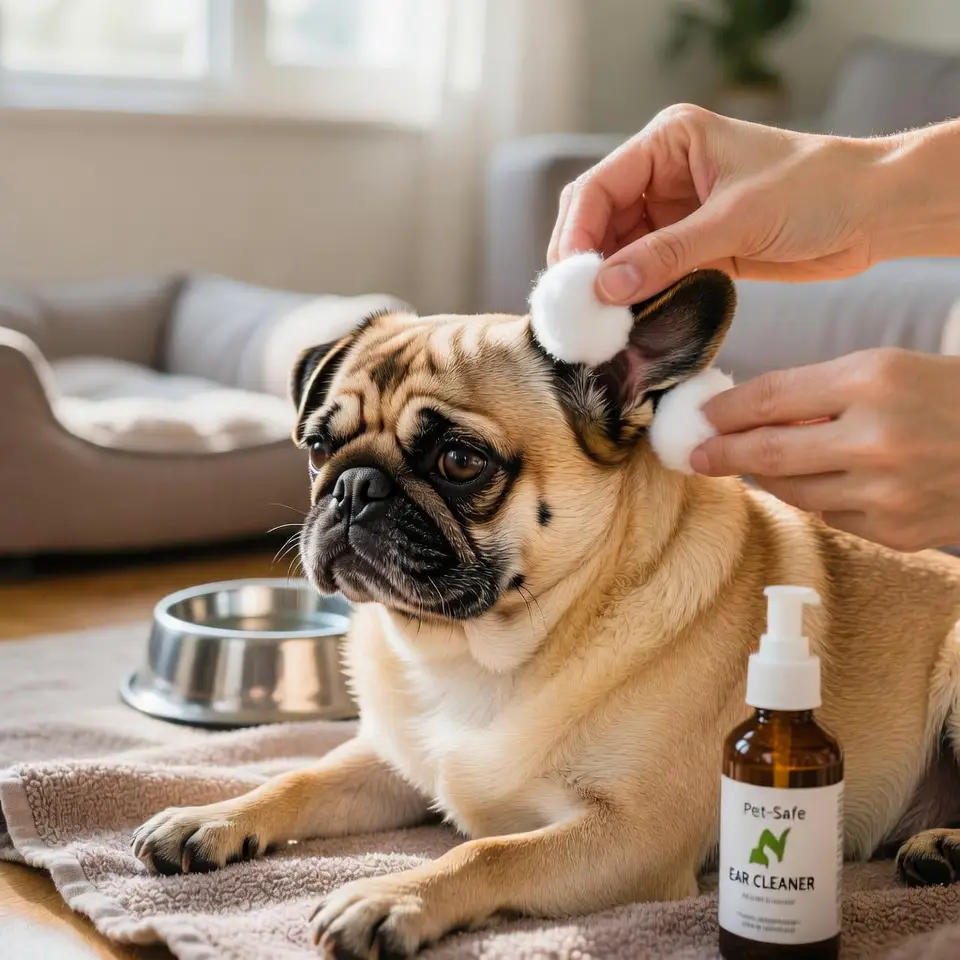
Pugs have soft, folded ears that trap wax and moisture. That makes them prone to ear infections. How Often to Clean Every one to two weeks. How to Clean Pug Ears Use a dog-safe ear cleaning solution. Apply the solution according to instructions. Massage the ear base gently. Let your pug shake their head. Wipe the outer part of the ear with a cotton pad. Avoid using cotton swabs inside the ear canal. They can push debris deeper and cause damage.
Pugs have soft, folded ears that trap wax and moisture. That makes them prone to ear infections.

How Often to Clean

Every one to two weeks.

How to Clean Pug Ears

  1. Use a dog-safe ear cleaning solution.
  2. Apply the solution according to instructions.
  3. Massage the ear base gently.
  4. Let your pug shake their head.
  5. Wipe the outer part of the ear with a cotton pad.

Avoid using cotton swabs inside the ear canal. They can push debris deeper and cause damage.

6. Pug Nail Trimming Without Stress

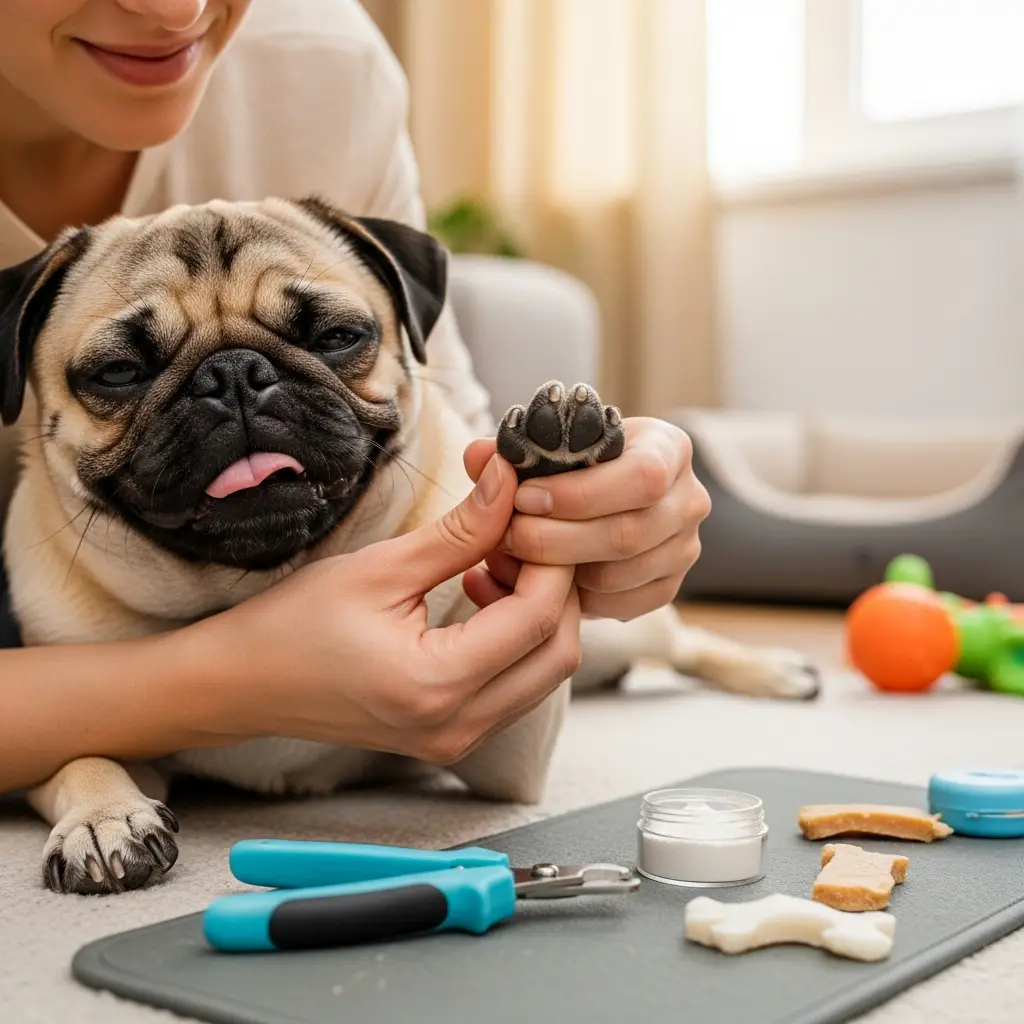
Long nails affect posture and can be painful for pugs. Since these dogs carry their weight in the front, long nails put extra pressure on their joints. How Often to Trim Every two to three weeks. Tips for Easy Nail Trimming Use a clipper designed for small breeds. Trim small amounts at a time. Watch for the quick (the pink inner part). If your pug resists, trim one or two nails at a time rather than all at once. Give a treat after each successful trim. If nail trimming becomes stressful, a groomer can help.
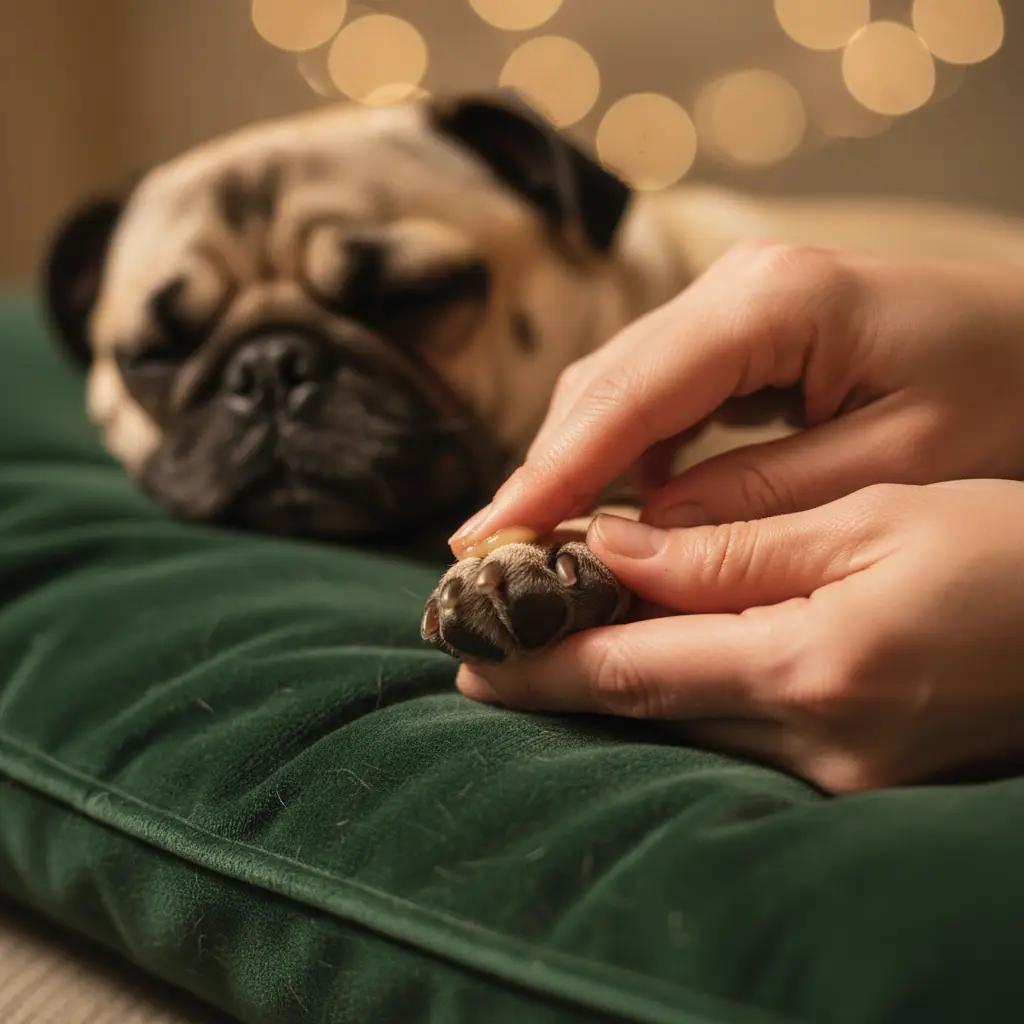
Long nails affect posture and can be painful for pugs. Since these dogs carry their weight in the front, long nails put extra pressure on their joints.

How Often to Trim

Every two to three weeks.

Tips for Easy Nail Trimming

  • Use a clipper designed for small breeds.
  • Trim small amounts at a time.
  • Watch for the quick (the pink inner part).
  • If your pug resists, trim one or two nails at a time rather than all at once.
  • Give a treat after each successful trim.

If nail trimming becomes stressful, a groomer can help.

7. Taking Care of Pug Paws

Paw pads collect dirt and can become dry or cracked, especially in warm climates. Simple Paw Care Routine Wipe paws after walks. Trim fur between paw pads if needed. Apply a paw balm if pads look rough. Clean paws also help reduce allergens in the home.
Paw pads collect dirt and can become dry or cracked, especially in warm climates.

Simple Paw Care Routine

  1. Wipe paws after walks.
  2. Trim fur between paw pads if needed.
  3. Apply a paw balm if pads look rough.

Clean paws also help reduce allergens in the home.

8. Pug Teeth Cleaning

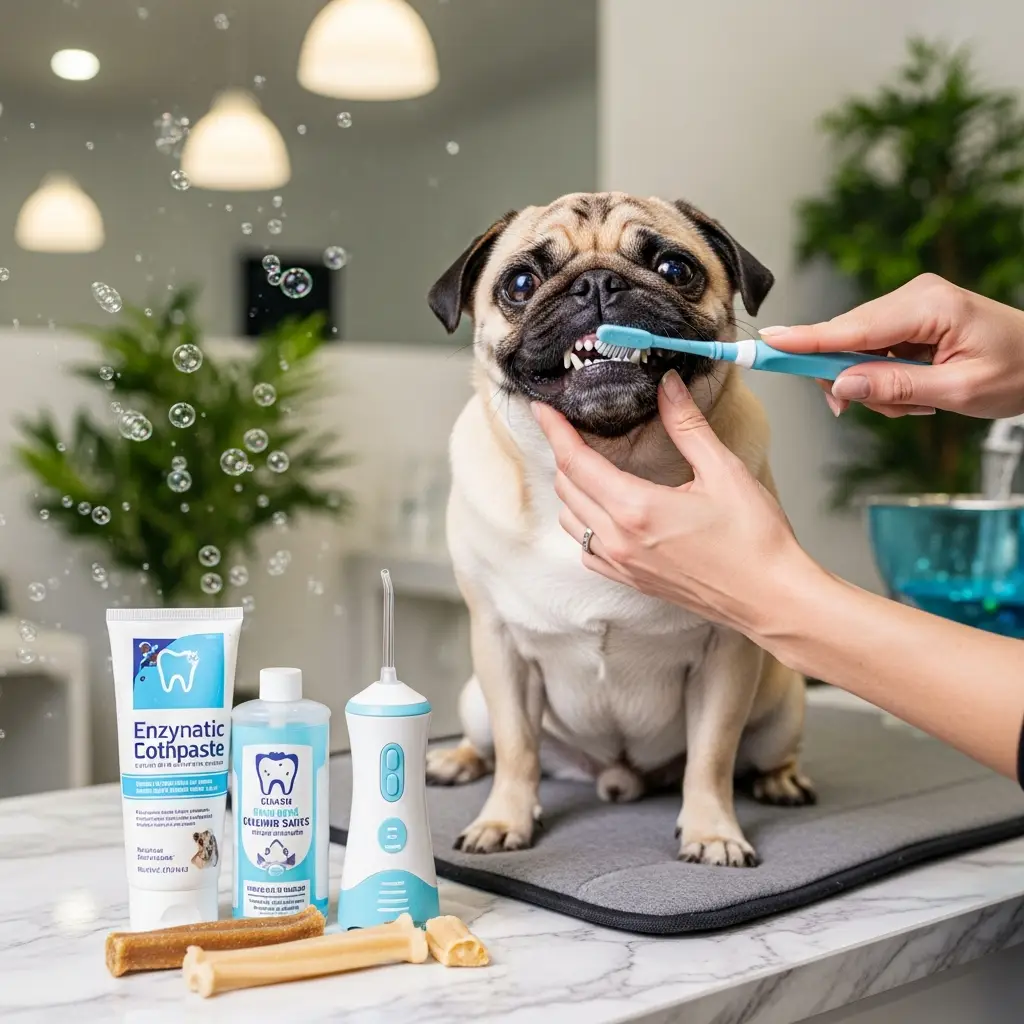
Good dog hygiene includes dental care. Pugs frequently have bad breath and tartar buildup. in pugs. How to Brush Your Pug’s Teeth Use a dog-safe toothbrush or finger brush. Choose a dog-friendly toothpaste flavor. Brush gently in circular motions. Focus on the back molars where plaque accumulates. Daily brushing is ideal. At minimum, aim for three times a week.
Good dog hygiene includes dental care. Pugs frequently have bad breath and tartar buildup. in pugs.

How to Brush Your Pug’s Teeth

  1. Use a dog-safe toothbrush or finger brush.
  2. Choose a dog-friendly toothpaste flavor.
  3. Brush gently in circular motions.
  4. Focus on the back molars where plaque accumulates.

Daily brushing is ideal. At minimum, aim for three times a week.

9. Keeping the Pug Coat Healthy

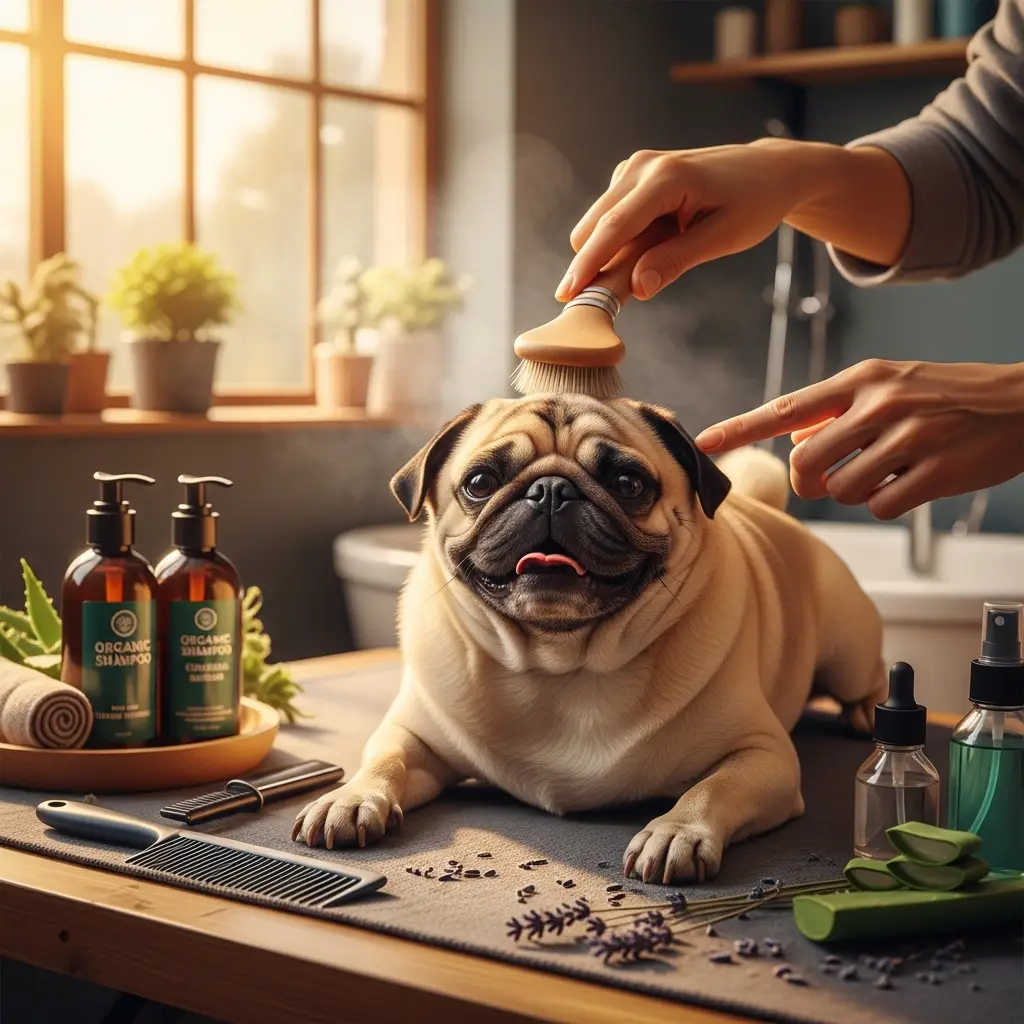
A shiny coat reflects good grooming and good health. If your pug’s coat looks dull, consider: More brushing Better hydration Omega-3 supplements (vet approved) Using milder shampoo Dry skin often improves when grooming is consistent.
A shiny coat reflects good grooming and good health. If your pug’s coat looks dull, consider:

  • More brushing
  • Better hydration
  • Omega-3 supplements (vet approved)
  • Using milder shampoo

Dry skin often improves when grooming is consistent.

10. Maintaining Good Dog Hygiene Throughout the Week

A full hygiene check once a week helps you catch small problems early. Weekly Hygiene Checklist Inspect wrinkles Check eyes for discharge Look inside the ears Run hands along the coat to feel for bumps Check paw pads Check nails Look for dry or flaky skin Smell the breath Small changes can reveal bigger issues, so weekly checks help you stay ahead.

A full hygiene check once a week helps you catch small problems early.

Weekly Hygiene Checklist

  • Inspect wrinkles
  • Check eyes for discharge
  • Look inside the ears
  • Run hands along the coat to feel for bumps
  • Check paw pads
  • Check nails
  • Look for dry or flaky skin
  • Smell the breath

Small changes can reveal bigger issues, so weekly checks help you stay ahead.

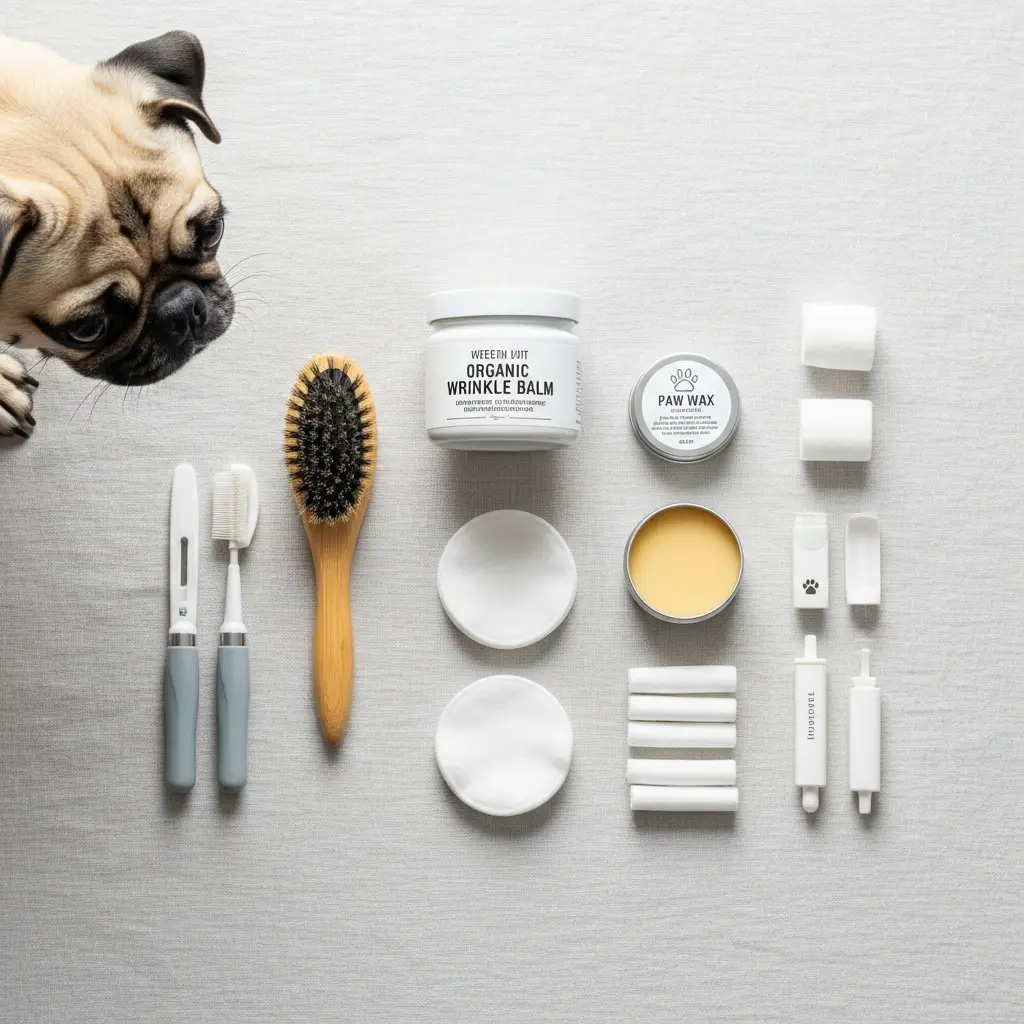
Recommended Grooming Products for Pugs

Choosing the right products makes grooming easier and safer.

Wrinkle Wipes

Look for:

  • Fragrance-free formulas
  • Mild ingredients
  • Hypoallergenic blends

Drying Powders

Useful in humid climates. Choose powders made specifically for dogs.

Shampoo

Ideal choices:

  • Oatmeal-based
  • Sensitive-skin formulas
  • Tear-free options

Avoid products with heavy perfume.

Brushes

Best tools:

  • Rubber curry brush
  • Bristle brush
  • Grooming gloves

Ear Cleaning Solution

Select mild, vet-approved formulas.

Nail Clippers

Choose clippers sized for small dogs. Guillotine-style clippers often work well for pugs.

Dog Skin Balms

Choose natural balms for the nose and paw pads.

Quality products protect your pug’s skin from irritation and keep grooming simple.

Common Grooming Mistakes to Avoid

Even well-meaning owners can make mistakes. These are the most common errors and how to avoid them.

1. Neglecting Wrinkle Cleaning

Skipping wrinkle care even for a day can allow moisture to build up.

2. Leaving Wrinkles Wet

Always dry completely. Damp folds invite yeast and odor.

3. Using Human Products

Human shampoo or wipes disrupt the natural pH of a dog’s skin.

4. Bathing Too Often

Too many baths strip oils and cause dryness.

5. Ignoring Eye Discharge

Pugs are prone to tear stains. Clean under the eyes daily.

6. Trimming Pug Nails Too Short

Avoid cutting the quick, which is painful and causes bleeding.

7. Skipping Brushing Because the Coat Is Short

Pugs shed heavily. Brushing keeps them comfortable and reduces shedding around the house.

8. Not Cleaning Between Paw Pads

Moisture between pads can lead to irritation.

Avoiding these mistakes keeps grooming smooth and comfortable for your pug.

Simple Pug Grooming Steps: Seasonal Grooming Tips

Every season comes with different grooming challenges.

Summer Grooming Tips

  • Focus on skin fold care because of humidity.
  • Use lightweight brushes.
  • Keep baths short and gentle.
  • Watch for heat rash.

Check paws for burns after walking on hot pavement.

Winter Grooming Tips

  • Use hydrating shampoo.
  • Apply paw balm to prevent cracking.
  • Keep nails trimmed since walks may be shorter.

Wipe the coat to remove dry indoor dust.

Spring Grooming Tips

  • Expect heavier shedding.
  • Increase brushing frequency.

Watch for pollen buildup in wrinkles.
Fall Grooming Tips

  • Prepare for shedding season.
  • Resume normal bathing after summer heat.
  • Inspect wrinkles for seasonal allergies.

How to Make Grooming Easier for Your Pug

Some pugs enjoy grooming. Others resist it. Here are simple ways to make the routine smoother. Start young if possible. Keep sessions short. Offer treats for calm behavior. Speak softly and move slowly. Introduce tools one at a time. Use a non-slip surface to help your pug feel secure. End with a cuddle or praise. Building positive associations makes grooming less stressful.

Some pugs enjoy grooming. Others resist it. Here are simple ways to make the routine smoother.

  • Start young if possible.
  • Keep sessions short.
  • Offer treats for calm behavior.
  • Speak softly and move slowly.
  • Introduce tools one at a time.
  • Use a non-slip surface to help your pug feel secure.
  • End with a cuddle or praise.

Building positive associations makes grooming less stressful.

Troubleshooting Common Grooming Problems

Here’s how to handle typical issues that pop up during grooming.

Red or Irritated Wrinkles

Increase cleaning frequency. Switch to gentler wipes. Use a vet-approved drying powder.

Dry Skin

Use a mild shampoo, add fatty acids to the diet (with vet approval), and avoid hot baths.

Tear Stains

Clean under the eyes daily. Avoid wiping too aggressively.

Bad Breath

Brush teeth more often. Avoid flavored chews that leave residue.

Paw Licking

Check for dryness, sensitivity, or stuck debris.

If symptoms don’t improve, talk to your vet.

Final Thoughts

Grooming is one of the best gifts you can give your pug. It keeps them clean, healthy, and comfortable, and it strengthens your bond. Once you get into a routine, grooming becomes a simple part of daily life.

By cleaning wrinkles daily, brushing a few times a week, bathing monthly, trimming nails regularly, and checking overall dog hygiene, you’ll help your pug stay happy and healthy all year long.

Frequently Asked Questions About Simple Pug Grooming Steps

Why is it crucial to give pugs regular grooming?

Frequent grooming promotes dental health, keeps your pet comfortable, guards against ear and skin infections, and helps you identify health problems early.

How frequently should my pug be groomed?

While some grooming duties should be completed every day or every week, others should only be completed once a month. Deep grooming on occasion is not as effective as a straightforward, regular routine.

What are the most fundamental grooming techniques that every owner of a pug should be aware of?

Brushing the coat, cleaning wrinkles, wiping eyes, trimming nails, cleaning ears, brushing teeth, bathing when necessary, inspecting paws, properly drying, and rewarding with praise or treats are the fundamentals.

Do pets actually require wrinkle cleaning?

Indeed. If wrinkles are not routinely cleaned and dried, they can cause irritation or infection because they retain moisture and debris.

How frequently should my pug be brushed?

Two or three times a week, brush. Daily brushing maintains healthy skin and helps control fur during periods of heavy shedding.

Are baths necessary for pugs?

Yes, but not too often. Every three to four weeks, the majority of pugs require a bath with a dog-safe shampoo.

How frequently should I cut my pug’s nails?

every two to four weeks. Hard floors should be trimmed if you hear clicking.

Does dental care truly fall under the category of grooming?

Of course. Gum disease, foul breath, and tooth loss can be avoided by brushing your pet’s teeth multiple times a week.

Can I do all of my pug’s grooming at home?

Sure. The majority of pug grooming can be completed at home with perseverance, the right equipment, and regularity.

What if my pug hates grooming?

Use praise and treats, start slowly, and limit the length of sessions. Grooming gets easier and less stressful with time.

Do I need expensive grooming products?

No, basic, dog-safe products and tools are more crucial than pricey or fashionable ones.

What is the ideal duration for a grooming session?

The majority of grooming activities only require a few minutes. Frequent, brief sessions are more effective than lengthy ones.

Can grooming help with bonding?

Yes. Regular, gentle grooming builds trust and strengthens your bond with your pug.

Is it acceptable to occasionally skip a grooming step?

Yes. Perfection is not required. Over time, consistency is far more important than doing everything flawlessly.
Lorem ipsum dolor sit amet, consectetur adipiscing elit, sed do eiusmod tempor incididunt ut labore et dolore magna aliqua. Ut enim ad minim veniam, quis nostrud exercitation ullamco laboris nisi ut aliquip ex ea commodo consequat. Duis aute irure dolor in reprehenderit in voluptate velit.
Tags :
Share This :

Recent Posts

Subscribe Our Newsletter

Lorem ipsum dolor sit amet, consectetur adipiscing elit, sed do eiusmod tempor incididunt ut labore

Categories