❝A dog has one aim in life… to bestow his heart.” ― J. R. Ackerley❞
❝A dog has one aim in life… to bestow his heart.” ― J. R. Ackerley❞
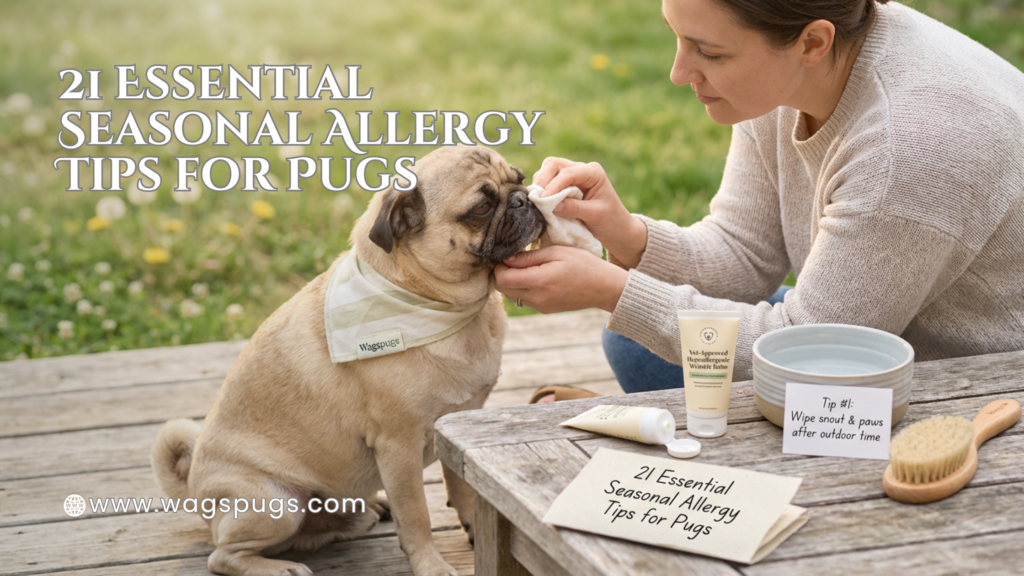
Seasonal allergies are one of the most common health challenges faced by pugs. Because of their sensitive skin, short coats, and facial folds, pugs often react strongly to environmental allergens like pollen, dust, and mold. These allergies can lead to constant itching, redness, ear infections, and overall discomfort if not managed properly.
This article provides vet-approved, caution-based guidance to help pug owners understand seasonal allergies and take safe, practical steps to reduce symptoms. This content is for educational purposes only and does not replace professional veterinary advice.
Seasonal allergies in pugs occur when the immune system reacts excessively to environmental substances that become more prevalent during certain times of the year. These substances, known as allergens, may include pollen from trees and grasses, mold spores, dust, and other airborne particles. While these allergens are generally harmless to most dogs, pugs often have heightened sensitivity due to their delicate skin, facial folds, and genetic predisposition to skin conditions.
A pug’s immune system may react to these allergens by causing skin and ear inflammation. This reaction can lead to common allergy symptoms such as itching, redness, paw licking, and ear irritation. Unlike respiratory allergies seen in humans, seasonal allergies in dogs usually present as skin-related issues rather than sneezing or congestion.
Seasonal allergies tend to flare up during specific periods of the year, most commonly in spring, summer, or fall, depending on the local environment and climate. When allergen levels drop, symptoms may get better, but they frequently recur in the same season every year. Because seasonal allergies are typically ongoing, effective management focuses on reducing exposure, maintaining consistent care routines, and seeking veterinary guidance when symptoms persist or worsen.
Understanding triggers helps reduce exposure and prevent flare-ups.
Seasonal allergies often affect a pug’s skin rather than their respiratory system.
If symptoms worsen or persist, veterinary evaluation is necessary.
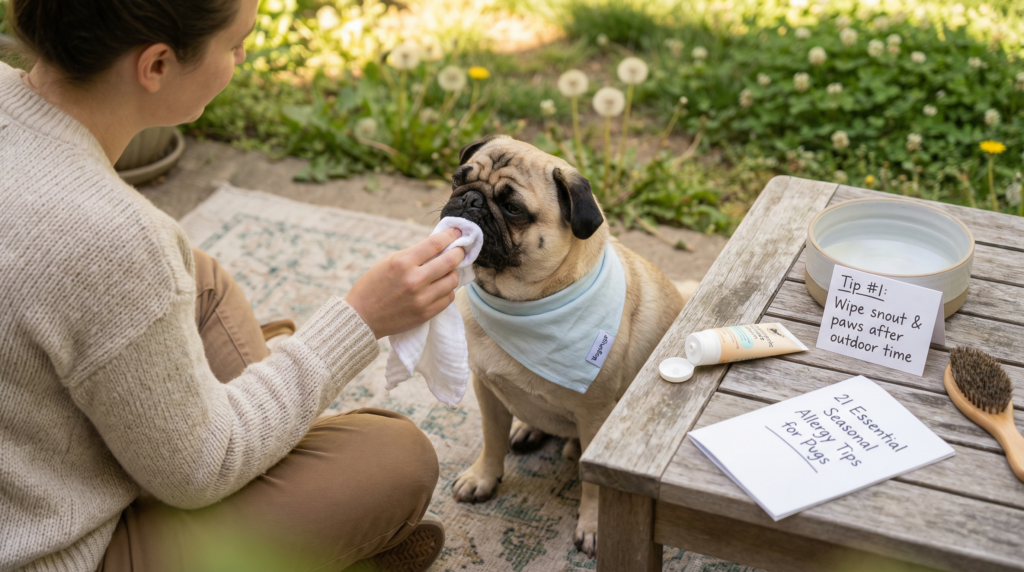
A pug’s paws are one of the most common places where seasonal allergens collect. Pollen, grass particles, dust, and other environmental allergens easily stick to the pads and fur between the toes during outdoor walks. When these allergens remain on the paws, your pug may lick or chew them, which can worsen itching and spread allergens to other parts of the body.
Gently wiping your pug’s paws with a clean, damp cloth after every walk can significantly reduce allergen exposure. For dogs with sensitive skin, lukewarm water is usually sufficient. Some owners choose pet-safe wipes designed for allergy-prone dogs, but these should always be fragrance-free and approved for canine use.
Because moisture and debris can get trapped in the spaces between the toes, extra care should be taken. Removing allergens at this stage helps prevent skin irritation, redness, and secondary infections caused by excessive licking or scratching.
Pollen and grass allergens easily stick to paws. Gently wiping paws with a damp cloth after walks can reduce allergen exposure.
Caution: Always dry your pug’s paws thoroughly after cleaning. Moisture left between the toes can create an ideal environment for yeast or bacterial infections. If you notice redness, swelling, or an unusual odor around the paws, consult a veterinarian for proper evaluation and care.
Regular bathing plays an important role in managing seasonal allergies in pugs because it helps remove allergens such as pollen, dust, and environmental debris that cling to the skin and coat. When allergens remain on the skin for long periods, they can trigger itching, redness, and inflammation, especially in breeds with sensitive skin like pugs.
A consistent bathing routine, rather than frequent or random baths, is key. Most veterinarians recommend using a vet-approved or hypoallergenic dog shampoo specifically formulated for sensitive or allergy-prone skin. These shampoos are designed to cleanse gently without stripping the skin of its natural protective oils.
Overbathing can be harmful and may dry out your pug’s skin, leading to increased irritation and flakiness. Dry skin can actually worsen itching and make allergy symptoms more severe. For this reason, the ideal bathing frequency varies depending on your pug’s skin condition, lifestyle, and allergy severity.
Always follow your veterinarian’s guidance regarding how often to bathe your pug. Some dogs may benefit from bathing every two to four weeks during peak allergy seasons, while others may need a different schedule.
Bathing helps remove allergens from your pug’s skin and coat.
Never use human shampoo on dogs. It is important to never use human shampoo on dogs, as it is not formulated for a dog’s skin pH and can cause irritation, dryness, or allergic reactions. If your pug shows signs of discomfort after bathing, such as increased scratching or redness, consult your veterinarian for advice on alternative products or bathing routines.
Pugs are well known for their adorable facial wrinkles, but these folds can easily trap dirt, moisture, food particles, and seasonal allergens. During allergy seasons, pollen and dust often settle deep inside the skin folds, creating an environment that encourages irritation and inflammation. These areas can easily become infected with bacteria or yeast if improperly cleaned, which could exacerbate allergy symptoms and be uncomfortable.
Cleaning your pug’s facial wrinkles daily is an essential part of seasonal allergy care. Use a soft, clean cloth or cotton pad slightly dampened with lukewarm water. Because pug skin is sensitive and prone to irritation, gently wipe in between each fold, being careful not to rub or apply too much pressure.
After cleaning, it is crucial to dry the wrinkles thoroughly. Moisture left behind can promote the growth of yeast and bacteria, leading to redness, odor, and itching. A dry, soft towel or clean tissue can be used to ensure all folds are completely dry.
Avoid using scented wipes, harsh cleansers, or human skincare products, as these may irritate your pug’s skin or trigger allergic reactions. If your veterinarian recommends a specific wrinkle-cleaning solution, follow their guidance carefully.
Pug facial folds trap moisture, dirt, and allergens.
Failure to keep folds clean may lead to yeast or bacterial infections.
Caution: If you notice persistent redness, swelling, discharge, or a strong odor from the facial folds, stop home care and consult a veterinarian. These signs may indicate an infection that requires professional treatment.
Your pug’s bedding, blankets, and favorite toys can quickly become a hidden source of seasonal allergens. Pollen, dust, mold spores, and even skin flakes collect on these items over time. When your pug sleeps or These allergens stay in close contact with the skin when they play on unwashed bedding, which can exacerbate itching and prolong allergy symptoms.
Washing your pug’s bedding and soft toys at least once a week helps reduce allergen buildup and creates a cleaner resting environment. Use warm water and a fragrance-free, dye-free detergent designed for sensitive skin. Strong scents and harsh chemicals may irritate your pug’s skin or trigger additional allergic reactions.
It is best to avoid fabric softeners and dryer sheets, as these products often contain chemicals that can leave residue on fabrics. After washing, ensure bedding and toys are completely dry before use to prevent mold growth.
To reduce allergen exposure, toys that cannot be machine washed should be routinely wiped with a moist cloth and left to air dry.
Dog beds, blankets, and toys collect allergens quickly.
Clean bedding supports better skin health.
Caution: If your pug shows increased itching, redness, or discomfort after using freshly washed bedding, discontinue use and review the cleaning products you are using. Consult your veterinarian if irritation continues, as product sensitivity may be contributing to symptoms.
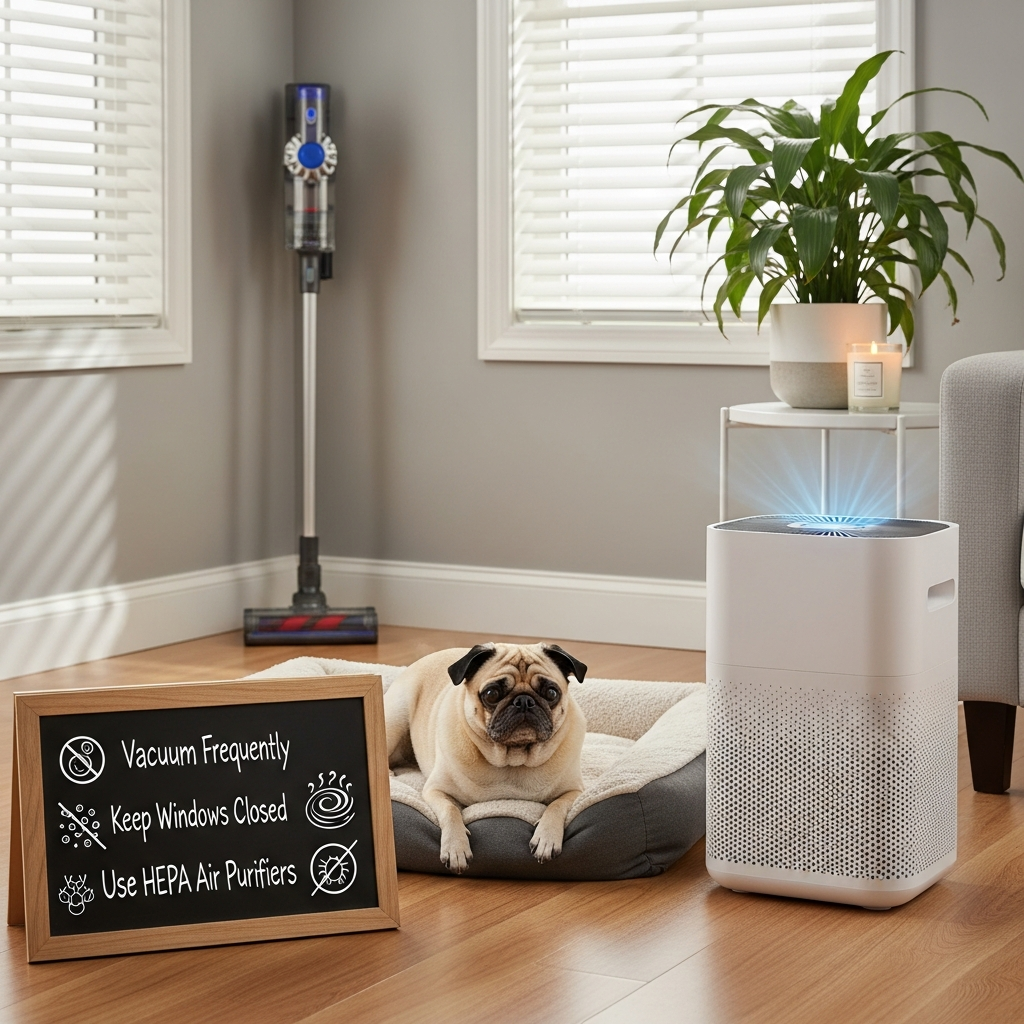
Indoor air quality plays a significant role in managing seasonal allergies in pugs, especially since dogs spend a large portion of their time indoors. Allergens such as dust, pollen brought in from outside, mold spores, and pet dander can accumulate in the home and continuously trigger allergy symptoms if not properly managed.
Regular cleaning is essential to reduce airborne allergens. Vacuum carpets, rugs, and upholstered furniture frequently using a vacuum with a high-efficiency filter. Hard floors should be swept and mopped regularly to prevent dust buildup. Washing curtains and soft furnishings periodically can also help limit allergen accumulation.
Using an air purifier with a suitable filter may further improve indoor air quality, particularly during high-pollen seasons. Keeping windows closed on days when pollen counts are high can prevent outdoor allergens from entering the home.
Humidity control is equally important. Excess moisture in the air can encourage mold growth, while very dry air may irritate your pug’s skin. Maintaining a balanced indoor environment helps support skin comfort and respiratory health.
Indoor allergens can worsen symptoms.
A cleaner indoor environment reduces allergen buildup.
Caution: Avoid using strong air fresheners, scented candles, or cleaning products with harsh chemicals. These substances can irritate your pug’s sensitive skin and respiratory system. If allergy symptoms persist despite improved indoor air quality, consult your veterinarian for further guidance.
Regular brushing is an important part of managing seasonal allergies in pugs because it helps remove loose hair, dead skin cells, and environmental allergens that settle on the coat. Even though pugs have short hair, their coats can still trap pollen, dust, and other irritants that contribute to itching and skin inflammation.
Brushing your pug two to three times per week can significantly reduce the amount of allergens carried on the skin. Use a soft-bristled brush or a grooming tool designed specifically for short-coated breeds. Gentle brushing improves blood circulation to the skin and supports overall skin health without causing irritation.
Always brush in a calm, comfortable environment and pay attention to your pug’s reaction. If the skin appears red, inflamed, or sore, reduce brushing frequency and avoid sensitive areas until the skin has healed.
You can stop allergens from returning to your pug or entering the house by cleaning the brush and washing your hands after brushing.
Regular brushing removes loose hair and allergens trapped in the coat.
Stop brushing if your pug’s skin looks irritated.
Caution: Never brush aggressively or use sharp grooming tools, as these can damage the skin and worsen allergy symptoms. If your pug shows signs of pain, excessive redness, or hair loss during grooming, consult a veterinarian for advice on proper grooming techniques and frequency.
Nutrition plays a crucial role in maintaining healthy skin and supporting the immune system in pugs, especially those prone to seasonal allergies. While environmental allergens are the primary trigger, a well-balanced diet can help strengthen the skin barrier, making your pug less reactive to irritants that cause itching and inflammation.
Feeding a high-quality dog food that provides complete and balanced nutrition is essential. Veterinarians frequently advise diets high in essential fatty acids, especially omega-3 and omega-6 fatty acids, to promote skin hydration and lower inflammation. Adequate levels of vitamins and minerals, such as vitamin E and zinc, also contribute to skin repair and overall coat health.
Any dietary changes should be made gradually and under veterinary guidance. Introducing new foods or supplements too quickly may cause digestive upset or unintended reactions. It is especially important not to assume that more supplements will lead to better results.
Healthy skin starts from within.
Caution: Do not add supplements, oils, or homemade remedies to your pug’s diet without consulting a veterinarian. Improper supplementation can cause imbalances and may worsen existing health conditions. If your pug’s skin issues persist despite nutritional support, a veterinary evaluation is recommended to rule out other underlying causes.
Seasonal allergies often affect a pug’s ears, making regular ear care an essential part of allergy management. Allergic reactions can cause inflammation inside the ear canal, leading to increased wax production, moisture buildup, and irritation. If left untreated, these conditions may develop into painful ear infections.
Check your pug’s ears at least once a week, especially during peak allergy seasons. Look for early signs of trouble such as redness, swelling, unusual discharge, or a strong odor. Catching these symptoms early can prevent more serious complications.
When cleaning, use only a veterinarian-approved ear cleaner designed specifically for dogs. Apply the cleaner according to instructions and gently wipe the outer ear with a clean cotton pad or soft cloth. Deeply inserting cotton swabs or other objects into the ear canal can be harmful.
Keeping the ears dry is equally important. After bathing or outdoor activities, ensure your pug’s ears are thoroughly dried to reduce the risk of yeast or bacterial growth.
Allergies often affect a pug’s ears.
Caution: If your pug shows signs of pain, head shaking, persistent scratching, or discharge from the ears, stop home cleaning and seek veterinary care immediately. Ear infections require professional diagnosis and treatment to prevent long-term damage.
Pollen and mold spores are examples of seasonal allergens that are more concentrated during specific times of the day. For pugs with seasonal allergies, exposure during these peak periods can significantly increase itching, skin irritation, and overall discomfort.
Pollen levels are often highest in the early morning and late afternoon, especially on warm, windy days. Planning your pug’s walks during lower-pollen times, such as mid-morning or after rainfall, may help reduce allergen exposure. Shorter walks during allergy season can also limit contact with environmental triggers.
Avoid areas with freshly cut grass, overgrown weeds, or damp, mold-prone environments. If your pug enjoys spending time outdoors, consider using clean, shaded areas with minimal plant exposure.
After outdoor activities, follow a consistent cleaning routine by wiping paws and checking skin folds to remove allergens before they spread to other areas of the body.
Pollen levels are often highest in the early morning and late afternoon.
Caution: Do not restrict exercise entirely unless advised by a veterinarian. Pugs still need regular physical activity for their overall health. If allergy symptoms worsen despite avoiding high-allergen times, consult your veterinarian for further guidance.
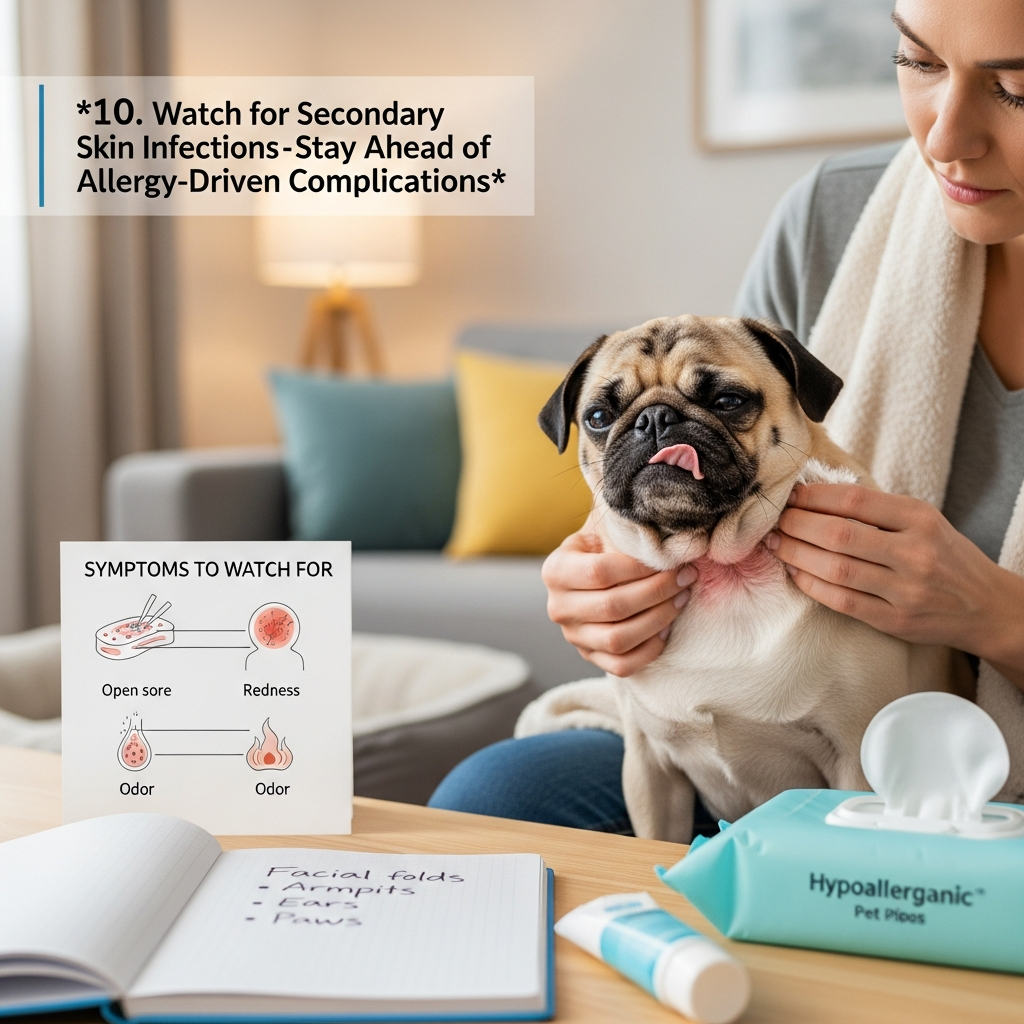
Persistent scratching and licking caused by seasonal allergies can damage your pug’s skin barrier, making it easier for bacteria and yeast to grow. Secondary skin infections are a common complication in allergy-prone pugs and can significantly worsen discomfort if not addressed promptly.
Regularly inspect your pug’s skin, especially in problem areas such as the paws, ears, neck, armpits, and facial folds. Early signs of infection may include redness, swelling, scabs, open sores, excessive odor, or areas that appear moist or inflamed. When these areas are touched, your pug might also exhibit heightened sensitivity or pain.
Keeping the skin clean and dry is an important preventive measure. Managing allergy symptoms early helps reduce excessive scratching, which lowers the risk of infections developing.
Excessive scratching can break the skin.
Signs of infection include:
Caution: If you notice open wounds, oozing sores, a strong unpleasant smell, or rapid worsening of skin symptoms, seek veterinary care immediately. Skin infections often require professional diagnosis and treatment, and delaying care may lead to more serious complications.
Certain cases need professional veterinary care, but many mild seasonal allergy symptoms can be controlled with regular home care. If your pug continues to experience itching, skin irritation, ear problems, or discomfort despite following preventive measures, it is important to consult a licensed veterinarian.
Persistent symptoms may indicate that the allergies are more severe or that another underlying condition is present, such as a skin infection, parasite issue, or food sensitivity. A veterinarian can perform a proper examination and may recommend diagnostic testing to identify specific triggers or rule out other causes.
Depending on your pug’s condition, a veterinarian may suggest targeted treatment options such as medicated shampoos, prescription therapies, or long-term allergy management plans. These treatments should always be used exactly as directed and under professional supervision.
Seasonal allergies are manageable but often lifelong.
A veterinarian may recommend:
Caution: Never give your pug human medications or attempt to treat severe symptoms without veterinary approval. Some medications that are safe for people can be dangerous or even life-threatening for dogs. Prompt veterinary guidance ensures your pug receives safe and effective care.
Keeping a simple symptom diary can be extremely helpful when managing seasonal allergies in pugs, especially if symptoms tend to return year after year. Seasons, environments, and activities can all have an impact on allergies, and monitoring trends can help identify possible triggers.
Write in your journal about topics such as:
Over time, this information can reveal patterns, such as symptoms worsening during certain months or after exposure to grass, pollen, or humidity. This record can also be very valuable for your veterinarian, helping them make more informed decisions about diagnosis and long-term management.
A symptom diary encourages early intervention. When you recognize early warning signs, you can adjust care routines before symptoms become severe.
Caution: A symptom diary should support, not replace, veterinary care. If your pug’s symptoms suddenly worsen or become severe, seek professional veterinary advice regardless of past patterns.
Pugs with seasonal allergies often have highly sensitive skin, and exposure to harsh chemicals or strong fragrances can worsen itching and irritation. Many household and grooming products contain ingredients that may trigger allergic reactions or dry out the skin, making allergy symptoms more difficult to control.
Be mindful of products used in your pug’s environment, including floor cleaners, laundry detergents, fabric sprays, air fresheners, candles, and grooming products. Even if these products smell pleasant to humans, they can be overwhelming and irritating to a dog’s skin and respiratory system.
When possible, choose pet-safe, fragrance-free, and hypoallergenic products for cleaning your home and washing your pug’s bedding. Grooming products should be specifically formulated for dogs with sensitive or allergy-prone skin.
Limiting your pug’s exposure to chemical irritants helps maintain a healthier skin barrier and reduces the likelihood of flare-ups during allergy seasons.
Caution: If you notice increased itching, redness, or discomfort after introducing a new household or grooming product, discontinue its use immediately. Consult your veterinarian if symptoms persist, as product sensitivity may be contributing to your pug’s allergic response.
Maintaining a healthy weight is an often overlooked but important factor in managing seasonal allergies in pugs. Excess weight can place additional stress on the body, weaken the immune response, and increase inflammation, which may worsen allergic symptoms such as itching and skin irritation.
Regular, gentle exercise supports overall health, improves circulation, and helps maintain a strong immune system. Short, controlled walks and light play sessions are usually sufficient for pugs, especially during allergy seasons. Exercise also promotes better skin health by improving blood flow to the skin.
However, exercise routines should be adjusted during peak allergy periods. Avoid strenuous activity during high-pollen times or extreme heat, as overheating and heavy breathing may aggravate allergy symptoms and cause additional stress.
Always ensure your pug has access to fresh water and a cool resting area after exercise.
Caution: Avoid forcing exercise if your pug shows signs of fatigue, breathing difficulty, or increased itching after activity. Pugs are a brachycephalic breed and can overheat easily. Consult a veterinarian if you are unsure about the appropriate exercise level for your dog, especially if allergies or other health conditions are present.
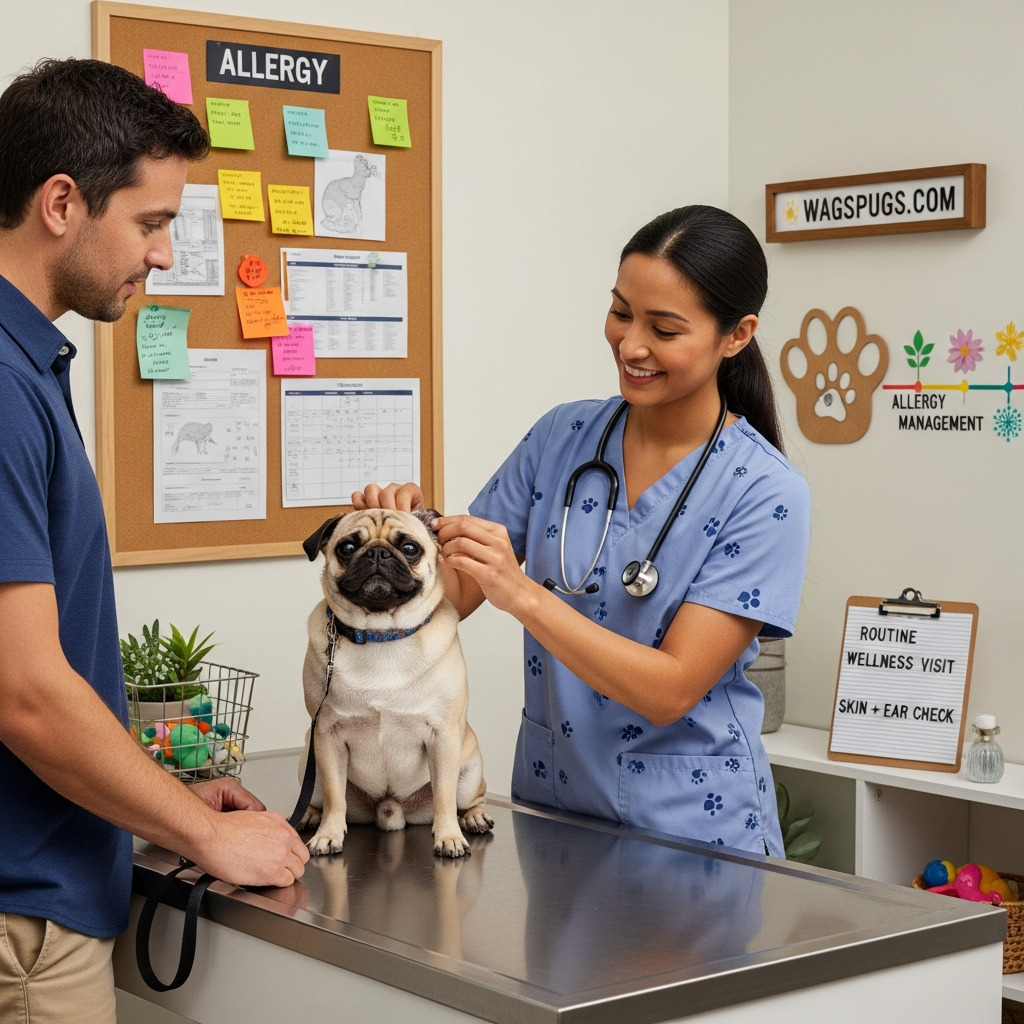
Regular veterinary checkups are an important part of long-term allergy management for pugs. Seasonal allergies can change in severity over time, and symptoms that appear mild one year may become more pronounced the next. Routine veterinary visits allow for early detection of issues and timely adjustments to your pug’s care plan.
A veterinarian can examine your pug’s skin, ears, and general health during allergy seasons, keep an eye on trouble spots, and spot early indicators of inflammation or infection. These visits also provide an opportunity to discuss any changes you have noticed in symptoms, behavior, or response to home care routines.
Veterinary examinations aid in maintaining the suitability and efficacy of any treatments being administered. Your veterinarian may recommend adjustments to grooming routines, environmental management, or preventive care based on your pug’s current condition.
Caution: Do not delay veterinary visits if your pug’s symptoms suddenly worsen or fail to improve with home care. Early professional intervention can prevent minor allergy issues from developing into more serious health problems.
Managing seasonal allergies in pugs requires patience and consistency. Unlike short-term conditions, allergies often develop gradually and may take time to improve even with proper care. Inconsistent routines or frequent changes in products and practices can make symptoms harder to control.
Establishing a stable daily and weekly care routine helps your pug’s skin and immune system adapt more effectively. Allergens can be gradually reduced rather than intermittently by maintaining consistency in paw cleaning, grooming, bathing schedules, and environmental control. This strategy may eventually result in fewer flare-ups and increased comfort.
It is also important to avoid constantly switching shampoos, foods, or supplements without guidance. Sudden changes can irritate sensitive skin or trigger new reactions, making it difficult to identify what truly helps or worsens symptoms.
Caution: If you do not see improvement after following a consistent care routine, or if symptoms gradually worsen, consult your veterinarian. Professional guidance ensures that allergy management remains safe and appropriate for your pug’s specific needs.
Fleas and other parasites can significantly worsen seasonal allergy symptoms in pugs, even if only a few bites are present. For allergy-prone dogs, flea saliva alone may trigger intense itching, skin inflammation, and secondary infections. This can make it challenging to differentiate between environmental allergies and flea-related irritation during the warmer months.
Using veterinarian-recommended flea and parasite prevention consistently throughout the year helps reduce unnecessary skin irritation. Preventive care is especially important during allergy seasons, as parasites can amplify existing symptoms and prolong recovery.
As recommended by your veterinarian, follow a regular prevention schedule and make sure your pug’s living space is kept tidy. Regular bedding washing and vacuuming protect sensitive skin and help keep parasites under control.
Caution: Never use over-the-counter or home remedies for flea control without veterinary approval. Some products may be unsafe for pugs or may interact with other treatments. If your pug continues to scratch despite parasite prevention, consult your veterinarian to identify the underlying cause.
Stress can have a direct impact on a pug’s immune system and may worsen the severity of seasonal allergy symptoms. Changes in routine, loud environments, lack of rest, or prolonged anxiety can weaken the body’s natural defenses, making your pug more sensitive to allergens.
Maintaining a calm, predictable daily routine helps reduce stress-related flare-ups. Consistent feeding times, regular sleep schedules, and familiar walking routes can provide a sense of security for your pug. Adequate rest is especially important during allergy seasons, as the body needs time to recover from ongoing irritation and inflammation.
Providing a comfortable, quiet resting space away from household noise or activity can also support emotional well-being. Mental stimulation through gentle play or training exercises may help reduce stress without overstimulating your pug.
Caution: Avoid introducing major routine changes during peak allergy seasons unless necessary. If, in addition to allergy symptoms, your pug displays signs of ongoing stress, such as restlessness, excessive licking, or behavioral changes, consult a veterinarian or other qualified specialist.
Pugs with seasonal allergies often have sensitive or inflamed skin, which can become more vulnerable to irritation from excessive sun exposure. Prolonged time in direct sunlight may worsen redness, dryness, and itching, particularly on areas with thinner fur such as the belly, ears, and face.
During warmer months, limit outdoor activities to cooler parts of the day and provide shaded areas when your pug is outside. Ensuring access to fresh water and a cool resting place helps prevent overheating, which can intensify allergic reactions.
For pugs with very sensitive skin, a veterinarian may recommend protective measures such as dog-safe sun protection products for exposed areas. Any such products should be specifically formulated for dogs and used only under professional guidance.
Caution: Never use human sunscreen or sun protection products on dogs, as some ingredients can be toxic if ingested. If your pug shows signs of sunburn, increased redness, or discomfort after sun exposure, consult a veterinarian for appropriate care.
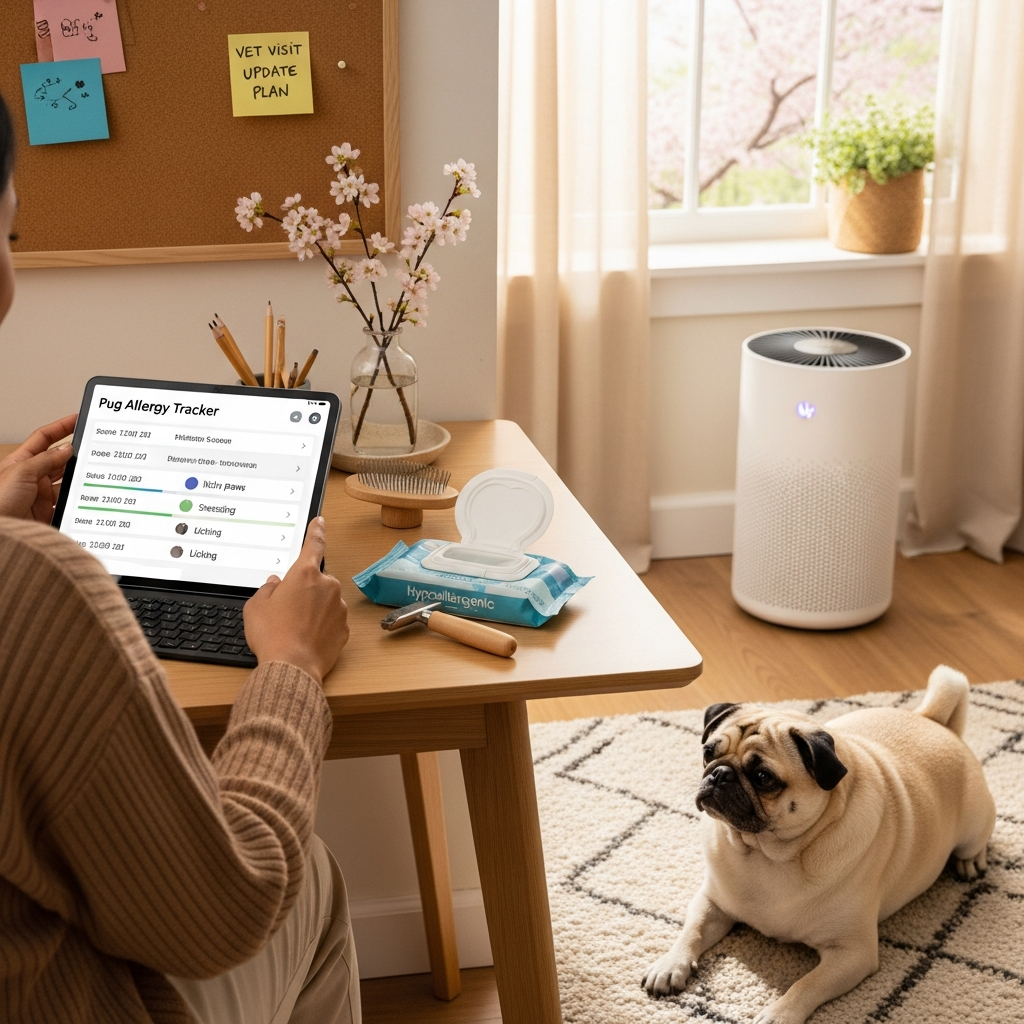
Seasonal allergies in pugs are not always the same year after year. Environmental conditions, pollen levels, climate changes, and your pug’s age can all influence how allergy symptoms appear and progress. What worked well during one season may need adjustment in the next.
At the start of each allergy season, take time to review your pug’s previous symptoms, triggers, and response to care routines. Adjust grooming schedules, outdoor activity times, and environmental management strategies based on past experiences. This proactive approach allows you to prepare in advance rather than reacting after symptoms become severe.
Regularly reassessing allergy care also helps identify new sensitivities or changes in severity. Sharing this information with your veterinarian supports better long-term planning and more personalized care.
It can be challenging to identify what is improving or exacerbating symptoms if several changes are made at once. If major changes are required, make sure they are safe and suitable for your pug’s health by consulting your veterinarian.
Seasonal allergy symptoms in pugs can closely resemble other health issues such as food sensitivities, skin infections, hormonal imbalances, or parasite-related conditions. Because many of these problems share similar signs like itching, redness, and hair loss, self-diagnosing the cause can lead to ineffective or even harmful treatment choices.
Relying on online advice, trial-and-error treatments, or unverified remedies may delay proper care and allow the condition to worsen. Some treatments that appear to reduce symptoms temporarily may mask underlying issues rather than address the root cause.
A veterinarian is trained to evaluate symptoms in context and determine whether seasonal allergies are truly the primary concern or if another condition is contributing. Accurate diagnosis leads to safer, more effective long-term management.
Caution: Never use prescription medications, leftover treatments, or advice meant for other dogs without veterinary approval. Incorrect treatment can worsen symptoms or create new health risks. Professional guidance ensures your pug receives care that is both safe and appropriate.
This article’s content is meant solely for informational and general educational purposes. It is not meant to replace professional veterinary advice, diagnosis, or treatment. While every effort has been made to ensure accuracy and reliability, each pug is unique, and health conditions may vary based on age, genetics, environment, and overall health status.
No medical condition is diagnosed, treated, cured, or prevented by this article. Itching, redness, hair loss, and discomfort are examples of allergy symptoms that can be brought on by a number of underlying problems that need to be professionally assessed. Preventive advice and home care techniques should never be used in place of veterinary care; rather, they should always be used as supportive measures.
Before making any changes to your pug’s health care routine, diet, grooming practices, supplements, or treatment plan, it is strongly recommended that you consult a licensed veterinarian. A qualified veterinary professional can provide personalized guidance based on your pug’s specific needs and medical history.
If your pug experiences worsening symptoms, signs of pain, infection, behavioral changes, or prolonged discomfort, seek veterinary attention promptly. Early professional intervention helps ensure safe, effective, and appropriate care for your pet’s well-being.
Seasonal allergies in pugs occur when the immune system reacts excessively to environmental substances that become more prevalent during certain times of the year. These substances, known as allergens, may include pollen from trees and grasses, mold spores, dust, and other airborne particles. While these allergens are generally harmless to most dogs, pugs often have heightened sensitivity due to their delicate skin, facial folds, and genetic predisposition to skin conditions.
A pug’s immune system may react to these allergens by causing skin and ear inflammation. This reaction can lead to common allergy symptoms such as itching, redness, paw licking, and ear irritation. Unlike respiratory allergies seen in humans, seasonal allergies in dogs usually present as skin-related issues rather than sneezing or congestion.
Seasonal allergies tend to flare up during specific periods of the year, most commonly in spring, summer, or fall, depending on the local environment and climate. When allergen levels drop, symptoms may get better, but they frequently recur in the same season every year. Because seasonal allergies are typically ongoing, effective management focuses on reducing exposure, maintaining consistent care routines, and seeking veterinary guidance when symptoms persist or worsen.
Yes. Pugs are genetically prone to skin-related allergies.
Yes. Persistent itching and inflammation may lead to hair thinning.
Symptoms may decrease when allergens decrease, but they often return seasonally.
No. Parasites, infections, and dry skin can also cause itching.
Yes. Outdoor allergens can enter indoor environments.
Spring and fall are usually the most problematic seasons.
Yes. Proper bathing removes allergens, but overbathing should be avoided.
if symptoms persist, get worse, or negatively affect a person’s quality of life.
Indeed, it is quite common.
Yes, paw licking is a frequent sign.
Yes, seasonal allergies often recur.
Yes, stress may intensify symptoms.
Mild cases may improve, but vet care is often needed.