❝A dog has one aim in life… to bestow his heart.” ― J. R. Ackerley❞
❝A dog has one aim in life… to bestow his heart.” ― J. R. Ackerley❞
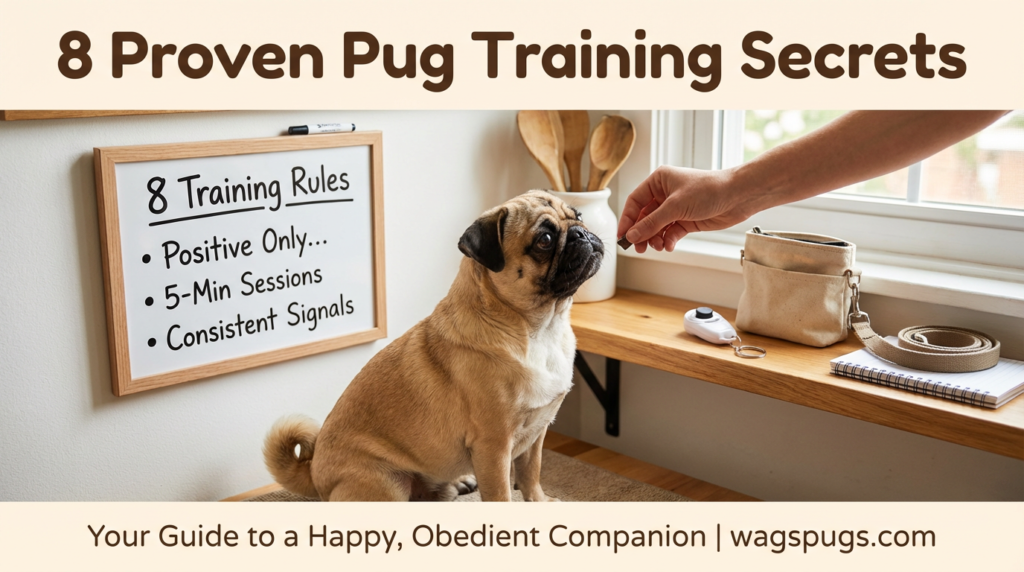
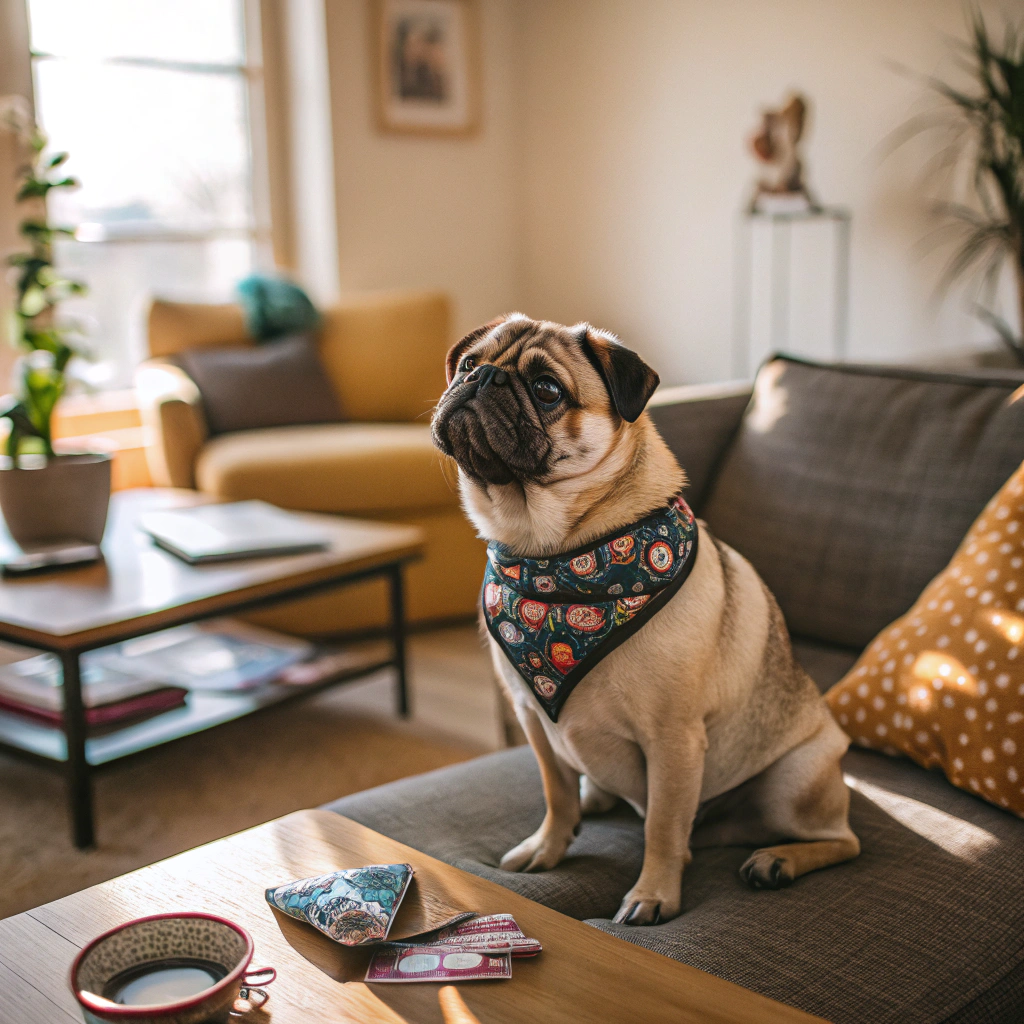
Training a pug can be a delightful mix of patience, humor, and consistency, and with these 8 proven pug training secrets, you will have the tools to shape your little companion into a well-behaved and joyful member of the family. From mastering basic commands with positive reinforcement to tackling stubborn streaks with gentle persistence, each tip is designed to work with a pug’s playful yet determined nature. You will learn how to make training sessions fun, short, and rewarding so your pug stays engaged, as well as how to address common challenges like barking, leash pulling, or housebreaking. By keeping these tips in mind, you will not only teach your pug how to behave, but you will also build trust, deepen your relationship, and make your home a happier place for you both. Love your pet they will give you more.
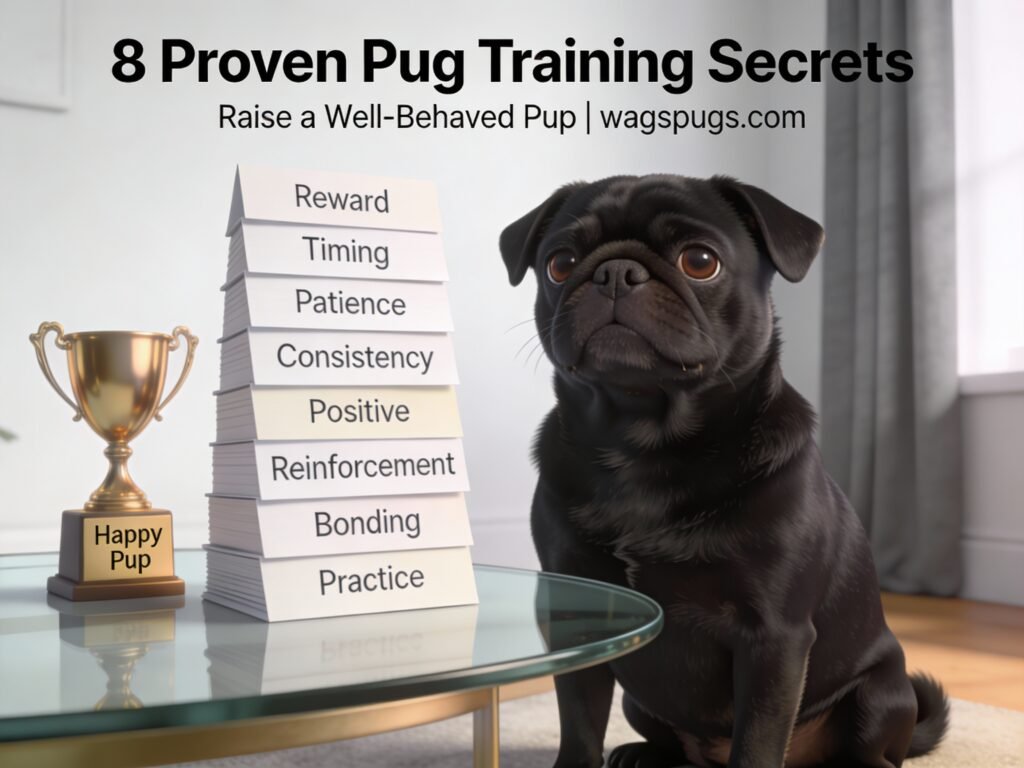
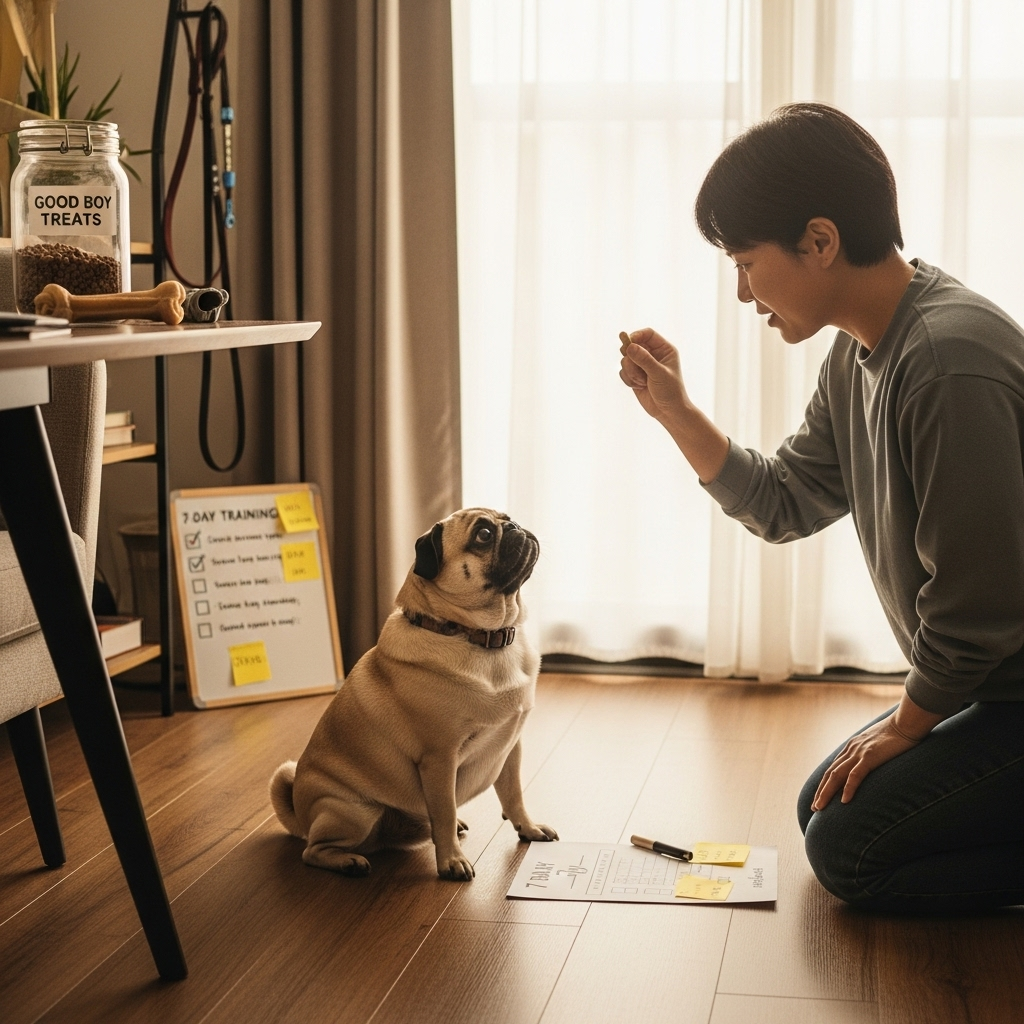
Waiting too long to start training is one of the most frequent mistakes made by pug owners. Many people put off training because they think their puppy is too small or too young. In actuality, training gets easier the earlier you begin.
Your pug learns routines, boundaries, and habits as soon as they walk into your house. Their behavior is influenced by even seemingly insignificant things like where they sleep, when they eat, and how they engage with others. Early instruction in fundamental commands helps avoid the development of obstinate habits.
Harsh correction does not equate to early training. It means gentle guidance. Structure is created by teaching your pug to sit before meals, follow you calmly, and react to their name. Your pug feels safe when there is structure because they know what to anticipate.
Starting early also builds trust. Your pug learns that listening to you results in rewards, consolation, and praise when training starts in a positive manner.
Pugs have short attention spans. Despite their intelligence, they quickly become disinterested in training if it seems monotonous or repetitive. Both the dog and the owner can become frustrated during lengthy sessions.
Five to ten minutes is the ideal duration for training sessions. Brief sessions help your dog stay focused and avoid mental exhaustion. Training for a few minutes several times a day is preferable to forcing a single, lengthy session.
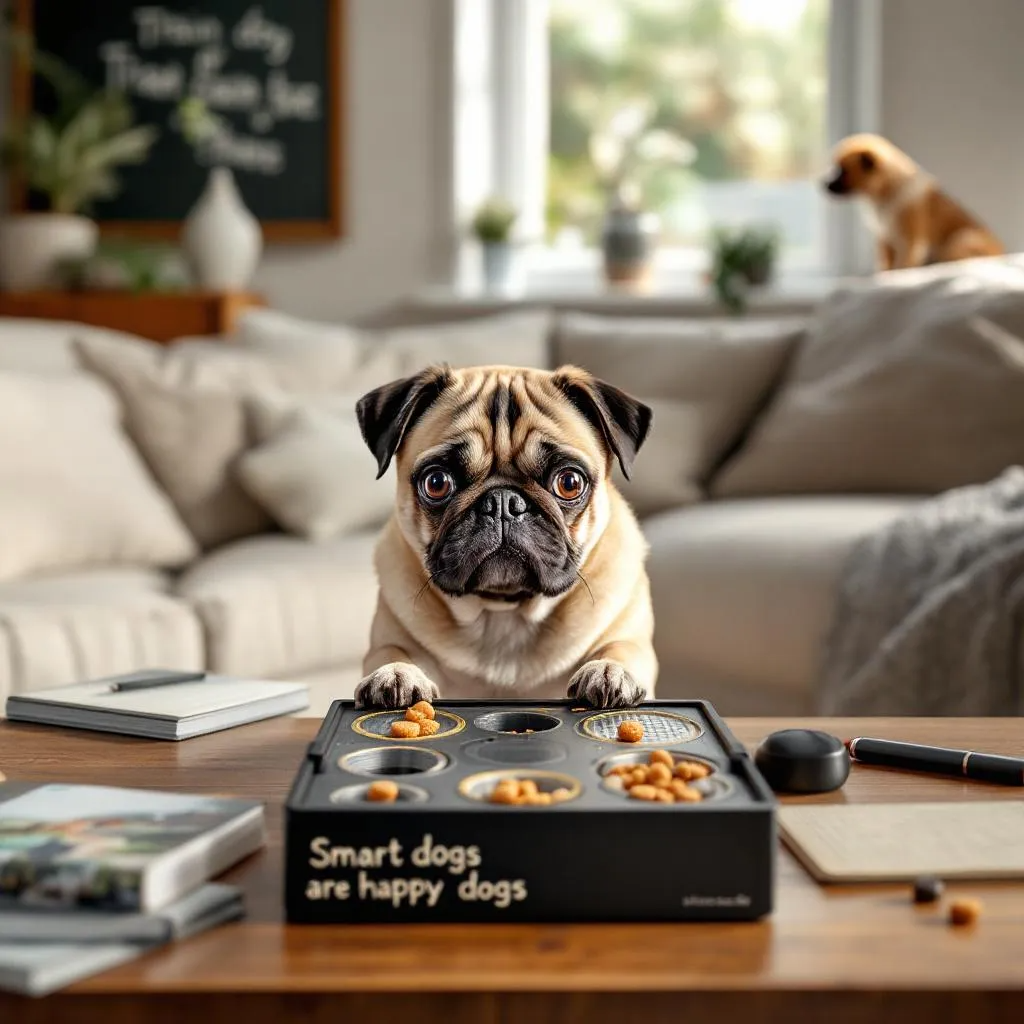
Instead of being a chore, training should feel like a game. Make use of a happy tone, easygoing body language, and upbeat vibes. Your pug will want to train when they enjoy it.
Sessions should always conclude successfully. Stop there and give your pug a reward even if they only follow one command correctly. Having a positive ending boosts motivation and self-assurance.
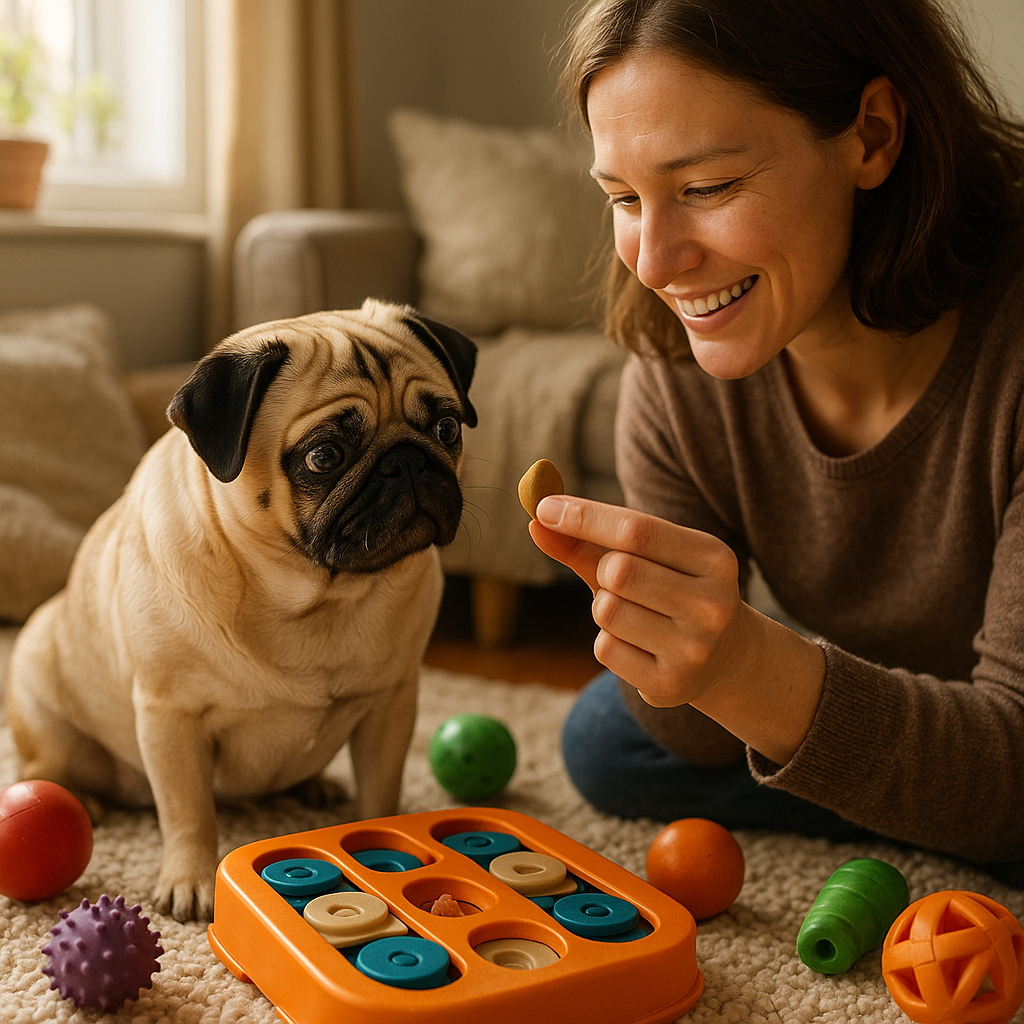
For pugs, food is one of the most powerful motivators. Their passion for sweets can make training much simpler, but if it’s not controlled, it can also lead to issues.
Use soft, small treats that are easy to chew and digest. Break treats into tiny pieces. Your pug is more interested in the reward than the size. For pugs, overfeeding during training can quickly result in weight gain, which is a major concern.
Low-calorie dog treats, carrot slices, or tiny pieces of boiled chicken are healthy substitutes. Make sure to include training treats in your pug’s daily diet.
Reduce the frequency of treats gradually as your pug picks up commands. Play, petting, or verbal praise can take the place of food rewards. This teaches your dog to obey even when there aren’t any treats right away.
One of the most effective methods for training dogs is consistency. When commands or rules change, pugs get confused. Your pug might not understand what you’re saying if you say “down” one day and “lie down” the next.
For every command, pick one word and use it consistently. Ensure that everyone in your home speaks the same language and abides by the same rules. Conflicting messages impede development and lead to annoyance.
Consistency also applies to boundaries. If you don’t want your pug on the couch, you should always follow that rule. If you don’t make exceptions, your pug won’t learn to push boundaries.Your pug will only learn to push boundaries if you allow exceptions.
Your pug feels secure when the rules are consistent. Predictability enhances behavior and lowers anxiety.
Pugs are sensitive dogs. Punishment, yelling, or harsh correction undermines trust and frequently results in fear-based behavior. Your dog is not taught what to do by punishment. All it teaches them is what not to do.
Rather than penalizing errors, positive reinforcement rewards good behavior. Reward your dog right away when they make the right decision. This enables them to link actions to results.
If your dog misbehaves, gently reroute them. Offer a chew toy in its place, for instance, if they chew furniture. Give them praise when they select the right item.
A pug that receives training based on encouragement and trust is happier and more self-assured. Over time, a self-assured pug will be easier to train and behave better.
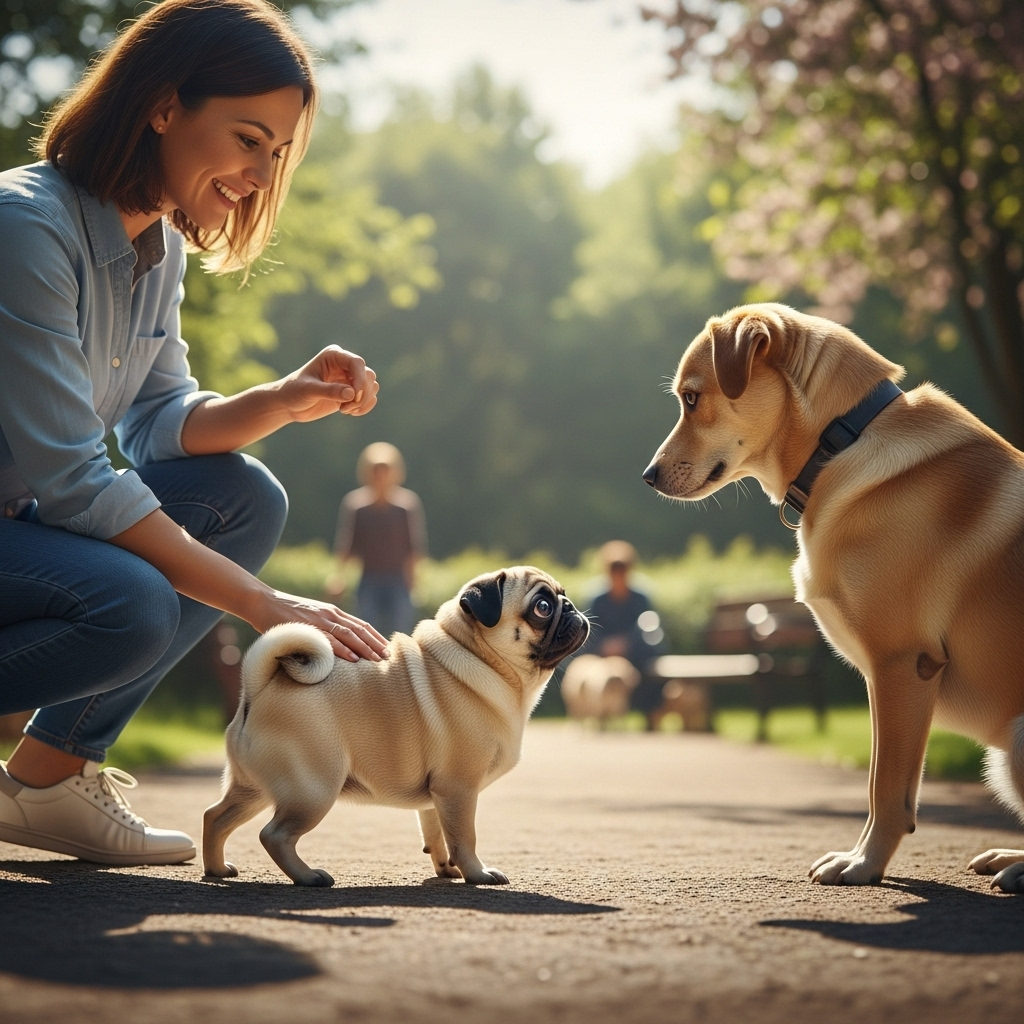
Behavior is greatly influenced by socialization. A pug that has been well-socialized is composed, flexible, and less prone to experience fear-related problems.
Throughout puppyhood, expose your dog to a variety of people, places, sounds, and circumstances. Confidence-boosting activities include taking walks in peaceful settings, interacting with amiable dogs, and exploring new locations.
Socialization should always be positive. Avoid overwhelming situations. Reward calm behavior and let your pug explore at their own speed.
A pug is less likely to act aggressively, bark excessively, or get nervous in unfamiliar situations if it feels safe around people and other animals.
Pugs have short noses and constricted airways because they are brachycephalic dogs. This has an impact on how much exercise they can tolerate while training.
Steer clear of intense exercise sessions that result in heavy panting or training in hot weather. Overheating and breathing problems can result from overexertion.
The best methods are gentle exercises, quiet walks, and indoor training. Keep an eye out for symptoms of exhaustion, such as frequent lying down, slowing down, or excessive panting.
A comfortable pug learns better. Your pug should never be trained to the limit of their physical capabilities.
Training a pug requires patience. Particularly during periods of stubbornness, progress may seem sluggish. It’s critical to keep in mind that learning takes time.
Celebrate small wins. Acknowledging accomplishments such as responding to their name, walking calmly for a few steps, or sitting on command without reminders are all worthwhile.
Your attitude influences your pug. Your pug feels safe and inspired when you stay composed and upbeat. Frustration and impatience often slow progress.
Training is not about perfection. It involves mutual understanding, communication, and trust.
A well-behaved pug does not always follow instructions. It is a pug that feels emotionally secure, comprehends boundaries, and has faith in their owner. Training fosters a calm home environment and deepens your relationship with your pug.
Your pug can develop into a self-assured, courteous, and joyful friend with perseverance, consistency, and positive reinforcement. You will be rewarded with years of friendship, joy, and unwavering love for the work you put into your training today.
As early as eight weeks of age, you can begin basic training. Early training helps your pug form positive habits and avoids behavioral issues down the road. At this point, straightforward instructions and routines are most effective.
Pugs are intelligent but stubborn. They are easy to train, but it takes time, perseverance, and encouragement. This breed typically does not respond well to harsh methods.
Training sessions ought to be brief, ideally lasting five to ten minutes. Short, enjoyable sessions help pugs learn more quickly and stress-free because they lose focus easily.
Small, soft, low-calorie treats work best. Treats should be broken up into small pieces or substituted with healthier options like boiled chicken because pugs gain weight easily.
Yes, once your dog learns to obey simple commands. Treats can eventually be swapped out for play, praise, or petting. In the early stages of training, treats are most beneficial.
Confusion or inconsistency are the usual causes of stubborn behavior. Stay patient, reward good behavior, and give the same instructions each time. Avoid yelling or punishment.
When done correctly, crate training is both safe and beneficial. The crate should never feel like a punishment, but rather like a cozy place to rest. Anxiety and house training both benefit from it.
Regularly take your dog outside, especially after meals and naps. After a successful potty trip, give them a reward right away. Consistency is key for success.
Yes, with enough time, pugs can learn how to behave well on a leash. To protect their breathing and encourage peaceful walking, use a harness rather than a collar.
Moderate exercise is necessary for pugs. The best activities are indoor play and quick walks. Because of their breathing restrictions, avoid strenuous exercise, especially in hot weather.
No, punishment frequently results in confusion and fear. In addition to fostering trust, positive reinforcement improves long-term behavior.
Socialization plays a critical role. Fear, aggression, and anxiety-related behaviors are prevented later in life by early exposure to people, dogs, and environments.
It’s true that older pets can pick up new habits. Positive reinforcement and consistency are effective at any age, even though training may take longer.
Distraction, exhaustion, or confusion can result from disobeying instructions. Ensure that training sessions are brief, serene, and regular.
Identify the cause of barking first. Reward quiet behavior, refrain from rewarding barking with attention, and use play and training to stimulate the mind.
Yes, appropriate training enhances communication, confidence, and behavior. Additionally, it makes your relationship with your pug stronger.
Yes, everyone should follow the same guidelines and directives. Your dog will learn more quickly and behave better if there is consistency throughout the home.
Yes, training helps pugs feel less stressed and anxious by giving them structure and mental stimulation.
Professional training is optional. With perseverance and patience, many pug owners are able to successfully train their dogs at home. Severe behavioral problems may benefit from professional assistance.
While comprehensive behavior training can take several months, basic training might only take a few weeks. Consistency and your pug’s personality are key factors in progress.
The biggest mistake is inconsistency. Progress is slowed and confusion is created when rules are changed, training days are skipped, or punishment is applied.