
7 Essential Pug Seasonal Tips to Master Keeping Your Squishy-Faced Buddy Thriving All Year Long!
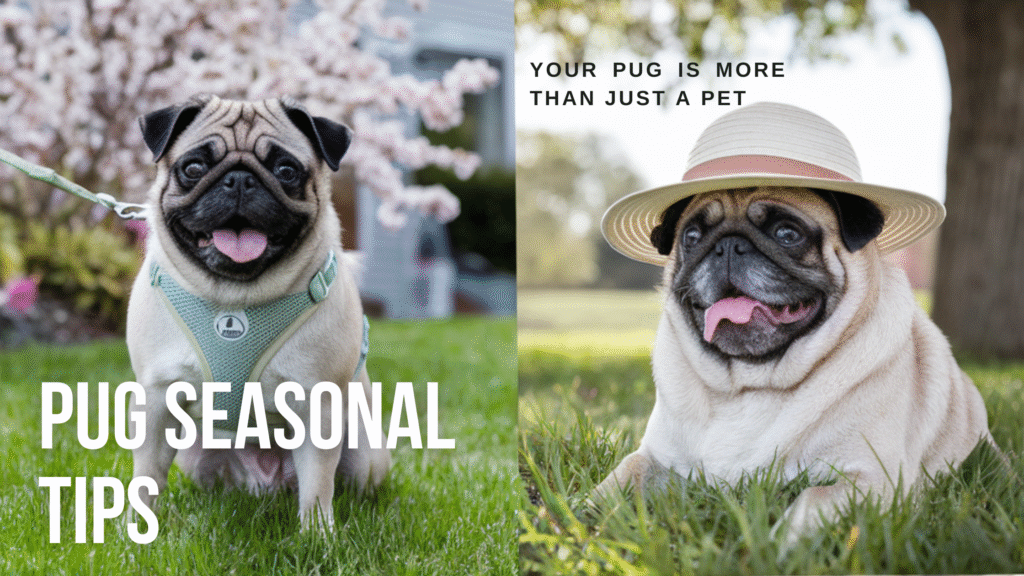
Pug seasonal tips: Your pug is more than just a pet if you’re anything like me. They’re family. And just like any family member, they need your care and attention all year round, but especially as the seasons change. Those adorable smooshy faces come with some unique challenges when the weather swings from freezing cold to blazing hot, and if you don’t adapt your care, your pug might struggle in silence.
Now, here’s the thing: your pug’s requirements change from January to July. Understanding those subtle shifts and responding with love and smarts is how you keep your pug comfortable, happy, and healthy no matter what the calendar says. This guide is your go-to playbook for navigating every season with confidence, compassion, and a little bit of style.
Spring: The Season of New Beginnings and Sneezes
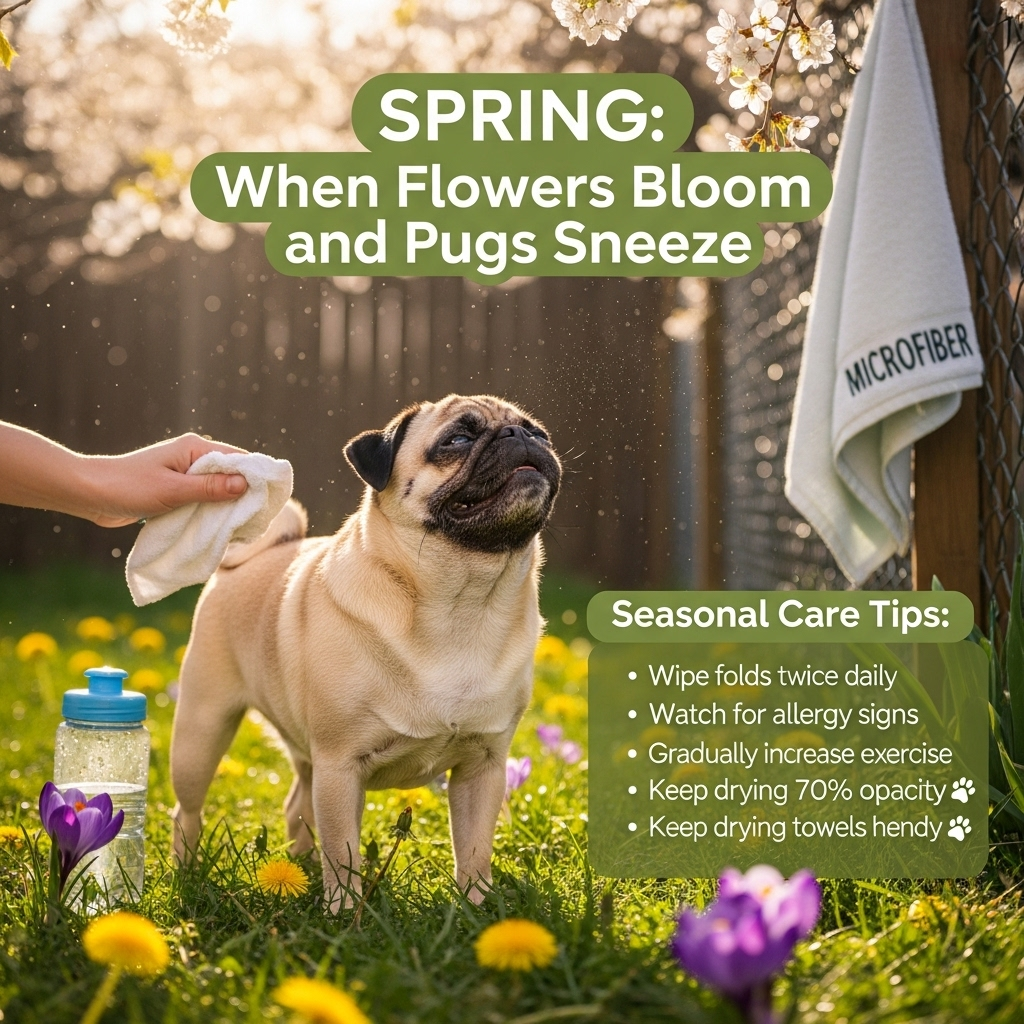
Pug Seasonal Tips Spring: Spring is beautiful, right? Flowers bloom, the air smells fresh, and your pug probably wants to roll in all the grass and mud they can find. However, pollen and allergens can also cause sneezes and sniffles during this season.
For many pugs, spring is the busiest time of year for signs of pug seasonal allergies, so pay special attention to any indications of excessive sneezing, watery eyes, or itching. Regular grooming and wiping down your pug’s face after outdoor adventures can help minimize pollen buildup. Remember that spring showers result in wet skin and fur, and if wet folds are not properly dried, they can cause infections.
The weather is also ideal for increasing exercise, but start out slowly. After a long winter, your pug’s body might need a gentle reintroduction to playtime and walks.
Summer: When the Heat Is No Joke for Pugs
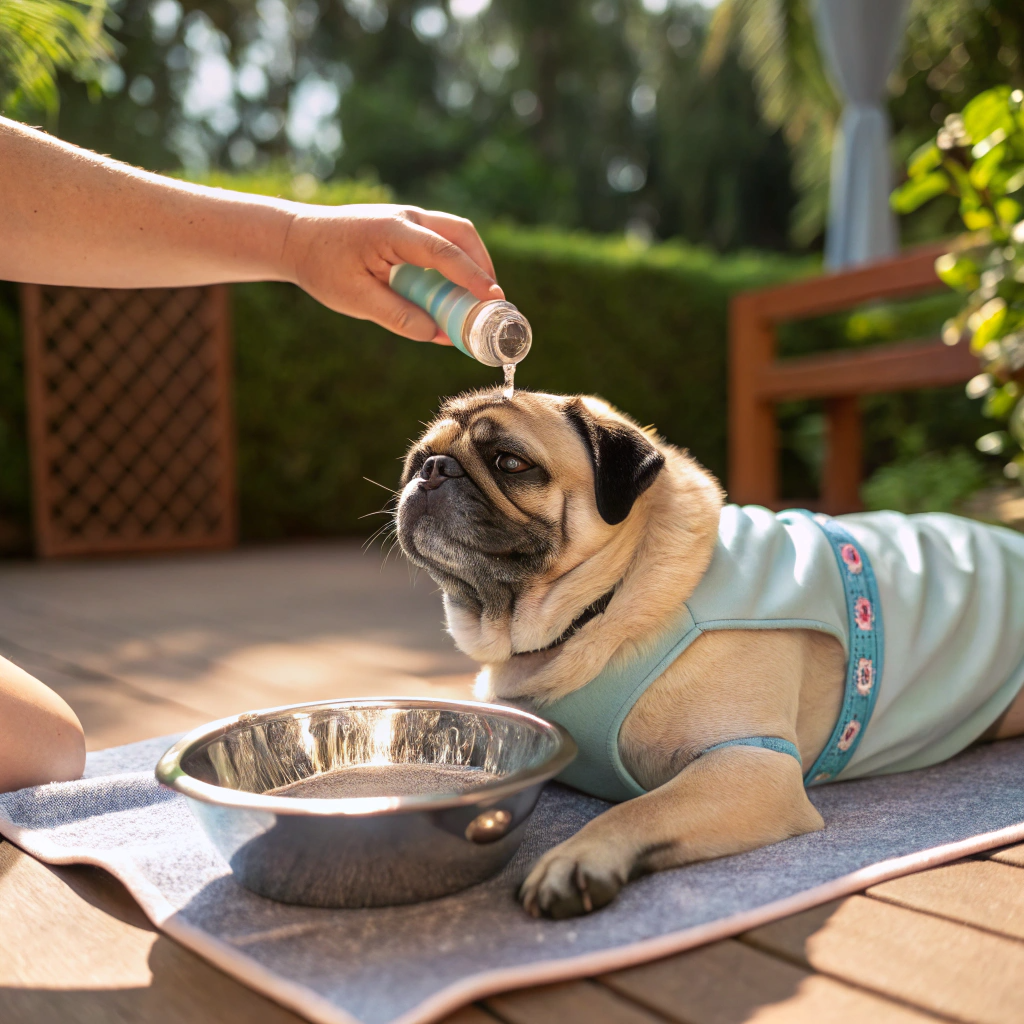
It can be difficult to strike a balance between summer and pugs. Your pug’s experience of this season is quite different from your own, even though the sunshine encourages walks, road trips, and outdoor adventures. Heat quickly builds up inside their tiny bodies because those adorable flat noses are inefficient at moving air. In a short period of time, what seems like a warm day to you can quickly become dangerous and overwhelming for them. As a pug parent, Summer asks that you be especially watchful, protective, and present.
Timing is crucial when traveling or going outside. Walking in the early morning and late evening is much safer because the air is easier to breathe and the ground is colder. Even on brief excursions, midday heat can be frightening and exhausting for a pug. Keep an eye on their energy, posture, and breathing at all times. They can signal for assistance by panting heavily, slowing down, or stopping completely.
Car travel deserves special caution. Vehicle interior temperatures can rise quickly and become lethal in a matter of minutes. Never, not even for a short while, leave your dog by itself in a car. Plan frequent stops, keep the car cool while driving, and make sure your dog has enough room to lie comfortably without getting too hot.
One of the most loving things you can do in the summer is to stay hydrated. Always have fresh water on hand, and promote frequent, tiny drinks. When the temperature rises, cooling mats, damp towels, and cooling vests can help your pug release extra heat and feel safe once more. Pugs don’t need these tools. They are protection.
You might not anticipate the risks associated with summer sun. Pugs require sunscreen, particularly on their ears, noses, and other areas with light fur that have thin, sensitive skin. Apply sunscreen gently and only use dog-safe products; make it a habit rather than a chore. Additionally, the sun and heat can dry out their skin, causing irritation and cracking. Frequent moisturizing with veterinarian-recommended products promotes comfort and shields delicate skin from long-term harm.
It’s important to plan ahead and slow down when traveling with your dog in the summer. It’s about prioritizing comfort over hectic schedules and safety over convenience. You are not restricting your adventures by taking these extra steps. You are ensuring that your dog can enjoy them as well, securely, cozily, and at your side.
Fall: Cozy Vibes and Shedding Time
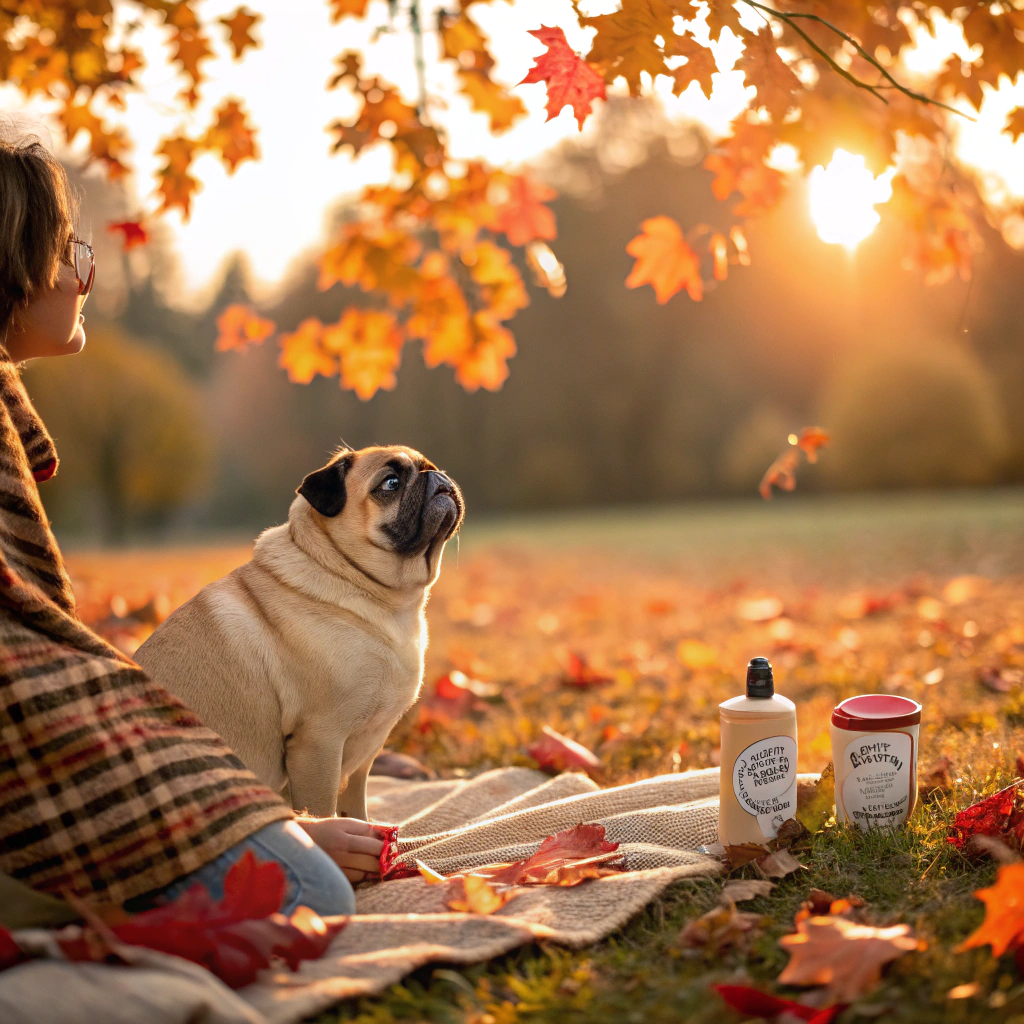
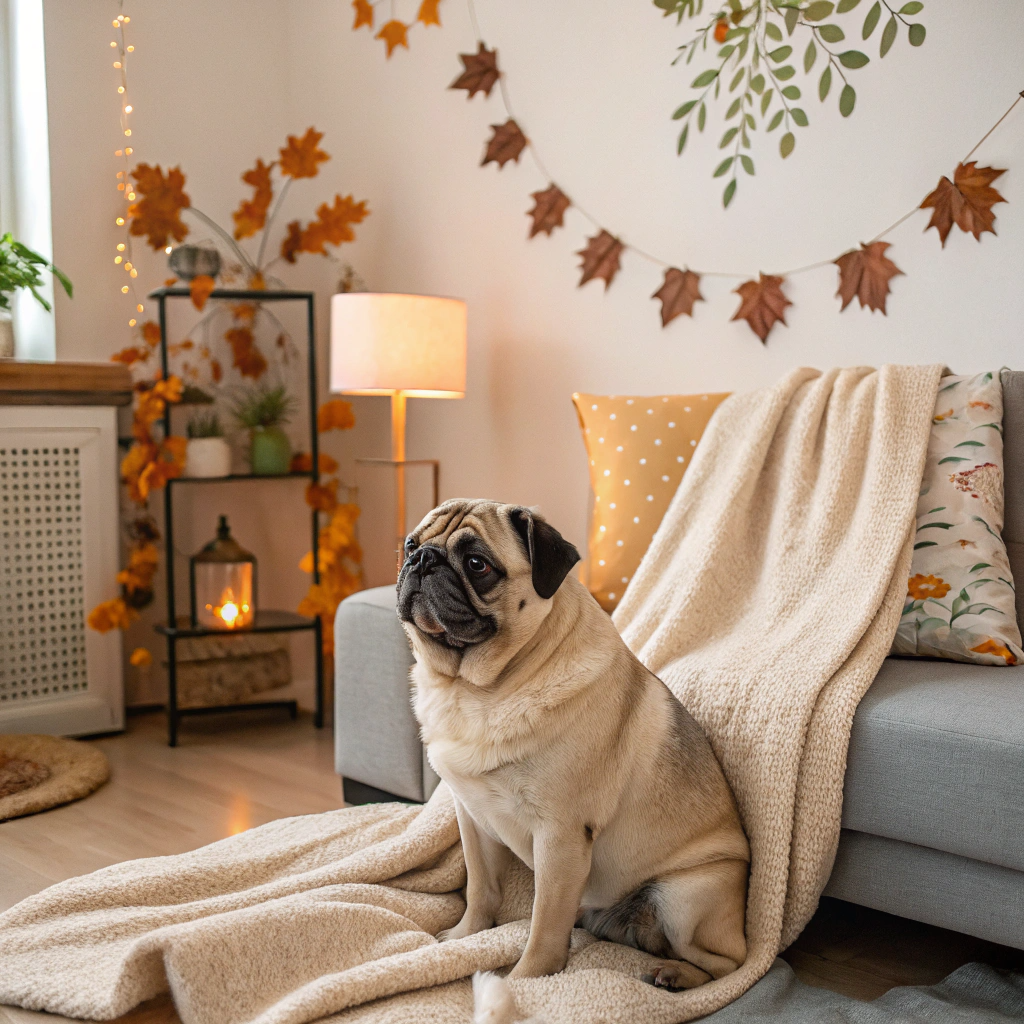
For your pug, fall is like taking a deep breath. They can breathe more easily, the air is cooler, and all of a sudden the world is filled with thrilling sounds and smells once more. Every stroll becomes a leisurely, joyful journey as crunchy leaves become priceless gems and every breeze holds a fresh tale just waiting to be inhaled. Your pug is usually happiest and most inquisitive during this time of year.
With that renewed energy comes change. Your pug’s coat is shedding items that it no longer needs as fall approaches. There will likely be more fur on your couch, clothes, and any other places your pug likes to take naps. Fall brushing is more than just housekeeping. It is comforting for them. As their body adapts to the season, each soft stroke keeps their coat healthy, allows their skin to breathe, and gives them comfort.
Your pug’s skin may begin to feel the change as the air gets drier. You should slow down and pay attention if you notice some extra flakiness or scratching. You should slow down and pay attention if you notice some extra flakiness or scratching. calm and comfortable. Your pet will know that you are paying attention if you do these small acts of kindness.
Longer walks, energetic outbursts, and times when your pug seems lighter and more alive are all made possible by the cooler fall temperatures. This is the time of year to enjoy movement together without having to worry about getting too hot all the time. Let them set the pace. Let them stop and sniff. These moments are not wasted time. They are the source of happiness for your pug.
Spend some time checking their ears after each adventure. Moisture, dirt, and leaves can enter covertly and later cause discomfort. Cleaning gently now keeps your dog feeling good long after the walk is over and avoids pain later.
Fall is a time for coziness and camaraderie. It’s about sharing small pleasures, slowing down, and observing small changes. You are providing more than just seasonal care when you walk beside them through falling leaves, brush their coat, or clean their ears. With your pug by your side, you are providing them with safety, affection, and the freedom to fully enjoy this lovely season.
winter: Time to Snuggle and Stay Safe
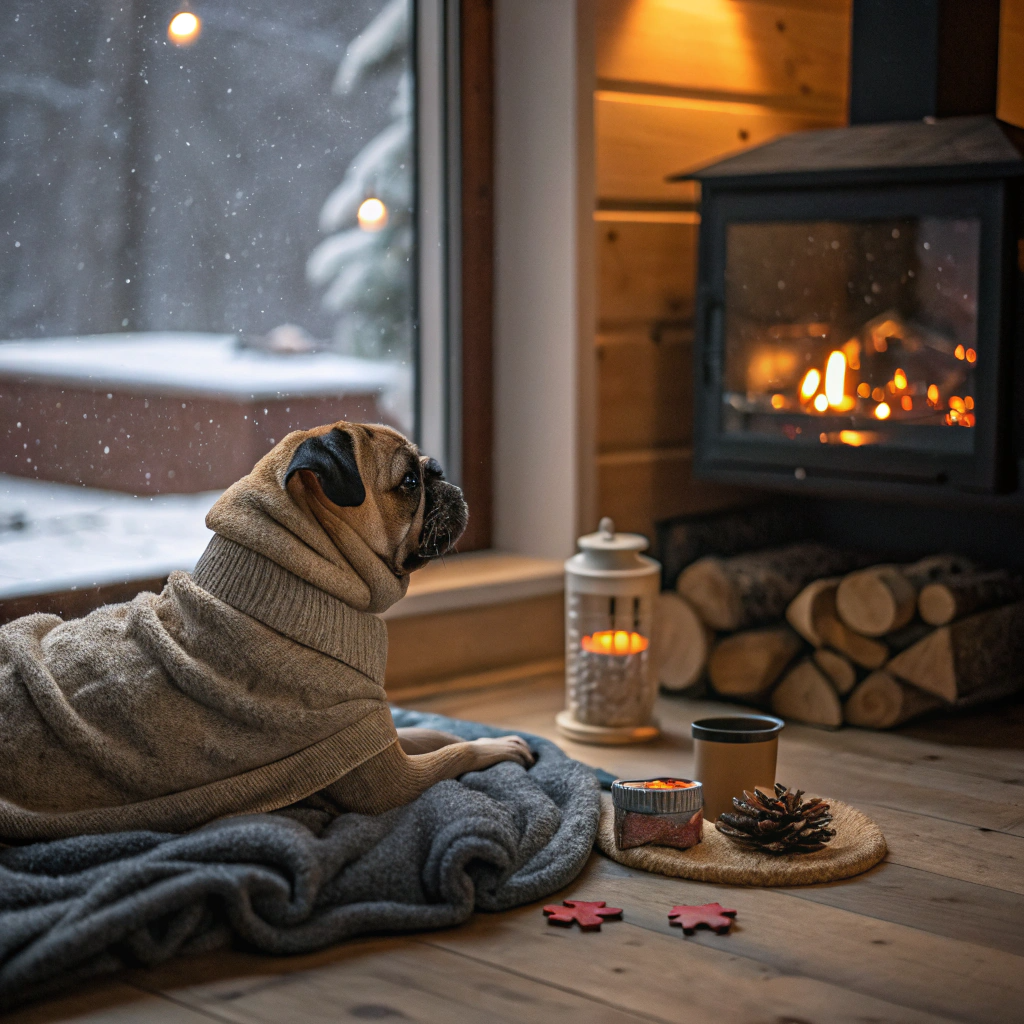
Although winter may appear serene from the outside, your pug faces a subtle set of difficulties that should never be disregarded. Because their short coat provides very little natural insulation, they can easily become uncomfortable or even painful in the face of cold winds, chilly sidewalks, and icy floors. Additionally, your pug may feel lethargic, anxious, or uneasy due to the difficulty of breathing in cold, dry air.
During the winter, it’s crucial to keep your pug warm. When going for walks, their bodies are shielded from harsh winds and abrupt temperature drops by cozy sweaters or well-fitting jackets. When temperatures drop, outdoor time should be more deliberate and shorter, emphasizing comfort over stamina. Always take a moment to gently dry their paws once they’re back inside. If licked, ice, salt, and chemical deicers can stick to paw pads and irritate or even poison them.
Additionally, winter air can dry out your pug’s skin, causing discomfort, flaking, and itching. Keeping indoor temperatures warm and humidity levels moderate promotes skin health. Your pug can rest and recuperate safely in soft bedding away from chilly drafts after being outside.
Enrichment does not decrease in cold weather. In actuality, winter is the ideal time of year to engage in mentally and physically stimulating indoor activities. Short training sessions, scent games, puzzle toys, and gentle indoor play can keep your pug’s mind active without subjecting them to harsh environments. These interactions deepen your relationship and reassure your pet that they are well-loved, safe, and amused.
Patience, awareness, and compassion are key components of winter care. You are doing more than just shielding your pug’s skin and body when you modify your routines to suit their needs in the winter. Through each peaceful winter day, you are protecting their comfort, self-assurance, and joy.
Year-Round Tips to Keep Your Pug Happy Through Every Season
When it comes to pug care, a few golden rules never change, regardless of the season:
Watch Their Weight: Holidays and seasonal treats may tempt you to overindulge. Keep those pounds in check to protect your pug’s joints and breathing.
Whether it’s hot or cold outside, staying hydrated is essential because water is life. Keep fresh water available and encourage drinking regularly.
Frequent Veterinary Visits: Seasonal examinations aid in the early detection of any new health problems, such as allergies or arthritis.
Mental Stimulation: Pugs are intelligent and gregarious. Keep their brains busy with training and play year-round to prevent boredom and anxiety.
Wrapping It Up: Your Pug’s Comfort Is a Year-Round Commitment
You can make every typical day into something special for your pug by paying close attention and making a conscious effort. Despite the magic and challenges that come with every season, your role stays the same. are there to guide, protect, and improve their world. Even though a pug’s life is shorter than ours, it is filled with unconditional love, loyalty, and devotion. Because of this, every moment you spend together is extremely precious.
As vital as physical care is mental stimulation. Boredom can develop when routines become monotonous, which can result in restlessness or frustration. You can maintain your pug’s interest, curiosity, and emotional fulfillment by varying activities throughout the year. Your pug’s daily experience can be significantly improved by making small adjustments like rotating toys, adding puzzle feeders, teaching new tricks, or providing games with mild scents.
It’s crucial to pay attention to your pug’s cues. On certain days, they might yearn for play and social interaction, while on other days, all they want is comfort and intimacy. Don’t be scared to change things up as the weather does. In mild seasons, outdoor exploration can be just as fulfilling as indoor enrichment in periods of extreme heat or cold.
It takes more than just getting by each day to keep your pug happy and healthy throughout the year. It’s about enjoying the little things in life, like quiet cuddles, playful snorts, and routines that foster happiness and trust. Every game, every nap, and every laugh counts. One tender moment at a time, you are providing your pug with the best life possible when you make an investment in their mental health.
Travel and Outdoor Adventures: Keeping Your Pug Safe and Happy Year-Round
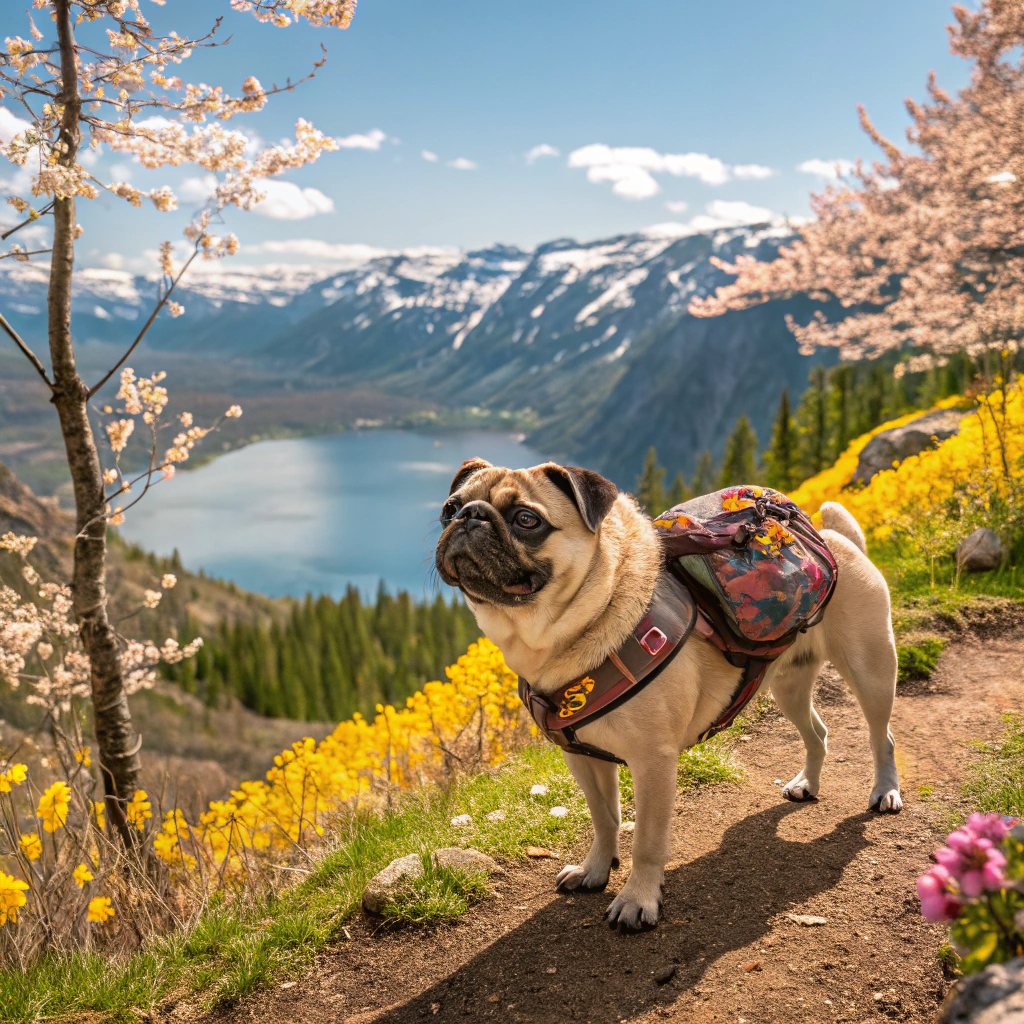
Whether it’s a road trip, a picnic, or a leisurely stroll through a brand-new park, everyone enjoys taking their dog along on small adventures. Although those times produce priceless memories, they also entail responsibility. Your pug’s comfort, security, and well-being should always come first, regardless of the season. It takes more preparation, patience, and careful attention to detail when traveling and spending time outside with a pug.
When pugs are not in their typical surroundings, especially in the warmer months, they can quickly become overheated. To help control their body temperature, always carry cooling towels, portable shade options, and an ample supply of fresh water. If precautions are not taken, even mild heat can become dangerous for a pug. It can make all the difference to pay close attention to their energy levels and breathing.
There are difficulties associated with cold weather. To keep your pug warm and comfortable on trips in the fall and winter, bring warm blankets and their favorite sweater. Because pugs are sensitive to temperature changes, staying warm during outdoor exploration helps avoid stiffness, stress, and discomfort.
Plan your route carefully regardless of the weather. Regular rest periods give your pet the opportunity to hydrate, stretch their legs, and use the restroom without feeling hurried or overburdened. A leisurely pace ensures that excursions are pleasurable rather than taxing.
Additionally, outdoor activities expose your pug to unfamiliar surroundings, insects, and possible health hazards. Make sure your vaccinations and flea and tick prevention are up to date before you leave. By taking these simple precautions, you can shield your pet from unavoidable illnesses and discomfort.
Outdoor excursions can be enjoyable rather than stressful with a little planning and awareness. Simple excursions can be transformed into joyful, safe memories that you and your dog will cherish with careful preparation.
Pug seasonal Grooming Hacks: Keep That Pug Coat Glowing No Matter the Weather
Although your pug’s coat may appear short, smooth, and manageable at first, most people are unaware of how much care and attention it actually requires. Sensitive skin that responds swiftly to seasonal changes lies beneath that soft layer of fur. Unnoticed changes can result in dryness, irritation, excessive shedding, and even excruciating skin infections. Maintaining your pug’s coat is more than just keeping it looking nice. It has to do with trust, comfort, and health.
Your pug’s body naturally adapts to changing temperatures in the spring and fall, which frequently results in heavier shedding. Now is the ideal time to concentrate on brushing on a regular basis. Brushing promotes healthy circulation, helps remove loose fur, and distributes natural oils that protect their skin and keep their coat shiny. Additionally, it allows you to identify early indicators of allergies or irritation before they worsen. Bathing should always be gentle and spaced out during these periods. Your pug may become itchy and uncomfortable as a result of excessive washing, which can deplete the skin of its natural moisture.
Extra caution is necessary when summer arrives. Although many pug parents believe that shaving is the answer, their coat actually offers crucial heat and sun protection. If necessary, think about giving them a light trim instead of shaving, and concentrate on keeping their skin cool, clean, and hydrated. As a natural barrier, a healthy coat helps control body temperature and shields sensitive skin from sunburn.
Winter brings a different challenge. Indoor heating and cold air can quickly dry out your pug’s skin, causing flaking and persistent scratching. This is the time of year to reintroduce moisture into their regimen. Moisturizing sprays, mild oils, and conditioners approved by veterinarians can have a significant impact. During the winter, even minor changes can keep your pug cozy and at ease.
One thing is constant regardless of the season. Everyday care is required for those cute facial folds. Yeast, bacteria, and excruciating infections can be avoided by keeping them dry and clean. Fold care is necessary to preserve your pug’s health and the happiness concealed behind that famous squishy face.
Grooming is never just a chore. It is a time of love, trust, and bonding. Telling your pet that they are loved, safe, and well-cared for takes time. This care becomes even more important as your pug gets older. Learn more about senior pug care to make sure your loyal companion is comfortable and loved throughout their life.
Frequently Asked Questions About Pug Seasonal Care
How should a pug be cared for in hot weather?
Because of their short snouts, pugs are prone to overheating. Use fans or cooling mats, walk them only in the morning or evening, keep them indoors during the hottest parts of the day, and always give them fresh water.
Can pugs tolerate cold weather?
Pugs are sensitive to cold temperatures. In the winter, limit their exposure to the outdoors, wear a warm coat or sweater, and make sure they sleep in a comfortable, draft-free area inside.
How frequently should I groom my pug depending on the season?
Although they shed throughout the year, pugs shed more in the spring and fall. During periods of heavy shedding, brush multiple times a week; otherwise, brush at least once or twice a week.
Do pugs need seasonal diet changes?
Sure. Wintertime lowers activity levels, so calorie intake may need to be adjusted. All year long, portion control is crucial for preventing obesity.
Are pugs prone to seasonal allergies?
Seasonal allergies are common in pugs, particularly in the spring and fall. Sneezing, ear infections, itching, and paw licking are among the symptoms.
What is the recommended amount of exercise for a pug each season?
Pugs need moderate daily exercise. Longer walks are best in mild weather, while short walks and indoor play are best in extreme heat or cold.
What is the greatest seasonal risk to pets?
Overheating is the most serious risk. Even on mildly warm days, heatstroke can occur quickly and be fatal.
Can pugs swim in the summer without risk?
Because of the way their bodies are shaped, most pugs are not good swimmers. If swimming is inevitable, always keep an eye on the dog and wear a life jacket.
Should pugs wear sunscreen?
Indeed. Sunburns can occur in pugs with light coats or exposed skin, particularly on the ears and nose. Use dog-safe sunscreen only.
How can I maintain my pug’s hydration throughout the year?
Always have fresh water available, replenish dry food with water if necessary, and keep a careful eye on consumption during hot weather or periods of increased activity.
Do pugs require paw protection during the summer or the winter?
Paws can be harmed by hot pavement in the summer and ice or salt in the winter. For protection in severe weather, use paw balm or dog booties.
How does pug breathing change with the seasons?
Breathing problems can be made worse by heat, humidity, and cold air. Keep environments well-ventilated and temperature-controlled year-round.
Does playing indoors provide enough exercise when the weather is bad?
True. When outdoor activity is scarce, indoor games like fetch, puzzle toys, and quick training sessions help sustain mental and physical stimulation.
Should I modify my veterinarian visits according to the seasons?
Seasonal examinations are beneficial, particularly prior to summer and winter. Your veterinarian can evaluate your general health, allergies, weight, and breathing.
How can I deal with pug shedding when the seasons change?
Shedding can be managed with regular brushing, a healthy diet, and appropriate bathing, particularly during coat changes in the spring and fall.
Can a pug’s mood or behavior be impacted by weather changes?
Yes. Lethargy or irritability may be brought on by decreased activity, allergies, or discomfort from temperature changes. Maintain routines and provide enrichment.
What kind of environment is ideal for a pug all year round?
Pug health and happiness are best achieved in a climate-controlled home with comfortable bedding, clean air, moderate temperatures, and regular routines.
- Quisque aliquet nibh sit amet lectus
- Nulla at metus ultricies, placerat augue
- Curabitur mollis ex vestibulum
- Quisque aliquet nibh sit amet lectus
- Nulla at metus ultricies, placerat augue
- Quisque aliquet nibh sit amet lectus
- Quisque aliquet nibh sit amet lectus
- Curabitur mollis ex vestibulum