❝A dog has one aim in life… to bestow his heart.” ― J. R. Ackerley❞
❝A dog has one aim in life… to bestow his heart.” ― J. R. Ackerley❞
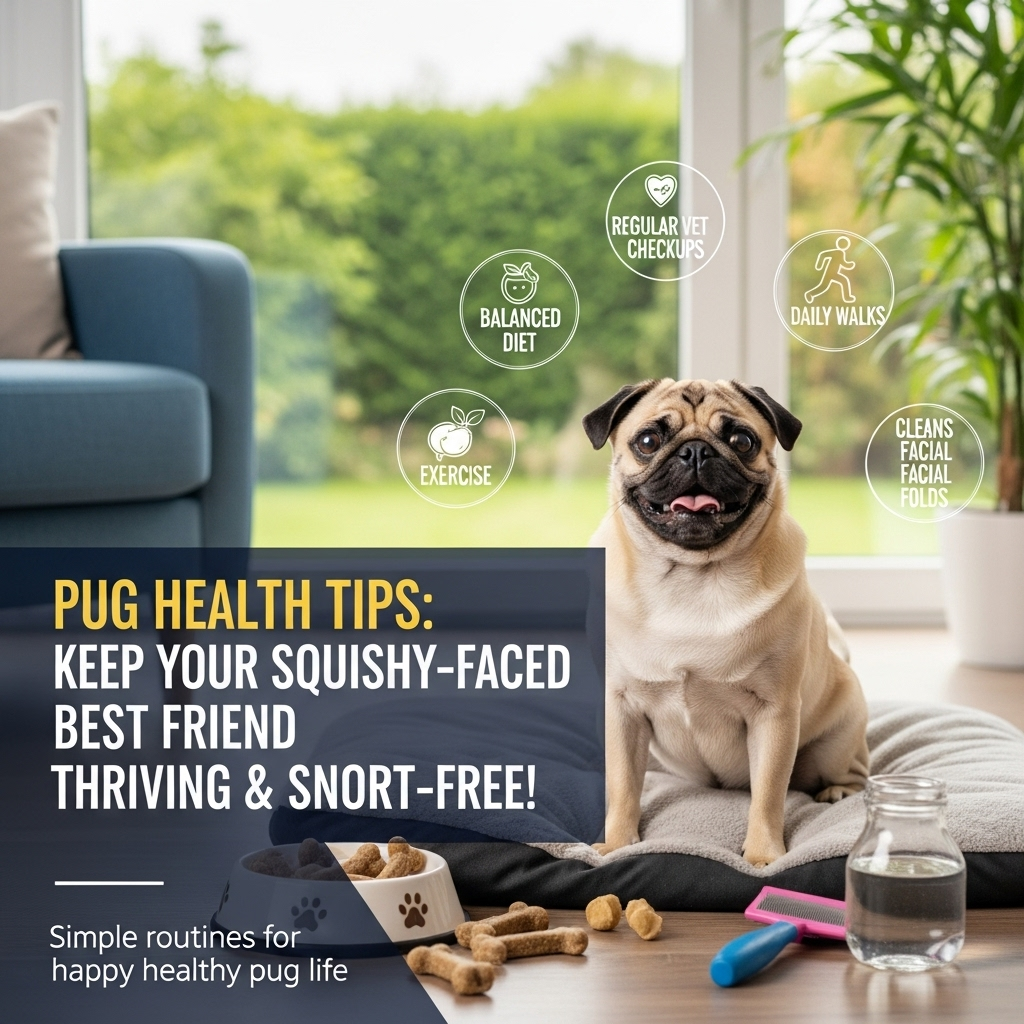
Owning a pug is like having a tiny, squishy bundle of joy who instantly steals your heart and never lets go. Their big, soulful eyes, those irresistible wrinkles, and the way they snort when they breathe all add up to a companion unlike any other. But let’s not pretend it’s all sunshine and puppy kisses. Pugs come with their own unique set of health challenges that demand your attention and care.
Giving belly rubs and sneaking in a few treats isn’t enough if you want your pug to live a long, happy, and healthy life. It involves recognizing the unique requirements of their cute faces and small bodies, foreseeing any possible health issues before they become serious, and fully committing to a way of life that prioritizes their well-being.
Believe me, I get it. You want to be the best pug parent ever. The burden of responsibility can be too much to bear at times, and it can seem like there are a million things to worry about. To help you keep your furry best friend bouncing with energy, wrapped in love, and as snort-free as possible for many years to come, I have compiled this comprehensive guide with essential pug health tips.
Pugs are unlike any other dog breed out there. The smoosh faces that they are known for are what make them so adorable, but they also make breathing difficult for other dogs. Their compact, muscular bodies are cute and sturdy, but this build also makes them prone to joint problems that need careful monitoring.
Knowing these quirks is your first step toward being an amazing pug parent. Your pug requires more tender loving care than many other dogs because their adorable features can sometimes cause issues that are easily overlooked if you do not know what to watch for. From respiratory struggles to joint discomfort and even skin sensitivities, pugs need your patience, vigilance, and proactive care.
The best way to keep your pug happy and healthy is to stay informed, act early, and treat their unique needs like the precious gifts they are. Their little faces may not speak the same way our human faces do, but every snort, cough, or sluggish moment is a plea for your attention and love
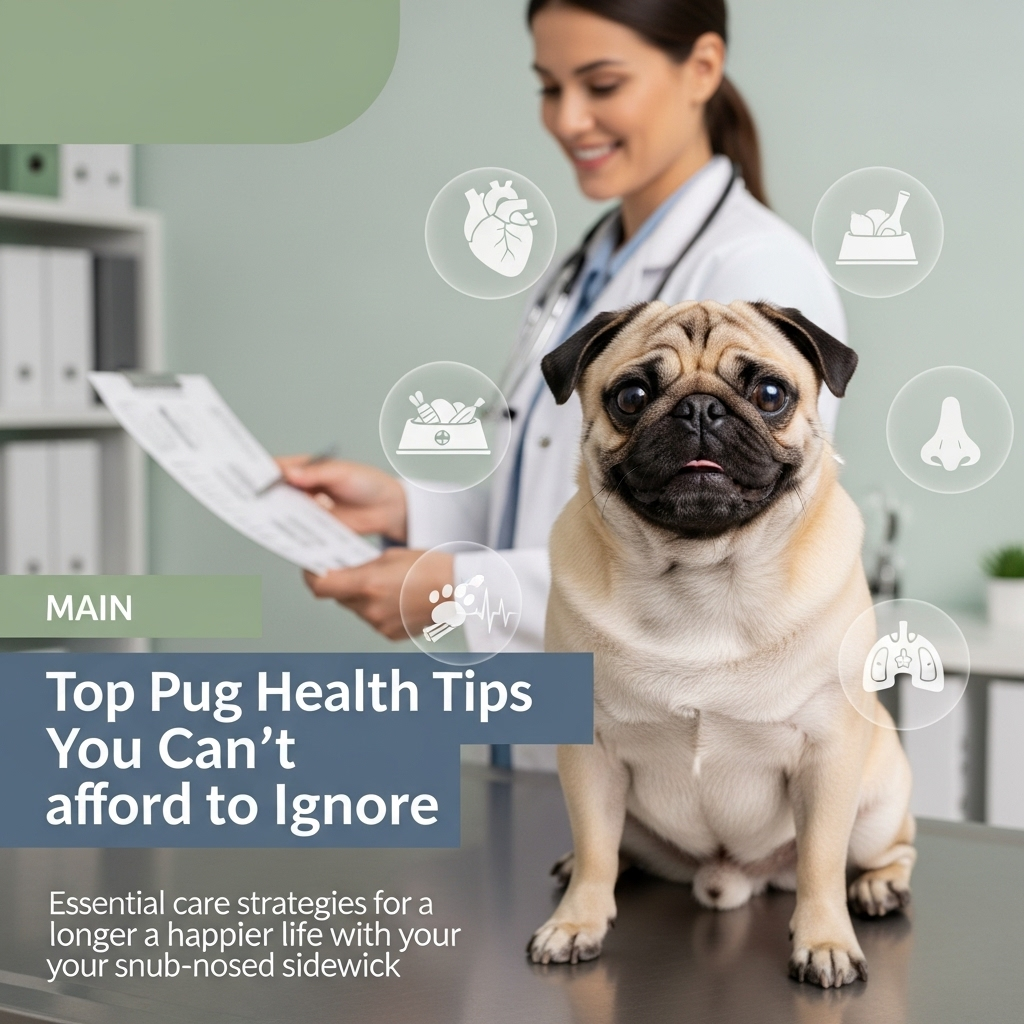
Your pug’s smooshed face can make breathing extremely difficult at times. This implies that you need to exercise extra caution, particularly in hot and muggy weather. Keep your pug cool, steer clear of strenuous exercise in the heat, and keep a close eye out for any excessive panting or wheezing. Your pug may be making these noises to let you know that breathing is more difficult than it should be.
Additionally, when they maintain a low weight, the game is altered. Being overweight makes it even harder for them to breathe comfortably because it puts more strain on their small airways.
Pugs are known for their love of food, but who can blame them? Despite the allure of those puppy dog eyes when they beg for snacks, obesity is a serious health risk. Being overweight shortens their lifespan, strains their joints, and makes breathing more difficult.
Maintaining your pug’s trimness and fitness requires a balanced diet, portion control, and thoughtful treat giving. Being the gatekeeper of your pug’s diet and exercise regimen is essential to their well-being.
Never wait until your pug shows signs of illness to see a vet. Frequent examinations aid in identifying problems before they worsen. Pugs are prone to heart conditions, allergies, hip issues, and eye infections that require medical attention.
Additionally, the veterinarian can provide you with advice tailored to your pug’s particular health profile. In actuality, early detection and prevention are the keys to a long and happy life.
Although those large, round eyes are endearing, they are also prone to irritation and infections. Every day, they should gently clean the area around their eyes to avoid the accumulation of bacteria and dirt that could harm or cause discomfort.
Keep an eye out for symptoms like redness, discharge, or squinting, which could indicate that your pug has an eye condition that requires immediate care.
Although it should not be, dental health is frequently disregarded. Gum and tooth pain can cause a variety of issues, such as difficulty eating and more severe infections.
Use dental chews, brush your pug’s teeth frequently with dog-friendly toothpaste, and arrange for professional cleanings when necessary. The effort is worthwhile because of your pug’s radiant smile.
Pugs’ delicate skin is susceptible to allergies, infections, and dryness. To avoid irritation, they must take regular baths with mild shampoos and keep their skin folds dry and clean.
Itching or redness are signs that your pug’s skin may need more care or veterinary attention, so you shouldn’t ignore them.
A healthy body is supported by a contented mind. Pugs are intelligent and eager to socialize. Interactive toys, lots of affection, and training sessions all help to prevent boredom and anxiety, which can result in harmful behaviors.
A pug that is mentally active is happier and healthier.
Exercise is essential for pugs to stay in shape, but not all exercises are the same. While keeping them active, short walks, gentle playtime, and avoiding extremely high or low temperatures protect their joints and breathing.
Frequent, doable exercise helps people maintain a healthy weight and develop powerful muscles to support their distinct body type.
For all dogs, but particularly for pugs, who might not always exhibit obvious signs of thirst, water is essential. Fresh water ought to be readily available at all times.
Watch how much your pug drinks each day, especially during the warmer months or after exercise, as dehydration can quickly become dangerous.
Certain illnesses, such as arthritis, heart disease, and respiratory infections, are common in pugs. Keep an eye out for symptoms like lethargy, limping, coughing, or strange behavioral changes.
Early diagnosis greatly enhances your pug’s quality of life and increases the efficacy of treatment.
It is not something you do on the surface of life to take care of your pug’s health. It asks you to be present in ways that are both gentle and demanding, reaching into your heart. It asks you to be aware of what others might overlook, to be gentle when your pug is unable to express their emotions, and to remain composed even when anxiety begins to surface.
There will be times when your pug looks to you for comfort, body leaning closer, eyes scanning your face. There are times when they just want to feel safe because they are afraid, uncomfortable, or tired. You become everything to them during those times. They know they are not alone when you speak, touch, and breathe calmly.
Progress will not always be linear. Setbacks, sluggish recuperations, or uncertain days are possible. Accepting that some journeys require patience and faith is a necessary part of loving a pug. It entails acknowledging minor accomplishments, pardoning difficult times, and moving forward even in the face of delayed responses.
Nevertheless, there is a subtle beauty woven into every difficulty. When you sit next to your pug, they become more relaxed. When you put your hand on their back, their breathing becomes softer. The way that every little act is a source of trust. These instances demonstrate that love can be powerful without being loud.
Every act of kindness, every moment spent together, and every decision to maintain compassion all contribute to the bond you have with your pug. When you make a commitment to their well-being, you are making a commitment to a life together that is characterized by coziness, love, and an unwritten pledge to support one another no matter what.
It takes quiet bravery to love a pug. It entails making the daily decision to take responsibility for a life that fully relies on you. a life that demands presence rather than perfection. Through you, your pug experiences the world. By observing their breathing, pausing when they hesitate, and learning precisely how to reassure them with your hands.
They have no idea what “health tips” are. When you call their name, they recognize your voice. They are aware of the cadence of your footsteps next to them. They are familiar with the sensation of being secure enough to sleep soundly. Their world softens under your care.
There will be times when your heart will be stretched. Their slow steps serve as a reminder of how valuable time is, and there are moments when you wish you could ease their discomfort. However, your pug never stops loving you, even during those times. They never stop choosing you. A person is transformed by such devotion.
Your pug’s life is a collection of moments spent with you. Morning routines. Quiet afternoons. The way they locate you in every space. Every decision you make to safeguard their well-being, speak up for their comfort, and show them patience strengthens the already unbreakable bond.
You might come to see how taking care of your pug has influenced you as well. You’ve learned to slow down from it. to give it a closer listen. to love unconditionally. In the end, the warmth of a body curled up against you, breathing softly, and knowing without a doubt that they are home will be what you remember most, not the responsibility.
Breathing problems, weight gain, eye disorders, skin fold infections, and joint problems are common in pugs. Effective risk management is aided by preventative practices and routine veterinary care.
Use a harness rather than a collar, stay away from extreme heat and exertion, and maintain a healthy weight. Better breathing is also supported by calm surroundings and moderate exercise.
Daily short walks and light play are beneficial for pugs. Age, health, and weather should all be taken into consideration when adjusting exercise regimens, and frequent breaks should be taken when necessary.
Keep indoor areas cool, avoid going for walks in hot or muggy weather, and make fresh water available at all times. Overheating symptoms should be handled as an emergency.
For small breeds, a high-quality, portion-controlled diet is ideal. To promote healthy weight and joint function, limit treats and refrain from overfeeding.
At least once a year, adult pugs should visit a veterinarian. Pugs with health issues, elderly dogs, and puppies may require more frequent visits.
Wrinkles should be routinely cleaned with a gentle, moist cloth and completely dried. By doing this, moisture accumulation, irritation, and infection are avoided.
Yes. Dental disease can have an impact on general health and appetite, but it can be prevented with regular tooth brushing, dental chews, and professional cleanings.
Allergies to food or skin can occur in pugs. Itching, redness, or ear infections are possible symptoms. Identification of triggers and available treatments can be aided by a veterinarian.
Monitor for redness, discharge, or squinting. Pugs’ eyes are particularly vulnerable, so keep the area around the eyes clean and get veterinary care right away if anything changes.
Their facial structure makes light snoring common. However, a veterinarian should be consulted if breathing sounds are loud or getting worse.
Maintain a healthy weight, use supportive bedding, engage in low-impact exercise, and, if necessary, talk to your veterinarian about joint supplements.
Health problems may be indicated by changes in appetite, energy, breathing, mobility, or behavior. Better results are frequently the result of early attention.
Yes. Pugs can live happy, healthy lives well into old age with the right care, regular veterinary visits, a balanced diet, and careful daily routines.