❝A dog has one aim in life… to bestow his heart.” ― J. R. Ackerley❞
❝A dog has one aim in life… to bestow his heart.” ― J. R. Ackerley❞
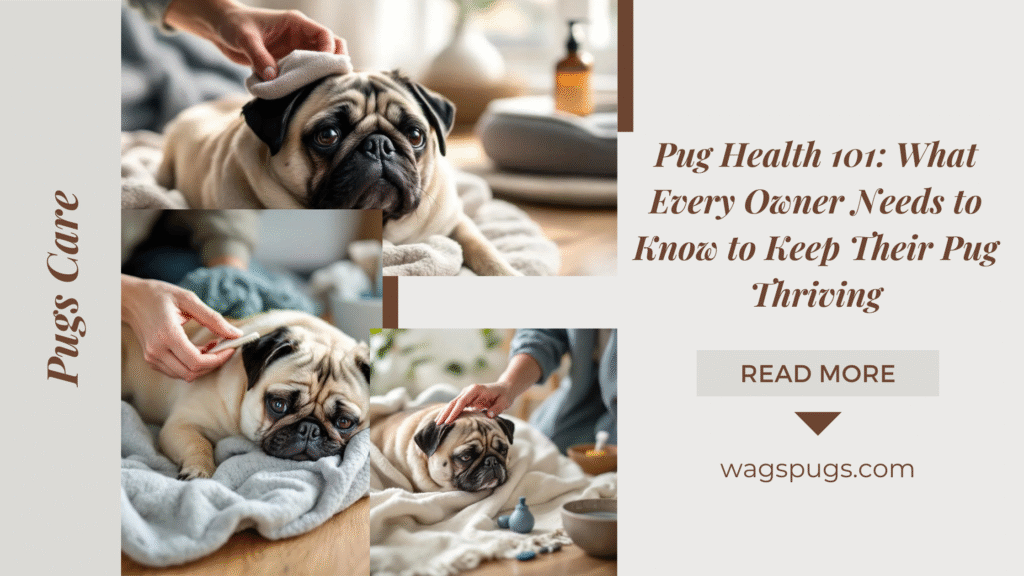
Pug health 101: Your pug just twitched their back leg and made a strange snorty noise, and now you’re searching Google to determine whether it’s serious or just “pug things.”
You’re not alone.
I’ve been in that situation before: pacing the living room at midnight while clutching my tiny, potato-shaped best friend like a baby burrito and wondering if the honking sound is typical or if we need to go to the emergency veterinarian once more.
Here’s the truth. Pugs are dramatic. They’re also fragile in ways most people don’t realize until it’s too late. But with the right care, they can live long, hilarious, cuddle-filled lives.
This post is everything I wish I had known when I first brought my pug home. No guilt trips. No vet-speak. From one pug parent to another, the real deal.
Let’s dive into what really keeps a pug thriving.
Pug care tips, You know it. I know it. The vet receptionist definitely knows it.
Pugs are different.
They’re squish-faced little comedians with way too much personality packed into one compact, wrinkle-covered body. However, those distinctive appearances have a cost: common pug health problems that call for a little more care.
They’ve got tight airways, shallow eye sockets, sensitive skin, and a talent for gaining weight faster than you can say “treat.” You’ll be a pro once you figure out how to work with their peculiarities rather than against them.
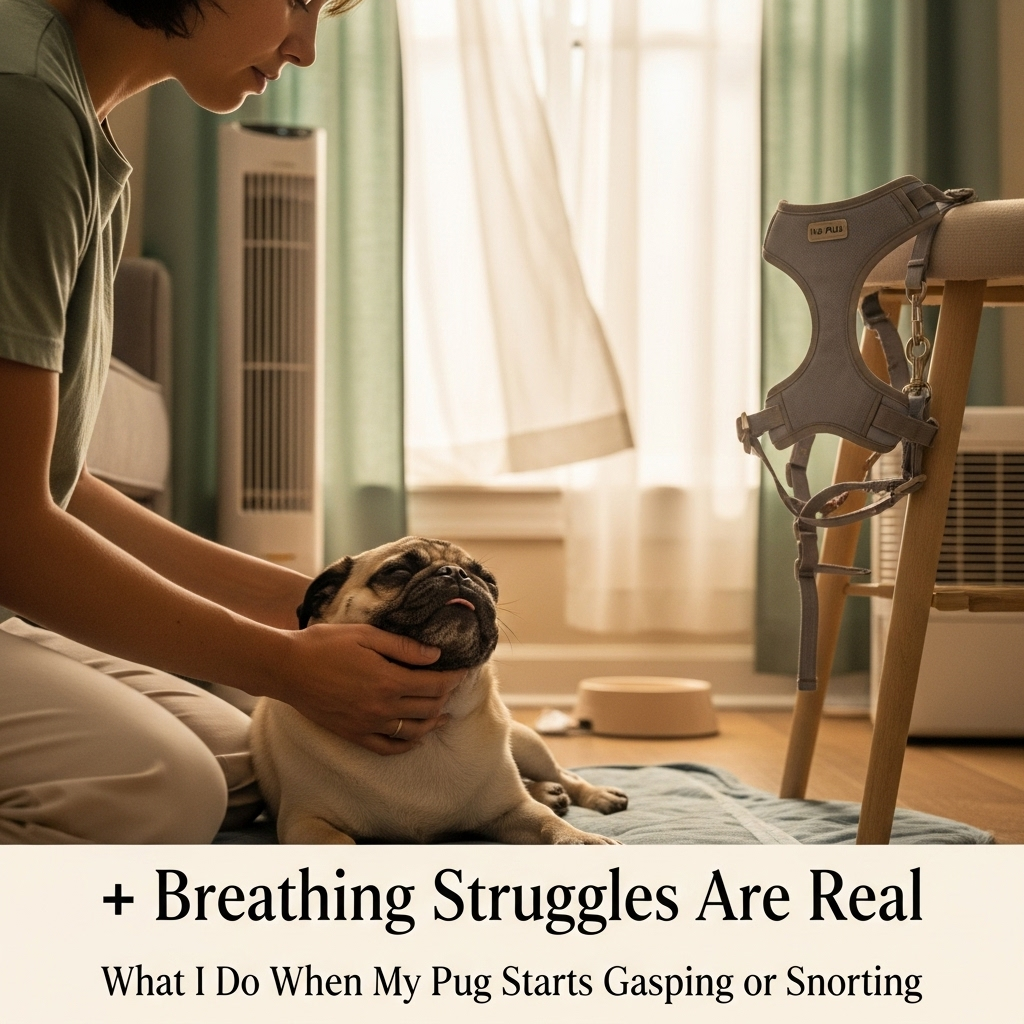
That snore may seem amusing right now, but believe me, it’s not always innocuous.
Pugs have short snouts and squishy airways that can make breathing feel like a workout. particularly when they’re overexcited or in heat.
What’s helped:
We only walk early morning or after dark
The AC is non-negotiable during summer
I never wore collars again because a soft harness was so much more effective.
If he starts reverse sneezing, I gently stroke his throat and keep calm
See a veterinarian right away if your pug is having trouble breathing or gasping while at rest.
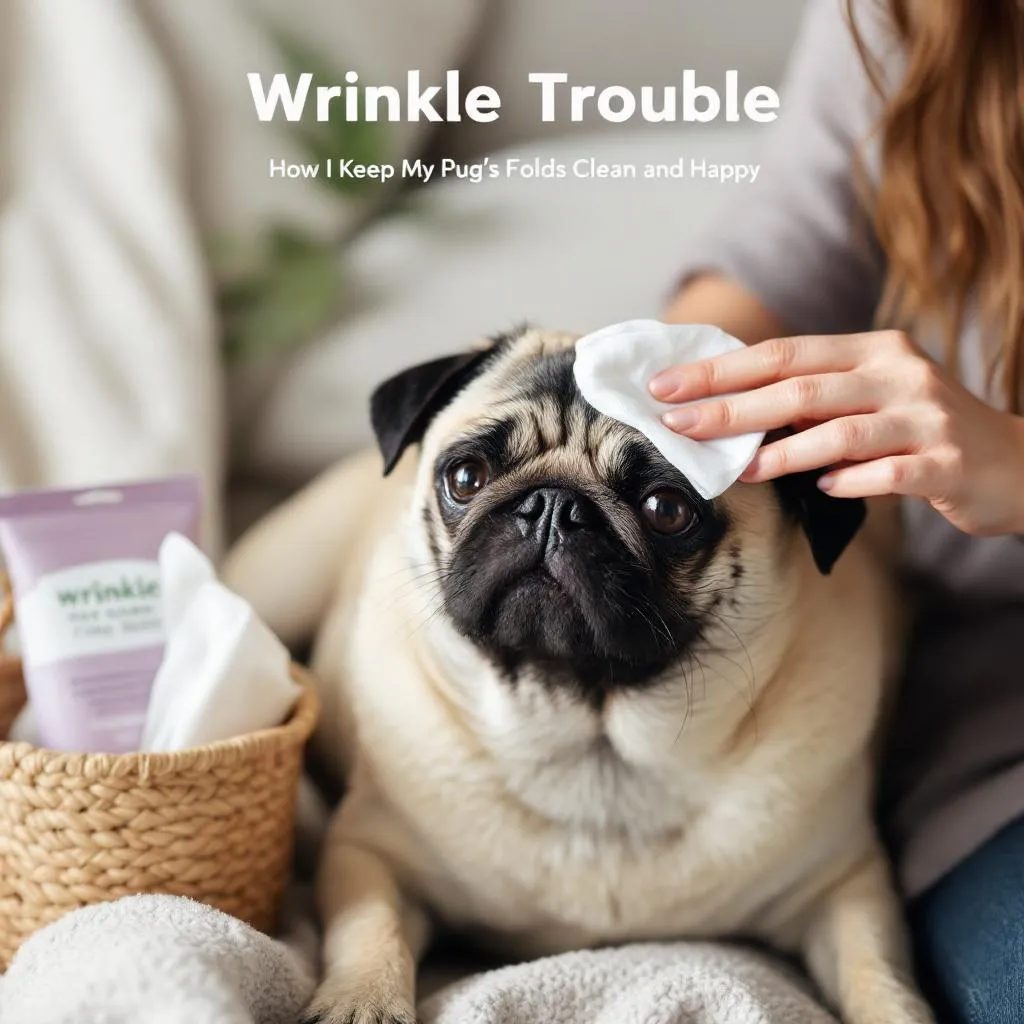
Those face folds? Adorable. Extremely prone to bacteria.
When I ignored a slight redness that developed into an itchy, foul-smelling mess, I had to learn the hard way.
What I do now:
Clean his wrinkles every other day with a dog-safe wipe
Dry them gently with a tissue after
If I notice any gunk or odor, I call the vet sooner rather than later
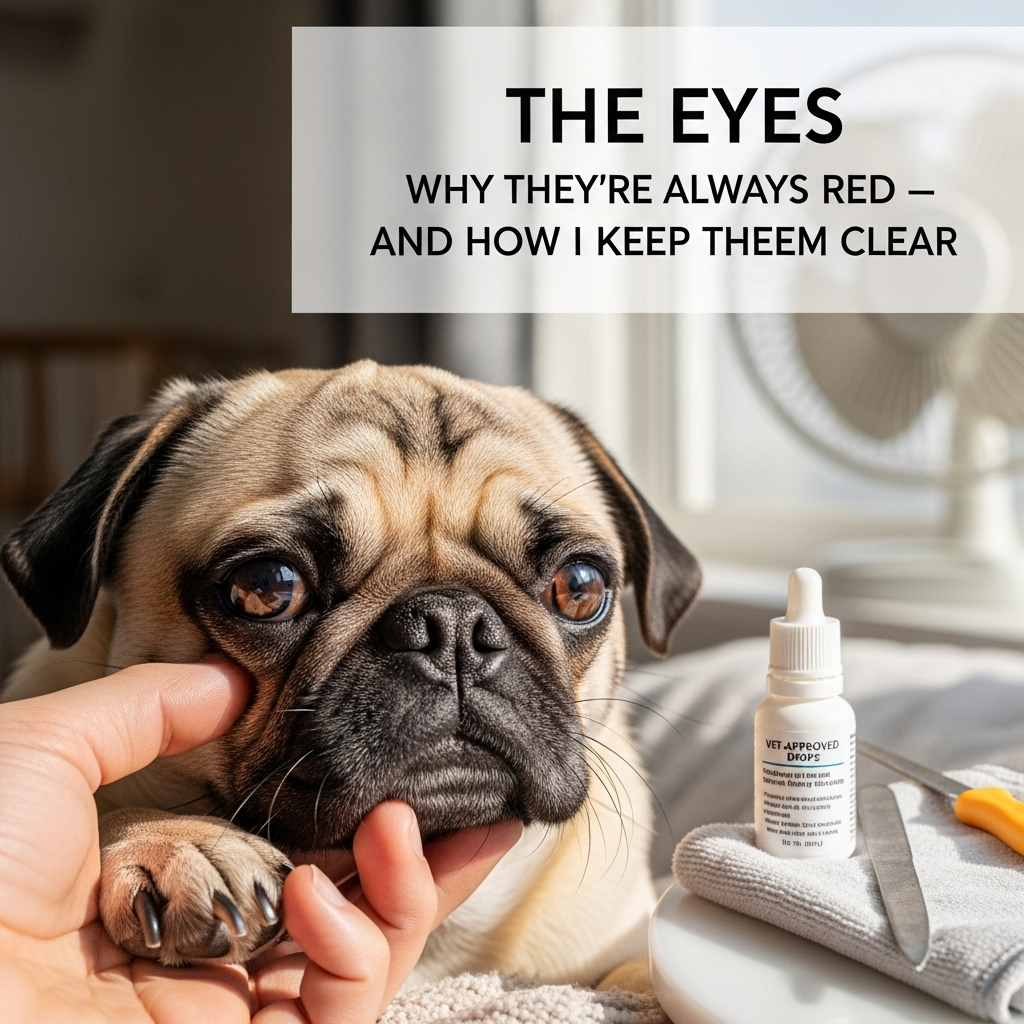
They are magnets for scratches, dryness, and general drama because their eyes stand out like little gooey balloons.
Lessons I’ve learned:
Keep nails short to prevent accidental scratches
Never allow them to stick their head out the window.
Use vet-approved eye drops when they get dry
I’ll go straight to the veterinarian if I notice squinting, discharge, or cloudiness.
Protect the marbles. They only get two.
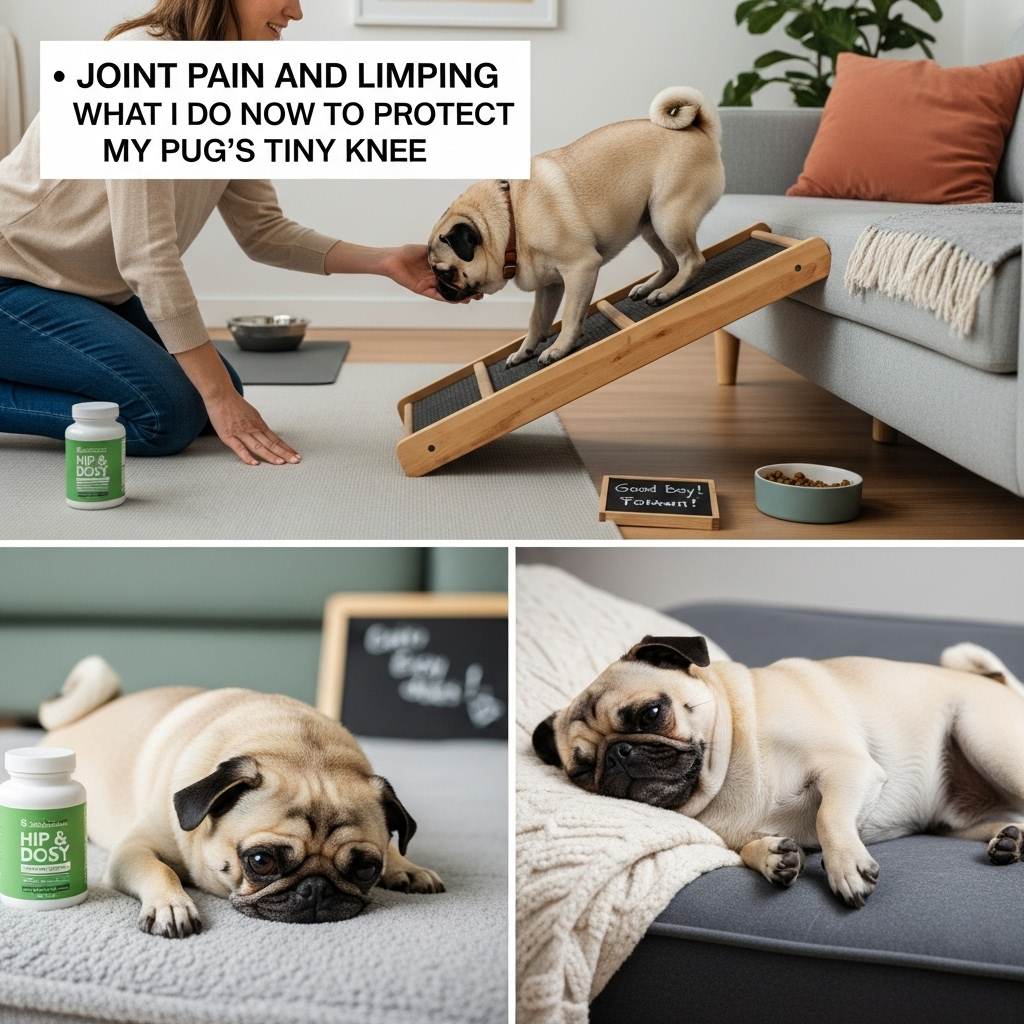
My pug started bunny hopping after a long nap, and I brushed it off. Turns out, it was early joint pain.
These little guys are prone to knee issues and arthritis.
Now I do this:
Keep him lean (even when he gives me the “I’m starving” eyes)
Use a ramp for the bed and couch
No more jumping off furniture
We go on gentle, short walks daily
I added a joint-supportive food with vet guidance
If you see limping, skipping, or weird stiffness, don’t wait it out. Get it checked.

Pugs can look at a cookie and gain two pounds.
Indeed, even if they just had dinner, they will pretend that they haven’t eaten in three days.
What saved us:
A cup for measuring. Each and every meal. No guessing.
Carrots or green beans for snacks
A slow feeder bowl to slow down his eating
Regular, short play sessions (he loves indoor fetch)
The trick is setting boundaries… and then ignoring the guilt trip in their eyes.
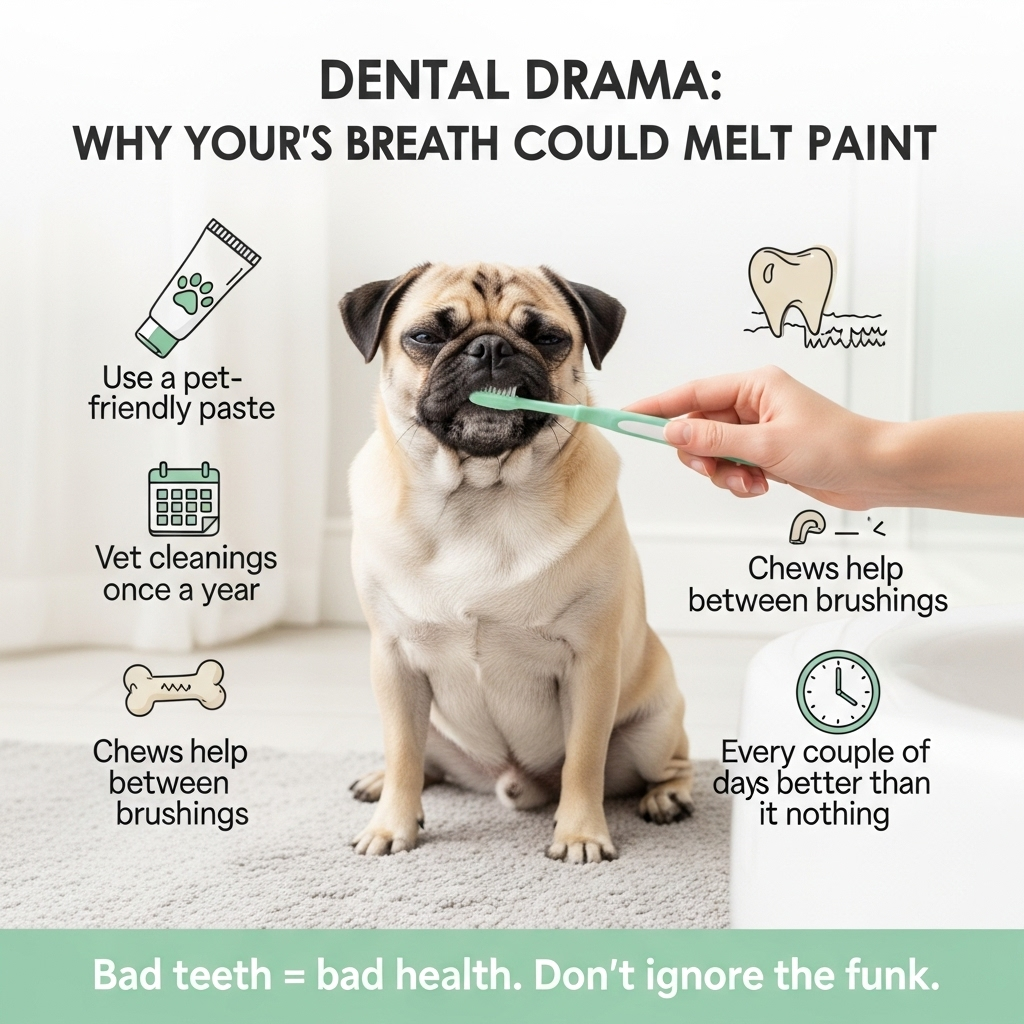
I didn’t pay enough attention to his teeth until his breath was enough to topple a houseplant.
Pugs are known to have dental pug breathing problems and have small, constricted mouths.
Now:
I brush his teeth every couple of days
I use a little dog-safe paste he tolerates (barely)
Vet cleanings every year or so
Dental chews help between brushings
Bad teeth = bad health. Don’t sleep on this one.
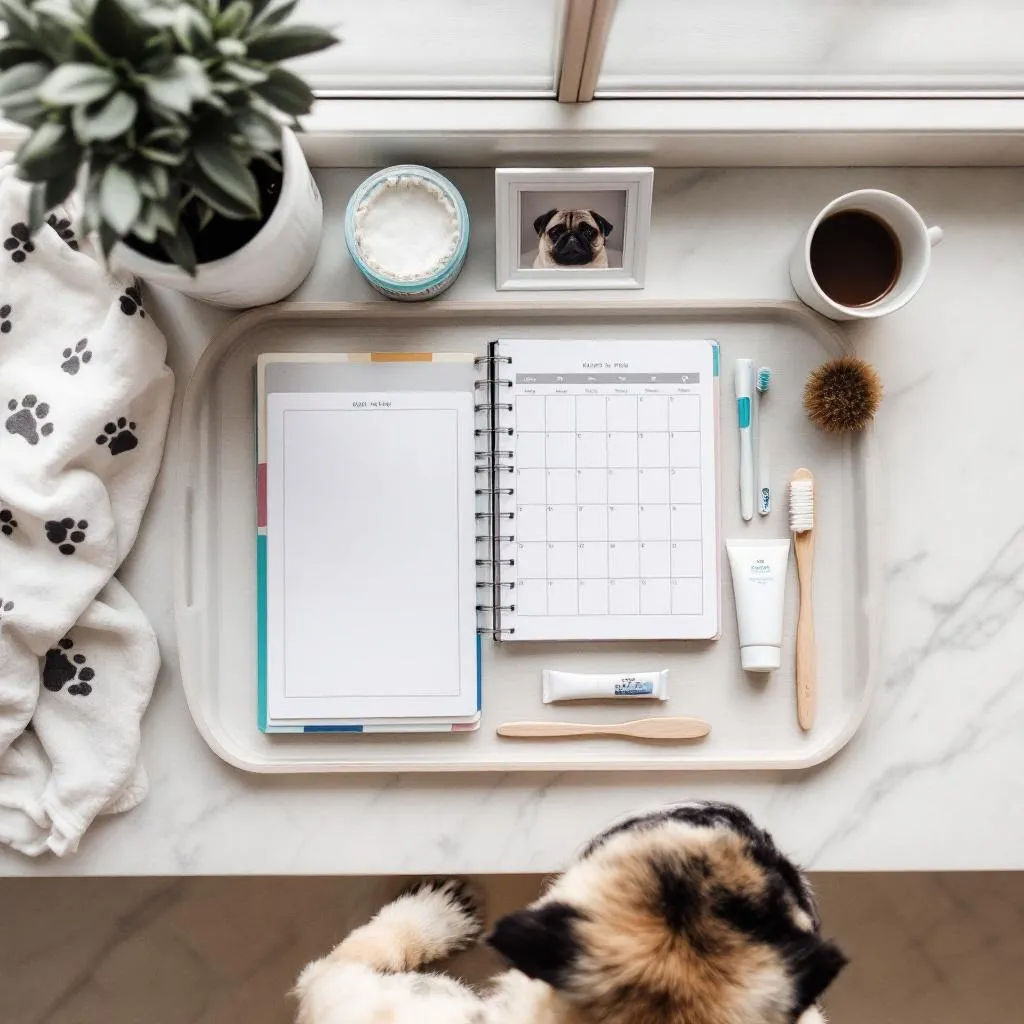
If you’re overwhelmed, start small. These are the habits that helped me the most:
Task | How Often | Why It Works |
Wrinkle cleaning | 2 to 3 times per week | Stops infections before they start |
Teeth brushing | Every 2 to 3 days | Prevents vet bills (and bad breath) |
Grooming | Weekly | Keeps coat healthy and reduces shedding |
Eye checks | Daily | You’ll catch problems early |
Nail trims | Every 3 to 4 weeks | Protects their joints |
Vet visits | At least once a year | Peace of mind and early detection |
Make it part of your routine. I keep his toothbrush and wipes in the bathroom as if he were a member of the family, which he is.
Pugs are sometimes overbearing.
Sneezing in reverse? Breathing too loudly? Running after two seconds of limping?
I used to panic over everything.
Here’s what I’ve learned to watch for:
Calling the veterinarian is necessary if
They can’t catch their breath or collapse after play
Eyes are red, bulging, or have goop
They refuse food or water
They limp, and it doesn’t get better with rest.
Not only do they look exhausted, but they also seem distant or weak.
Your gut is your best tool. If it feels wrong, make the call.
It is entirely dependent upon your pug. With the approval of my veterinarian, I use a couple.
What we like:
Omega-3 oil for skin and shedding
Joint supplements as he’s gotten older
Probiotics when he’s having tummy troubles
Calming chews before thunderstorms or travel
Supplements don’t work like magic, but when they do, they can change your life.
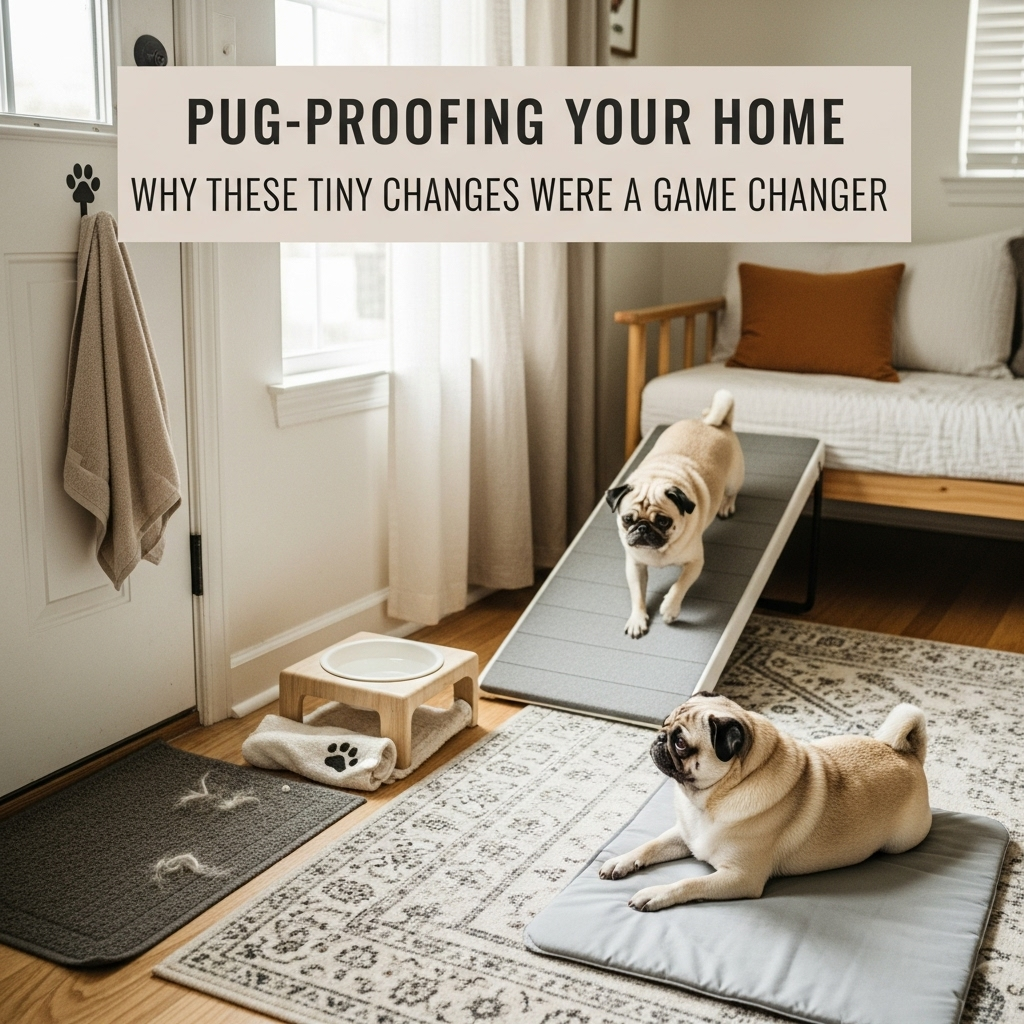
I didn’t realize how many little things at home were messing with his health until I fixed them.
Changes that made life better:
Non-slip rugs on tile and hardwood
Raised water bowls to help his posture
Cooling pads in the summer
A ramp to our bed so he’s not jumping down
Keeping windows closed during allergy season
Your space matters. Make it pug-friendly and watch them thrive.
Once my pug turned seven, I noticed things shifting.
He naps more. He’s not as bouncy after walks. He gets stiff if he lies in one spot too long.
I refer to this as his “wise era.”
What I’ve done:
Switched to softer beds with joint support
Scheduled vet checkups twice a year
Started more gentle play and massage
Gave him extra time to warm up before walks
They might slow down, but their love never does. Aging gracefully is a team effort.
It’s perfectly acceptable that you won’t get it exactly right. Precision and perfect routines are not important in a pug’s life. It’s about embracing the beautifully imperfect rhythm that comes with loving a creature that sheds like it’s their life’s mission and snores louder than expected, as well as learning on the fly and laughing through the chaos. You’ll make constant adjustments, wipe up more drool than you ever imagined, and eventually come to terms with the fact that pug hair is now an integral part of your home’s design.
But here is the truth. Pugs do not need perfection. They need presence. They need patience. They need someone who is curious, caring, and eager to learn new things every day. They do more than just survive when you show them regular attention, love, and an open mind. They thrive. They develop a sense of security, happiness, and a strong bond with you that is more akin to a partnership than ownership.
You learn to slow down and focus on the little things when you raise a pug. When they feel secure, they lean into you. how they can tell how you’re feeling even before you speak. The way they make the most out of everyday moments by celebrating them. They offer you unconditional love and loyalty in exchange for your patience and hard work.
Mistakes will happen. You will second-guess yourself. You’ll grow, adapt, and give it another go. That is not failure. That is love in motion. Pugs want a safe place to land, consistency, and kindness. They will give you snorts that make you laugh, cuddles that make tough days easier, and a joy that quietly fills your home.
Cheers to the mess, the learning curve, and the happy, healthy little gremlins that add joy to every day. Because taking care of pugs is a journey and no one ever really stops learning when love is involved, return to our website for daily updates and today’s news on everything pug-related.
Pug parent to pug parent: You’re doing better than you think. Keep going. Keep loving. And always keep the treats in your pocket. Explore more about First Aid For Pugs
Pugs should have regular checkups with the veterinarian at least once a year. Pugs with medical conditions, elderly dogs, and puppies might require more frequent visits.
Obesity, skin fold infections, breathing issues brought on by their short snouts, and eye issues are common health issues.
Measured portions should be fed, treats should be limited, a balanced diet should be chosen, and daily low-impact activities like indoor play and short walks should be offered.
Indeed. Because pugs are brachycephalic, their short noses can make it difficult for them to breathe, particularly in hot weather or when they are exerting themselves too much.
The majority of pugs benefit from 20 to 30 minutes of light exercise each day. Steer clear of physically demanding activities, particularly in hot or muggy conditions.
Keep skin dry, clean wrinkles on your face frequently, and keep an eye out for any redness or odor. Proper grooming helps prevent infections.
The secret is to eat a balanced diet that includes good protein, moderate fat, and sensible serving sizes. Homemade diets should be vet-approved.
Indeed. Pugs are renowned for being amiable and flexible, and when properly socialized, they typically get along well with kids and other animals.
Never leave your pet in a parked car, give them fresh water, use cooling mats, and stay indoors during the hottest parts of the day.
Sure. Gum disease and tooth loss can be avoided with routine dental examinations and tooth brushing.
Although proper care and preventative health measures can support longevity, pugs typically live between 12 and 15 years.
Supplements should only be given if recommended by your vet. Unnecessary supplements can be harmful, and not all pugs require them.
A healthy pug exhibits consistent vitality, a healthy appetite, clear eyes, a glossy coat, regular breathing, and a happy, involved disposition.