❝A dog has one aim in life… to bestow his heart.” ― J. R. Ackerley❞
❝A dog has one aim in life… to bestow his heart.” ― J. R. Ackerley❞
Best pug food || Home made non veg recipe
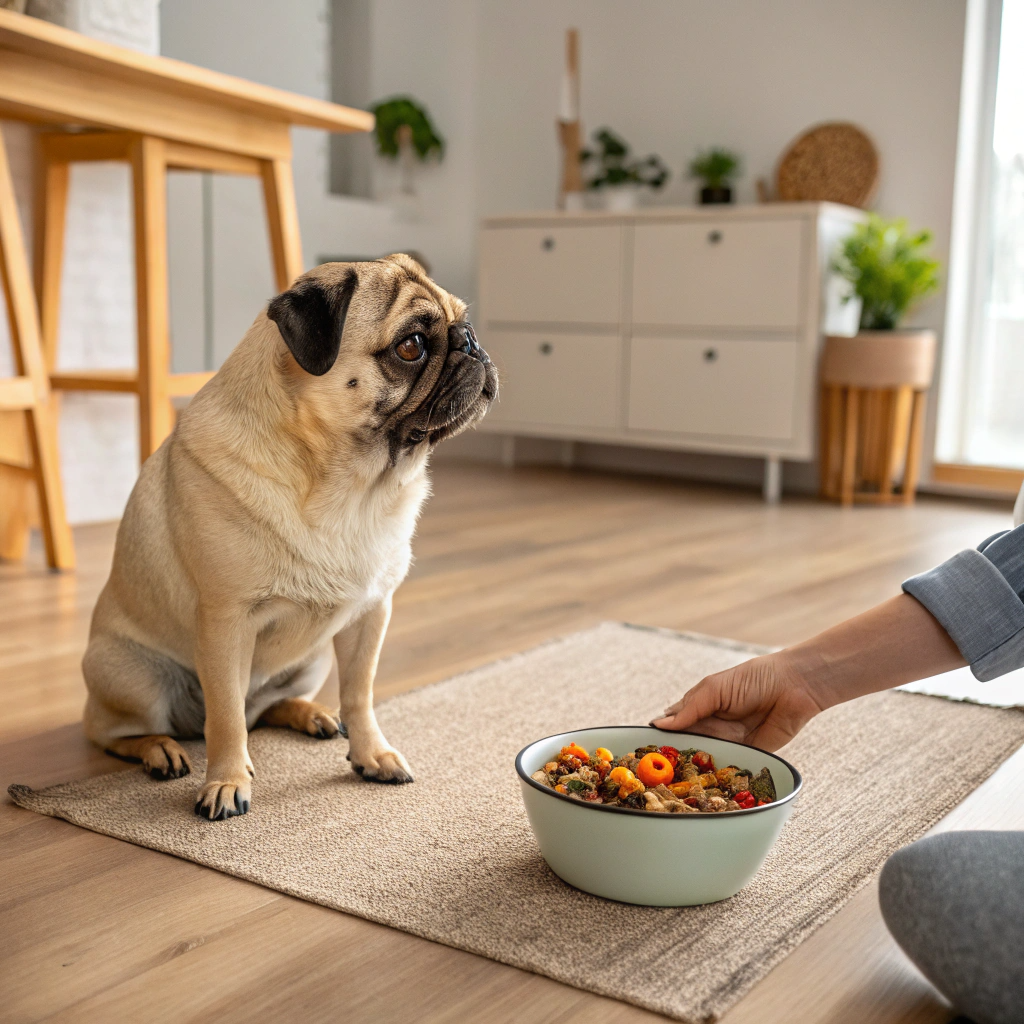
When it comes to feeding your pug, choosing the right food is crucial for their health and happiness. Pugs have unique nutritional needs due to their small size, compact build, and tendency to gain weight easily. A high-quality pug food should be rich in protein, low in fillers, and packed with essential nutrients to support their joints, skin, and overall well-being. Since pugs are prone to allergies and digestive issues, many owners find that grain-free or limited-ingredient diets work best. Always pay close attention to portion sizes and feeding schedules, as overfeeding can lead to obesity, a common issue in this lovable breed. With the right diet, your pug can thrive with more energy, a shinier coat, and a longer, healthier life.
There’s more to feeding your pug than just filling a bowl. It is one of the most crucial ways you safeguard their happiness, comfort, and well-being on a daily basis. The decisions you make regarding food are very important because pugs are happy little eaters with large appetites and delicate bodies. You can transform everyday meals into effective tools that promote energy, digestion, weight control, and long-term wellbeing with a few deliberate tweaks.
These seven easy yet effective pug food tips can significantly improve your dog’s quality of life.
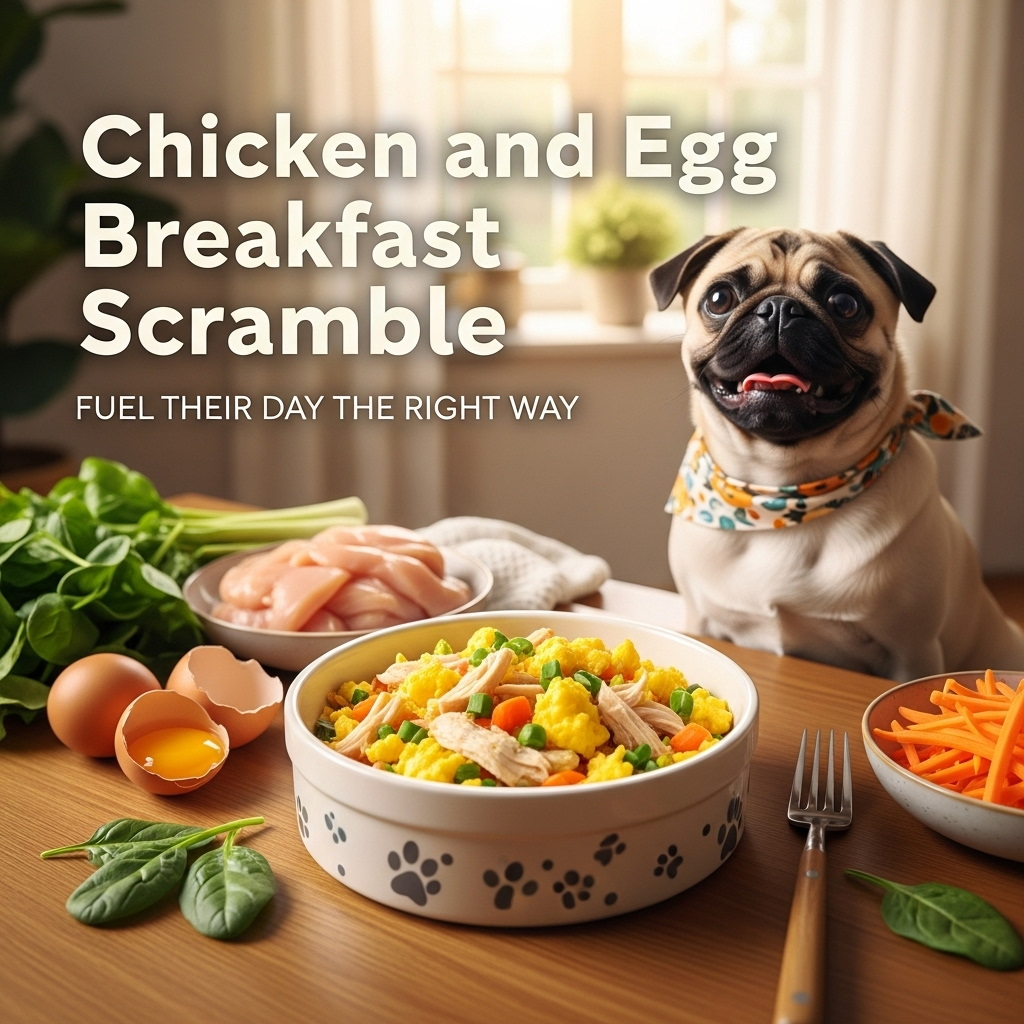
Dry kibble by itself can get monotonous and might not always offer the best moisture or variety. Meals can be made more interesting and nutritious by adding small amounts of fresh, pug-safe foods like cooked lean chicken, pumpkin puree, plain yogurt, or steamed vegetables. Without overfeeding picky eaters, these additions aid in digestion and keep them interested in their food.
Pugs are prone to weight gain, and excess weight puts significant stress on their heart, joints, and breathing. Controlling weight can be achieved by measuring food portions rather than feeding them freely. Keep in mind that treats also count as calories, adjust for activity level, and adhere to feeding guidelines. Your pug will have more energy and a higher quality of life if they are at a healthy weight.
A lot of pugs eat too quickly, which can cause bloating, poor digestion, and choking. Mealtime becomes a mental workout with puzzle feeders or slow-feed bowls. Eating more slowly gives your pug mental stimulation in addition to making them feel fuller. It is among the simplest methods for enhancing mental and physical well-being.
Dehydration is a common problem for pugs, particularly in warm weather. Warm water, dog-specific bone broth, or wet food enhances moisture intake and promotes digestion and kidney health. Pugs that are elderly or don’t drink enough water on their own will find this trick especially useful.
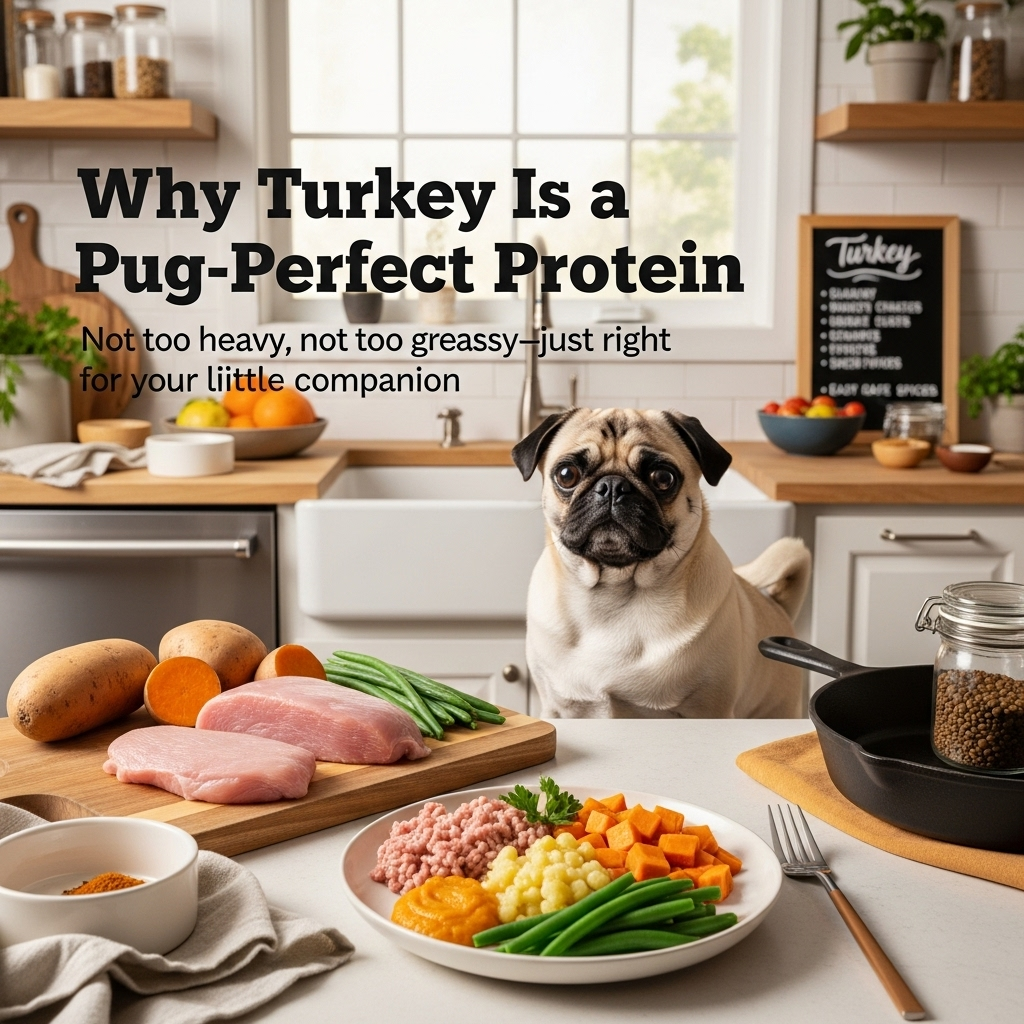
Protein promotes general vitality, immunological health, and muscle strength. Look for dog food where the first ingredient is a genuine animal protein. Steer clear of foods that contain unnecessary additives and fillers. A diet high in protein promotes a healthy metabolism and keeps your pug strong.
Treats are a great way to bond and train, but if used excessively, they can quickly ruin a pug’s diet. Use low-calorie options, break treats into small pieces, or replace training rewards with kibble. Praise, affection, and attention are just as important to your pug as food, sometimes even more so.
Over time, a pug’s nutritional requirements change. Seniors require easy digestion and joint support, adults require balance and weight control, and puppies require energy and growth support. Regularly reevaluate your dietary choices and seek advice from your veterinarian as you move between life stages. Your pug will be more comfortable and active for longer if they are fed according to their age.
One of the most profound ways you can show your pug love is through food. Every measured scoop, every thoughtful ingredient, and every mindful treat choice adds up to better health and One of the most profound ways you can show your pug love is through food. restriction or perfection. They have to do with consciousness, purpose, and concern.
You are feeding your pug more than just their body when you feed them with wisdom and compassion. Every day, you are upholding the confidence they have in you.
A premium dog food with real animal protein as the primary ingredient is the best food for a pug. It should be balanced for your pug’s age, weight, and degree of activity and made for small breeds. Foods with a lot of artificial additives or fillers should always be avoided.
The majority of adult pugs thrive on two measured meals a day, though the precise quantity varies according to size, age, and degree of activity. To maintain a healthy weight, always adhere to the feeding recommendations on the food label and make any necessary adjustments.
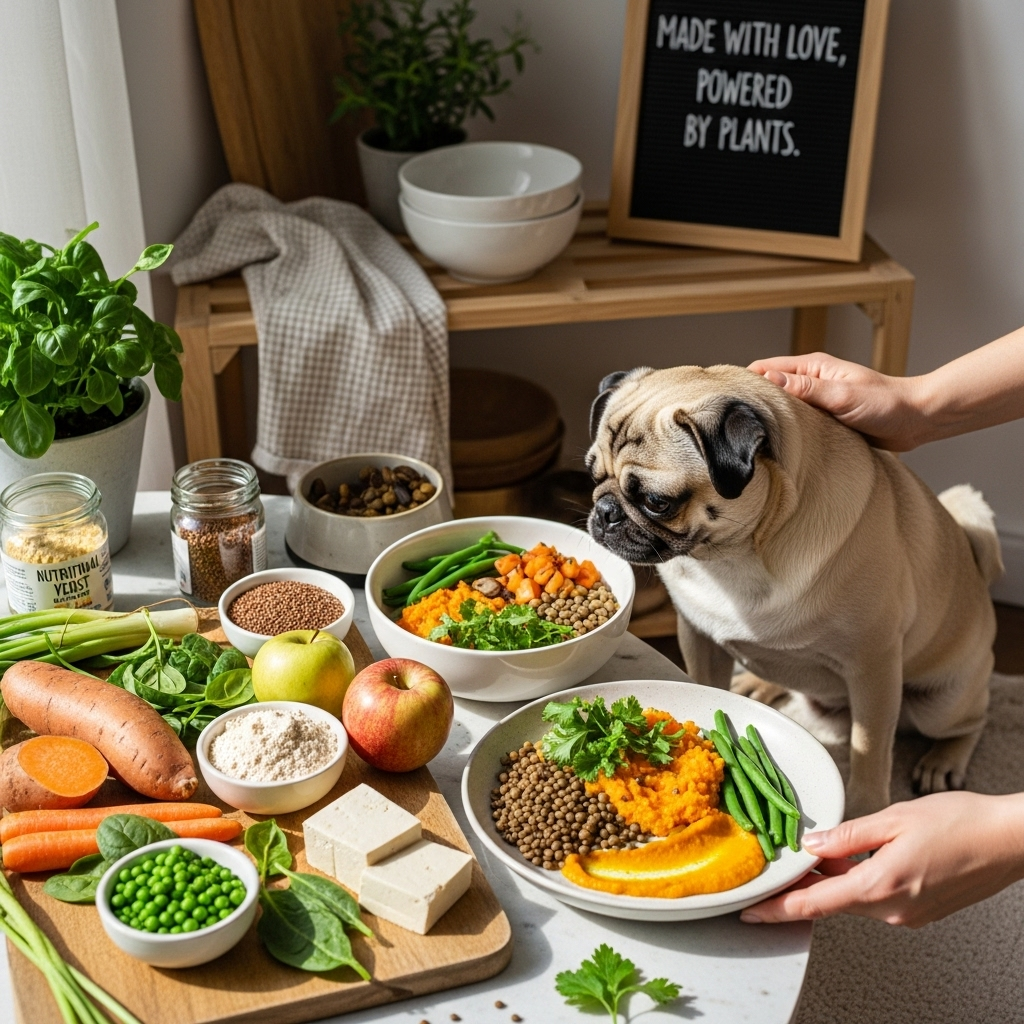
Certain human foods, like pumpkin, carrots, green beans, and plain cooked chicken, are safe in moderation. But before introducing new foods, always do your homework or consult your veterinarian because many foods are hazardous for dogs.
Portion control, cutting back on sweets, and increasing mild exercise are the first steps in losing weight. Another way to slow eating and increase satisfaction is to use puzzle feeders and switch to lower-calorie foods.
Most pugs don’t need grain-free diets, and they should only be used if a veterinarian suggests it. Whole grains can be a beneficial component of a balanced diet, and many pugs have good grain digestion. grain digestion.
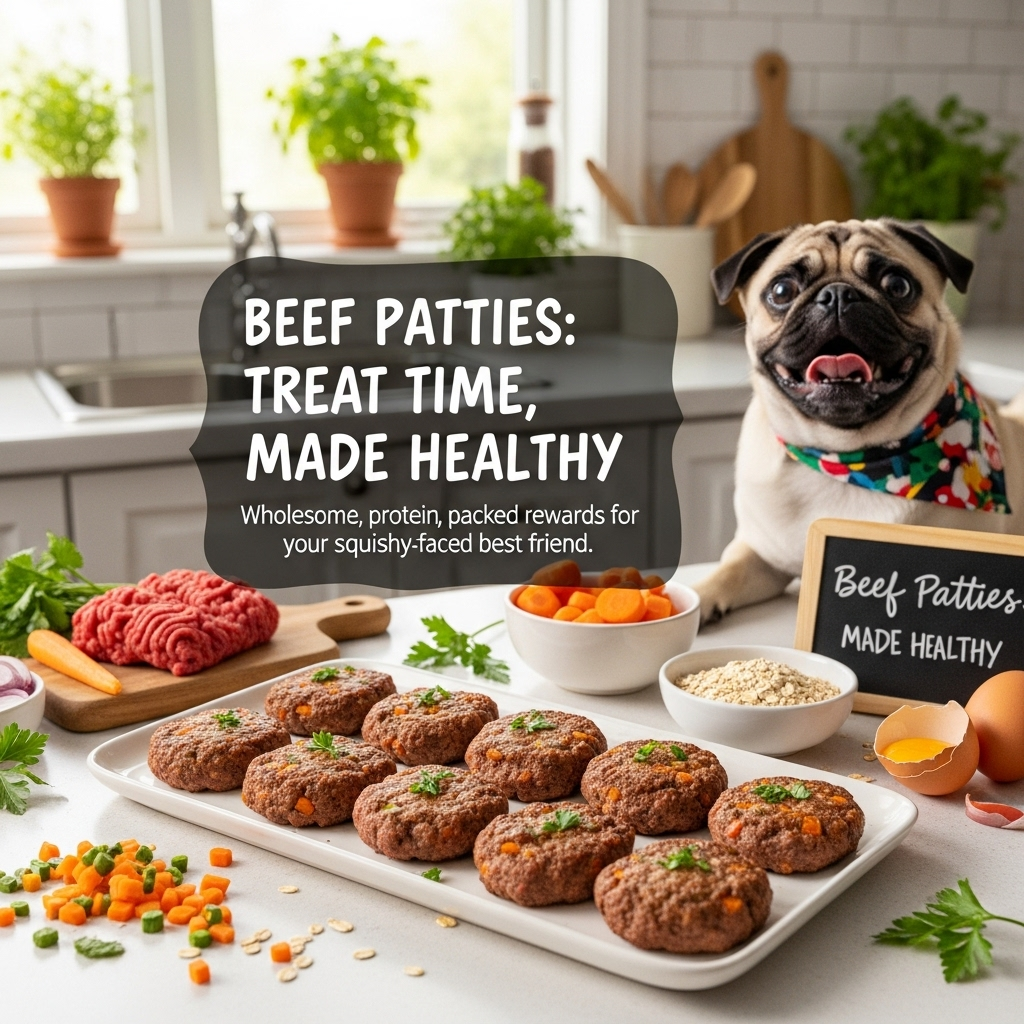
Ten percent or less of your pug’s daily caloric intake should come from treats. Instead of using them as frequent snacks, use them strategically for enrichment or training.
Pugs are enthusiastic eaters by nature. Puzzle feeders and feed bowls can improve digestion and reduce gulping. Puzzle feeders and feed bowls can improve digestion and reduce gulping. Fast eating can be caused by habit, competition, or excitement.
Indeed. The dietary requirements of puppies, adults, and senior pugs differ. Make sure the diet is appropriate for your pug’s stage of life by gradually introducing new foods and consulting your veterinarian.
Particularly for elderly or finicky eaters, wet food can be advantageous for both palatability and hydration. For a balanced diet, many owners use a combination of wet and dry food.
Omega-3 fatty acids for healthy skin and coats and glucosamine for joint support are common supplements. Before introducing supplements to your pug’s diet, always get advice from your veterinarian.