❝A dog has one aim in life… to bestow his heart.” ― J. R. Ackerley❞
❝A dog has one aim in life… to bestow his heart.” ― J. R. Ackerley❞
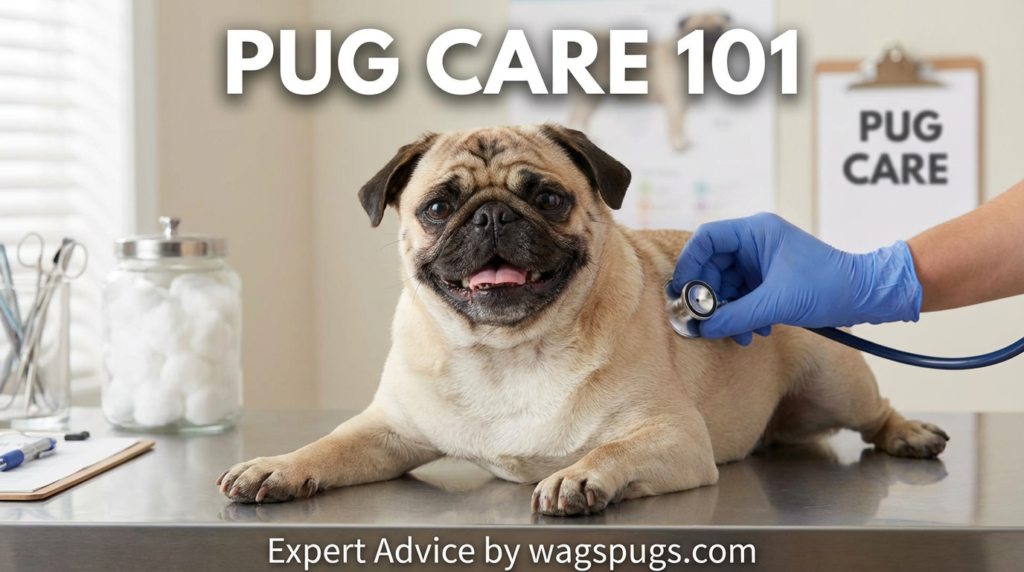
Pugs are charming little clowns with big personalities, but caring for them goes far beyond cuddles and treats. In Pug Care 101, we dive into expert advice every pug parent should understand, from feeding them a balanced diet tailored to their stocky build, to managing their breathing needs, to keeping those adorable facial wrinkles clean and infection-free. We will talk about exercise routines that keep them fit without overheating, grooming tips that protect their skin and coat, and the subtle health checks that can catch problems early. With the right care, your pug will not only look adorable but also thrive with energy, comfort, and joy for years to come.
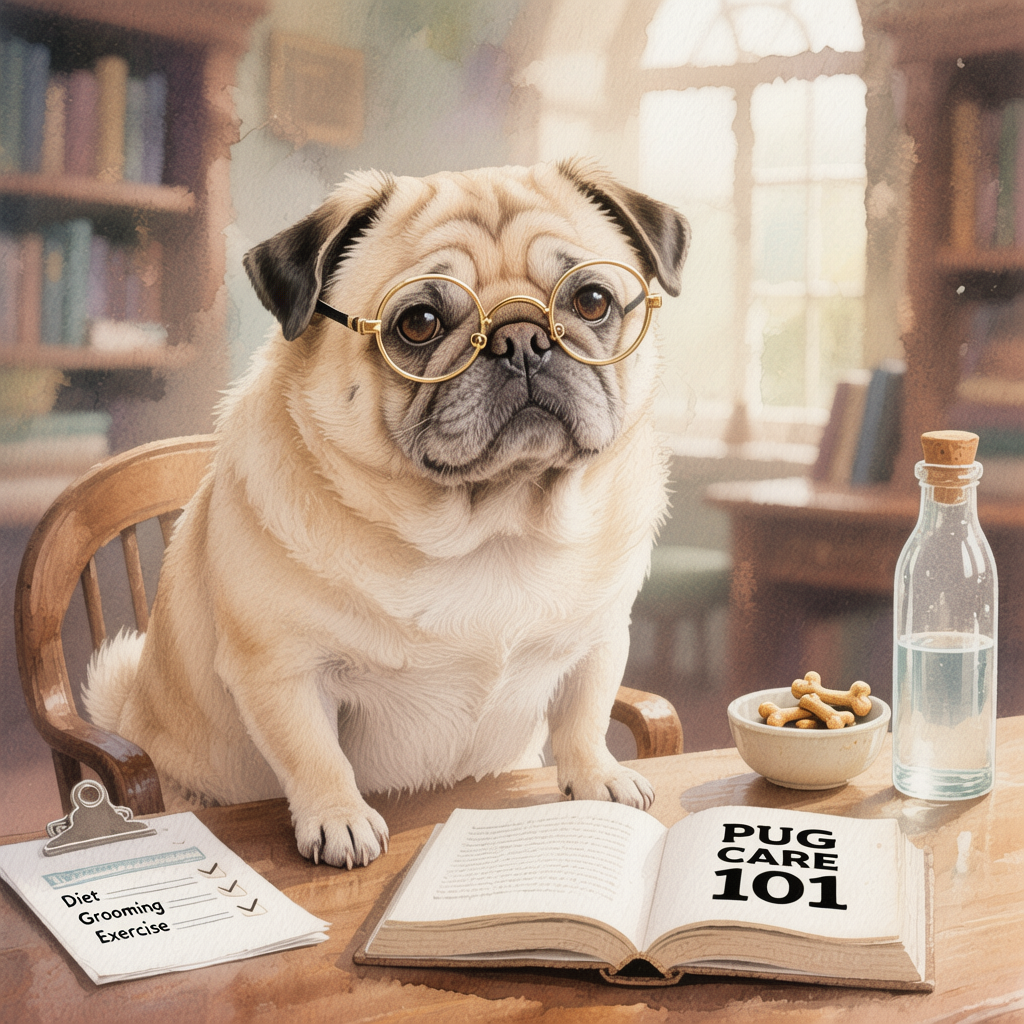
Pugs are often described as charming little clowns because of their playful behavior, goofy expressions, and big hearts. Anyone who has lived with a pug knows they have a way of making ordinary moments feel special. They follow you from room to room, tilt their head when you speak, and light up whenever you give them attention. It is easy to love them. At the same time, owning a pug is a real responsibility. Caring for them goes far beyond cuddles, toys, and an endless supply of treats. It requires understanding their unique needs and building daily habits that protect their health.
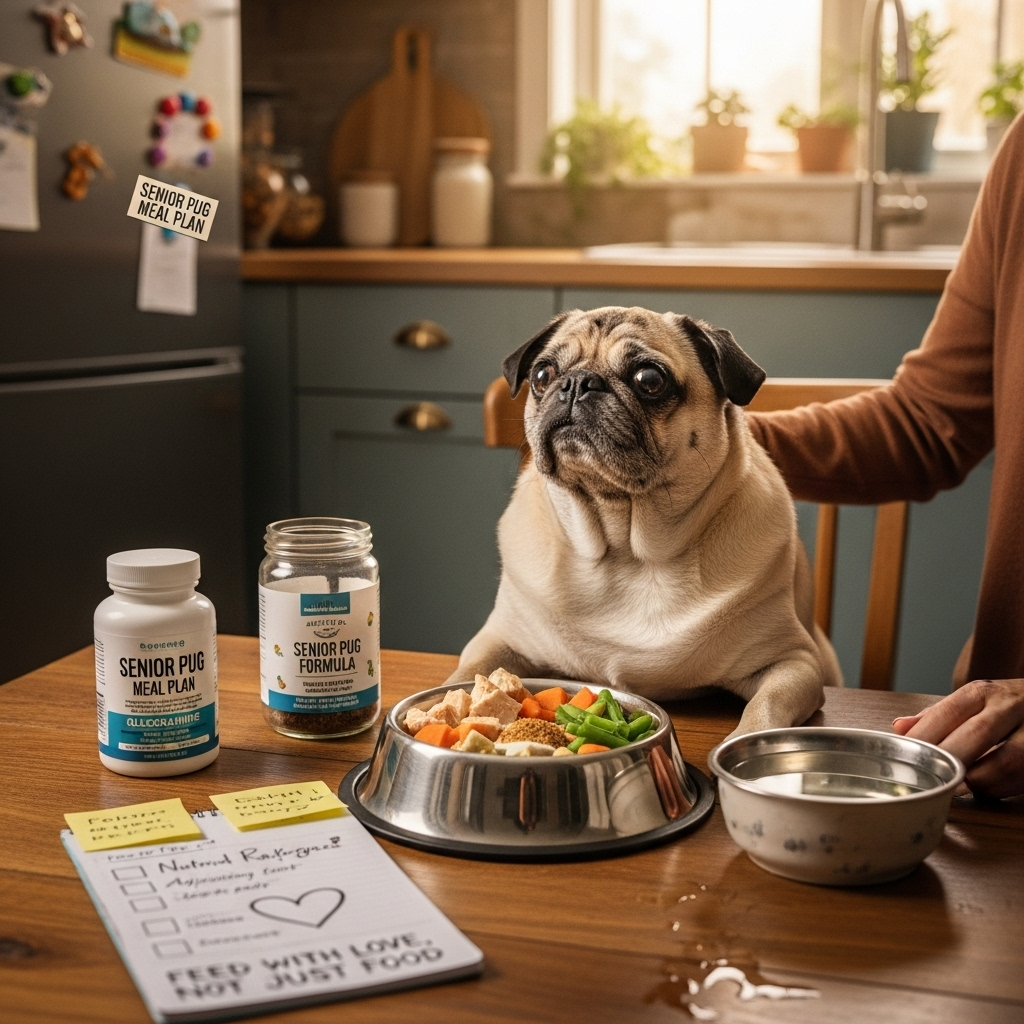
Pug Care 101 is all about bringing those responsibilities into focus so that new pug owners and experienced owners can build confidence and knowledge. This begins with nutrition. Pugs are solid little dogs with strong muscle and a naturally sturdy frame. They look cute because of their adorable shape, but if their diet is not carefully controlled, they run the risk of developing weight issues. A growing pug needs nutrition that supports muscle strength, bone health, coat quality, and digestion. Once they reach adulthood, they need meals designed to maintain a healthy body weight and steady energy without adding unnecessary calories. Extra weight puts pressure on their joints and spine and makes their breathing issues worse. This is why the feeding stage is not something to guess about. Owners should take time to explore portion sizes, food quality, and feeding schedules that match both lifestyle and age.
The best approach to pug feeding starts with a simple rule: quality over quantity. A balanced diet should contain a healthy source of protein, complex carbohydrates, omega fats, vitamins, and important minerals. Cheap foods may fill a stomach but offer little nutritional value. A good food plan supports their immune system, coat shine, stable weight, and overall mood. It even affects behavior. Dogs that lack proper nutrition may feel sluggish or irritable and may sleep more than they should. Pugs with a complete diet tend to show brighter energy and better play drive during the day.
Beyond feeding, pug care requires attention to their breathing needs. The breed belongs to a group known as brachycephalic dogs, which means they have short noses and flat faces. These facial features create an adorable look, but they also place limitations on air intake. Owners should understand how to manage breathing challenges and how everyday decisions can make a big difference. Warm weather increases strain on the lungs. Hard exercise increases stress as well. Even simple excitement or anxiety can affect airflow. That is why owners need to notice breathing patterns. If your pug snores loudly even when awake or pants a lot on short walks, it may be an indication to cut back on activity or modify routine.
Breathing care also involves keeping indoor spaces cool and well ventilated. During hotter months, pugs should avoid staying outside for long periods. Long walks, fast running, or intense play can cause overheating. A healthy routine includes short activity sessions, frequent water breaks, and close supervision. Many pug owners learn to exercise their dog early in the morning or later in the evening when temperatures are lower. Some avoid places like beaches or parks during peak heat entirely. These decisions may seem small, but they protect the lungs and heart from unnecessary stress.
Another major part of pug care relates to grooming, especially wrinkle care. The wrinkles on a pug’s face are one of their most lovable features. They make every expression funny and full of emotion. But these folds trap moisture and dirt, which leads to irritation if not cleaned regularly. Wipe down your skin every day or almost every day to protect it. A simple routine using a clean cloth and a safe cleanser can prevent unpleasant smells and fungal infections.Unpleasant odors and fungal infections can be avoided with a straightforward routine that uses a clean cloth and a safe cleanser. Owners should lift each fold gently, clean between them, and make sure the area dries before the pug goes off to play.
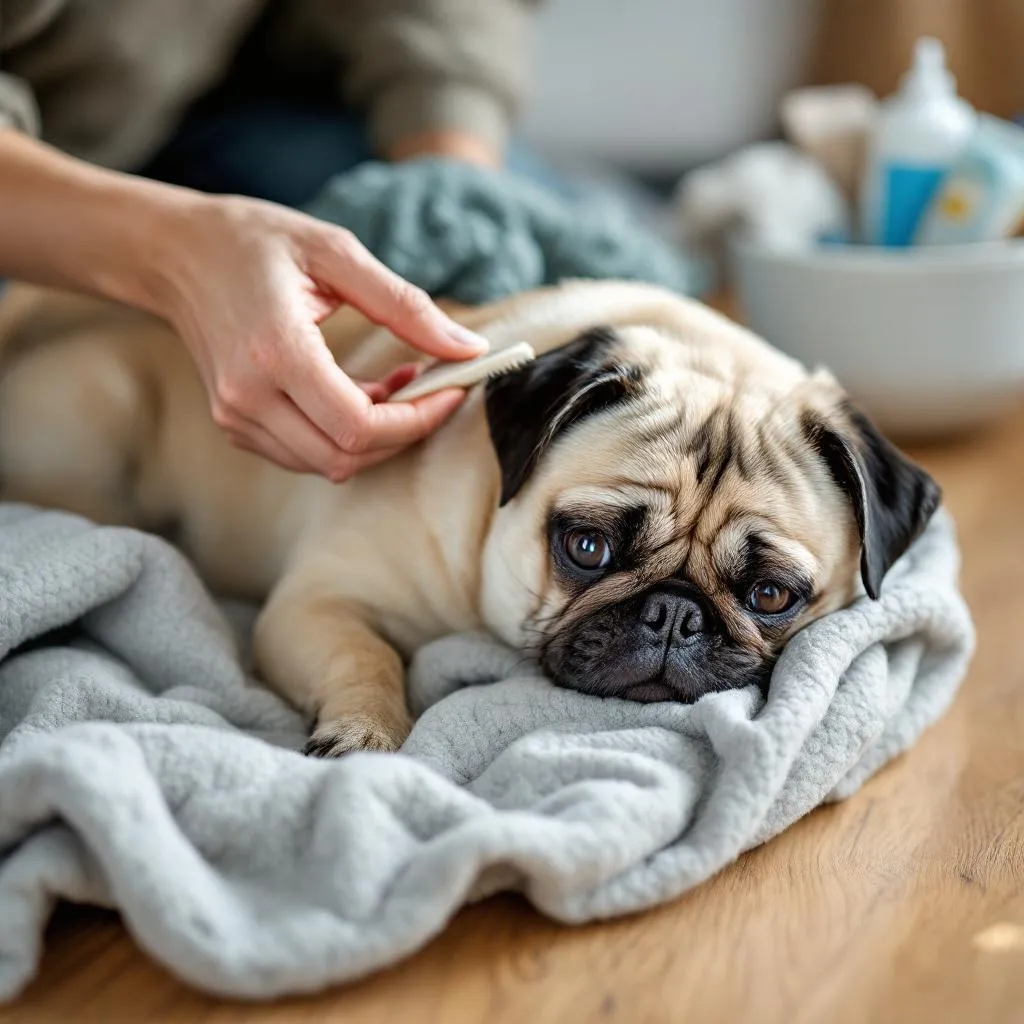
Skin health goes beyond wrinkle cleaning. Pugs can have sensitive skin, and they benefit from consistent grooming habits. Weekly brushing removes loose fur and spreads natural oils, which supports coat condition. It also gives the owner a chance to check for bumps, scratches, dry patches, or fleas. Bathing should be done occasionally rather than constantly because too much bathing strips away protective oils and dries the skin. When choosing products, gentle shampoos made for sensitive skin are usually the best option.
Exercise routines also matter. Pugs love to run and play, but they tire quickly because their breathing system works harder than other dogs. The right exercise plan helps build strength, improves joint health, and prevents obesity. Daily walks are useful, but owners should watch their dog for any signs of distress. Often, slow walks are preferable to quick runs. Play sessions in controlled spaces can be safer than long adventures outdoors. Simple games, such as fetch, tug, or indoor obstacle courses, offer stimulation without extreme strain.
Mental exercise matters just as much as physical activity. Pugs are intelligent, emotional dogs. They enjoy puzzles, treat toys, scent games, and training sessions. Regular mental challenges prevent boredom and improve confidence. When a pug feels engaged, it shows in posture, tail wagging, and social comfort. Bored pugs may chew furniture, cry for attention, or become stubborn. Training can reduce these issues by giving them direction and purpose.
Training itself is another pillar of pug care. Although pugs are known as smart dogs, they can be stubborn. They respond best to positive reinforcement. Trust is built through consistent routines, praise, and treats. Training sessions also build communication between owner and dog. Accidents can be avoided and safety increased by being aware of commands like sit, stay, come, and leave. For example, teaching a solid recall command protects a pug from running into traffic or eating something harmful outdoors.
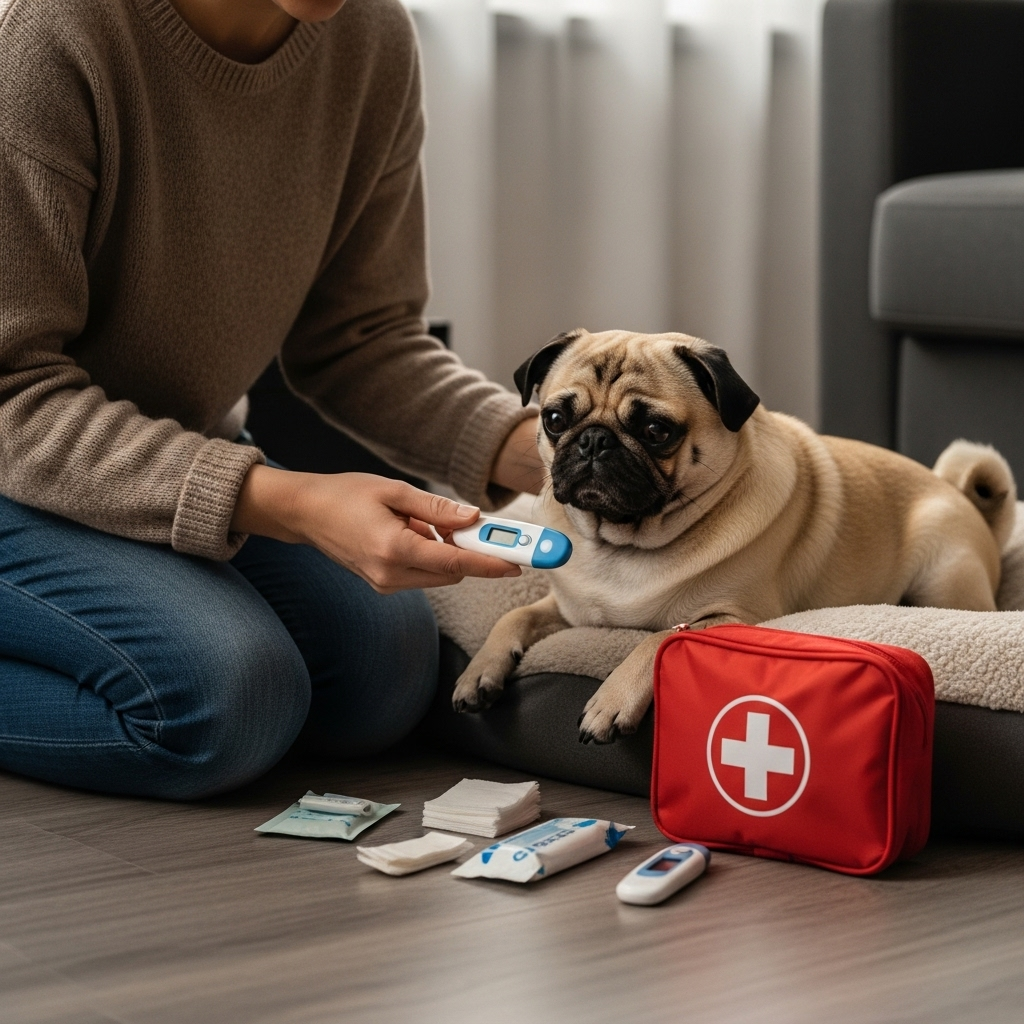
Health checks are another important part of everyday care. Owners should develop a habit of observing their pug in detail. Notice how they walk, breathe, sleep, and interact. Concern may arise if movement changes or posture lowers. Check ears for redness or foul smell. Inspect paws and nails for discomfort. Look at the eyes. Pugs are famous for their large eyes, which can be injured easily through scratches, dryness, or infections. Early detection helps solve problems before they grow serious.
Regular vet visits are necessary. Veterinary exams confirm weight status, dental condition, heart performance, and vaccination needs. Expert advice informs preventive care planning and decision-making.Planning preventive care and making decisions are guided by expert advice. Dental care also plays a central role. Pugs often develop plaque buildup because their teeth sit close together. Simple brushing routines, along with dental treats recommended by vets, can lower the risk of gum disease and pain.
Speaking of pain, pugs sometimes hide discomfort. They may wag their tail or try to play even when something hurts. Owners who know their pug’s normal behavior are able to notice subtle changes. A pug who sleeps longer than usual or avoids stairs might be signaling joint issues. A pug who resists touch might be dealing with muscle strain or dental pain.
Hydration also deserves attention. Because pugs breathe through an open mouth more often than long-nosed dogs, they lose more moisture. Plenty of water stations around the home and on walks reduce dehydration risk. Bowl cleanliness matters too. Dirty bowls can cause mouth irritation or bacterial growth.
Comfort in daily living plays a role as well. The right dog bed supports joints and spine. Warm sleeping areas lower stress on breathing. Harness walking is usually safer than collar walking because collars put pressure on the neck and throat. A harness gives better control and reduces injury risk.
Socialization is another part of complete care. Pugs enjoy human company and typically love being around other friendly dogs. Controlled social experiences build confidence and reduce fear-based reactions. Meeting new people, exploring new places, and learning how to handle sounds and movement help shape a balanced personality.
Owning a pug also involves emotional connection. They need affection, time, and reassurance. They thrive in homes where owners sit with them, talk to them, and include them in everyday activities. Their loyalty grows when they feel understood and valued.
All of these care elements come together to show that caring for a pug is not a single act but a collection of choices made every day. A dog thrives when its owners focus on the quality of its food, breathing comfort, wrinkle hygiene, physical routine, mental stimulation, and social and emotional well-being. A pug cared for in this way does not simply look cute on the outside. They glow with confidence, move with ease, and share a deeper bond with their family.
With the right care, your pug will not only look adorable. They will have the energy to run, the comfort to rest, and the joy to express their personality for many years to come. The effort you put in now builds a foundation for a long, healthy life filled with companionship, laughs, and genuine love.
Adult pugs usually do well with two meals a day. Puppies need three meals until they grow older. The exact portion depends on weight, age, and activity level.
The best dog food is high-quality, well-balanced, and high in protein. Small breed formulas help with digestion and energy needs.
Short daily walks and calm play sessions are enough. Avoid long runs and heavy activity during heat or humidity because pugs can overheat quickly.
Their flat facial structure naturally limits airflow. This makes them more sensitive to heat, stress, and overexertion, so their breathing needs supervision.
Yes. They make excellent apartment dogs because of their size and peaceful lifestyle. They still need regular activity and human interaction to stay happy.
Wrinkles should be cleaned daily or several times a week. Keeping skin dry and clean prevents irritation and infection.
Yes. Pugs shed all year. Brushing once or twice a week removes loose fur and supports coat health.
Keep outdoor time short and offer plenty of water. Walk during cool hours and avoid intense exercise to prevent overheating.
They need brushing, nail trims, occasional baths, and wrinkle cleaning. Gentle shampoos and sensitive skin products are best.
They understand commands well but can be stubborn. Positive reinforcement helps build trust and progress.
Monitor portions, reduce treats, keep exercise steady, and check weight changes regularly to avoid obesity.
Most pugs are gentle and playful. They enjoy family environments, but supervision is always recommended with small children.
Their large exposed eyes are prone to dryness and scratches. Regular checks and gentle cleaning help protect them.
Many pugs slow down around age six or seven. Diet, exercise, and medical care influence how quickly this change appears.
With good care, most pugs live 12 to 15 years. Some live longer when their health is monitored closely.
Most pugs are moderate barkers. They express themselves through snorts, snoring, and playful sounds instead of loud barking.
If the climate is warm, cool spaces help them breathe easier and stay comfortable while sleeping.