❝A dog has one aim in life… to bestow his heart.” ― J. R. Ackerley❞
❝A dog has one aim in life… to bestow his heart.” ― J. R. Ackerley❞
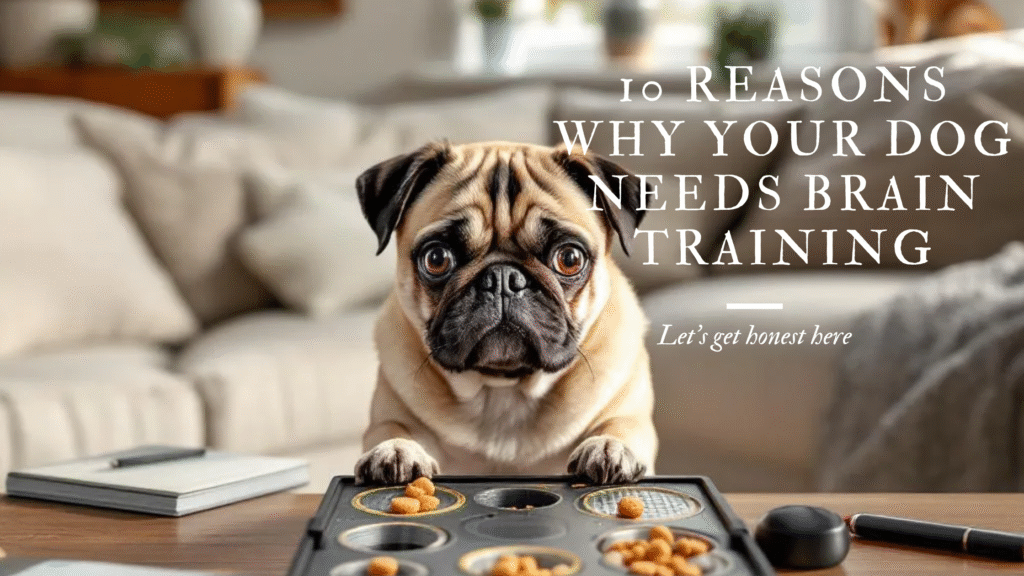
Pug Brain Training– Let’s get honest here. Your dog is more than a cuddle buddy or a furry vacuum for kitchen crumbs. That sweet, wagging fluffball of yours has a rich inner world, a heart that beats with excitement, and a mind that’s craving to be challenged.
We all know to walk our dogs and keep them fed. But what about their brain? What about their emotions? Their curiosity? Their quiet yearning for something more?
Introducing brain training, a not-so-secret tool for happier, more relaxed, and more sociable dogs. Here’s why it matters more than you think.
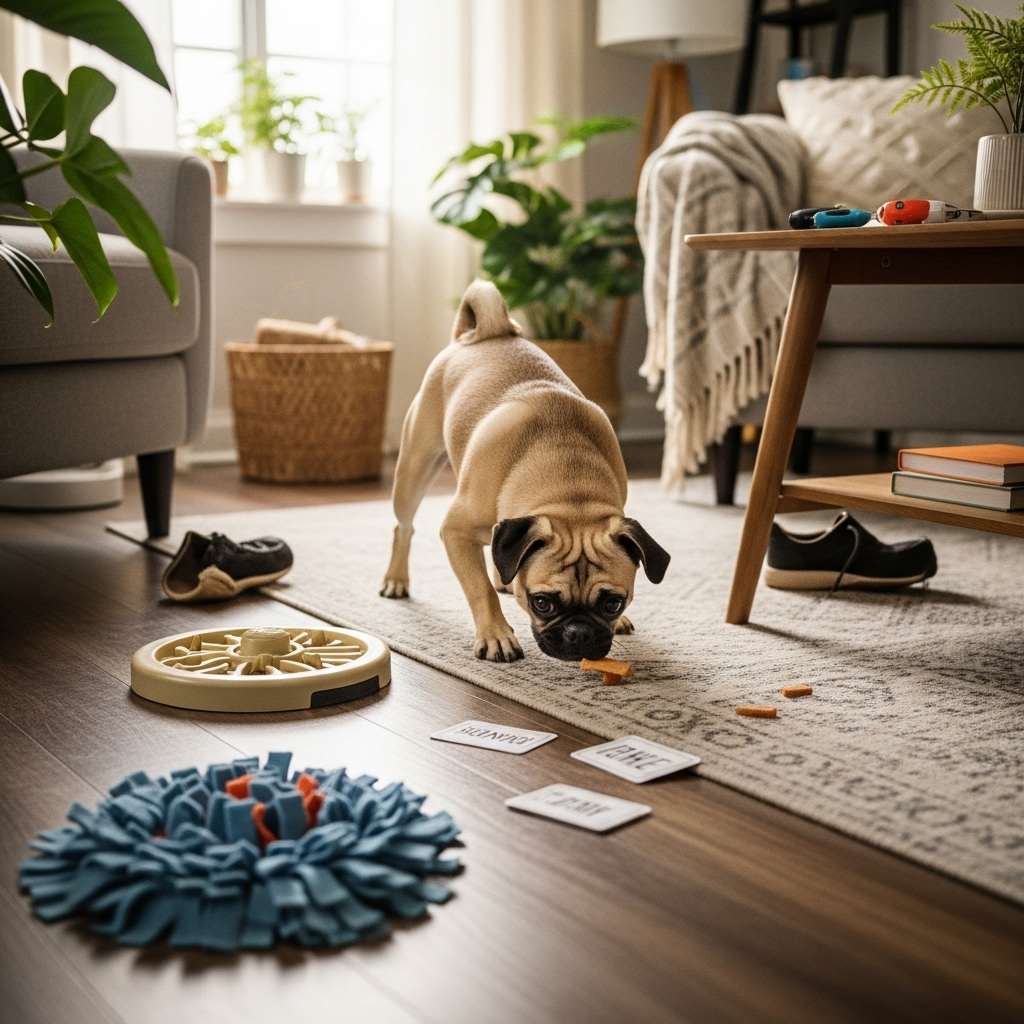
How to bond with your dog? Bored dogs get destructive. Period.
When your pup is left with nothing to do but stare at the same walls and chew the same toy, it’s not long before they start finding “fun” in the wrong places. Your shoes. Your favorite pillow. That suspicious hole in the backyard.
But brain training? It lights a fire in their spirit. It gives them a task. A purpose. A mission.
Even something simple like hiding a few treats around the house or teaching them the “find it” game can turn a dull day into a mental adventure. When they solve a puzzle, do their eyes sparkle? That’s satisfaction. That’s mental peace.
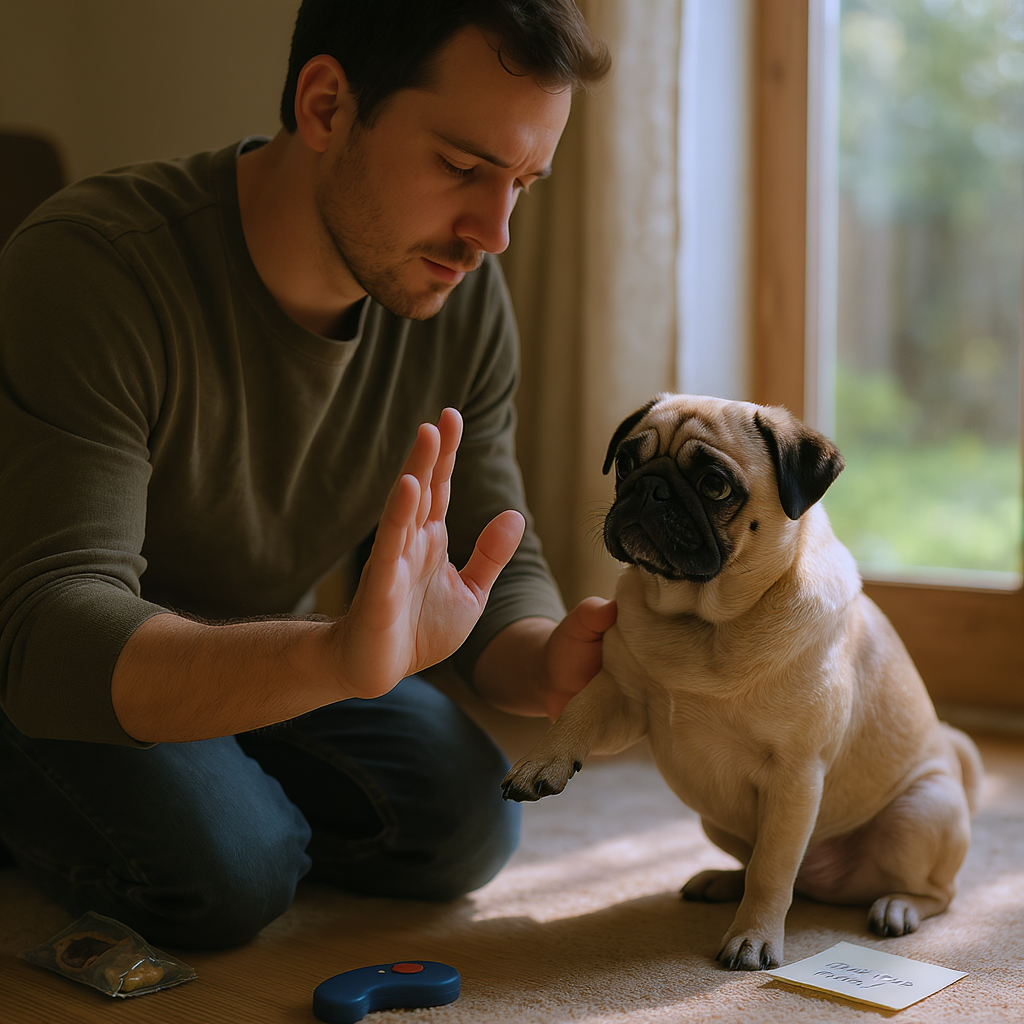
There’s something almost magical that happens during a training session.
Your dog watches you. Listens to you. Tries to understand you.
And you’re not merely celebrating a trick when you encourage them when they “get it” at last. You’re celebrating your connection. That sacred thread between human and dog that grows stronger with every “sit,” “stay,” and “good job.”
Brain training isn’t just about control. It’s about love expressed through communication.
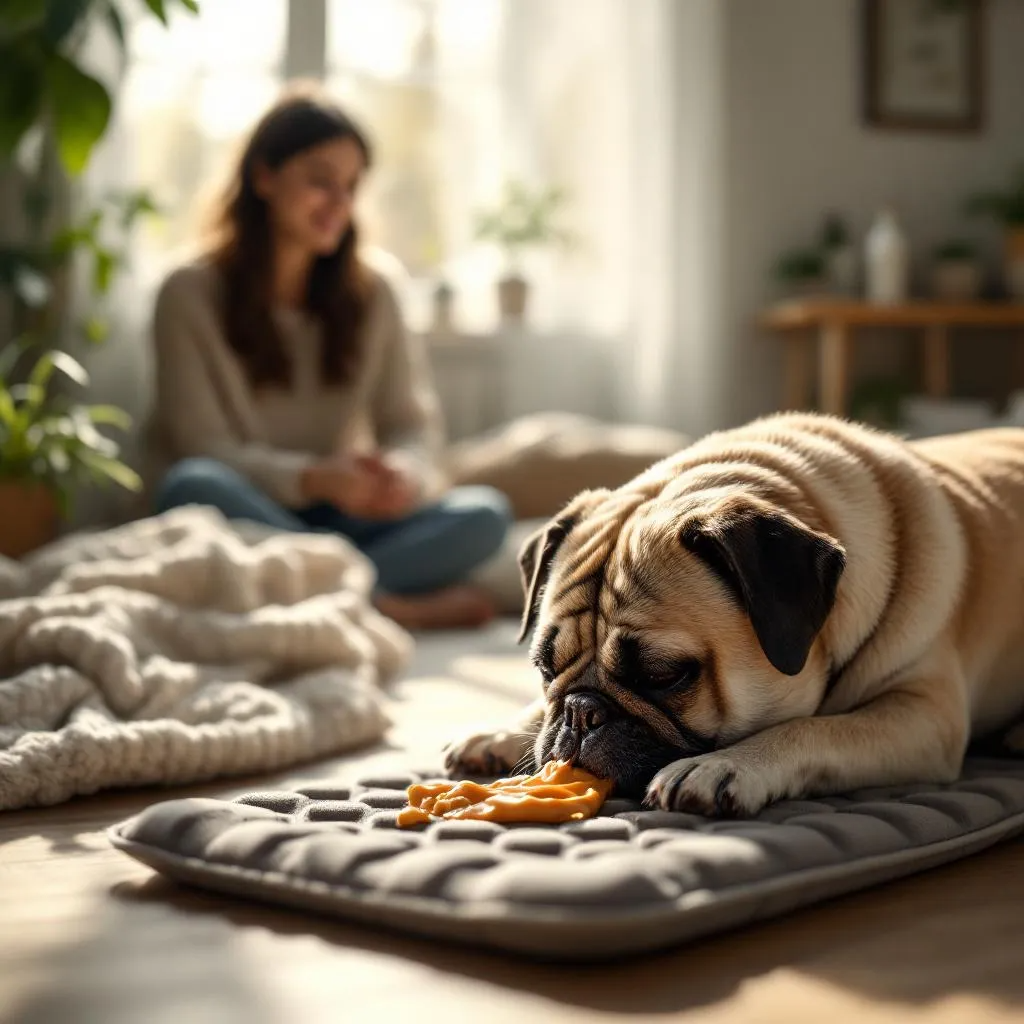
Training for anxious dogs: If your dog is anxious, reactive, or prone to bursts of chaos, chances are they’re not just “bad” or “too much.” They’re overwhelmed. Stressed. Lost in their own mental noise.
Brain games help redirect that energy into something focused and positive.
You’re providing their mind with a safe and fulfilling activity in addition to simply wearing them out. Whether it’s licking peanut butter from a puzzle mat or learning to touch a target with their nose, you’re offering them emotional relief wrapped in activity.
It’s therapy disguised as play.
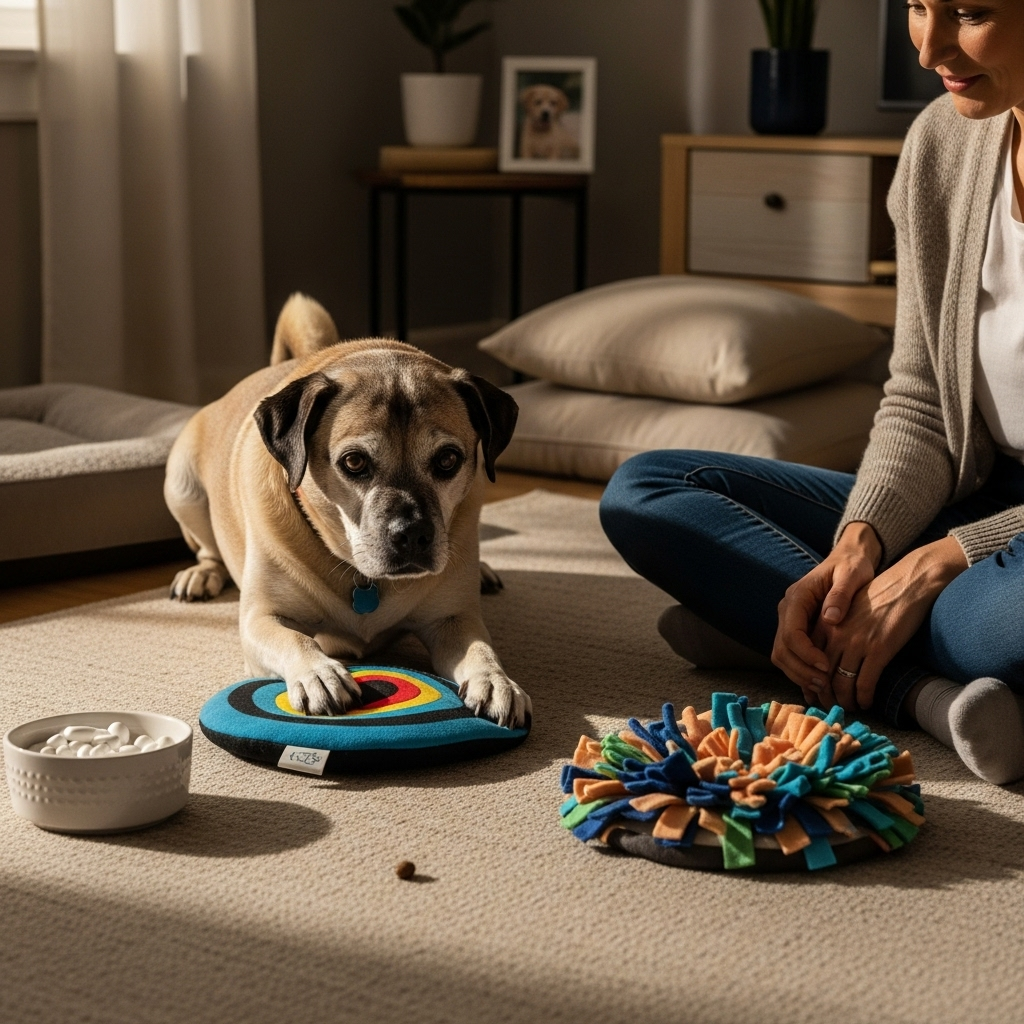
Improve dog behavior: As they get older, dogs may experience mental decline similar to that of humans, including confusion, restlessness, and even memory loss.
But here’s the good news: brain training acts like mental yoga for your dog’s mind. It keeps them sharp. It keeps them engaged. And it slows the clock just a bit.
Imagine your dog, even at ten or twelve years old, still lighting up when you bring out a new game or teach a fresh command. That kind of alertness? It’s a sign of a well-exercised brain.
Start young. Keep it going. Grow old together, sharp and intelligent.
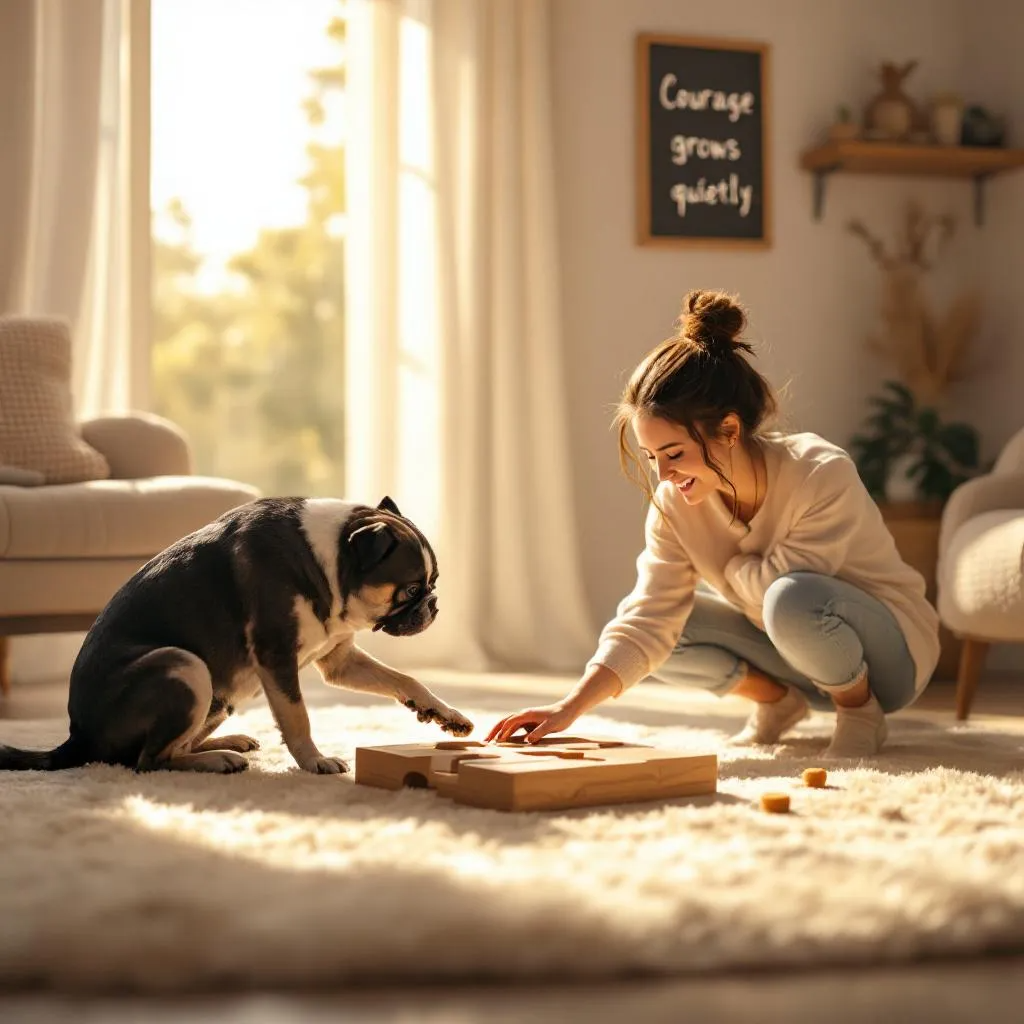
Do you ever see a timid pup shrink back from new things? Loud noises. Strangers. Other dogs. Even shadows.
Safe wins are what they need, not tough love. Improve dog mental exercise.
Brain training creates small, doable challenges that help build real confidence. Every time your dog completes a game, solves a puzzle, or hears your joyful “Yes!” they feel more courageous.
One puzzle at a time, you’re rewiring their mindset from “I can’t” to “I did.”
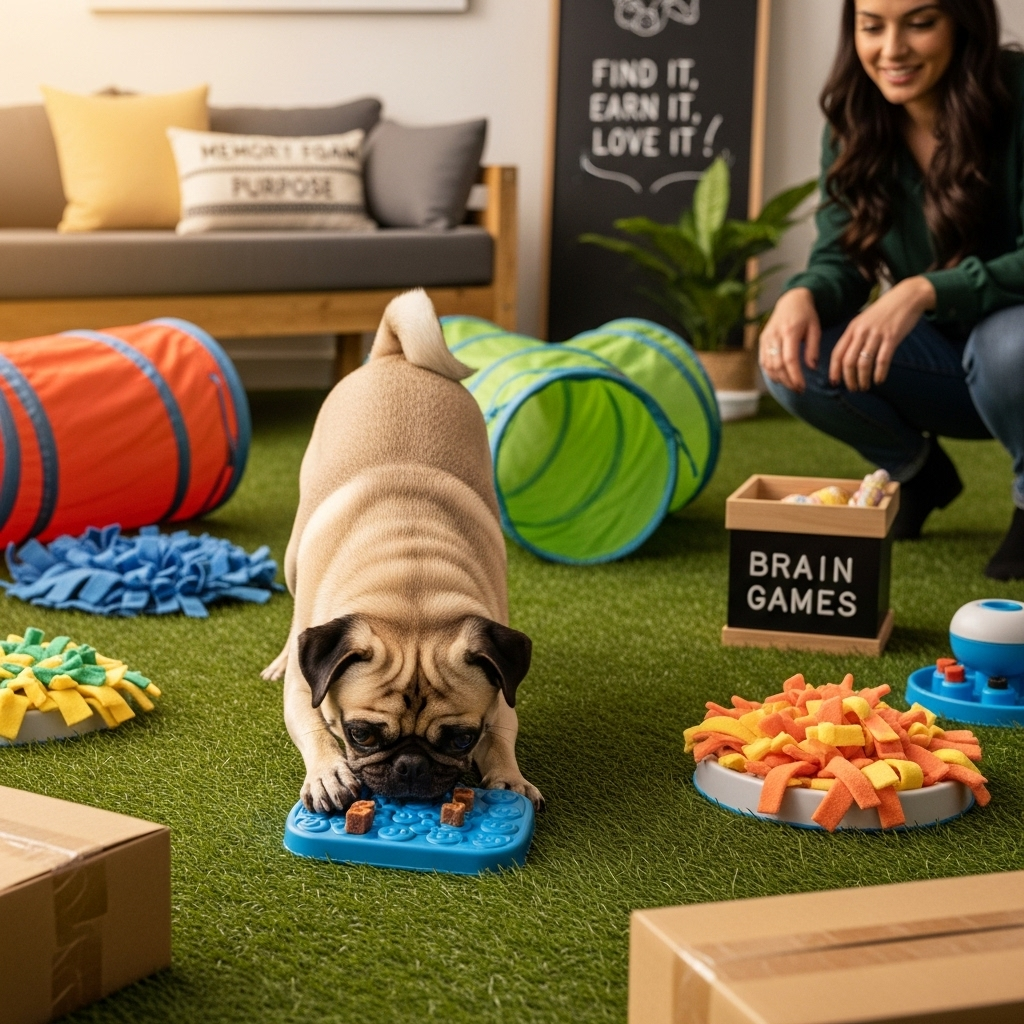
Interactive dog training brain games for pugs, Dogs were born to problem-solve. To sniff, search, work, herd, retrieve, track, and protect.
That DNA doesn’t just disappear because they now sleep on orthopedic memory foam beds.
They can exercise those instincts in safe, enjoyable, and contemporary ways thanks to brain training. With scent games, agility tunnels, fetch variations, and treat puzzles, you’re not just having fun; you’re helping them rediscover their true selves.
In addition to being happier, a dog with mental enrichment feels valued and acknowledged.
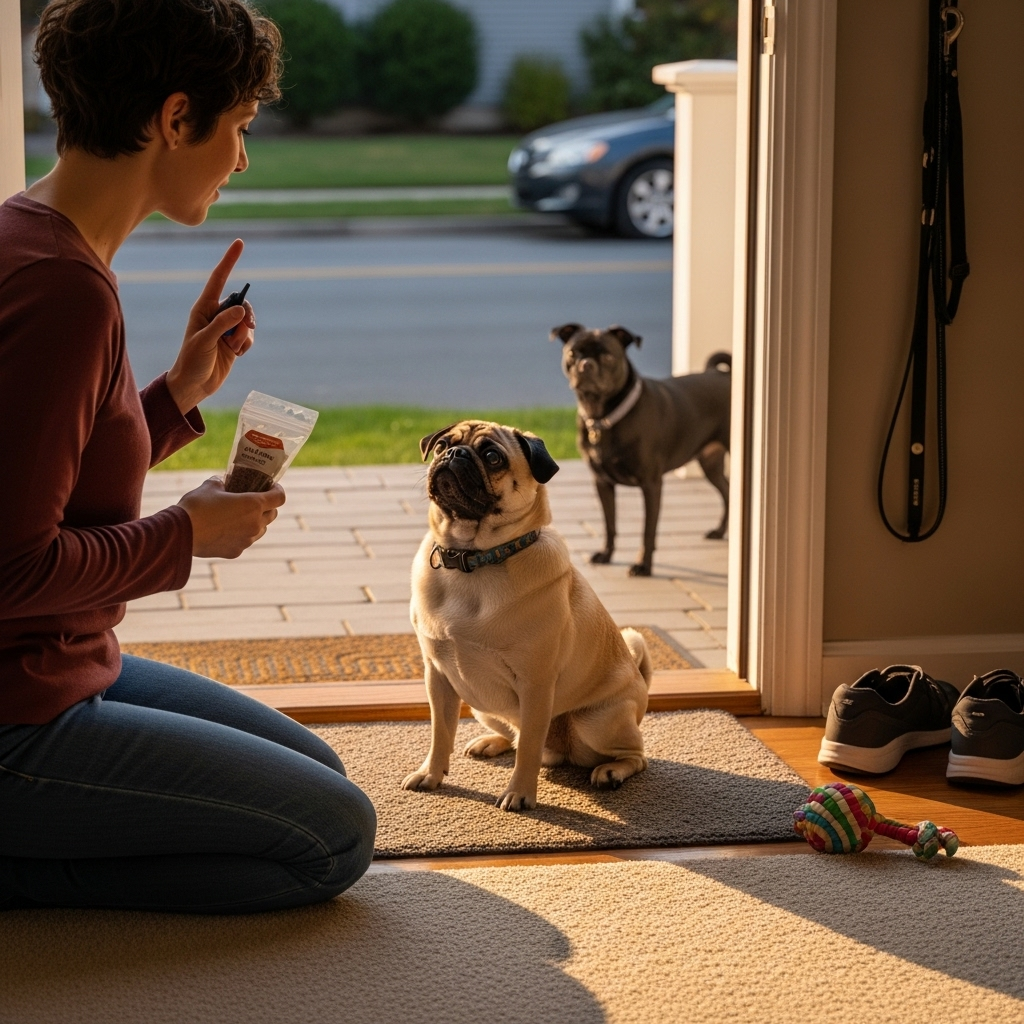
Brain games for dogs, Imagine your dog actually pausing before jumping up on a guest. Or staying calm while you walk past another dog on the street.
Brain training teaches them how to concentrate in a world full of distractions; it’s more than just mental acrobatics.
Training their mind to stay engaged, to think before acting, transforms how they behave in real-life situations. They become calmer, more responsive, and way more enjoyable to be around.
You’re not just teaching tricks. You’re building emotional regulation.
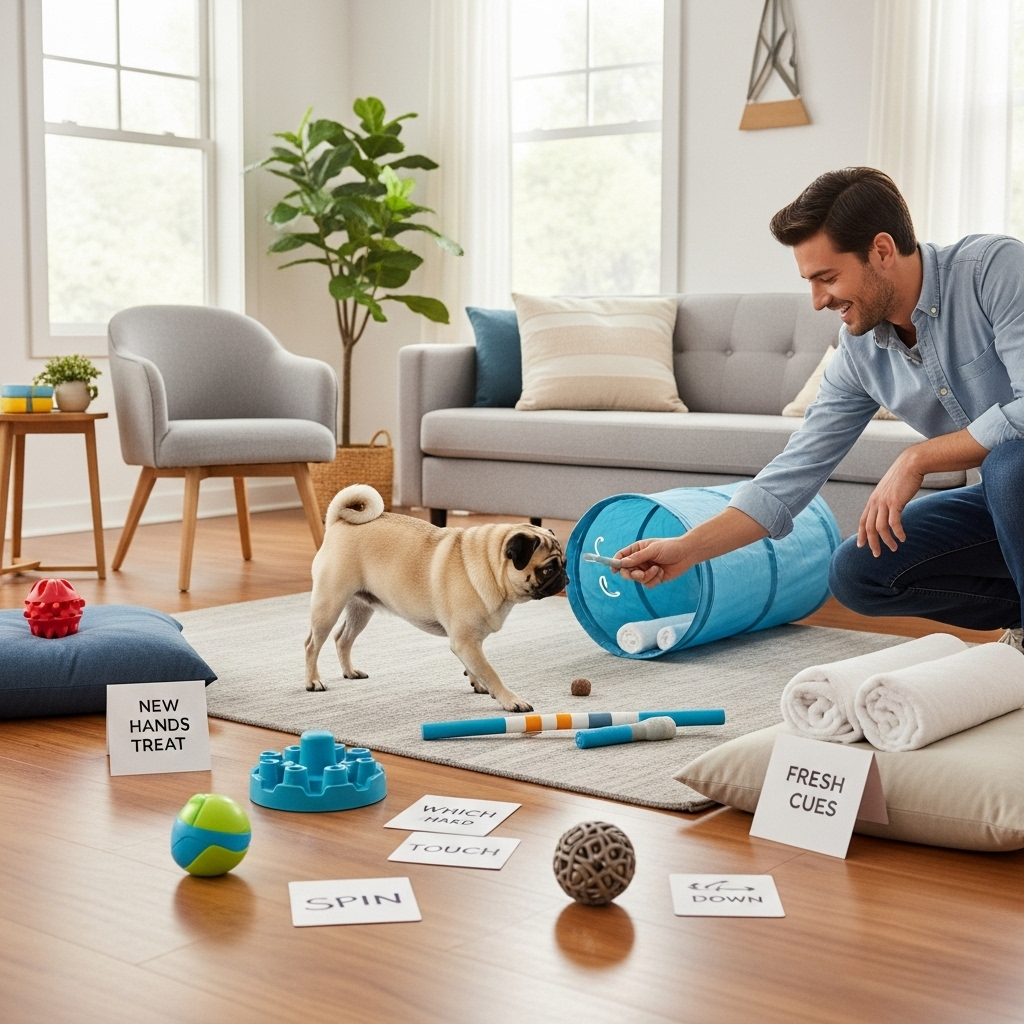
Mental stimulation for dogs, Even the most spoiled dogs get bored of fetch. Walking the same route every day is wonderful, but it can get a bit monotonous.
Brain training is where novelty meets meaning. It gives your dog a fresh mental landscape to explore without leaving your house.
Try teaching a new cue. Try a “which hand has the treat” game. Create a DIY obstacle course with pillows and chairs.
Small changes = big excitement. That tail-wagging energy? That’s gratitude for something new.
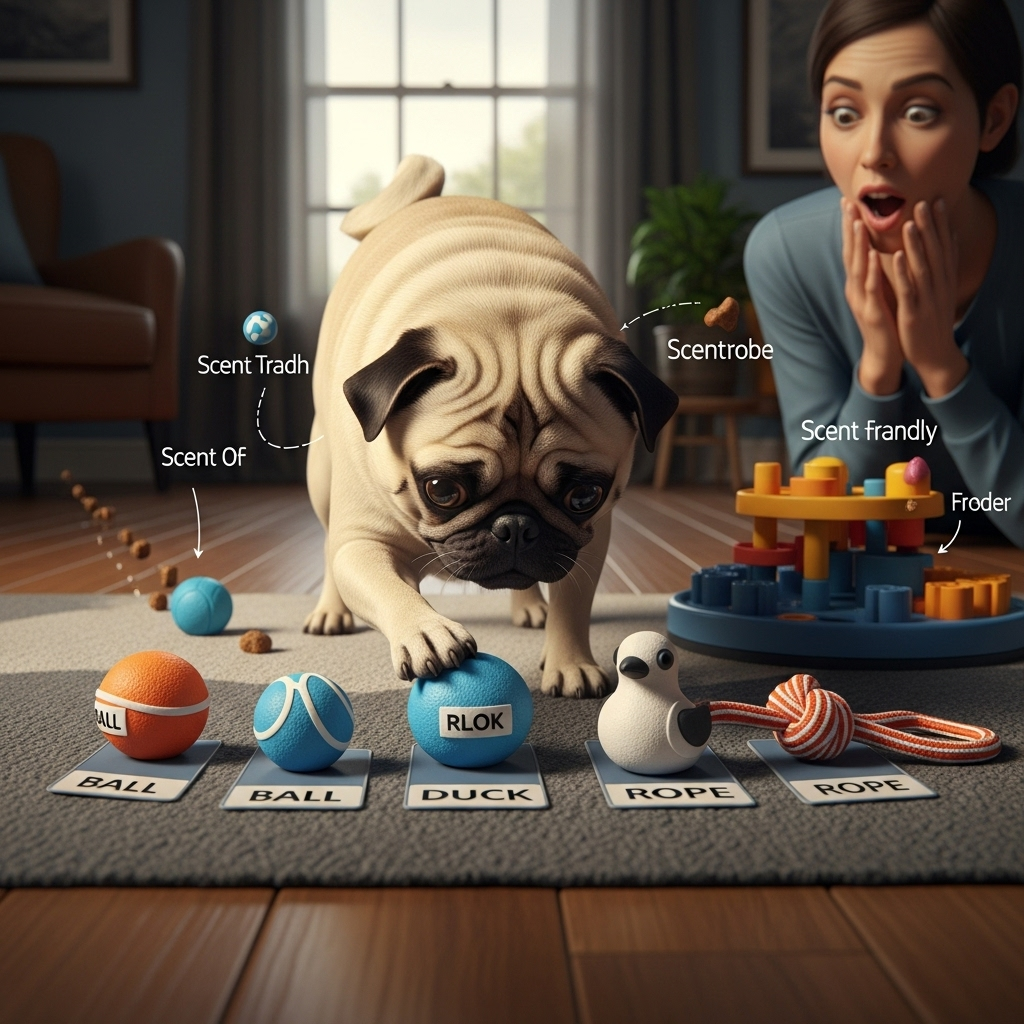
Your dog might be secretly brilliant. Like, Mensa-level genius in disguise.
You just haven’t given them the chance to show it.
Maybe they can memorize toy names. Maybe they have insane scent-tracking skills. Maybe they’re a problem-solving savant who could teach AI a thing or two.
You won’t know until you let them try.
Pug brain training allows them to surprise both themselves and you.
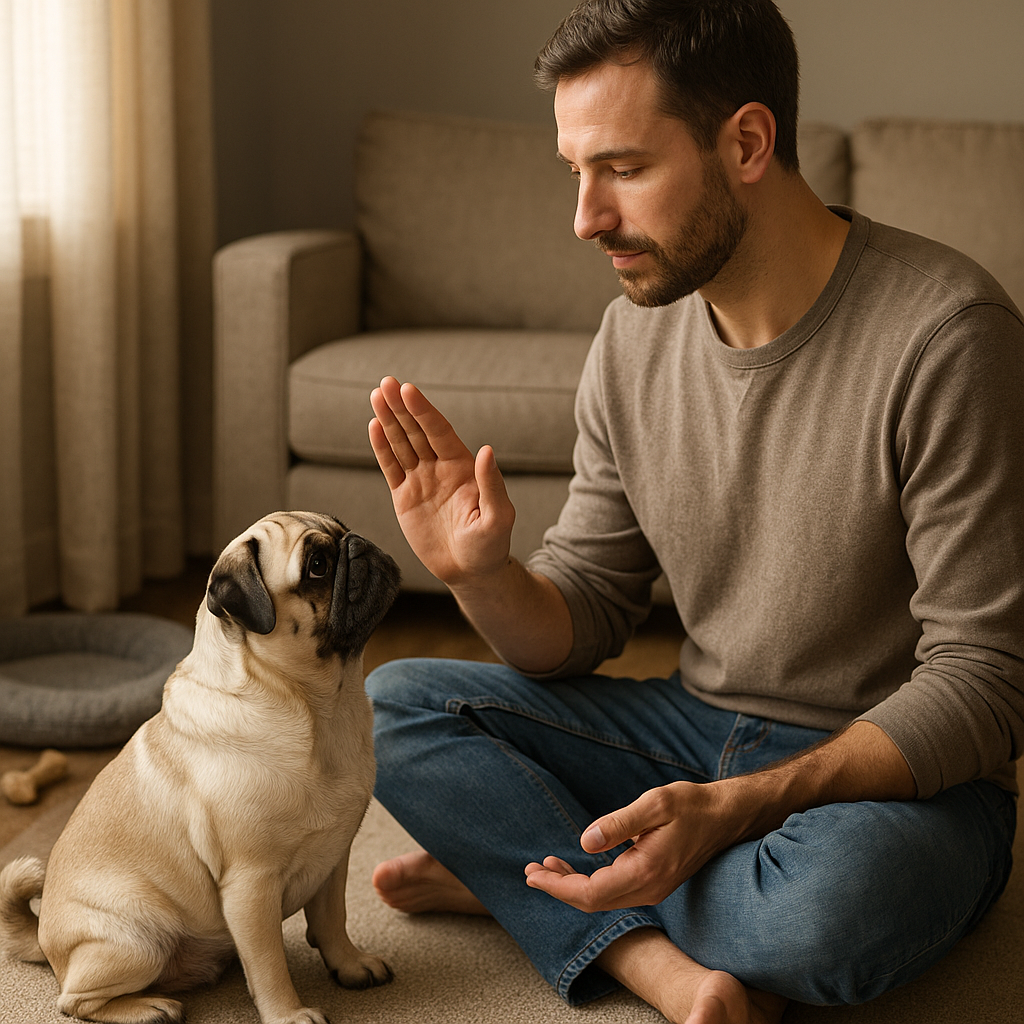
Dog brain training, Dogs thrive when they feel safe, guided, and understood. They desire clarity rather than chaos.
When you train their brain, you become the calm presence they trust. The consistent teacher. The safe anchor in a noisy world.
It’s not about being dominant or strict. It’s about leading with confidence, patience, and presence.
You’re teaching them how to coexist peacefully with themselves, other people, and you.
Your dog isn’t just a pet. They follow you around from room to room, are your soulmate, and are a companion.
And their mind? It’s a garden waiting to be tended.
Don’t let that garden wilt from boredom or neglect. Water it with curiosity. Nurture it with puzzles, games, and love-fueled challenges.
Because when we engage their brains, we’re not just keeping them entertained.
We’re showing them they matter.
That their thoughts matter.
That they matter.
Giving your dog the full, rich life they deserve includes brain training, so it’s not a luxury.
Start today. Start small. Start with love. Visit more
The primary objective of pug brain training is to keep your pet’s mind engaged and active. It uses simple games, puzzles, and mental exercises to help your pug focus better and feel more fulfilled.
Pugs are smart and curious, even though they can be lazy at times. Mental stimulation can prevent boredom, which often leads to obstinate behavior, anxiety, or mischief around the house.
When your pug’s thoughts are constructively occupied, they become more relaxed and attentive. When your pug’s thoughts are constructively occupied, they become more relaxed and attentive.
Yes, very much. Brain training teaches your pug to think and make decisions rather than reacting emotionally. This often softens stubborn behavior and increases cooperation.
Yes. Brain training is gentle and safe for pug puppies. It develops healthy habits early on, increases self-esteem, and stimulates curiosity.
Absolutely. Mature and older pugs also enjoy mental challenges. Brain training gives them fun and rewarding activities while also keeping their minds active.
It’s enough to spend ten to fifteen minutes a day. Short sessions are easy to incorporate into daily routines and keep your pet from becoming overwhelmed.
Activities that encourage your pug to think and explore include puzzle toys, scent games, problem-solving exercises, and interactive training exercises.
Yes. Mental stimulation gives your pug a sense of purpose. This often reduces boredom, restlessness, and mild anxiety.
Yes. A mentally active pug picks things up faster and responds better. Brain training helps with basic commands for obedience and improves focus.
No. The best results from brain training come from regular play and walks. It takes both mental and physical exercise to keep a pug happy and healthy.
No. Many brain-training exercises use everyday objects, candies, or simple puzzle toys. need anything costly.
Yes. By employing positive reinforcement, brain training encourages learning through enjoyment as opposed to coercion or punishment.
Many pug owners report improvements in their pets’ ability to focus and behave calmly within a few weeks. Consistency brings lasting change.
Yes. Collaborative training promotes trust, connection, and communication. Many owners report a closer relationship with their pug as training becomes a routine part of life.