❝A dog has one aim in life… to bestow his heart.” ― J. R. Ackerley❞
❝A dog has one aim in life… to bestow his heart.” ― J. R. Ackerley❞
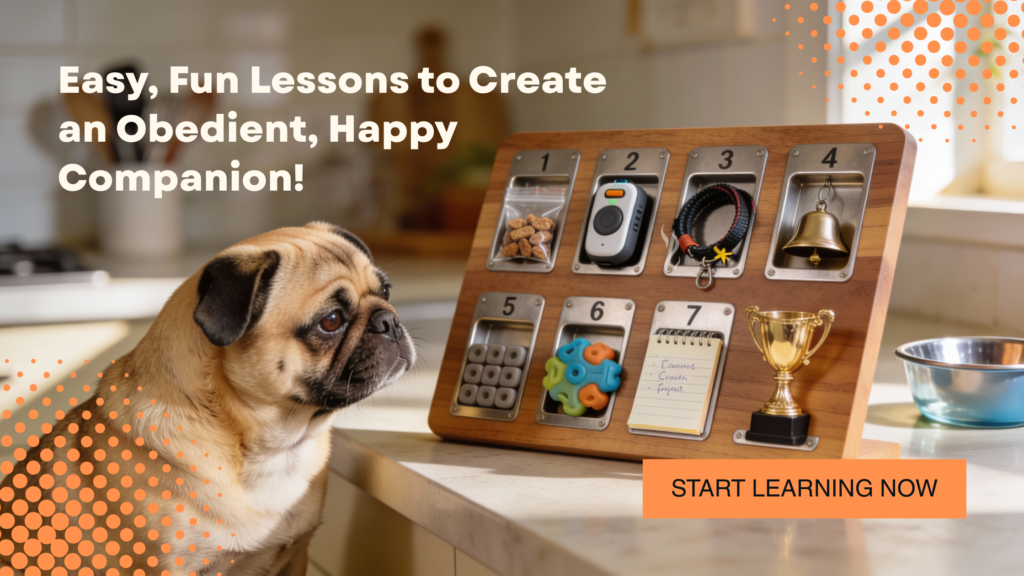
It’s thrilling, endearing, and yes, occasionally a little messy to welcome a pug into your home. Training is the cornerstone of a joyful, secure, and stress-free life together, regardless of whether you are welcoming an energetic, playful puppy or an older dog who never learned the fundamentals.
Teaching commands is only one aspect of training. It improves communication, helps stop troublesome behaviors, and fortifies your relationship with your pug. Particularly in busy homes, a well-trained pug is much more enjoyable to live with, easier to handle, and more self-assured.
The good news is that training doesn’t have to be burdensome or rigid. This program does not resemble boot camp. There is no pressure to be flawless, no punishment, and no shouting. Even if you have never trained a dog before, this 7-day pug training program is made to be practical, adaptable, and beginner-friendly.
You don’t need costly professional trainers or hours of free time. You can begin teaching your pug important skills like focus, calm behavior, basic obedience, and good manners with just 15 to 20 minutes per day, divided into brief, enjoyable sessions. Experience is not nearly as important as consistency, patience, and a pocket full of delicious treats.
When trained properly, pugs make excellent students because they are loving, food-motivated, and eager to please. This strategy makes learning fun and stress-free for both of you by using positive reinforcement. Every day builds on the one before it, assisting your pug in making steady progress without becoming frustrated.
By the end of this seven-day program, your dog’s behavior will have improved, and you’ll feel more assured as a dog owner. Training becomes more about pointing your dog in the direction of wise decisions rather than fixing errors.
Let’s get started and transform daily training into a straightforward routine that produces a peaceful, submissive, and joyful companion you can enjoy for many years to come.
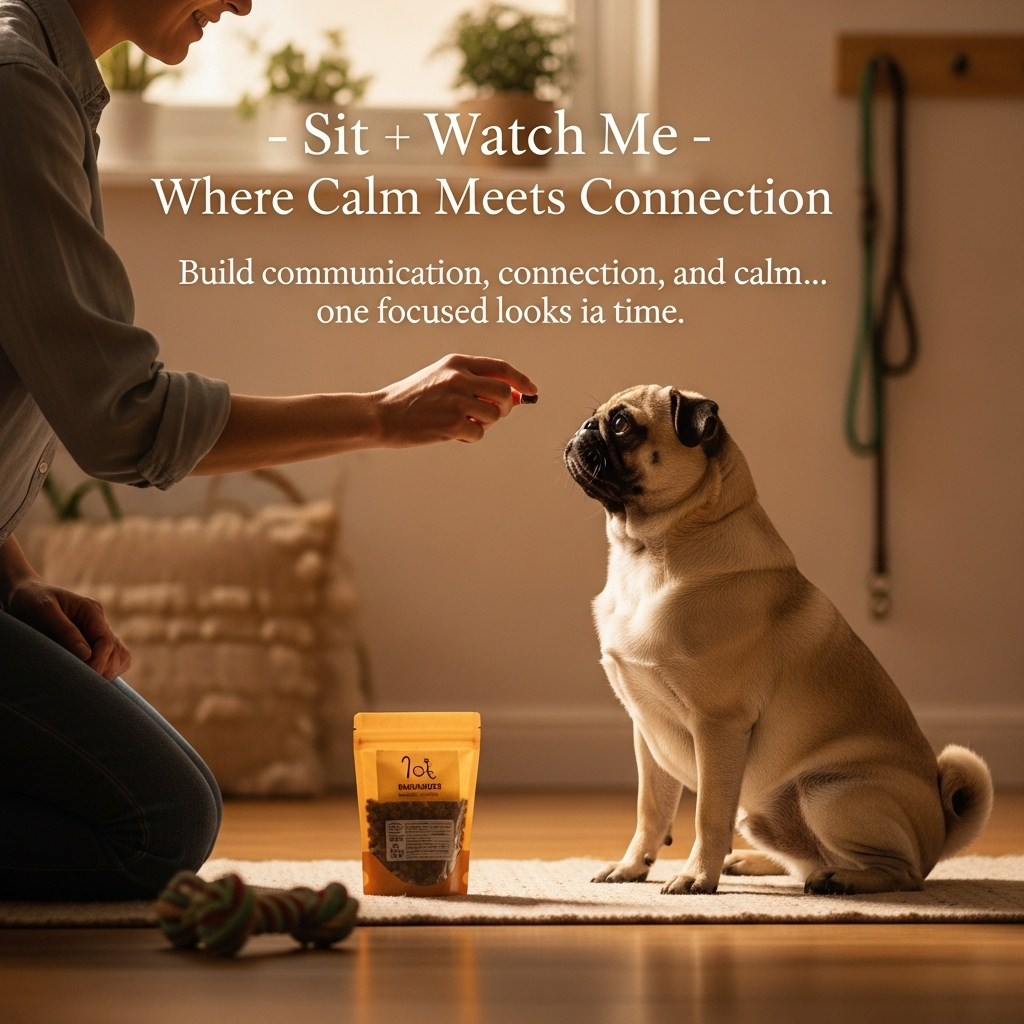
Goal: Weekly dog training routine, Build communication, connection, and calm.
Why “Sit” is your bestie:
Daily dog training guide, This command is like your “pause” button. It helps prevent jumping, bolting, and general chaos. Before dinner? Sit. At the door? Sit. Are you waiting to cross the road? What did you guess? Sit. It’s the first step in teaching your dog impulse control.
Why “Watch Me” changes the game:
Making eye contact is crucial to getting your dog to check in with you rather than obsessively focusing on the neighbor’s cat or the strange odor coming from beneath the couch. It builds focus and makes everything easier from here.
How to teach it:
Hold a treat near your dog’s nose.
Say “Sit” and give them a reward after slowly raising it above their head until their butt touches the ground.
For “Watch Me,” hold a treat near your eyes, say “Watch Me,” and reward the instant your dog makes eye contact.
Pro tip: Train when they’re a little hungry. Dogs work harder when their stomach is rumbling a bit.
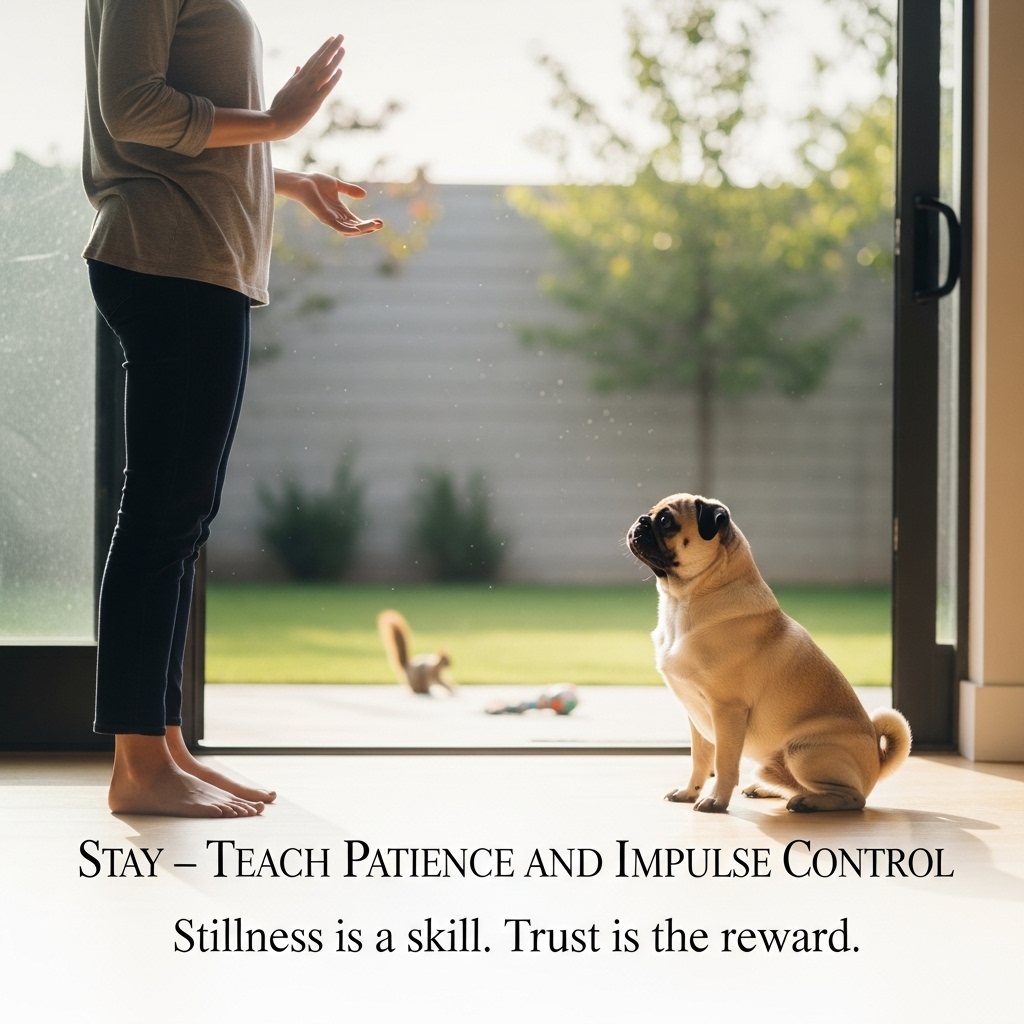
Goal: Puppy training plan, teach patience and impulse control.
“Stay” is what separates control from chaos. It keeps your dog from chasing a squirrel into the street, running into an open door, or tripping over your grandmother.
How to teach it:
Put your dog in a sit to begin.
Say “Stay” while raising your hand. Say “Stay” while raising your hand.
Step back a step. If they stay still, take a step back and reward them.
Gradually build time and distance.
Keep the energy calm. If they break the stay, don’t rush; just reset and try again.
Expert advice: Always say “Okay” or “Free” when you release them. They learn from that that you determine the end of their stay, not them.
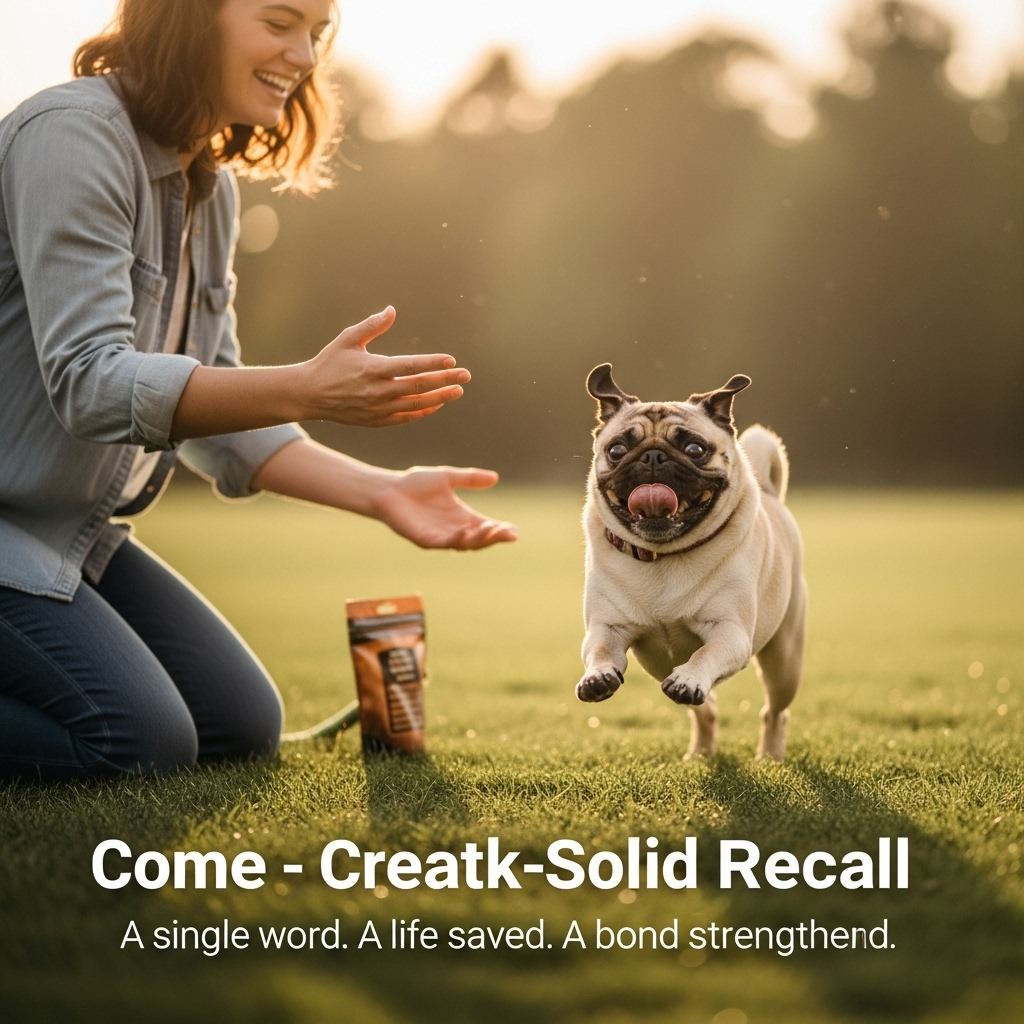
Goal: Train your pug in a week, Create a rock-solid recall (a life-saving skill).
This is the most important command your dog will ever learn. “Come” can save lives whether they’re ignoring you at the park, heading toward traffic, or another dog.
How to teach it:
Say “Come” in a joyful voice, get down low, and spread your arms wide.
Reward them like it’s a party when they approach you.
“Come” should never be used for something they detest, such as bath time. You want this command to always feel good.
Pro tip: Make it a game. Hide in the house and call them. Reward them when they find you. Use the chase; dogs love it.
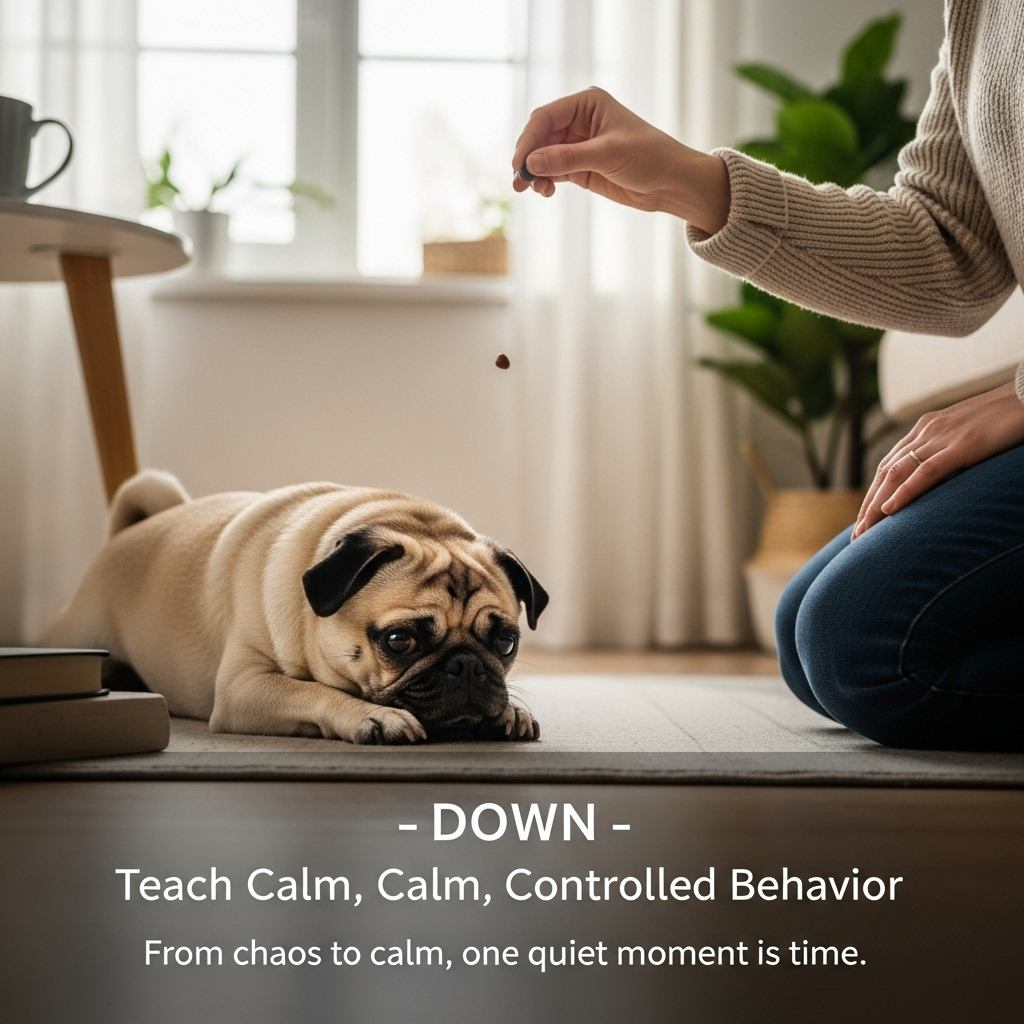
Goal: Basic pug training schedule, Teach calm, controlled behavior.
“Down” helps your dog relax, both physically and mentally. It works well for overstimulation, social situations, or simply teaching etiquette at home.
How to teach it:
Start from a “Sit.”
Move a treat from their nose down to the floor, slowly pulling it forward like a lure.
When elbows hit the ground, say “Down” and reward.
Don’t push them down; patience is the key. Let them figure it out with gentle encouragement.
Pro tip: Once they’re lying down, reward them for staying there. You’re creating relaxed vibes in addition to teaching.
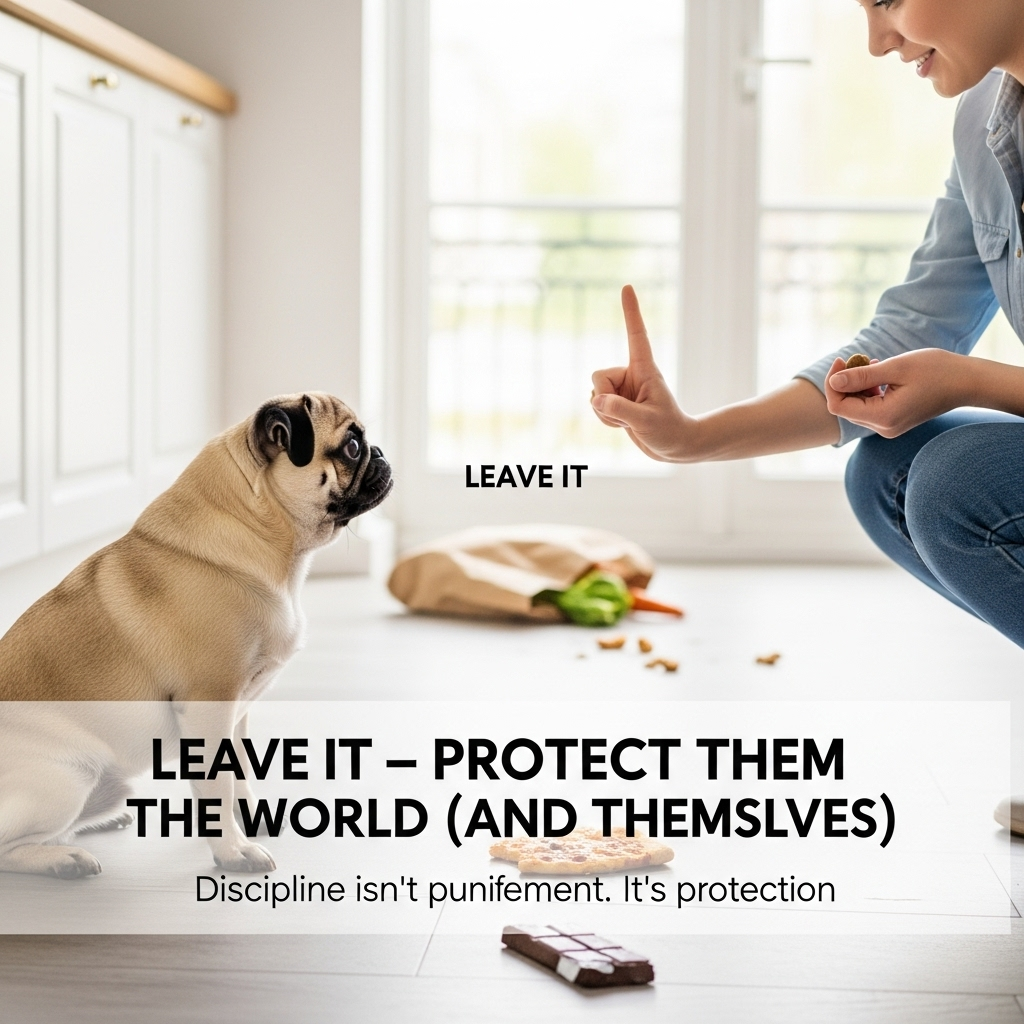
Goal: Dog obedience training, prevent eating or touching dangerous stuff.
Whether it’s your favorite shoes, a chocolate bar, or trash on the sidewalk, saying “leave it” can literally save your life.
How to teach it:
Clench your fist while holding a treat in one hand.
“Leave it” once the closed hand has been shown.
Reward with the other hand after your dog has backed off.
Don’t ever give them the “leave it” option. That’s cheating.
Expert recommendation: Use this every day. Before picking up food that has fallen, leave it. Leave it before approaching another dog. It builds serious respect and focus.
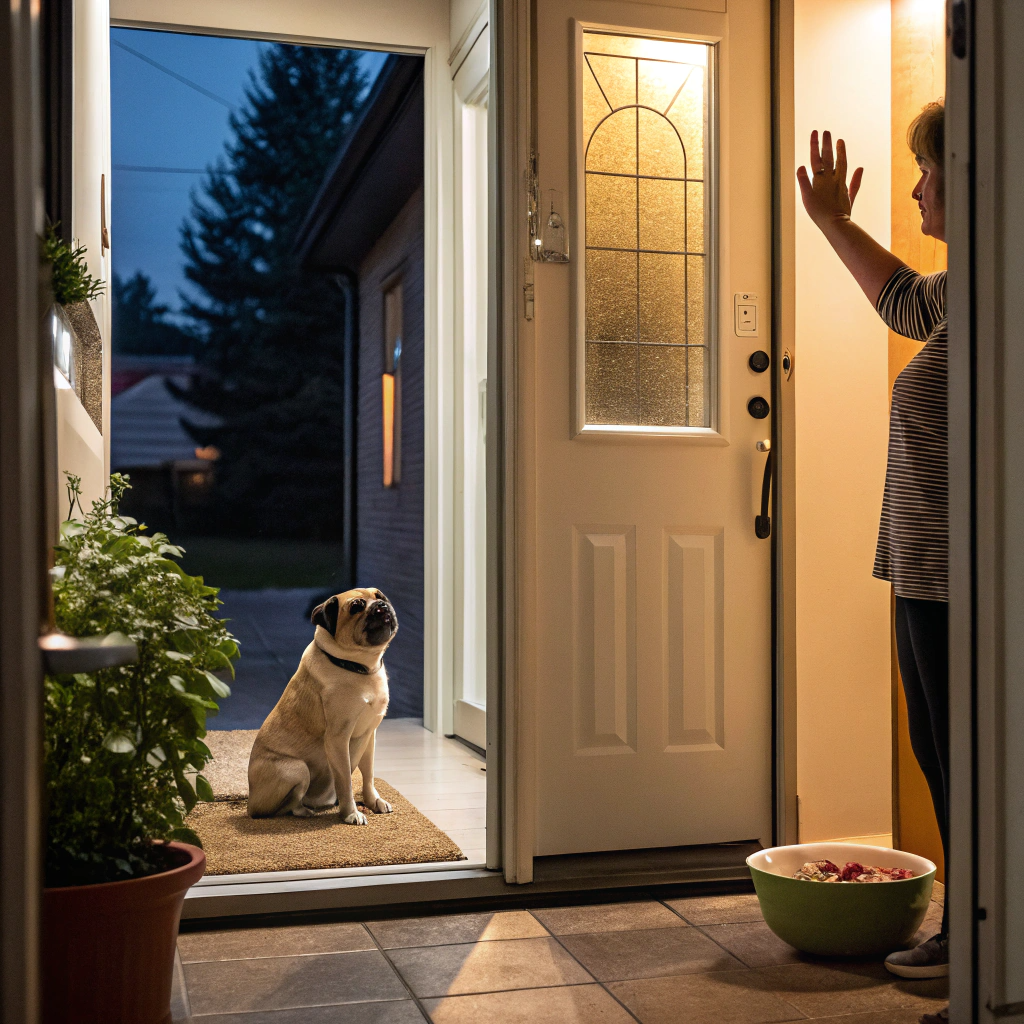
Goal: Simple pug commands, set boundaries (without being a buzzkill).
It will teach your dog to “wait” before acting, like running out the door or gorging on food.
“Off” refers to when they’re jumping on visitors, on the couch, or in your lap. “Off” refers to when they’re jumping on visitors, on the couch, or in your lap.
How to teach “Wait”:
Ask your dog to sit at a door or before setting their bowl.
Say “Wait,” then slowly start to lower the bowl or open the door.
Close the door or raise the bowl if they move. Try again.
How to teach “Off”:
Say “Off” quietly and turn away when they leap.
When all four paws are on the ground, give them a reward.
Expert advice: Don’t mix up “off” (get off) and “down” (lie down). Keep the language clear and consistent.
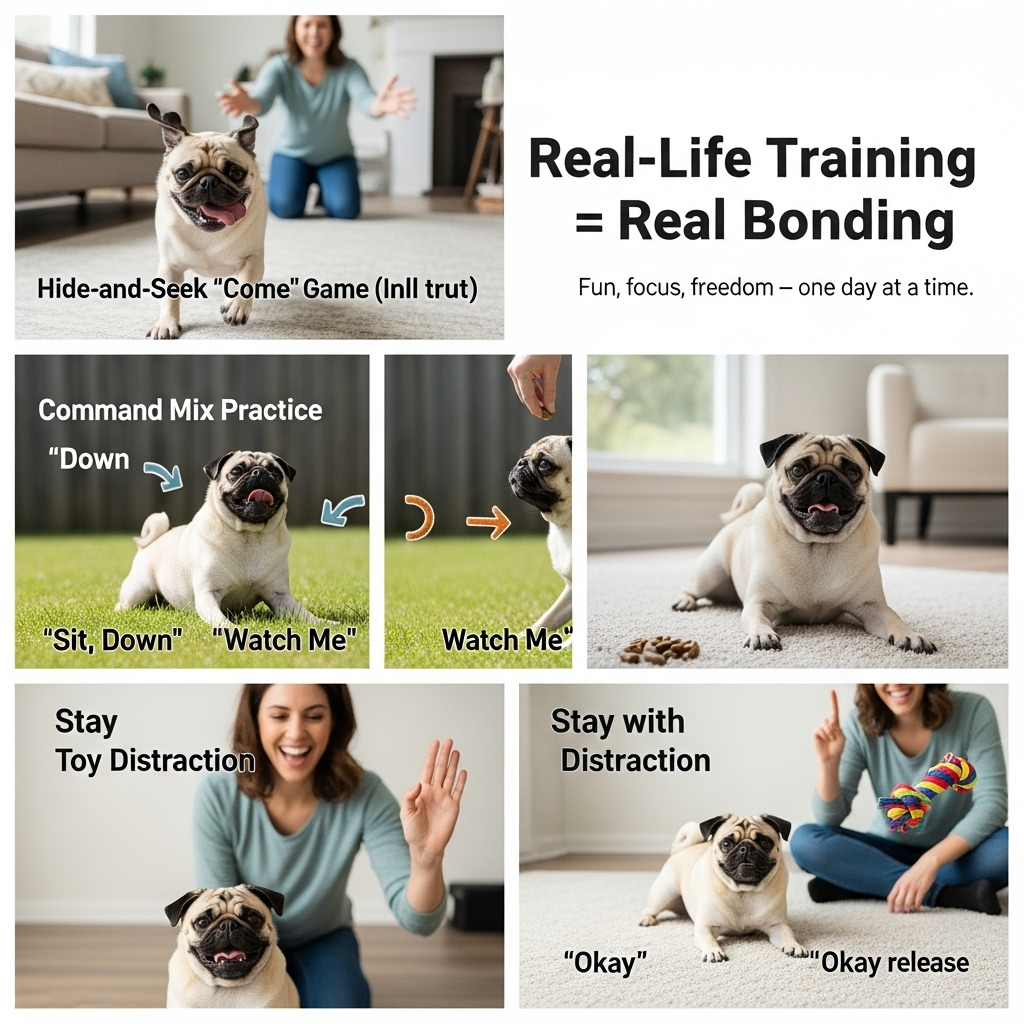
Goal: Pug behavior basic training, reinforce, celebrate, and keep things fun.
How can a dog be trained at home? You made it! It’s time to go back and review everything in an easygoing, lighthearted manner. Mix commands together. Practice in various spaces or even outside. Make it a game!
Ideas for today:
Play a game of hide-and-seek with “Come.”
“Sit,” “Down,” and “Watch Me” are all mixed up.
When tossing a toy, use “Stay,” then let go with “Okay.”
Today’s objectives are to improve your self-esteem and fortify your relationship.
Your dog won’t become a flawlessly programmed robot after just one week, and to be honest, that’s part of the appeal. Creating obedience on command is not the goal of training. It’s about developing mutual understanding, self-assurance, and a common language with your dog. These first seven days lay the groundwork for a companion who is comfortable, engaged, and eager to learn, rather than pressured or confused.
There will be a few noteworthy advancements. a faster reaction to their name. a calmer reaction to unexpected situations. When they understand that you are cooperating rather than competing, a tail wags. Perfect execution is not as important as those moments. Kindness, patience, and consistency will always win out over speed.
Keep in mind that training doesn’t stop after a week, a month, or even a year. It changes as your dog matures, adjusts, and travels with you. Some days will feel effortless. Others will test your patience. Both are typical and important components of the procedure.
So continue to practice. Even on the days when things seem to be moving slowly, keep showing up. Enjoy the little victories, laugh at the goofy times, and maintain your curiosity about your dog as a person. The magic of raising a genuinely amazing dog includes every “sit,” every “stay,” and every silly error.
Learning about healthy eating can have a significant impact if you want to support your training journey even more. regarding Pug Nutrition to make your dog feel their best from the inside out.
A simple, step-by-step guide designed specifically for pug owners who want to rapidly improve their pets’ behavior is the 7-Day Pug Training Plan. With brief, engaging daily lessons, it makes your dog happier, calmer, and more obedient at home.
Yes, most pugs show noticeable improvement within seven days. While training is ongoing, this plan aids in the rapid development of strong habits, enhanced focus, and clearer communication.
Yes, this plan is beginner friendly. Because it is written in plain language and doesn’t require any prior dog training experience, it is ideal for first-time pug owners.
Absolutely. Pug puppies respond well to brief, motivating training sessions. The lessons are designed to help prevent negative behaviors early on and to accommodate their attention span.
Yes. It is possible for even elderly pugs to develop new habits. The plan’s focus on positive reinforcement benefits pets of all ages and personalities.
The duration of each lesson is approximately ten to fifteen minutes. These short sessions maintain your dog’s interest without being overly taxing.
Basic commands like “sit,” “stay,” “come,” and “down,” as well as leash manners and peaceful behaviors that make life easier and more pleasurable, will be taught to your pug.
Pugs are known for their sensitivity, stubbornness, and intense appetite. This approach is based on pug behavior, motivation, and energy levels for improved results.
That is very common with pugs. The method uses high-value rewards, clear cues, and repetition to keep your pug motivated and focused without coercion or annoyance.
Yes. Regular training can help reduce common pug issues like pulling on the leash, jumping, barking, and disobeying commands. Dogs that are structured are generally calmer.
No special equipment is required. You only need a quiet place, treats, and a leash to practice the lessons.
Yes. The plan uses positive reinforcement only. There won’t be any severe correction or punishment, so your pug will be secure and stress-free.
After seven days, you will have a strong training base. Many owners repeat the plan or continue to practice the lessons in order to gradually increase obedience.
Yes. Training improves your pug’s self-esteem, fosters trust, and increases communication. Many owners notice a stronger bond within the first week.
You can start at any time. Whether you have a young puppy, an adult pug, or a rescue, this approach works best when used as soon as possible.