❝A dog has one aim in life… to bestow his heart.” ― J. R. Ackerley❞
❝A dog has one aim in life… to bestow his heart.” ― J. R. Ackerley❞
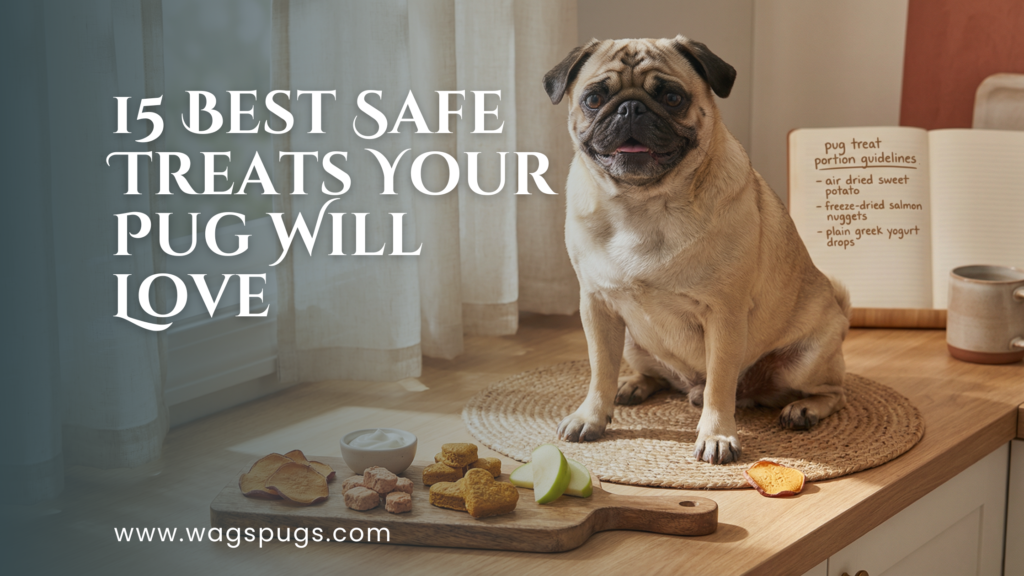
Safe treats for pugs, Pugs are one of the most cherished dog breeds worldwide. Known for their expressive eyes, wrinkled faces, and charming personalities, these small dogs quickly become beloved family members. However, their compact size and unique physical traits make them prone to health challenges, such as obesity, joint issues, and breathing difficulties. Treats are a powerful tool in your pug’s life—they can motivate, reward, and provide mental stimulation for pugs. Yet choosing the wrong treat can do more harm than good.
This guide explores 15 of the safest and most beneficial treats for pugs. Each treat is carefully selected for taste, nutritional value, and digestibility. Additionally, we provide practical tips for safe portions, preparation, and integration into your pug’s daily routine. By the end of this guide, you’ll know exactly which treats to offer and how to maximize both enjoyment and health benefits.
Low-calorie treats for pugs, Treats play a role beyond basic nutrition. They reinforce positive behavior, help in training, and provide mental stimulation, especially for intelligent, social breeds like pugs. Reward-based training is particularly effective with pugs, who respond enthusiastically to food incentives. However, because pugs are prone to weight gain due to their small size and low activity levels, it’s critical to select low-calorie, nutrient-rich pug treats.
Poor treat choices can lead to:
Selecting the right treats ensures your pug stays healthy, happy, and motivated.
When choosing a treat, examine its composition carefully:
Avoid treats containing:
Fillers such as corn syrup or by-products. Treats for pug digestion.
Best pug treats, Carrots are crunchy, naturally sweet, and low in calories, making them an ideal snack for pugs. In addition to keeping your pet interested, their firm texture encourages chewing, which improves dental health by lowering plaque and mild tartar accumulation. Regularly offering crunchy vegetables like carrots can be an effective addition to your pug’s oral care routine, especially when combined with routine brushing.
In addition to dental benefits, carrots are packed with essential vitamins and minerals. Vitamin A, found abundantly in carrots, supports eye health, which is particularly important for pugs since their large, protruding eyes are susceptible to dryness and irritation. Vitamin C contributes to a strong immune system, helping your pug fight infections and maintain overall wellness. Carrots also contain a modest amount of fiber, which aids digestion and helps maintain healthy bowel movements. Fiber-rich Healthy pug snacks can be especially useful for pugs prone to occasional constipation or digestive sensitivity.
Depending on your pug’s tastes, you can serve carrots in a number of different ways. Some dogs enjoy raw carrot sticks, while others may prefer them lightly steamed, which softens the texture without diminishing nutritional value. Steaming carrots makes them easier for older pugs or those with dental sensitivity to chew. You can also cut carrots into small, uniform sticks or coins to control portion size and make snacking safer for smaller breeds.
For pugs who are particularly picky, you can try mixing carrot pieces with other healthy vegetables, such as green beans or pumpkin cubes, creating a colorful, nutritious medley. Some owners also lightly roast carrot sticks with minimal heat to enhance their natural sweetness while keeping them safe and healthy. Always ensure that any preparation method avoids added salt, sugar, or seasonings, as these can harm your pug.
Regularly incorporating carrot sticks into your pug’s treat rotation has several advantages:
Nutritional Benefits Table:
Nutrient | Amount per 100g | Benefit for Pugs |
Vitamin A | 835 µg | Supports vision |
Fiber | 2.8 g | Aids digestion |
Vitamin C | 5.9 mg | Boosts immunity |
Beta-carotene | 8285 µg | Antioxidant, supports cell health |
Potassium | 320 mg | Supports muscle and nerve function |
Because carrots are so versatile, they can be integrated seamlessly into daily routines. Whether used as a training reward, a midday snack, or a cooling frozen treat, they remain a reliable, healthy choice for pugs of all ages. Their affordability, availability, and multi-faceted benefits make them a staple in any responsible pug owner’s treat rotation. Over time, including carrots in your pug’s diet can contribute to improved eye health, digestive wellness, and dental hygiene, supporting a longer, happier life for your companion.
Blueberries are tiny, nutrient-packed fruits that offer a wide range of health benefits for pugs. Their most notable feature is their high antioxidant content, which helps protect cells from oxidative stress and free radical damage. This is particularly important for pugs, as small breeds can be prone to age-related health concerns, including cognitive decline and inflammation. Regular consumption of antioxidant-rich treats for dogs like blueberries may help support long-term health and overall vitality.
In addition to antioxidants, blueberries are high in vitamins C and K. Vitamin C plays a key role in supporting a strong immune system, helping your pug fend off infections and maintain overall wellness. Vitamin K is essential for healthy blood clotting and bone metabolism, contributing to long-term skeletal health. Additionally, blueberries are a good source of dietary fiber, which can improve digestion and support regular bowel movements, especially in pugs with sensitive stomachs or mild constipation.
The small, soft texture of blueberries makes them ideal for pugs of all ages. Puppies can easily chew and swallow them, while older pugs or those with dental sensitivity can enjoy them without discomfort. Their natural sweetness and appealing flavor make blueberries an excellent treat for picky eaters, and their bite-sized shape allows for easy Portion-controlled dog treats during training or snacking.
Blueberries also have cognitive benefits. Studies in dogs and other mammals suggest that antioxidants can help preserve brain function and reduce age-related decline. Regularly offering blueberries can contribute to sharper memory, quicker learning during training sessions, and overall mental alertness, making them especially valuable for senior pugs.
Another advantage of blueberries is their low-calorie content, making them an excellent treat for weight-conscious pugs. Unlike many commercial snacks that contain added sugars or unhealthy fats, blueberries provide a naturally sweet option without contributing to excess caloric intake. This makes them perfect for small, frequent rewards during training without compromising your pug’s diet.
Nutrient | Amount per 100g | Benefit for Pugs |
Vitamin C | 9.7 mg | Enhances immune response |
Vitamin K | 19.3 µg | Supports healthy blood and bone metabolism |
Antioxidants | High | Protects cells from oxidative stress |
Fiber | 2.4 g | Supports healthy digestion and gut function |
Manganese | 0.3 mg | Supports bone health and metabolism |
Incorporating blueberries into your pug’s diet is easy and flexible. They can be used as part of daily snacks, mixed into homemade pug treats, or even frozen for a cooling dessert-like experience. For training, their small size allows you to offer multiple rewards without overfeeding, keeping your pug motivated and healthy at the same time.
Lastly, blueberries are a fantastic choice for pug owners who want to add some taste and texture variation. While some dogs may get bored with the same treats repeatedly, the mild sweetness and juiciness of blueberries can provide a refreshing change. Combining them with other safe fruits, vegetables, or even small amounts of lean protein can keep your pug’s snack time exciting, nutritious, and enjoyable.
Apples are a naturally sweet and nutritious treat that most pugs find irresistible. Their crisp texture provides dental stimulation, helping to gently scrape away plaque while satisfying the chewing instinct. Apples are rich in fiber, which aids digestion, supports gut health, and promotes a feeling of fullness. This makes them an excellent low-calorie snack for pugs, especially those prone to overeating or weight gain.
The vitamin C in apples helps strengthen the immune system, supporting your pug’s ability to fend off infections and maintain overall wellness. Additionally, apples contain potassium, an essential mineral that supports heart function, muscle health, and proper nerve activity. While apples are a safe and healthy option, it is crucial to remove seeds and the core before feeding, as seeds contain cyanogenic compounds that are toxic to dogs.
Apples can be offered in a variety of ways to accommodate your pug’s preferences and dental needs. Raw slices provide a satisfying crunch, ideal for active chewing and promoting oral hygiene. Lightly baked or steamed apple slices soften the fruit while preserving nutrients, making them suitable for senior pugs or those with sensitive teeth. You can also pair apple slices with plain, unsweetened yogurt for added probiotics and flavor variety, creating a snack that supports both gut health and overall enjoyment.
Apples are more than just tasty they are packed with additional compounds that contribute to long-term health. They contain antioxidants such as flavonoids and polyphenols, which help reduce oxidative stress and protect cells from damage. Regular consumption of apples can contribute to heart health, lower inflammation, and overall vitality in pugs, particularly as they age.
Incorporating apples into training or daily snack routines offers several advantages:
Nutrient | Amount per 100g | Benefit for Pugs |
Fiber | 2.4 g | Supports digestion and gut health |
Vitamin C | 4.6 mg | Strengthens immunity and overall wellness |
Potassium | 107 mg | Supports heart, muscle, and nerve function |
Antioxidants | High | Protects cells from oxidative stress |
Carbohydrates | 14 g | Provides natural energy without excess sugar |
Apples are a versatile, affordable, and year-round treat. They are easy to prepare, store, and portion for small dogs like pugs. Regular inclusion of apple slices in your pug’s diet can support long-term health, including improved digestion, stronger immunity, and better dental hygiene, all while offering a tasty, enjoyable snack your pug will eagerly anticipate.
For pugs who are selective or easily bored by routine treats, apple slices offer opportunities for creativity. You can combine apple pieces with a small amount of peanut butter (xylitol-free) for a special treat or layer them with pumpkin cubes or blueberries for a colorful, nutrient-packed snack platter. These variations provide both taste and texture variety, making snack time exciting and beneficial.
Overall, apple slices are an ideal addition to any pug’s treat rotation. They are natural, nutritious, and versatile, offering numerous health benefits while keeping your pug engaged and satisfied. By integrating apples thoughtfully into daily treats, pug training rewards, or interactive feeding games, you create an enjoyable experience that contributes positively to your pug’s long-term wellness.
Chicken is one of the most popular and nutritious treats for pugs, primarily because it is a lean source of high-quality protein. Protein is essential for muscle maintenance, repair, and overall health, which is particularly important for small breeds like pugs, who may be prone to muscle loss as they age or become less active. Chicken also contains important B vitamins such as B6 and niacin, which support metabolism, energy production, skin health, and a shiny coat. These nutrients contribute to a pug’s overall vitality and can help maintain optimal energy levels throughout the day.
The aroma and natural flavor of chicken make it irresistible to most pugs. This makes chicken a perfect choice for training rewards, interactive feeding, or simply as a tasty snack between meals. However, it’s crucial to prepare chicken safely. Always cook it thoroughly, either by boiling, baking, or steaming, and avoid using any seasonings, oils, or sauces, as additives like salt, garlic, or onion can be toxic to dogs. Cutting the chicken into small, bite-sized pieces ensures that it is easy for your pug to chew and swallow, preventing choking hazards.
Chicken is versatile, which makes it ideal for rotating into your pug’s diet without causing boredom. Unlike many commercial treats that contain preservatives or fillers, chicken is natural, digestible, and provides concentrated nutrition in small portions. For pugs who are particularly motivated by food, chicken can be used to reinforce training behaviors, encourage learning, and maintain engagement during enrichment activities.
Nutrient | Amount per 100g | Benefit for Pugs |
Protein | 31 g | Supports muscle growth and repair |
Vitamin B6 | 0.6 mg | Aids metabolism and energy production |
Niacin (B3) | 13.7 mg | Supports healthy skin and coat |
Phosphorus | 200 mg | Maintains strong bones and teeth |
Selenium | 27 µg | Supports immunity and antioxidant defenses |
Protein treats for pugs, Chicken also supports healthy weight management, as it is lean and high in protein while low in fat, particularly when using breast meat. Protein-rich treats can help pugs feel full longer, reducing the likelihood of over-snacking on higher-calorie foods. When paired with vegetables or low-calorie fruits, chicken treats can form part of a balanced, nutritious routine.
Another advantage of chicken is its role in muscle maintenance for active or aging pugs. Regular provision of high-quality protein ensures that your pug retains muscle mass, supporting mobility and overall physical health. For older pugs or those recovering from illness, chicken can be an excellent, easily digestible protein source to aid in recovery and maintain strength.
Chicken’s natural aroma and flavor also make it highly motivating for picky eaters, which is useful for training sessions or encouraging reluctant eaters to consume other nutritious foods. Combining chicken with safe fruits or vegetables enhances its appeal while providing additional vitamins and minerals, creating a multi-nutrient treat that is both enjoyable and beneficial.
In summary, cooked chicken pieces are highly versatile, nutrient-dense, and universally loved by pugs. They provide essential protein, support muscle growth, and offer a safe, flavorful way to reinforce training and reward good behavior. With proper preparation and portion control, chicken can be a cornerstone of your pug’s treat rotation, contributing to long-term health, vitality, and happiness.
Sweet potatoes are nutrient-rich, naturally sweet, and highly digestible, making them an excellent treat choice for pugs. Their high content of vitamin A supports eye health, which is particularly important for pugs given their large, prominent eyes that are prone to irritation and dryness. Potassium in sweet potatoes contributes to proper muscle function and nerve activity, while dietary fiber promotes digestive health and regular bowel movements. The combination of these nutrients makes sweet potatoes a safe, wholesome option that supports both physical wellness and vitality.
Sweet potatoes can be transformed into chewy treats by baking or dehydrating, providing a texture that satisfies a pug’s natural urge to chew. When used in puzzle feeders or interactive toys, chewy treats not only keep your pet interested during snack time but also provide mental stimulation by promoting problem-solving and attention. Because of this, sweet potato chews are especially useful for rewarding good behavior and keeping pugs entertained and mentally active.
Sweet potatoes are naturally low in calories, making them ideal for pugs who require weight management. Unlike many commercial treats that contain fillers, sugar, or unhealthy fats, sweet potatoes provide wholesome, nutrient-dense energy without contributing to excess weight gain. This allows you to reward your pug frequently while maintaining a balanced diet.
In addition to fiber, vitamin A, and potassium, sweet potatoes also contain antioxidants like beta-carotene, which helps reduce oxidative stress and inflammation. This can support long-term health, enhance immune function, and promote a healthy coat. Regular inclusion of sweet potato chews in your pug’s treat rotation can contribute to enhanced digestion, improved immunity, and overall vitality.
Sweet potato chews are highly versatile. They can be used as:
Nutrient | Amount per 100g | Benefit for Pugs |
Vitamin A | 961 µg | Supports vision and immune function |
Fiber | 3 g | Promotes healthy digestion |
Potassium | 337 mg | Maintains muscle and nerve function |
Vitamin C | 2.4 mg | Boosts immunity |
Beta-carotene | 961 µg | Antioxidant that supports cell health |
Because sweet potato chews are long-lasting, they are excellent for slow feeding, which can prevent gulping and support better digestion. They also provide a satisfying outlet for natural chewing instincts, reducing boredom and destructive behavior in pugs. Most dogs are drawn to their inherent sweetness and pleasant scent, which makes them a simple and delightful treat to include in everyday routines.
In summary, sweet potato chews are a nutrient-dense, versatile, and safe treat for pugs. They support eye health, digestive wellness, immunity, and mental stimulation, all while being low in calories and free from harmful additives. With thoughtful preparation and portion control, sweet potato chews can become a staple in your pug’s treat rotation, contributing to a healthier, happier, and more engaged companion.
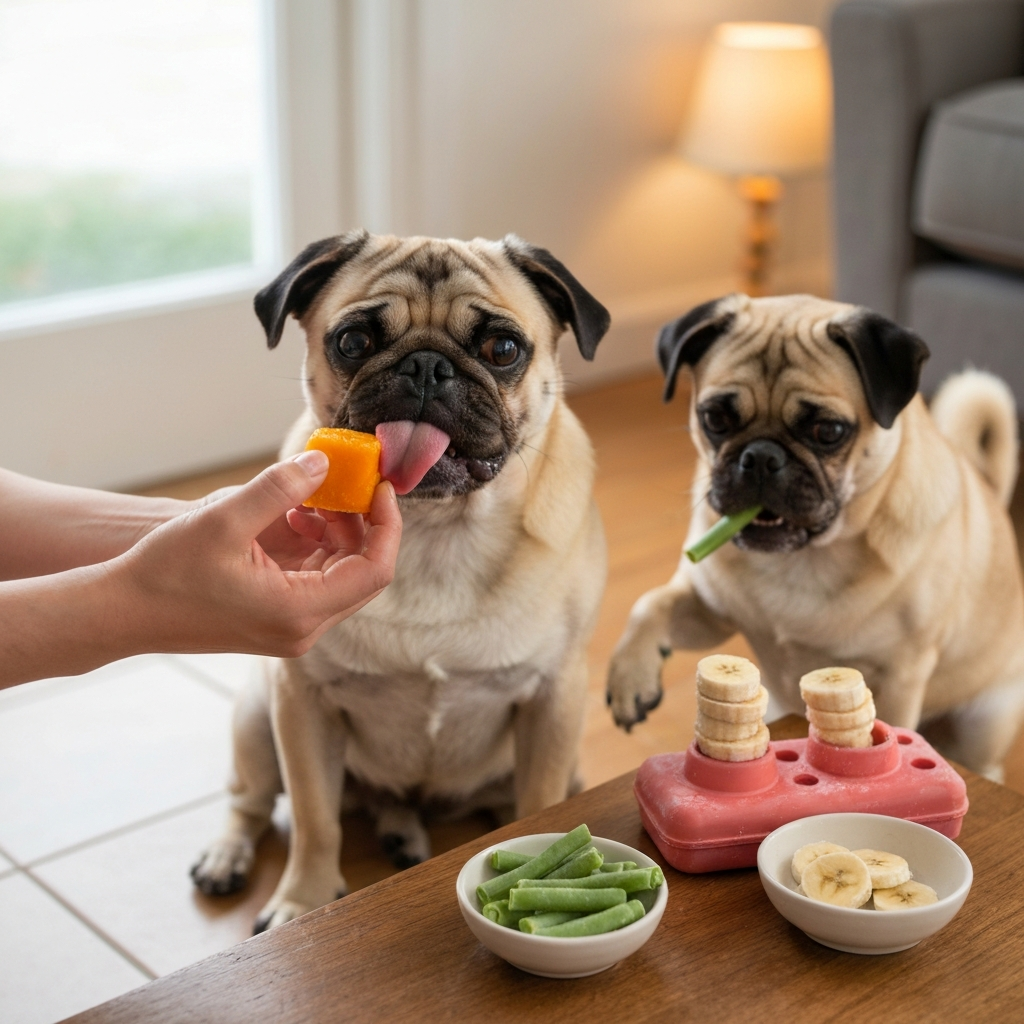
Pumpkin is one of the most versatile and beneficial treats you can offer your pug. Its high fiber content makes it excellent for regulating digestion, whether your pug experiences occasional constipation or simply benefits from maintaining regular bowel movements. Fiber adds bulk to stool, helping your pug pass it more easily and maintaining overall gut health. For pugs prone to digestive sensitivity, incorporating pumpkin into their diet can be a gentle, natural way to support a healthy digestive system without resorting to medications or supplements.
In addition to fiber, pumpkin is rich in vitamins A, E, and C, each of which offers unique benefits. Because pugs have large eyes that are prone to dryness and irritation, vitamin A is essential for maintaining healthy vision. Vitamin E acts as an antioxidant, helping protect cells from oxidative stress and supporting skin and coat health. Vitamin C enhances immunity, helping your pug fight infections and maintain overall wellness. The combination of fiber and these vitamins makes pumpkin a nutrient-rich, low-calorie treat that can be safely offered regularly.
Pumpkin is naturally low in calories and contains complex carbohydrates, providing sustained energy without contributing to weight gain. Unlike pumpkin pies, spiced preparations, or desserts meant for humans, plain canned pumpkin or freshly cooked pumpkin is completely safe for pugs. Avoid any added sugar, spices, or artificial flavorings, which can irritate your pug’s digestive system or cause toxicity.
Pumpkin is particularly beneficial for pugs with sensitive stomachs, irregular digestion, or mild constipation issues. It is ideal in these situations because of its naturally calming effect on the digestive tract and nutrient profile that supports overall health. Including pumpkin in your pug’s diet on a regular basis can help improve nutrient absorption, gut health, and stool consistency, especially when paired with a balanced diet.
Nutrient | Amount per 100g | Benefit for Pugs |
Fiber | 2.5 g | Supports healthy bowel movements and digestion |
Vitamin A | 426 µg | Maintains vision and supports immune function |
Vitamin C | 9 mg | Boosts immunity and overall wellness |
Vitamin E | 1.06 mg | Antioxidant that supports skin and coat health |
Potassium | 340 mg | Supports muscle and nerve function |
Due to its high water content, which aids in maintaining hydration, pumpkin is also a hydrating treat. Pugs who live in warmer climates or are prone to mild dehydration may find this especially beneficial. Pumpkin is also a healthy snack that is easy to chew and swallow due to its soft texture, which makes it suitable for puppies, elderly dogs, or pugs with dental sensitivity.
In conclusion, pumpkin puree is an extremely adaptable, nutrient-dense, and safe treat that can be incorporated into your pug’s daily routine in a variety of ways, including as a stand-alone snack, mixed into meals, frozen, or combined with other safe ingredients. It is a must-have for any responsible pug owner due to its digestive, immunological, and nutritional advantages, especially for those who are taking care of pugs with sensitive stomachs or mild gastrointestinal problems.
Green beans are a high-fiber, low-calorie vegetable that contains vital vitamins A, C, and K. Pugs’ chewing instinct is satisfied by their crunch, and they can be served raw or lightly steamed.
Serving Tips:
Nutritional Benefits Table:
Nutrient | Amount per 100g | Benefit for Pugs |
Fiber | 3.4 g | Supports digestion |
Vitamin C | 12.2 mg | Strengthens immunity |
Vitamin K | 43 µg | Promotes blood clotting |
Green beans’ low calorie content makes them perfect for pugs who are worried about their weight.
Bananas are soft, naturally sweet, and high in potassium, vitamin C, and vitamin B6. They should only be served occasionally because of their high sugar content. Bananas boost immunity, give you energy, and fortify your heart.
Serving Tips:
Nutritional Benefits Table:
Nutrient | Amount per 100g | Benefit for Pugs |
Potassium | 358 mg | Supports heart health |
Vitamin C | 8.7 mg | Boosts immunity |
Vitamin B6 | 0.4 mg | Supports metabolism |
The majority of pugs love bananas as a quick and healthful treat.
Probiotics found in plain, unsweetened yogurt support gut health. It is also a source of protein and calcium. Yogurt can be frozen into cubes for a cool treat or served as a snack.
Serving Tips:
Nutritional Benefits Table:
Nutrient | Amount per 100g | Benefit for Pugs |
Protein | 3.5 g | Supports muscle health |
Calcium | 121 mg | Strengthens bones and teeth |
Probiotics | High | Promotes gut flora balance |
For pugs who have sensitive digestive systems or who require extra calcium, yogurt is the best option.
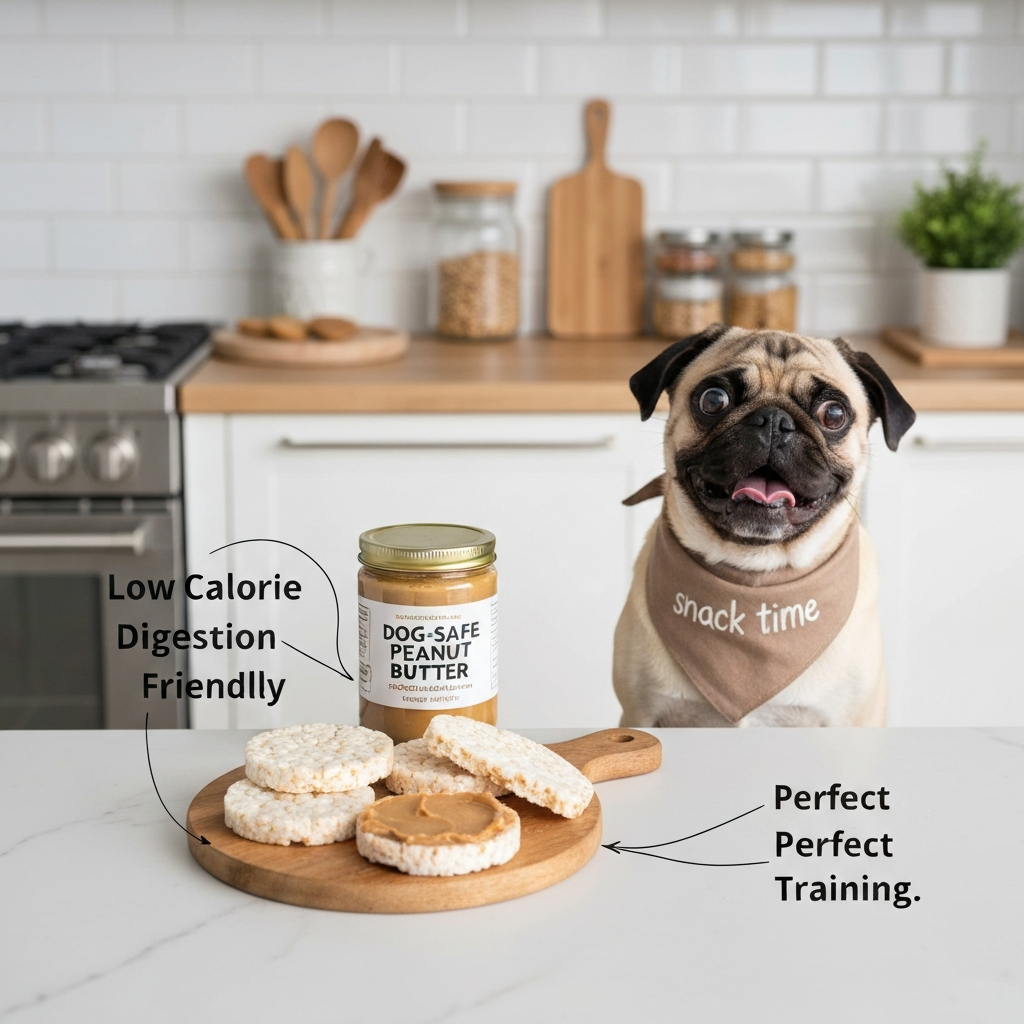
Plain, unsalted rice cakes are low-calorie and provide a crunchy texture. They are perfect for small rewards and can be paired with safe spreads like peanut butter (xylitol-free).
Serving Tips:
Nutritional Benefits Table:
Nutrient | Amount per 100g | Benefit for Pugs |
Calories | 387 kcal | Low-calorie snack |
Fiber | 2 g | Aids digestion |
Carbs | 80 g | Provides energy |
Rice cakes are versatile and convenient and can be adapted for different flavor variations.
Peanut butter is a high-protein, palatable treat loved by most dogs. Ensure it is free from xylitol, which is toxic to dogs. Peanut butter can be offered in small quantities or stuffed into toys for enrichment.
Serving Tips:
Nutritional Benefits Table:
Nutrient | Amount per 100g | Benefit for Pugs |
Protein | 25 g | Supports muscle repair |
Fat | 50 g | Provides energy |
Vitamin E | 6 mg | Supports skin health |
Boiled eggs are nutrient-dense and highly digestible, providing protein, vitamins, and essential fatty acids. They are excellent for pugs who need high-quality nutrition in small portions.
Serving Tips:
Nutritional Benefits Table:
Nutrient | Amount per 100g | Benefit for Pugs |
Protein | 13 g | Builds muscle |
Vitamin B12 | 1.1 µg | Supports metabolism |
Fat | 11 g | Energy and coat health |
Low-fat cheese is an excellent source of calcium and protein. It works well as a small training reward or occasional snack. Avoid high-fat or heavily salted cheese.
Serving Tips:
Nutritional Benefits Table:
Nutrient | Amount per 100g | Benefit for Pugs |
Protein | 25 g | Supports muscle health |
Calcium | 700 mg | Strengthens bones |
Fat | 10 g | Provides energy |
Frozen fruit pops made from dog-safe fruits like blueberries, bananas, or watermelon offer a refreshing snack, especially in hot weather. They are hydrating, low-calorie, and provide antioxidants.
Serving Tips:
Nutritional Benefits Table:
Nutrient | Amount per 100g | Benefit for Pugs |
Vitamin C | 10 mg | Supports immunity |
Fiber | 2 g | Aids digestion |
Water | 85% | Hydration |
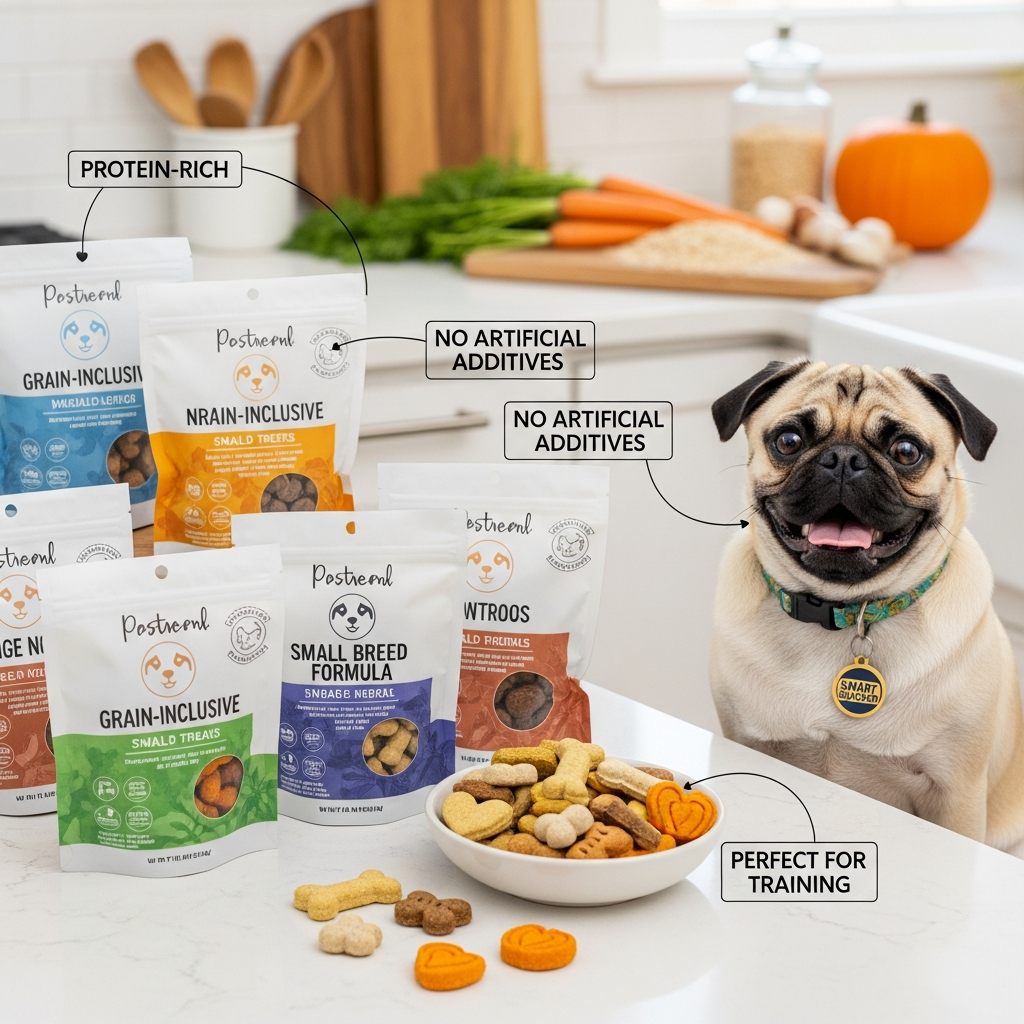
High-quality dog treats from reputable brands are formulated for balanced nutrition and convenience. Look for small, natural, grain-inclusive treats free from artificial additives.
Serving Tips:
Nutritional Benefits Table:
Nutrient | Varies by brand | Benefit for Pugs |
Protein | 5–15 g | Maintains muscle health |
Fat | 2–5 g | Provides energy |
Fiber | 1–3 g | Aids digestion |
Training Integration: Use small treats for positive reinforcement without overfeeding.
Feature | Homemade Treats | Commercial Treats |
Ingredients Control | Full control. You can use fresh, whole foods. | Limited control. Labels must be checked for additives. |
Customization | Easily adjusted for weight control or allergies. | Some specialized formulas are available. |
Convenience | demands planning and patience. | ready to use and has a long shelf life. |
Cost | When using bulk ingredients, it is frequently more cost-effective. | Depending on the brand, the price may be higher. |
Nutritional Control | elevated. You choose ingredients and portions. | varies depending on the brand and could contain sugar or fillers. |
Best Use | Healthy daily snacks and customized treats. | Dental chews, training incentives, and easy use. |
Tip: Keep treats under 10% of daily calories and introduce new snacks gradually.
Treat Type | Examples | Why Vets Recommend It | Serving Tips |
Fresh Vegetables | Carrots, cucumbers, green beans | Low calorie, high fiber, supports digestion | Serve raw or lightly steamed. Cut into small pieces. |
Fresh Fruits | Blueberries, apples (no seeds), bananas | Rich in antioxidants and vitamins | Because of the natural sugar, only offer small amounts. |
Lean Proteins | Boiled chicken, turkey, salmon (boneless) | High-quality protein for muscle health | Keep portions small. Avoid seasoning, bones, and skin. |
Low-Fat Dairy | Cottage cheese, plain yogurt | Gentle on the stomach, adds calcium | Give a spoonful as an occasional treat. Avoid if your pug is lactose-sensitive. |
Commercial Vet-Approved Treats | Dental chews, limited-ingredient treats | Promote dental health and reduce allergies | Pick grain-free or single-protein options if your pug has sensitivities. |
Crunchy Low-Calorie Snacks | Rice cakes (plain), air-popped popcorn (no salt) | Just a few pieces should be offered. | Just a few pieces should be offered. |
Dog-Safe Peanut Butter | Sugar-free, xylitol-free peanut butter | On toys, apply a thin layer. | On toys, apply a thin layer. |
Treat Type | Examples | Why Vets Recommend It | Serving Tips |
Fresh Vegetables | Carrots, cucumbers, green beans | Low in calories, high in fiber, and aids in digestion | Serve raw or lightly steamed. Low in calories, high in fiber, and aids in digestion Cut into small pieces. |
Fresh Fruits | Blueberries, apples (no seeds), bananas | Rich in antioxidants and vitamins | Because of the natural sugar, only serve small amounts. |
Lean Proteins | Boiled chicken, turkey, salmon (boneless) | High-quality protein for muscle health | Keep portions small. Avoid seasoning, bones, and skin. |
Low-Fat Dairy | Cottage cheese, plain yogurt | Gentle on the stomach, adds calcium | Give a spoonful as an occasional treat. Avoid if your pug is lactose-sensitive. |
Commercial Vet-Approved Treats | Dental chews, limited-ingredient treats | Promote dental health and reduce allergies | Pick grain-free or single-protein options if your pug has sensitivities. |
Crunchy Low-Calorie Snacks | Rice cakes (plain), air-popped popcorn (no salt) | Just a few pieces should be offered. | Just a few pieces should be offered. |
Dog-Safe Peanut Butter | Sugar-free, xylitol-free peanut butter | Great for training and enrichment | Use a thin layer on toys. extremely high calorie content, so limit your intake. |
Treats are far more than simple natural snacks for pugs; they are essential tools for training, mental stimulation, and strengthening the bond between you and your pug. When chosen thoughtfully, treats can reward good behavior, encourage learning, and even provide a fun form of enrichment that keeps your pug engaged and happy.
Your pug will benefit from snacking without sacrificing health if you prioritize safe, healthy, and natural options like crunchy carrots, antioxidant-rich blueberries, lean proteins like chicken, nutrient-dense sweet potatoes, and low-fat cheeses. These treats provide essential vitamins, minerals, fiber, and protein, supporting vision, digestion, immunity, muscle maintenance, and overall vitality. Unlike processed commercial snacks that often contain additives, preservatives, or excess sugar, natural treats offer balanced nutrition while remaining highly palatable for pugs.
Portion control is crucial. Even the healthiest treats should be offered in moderation, complementing rather than replacing a pug’s regular diet. Gradually introducing new treats allows you to monitor tolerance, particularly for fiber-rich options like pumpkin, sweet potato, and apples. This careful approach reduces the risk of digestive upset and helps you identify your pug’s personal preferences.
Treats can also serve as tools for mental and physical enrichment. Frozen or dehydrated options like sweet potato chews, carrot sticks, or pumpkin cubes can be used in puzzle feeders, slow-dispensing toys, or interactive games, offering both cognitive stimulation and long-lasting engagement. From raw and crunchy to baked, steamed, or frozen, the range of textures, flavors, and preparation techniques guarantees that snack time is thrilling, delightful, and satisfying.
In the end, treats become more than just food; they become a way to foster a solid, happy, and healthy relationship. By integrating a mix of nutrient-rich snacks into your pug’s routine, you support their physical wellness, mental sharpness, and emotional contentment. These thoughtful choices enhance daily life, making every reward an opportunity for learning, bonding, and positive reinforcement.
With these 15 safe treat options, your pug can enjoy a wide range of tastes and textures, stay active and healthy, and experience the joy of well-balanced snacking. Treats can transform daily routines into moments of connection and nourishment, promoting a long, vibrant, and happy life for your cherished companion.
Safe treats include plain vegetables like carrots and green beans, small portions of fruit, and simple cooked proteins with no seasoning.
Treats should make up no more than ten percent of a pug’s daily calorie intake to avoid weight gain.
Yes, if they are vet approved, low in fat, and free from artificial additives, sweeteners, and fillers.
Some fruits are safe, such as apples without seeds, blueberries, and bananas, when given in small amounts.
Yes. Vegetables like carrots and cucumbers are low calorie, crunchy, and often enjoyed by pugs.
Plain, boiled chicken without seasoning is safe and commonly used as a high-value reward.
Yes. Pugs gain weight easily, so portion control and healthy treat choices are essential.
Not necessarily. Whole grains are safe for most pugs unless a veterinarian recommends otherwise.
Many treats are safe, but puppies need smaller portions and softer textures.
Avoid xylitol, chocolate, grapes, raisins, onions, garlic, and heavily processed ingredients.
Introduce one new treat at a time and monitor for digestive upset or allergic reactions.